Bormes — History & Facts
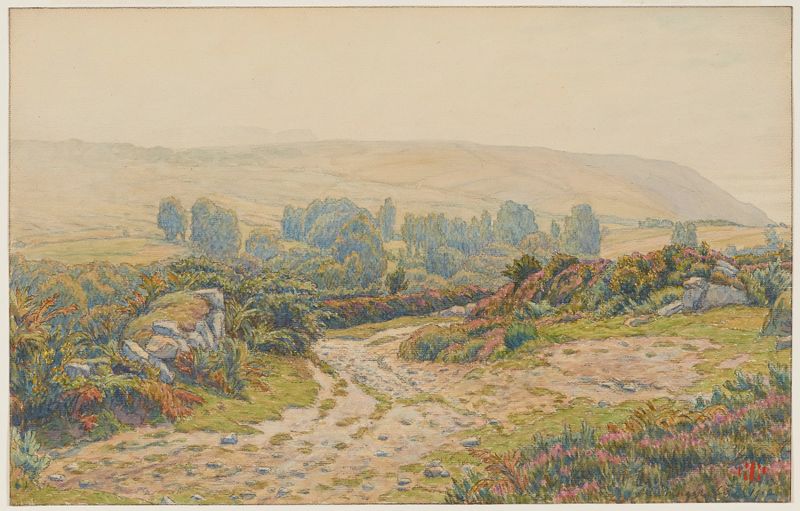
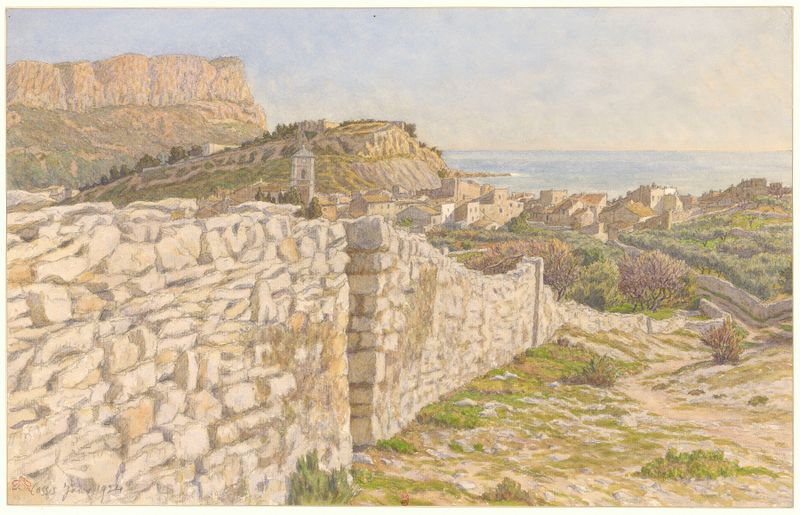
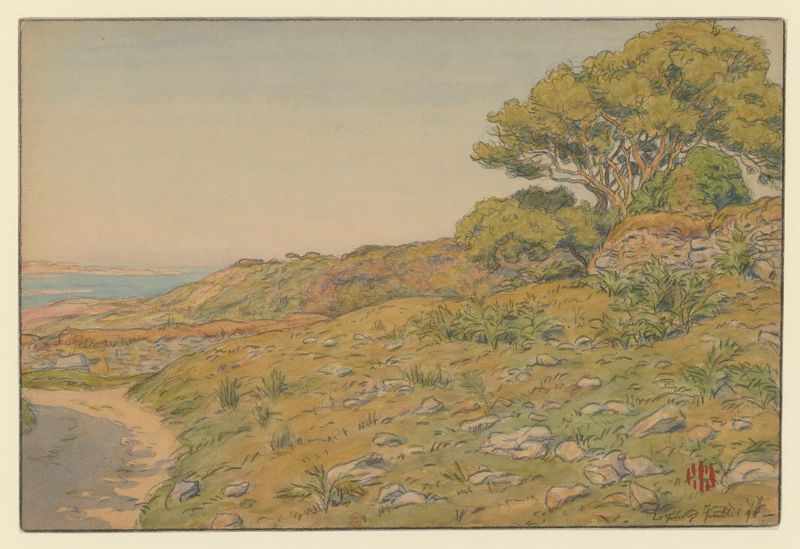
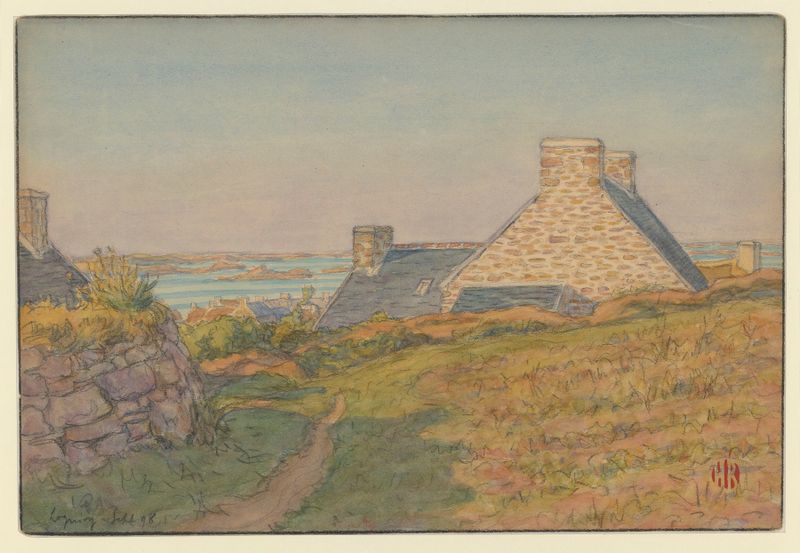
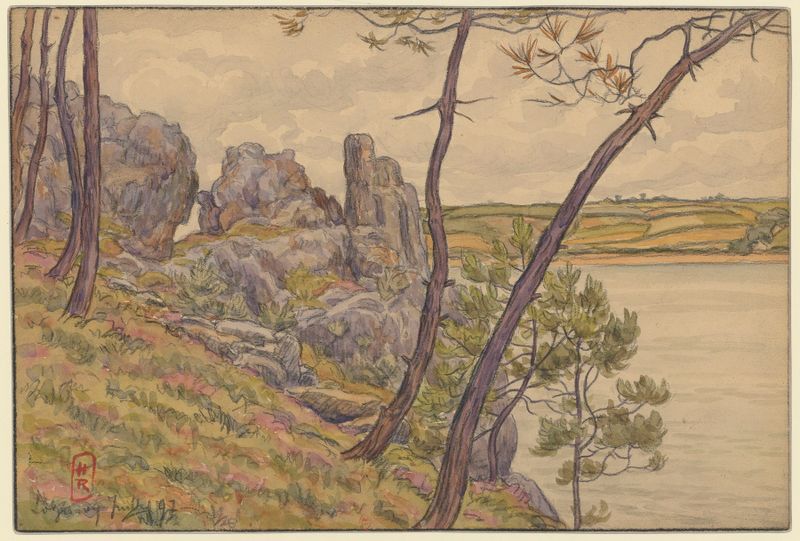
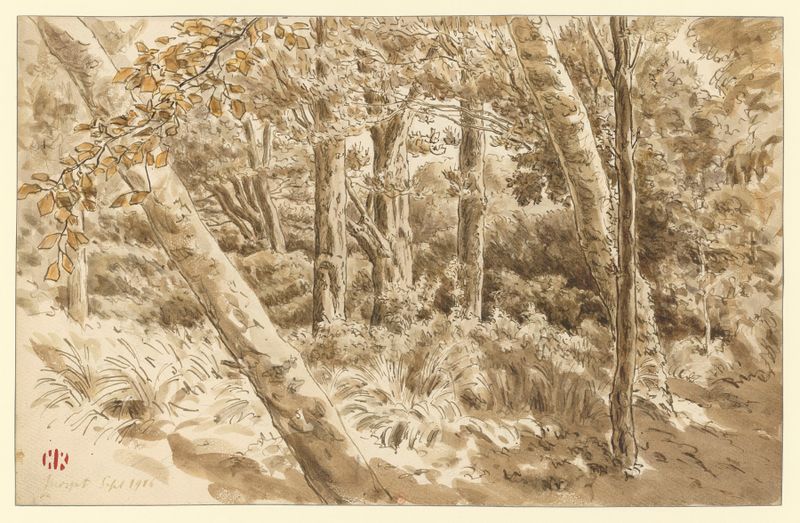
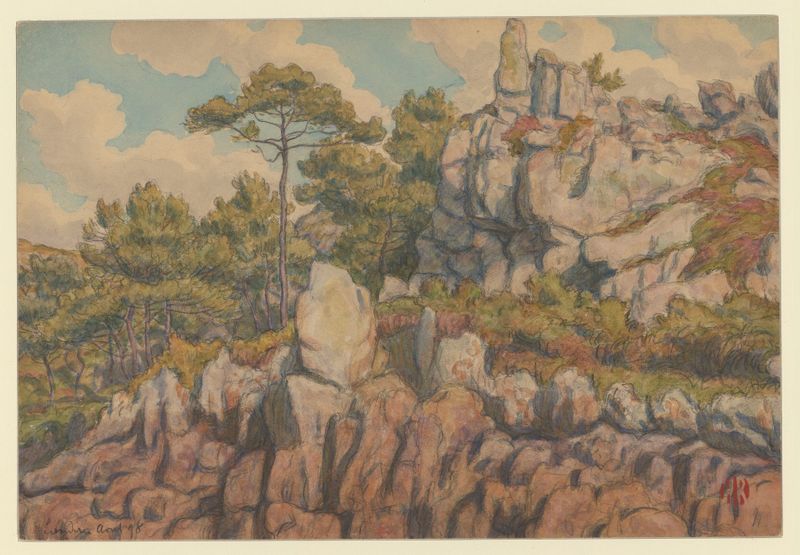
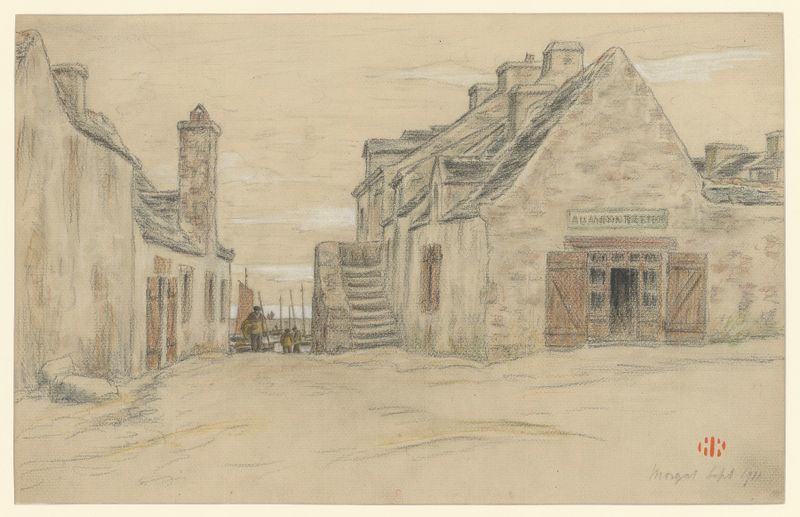
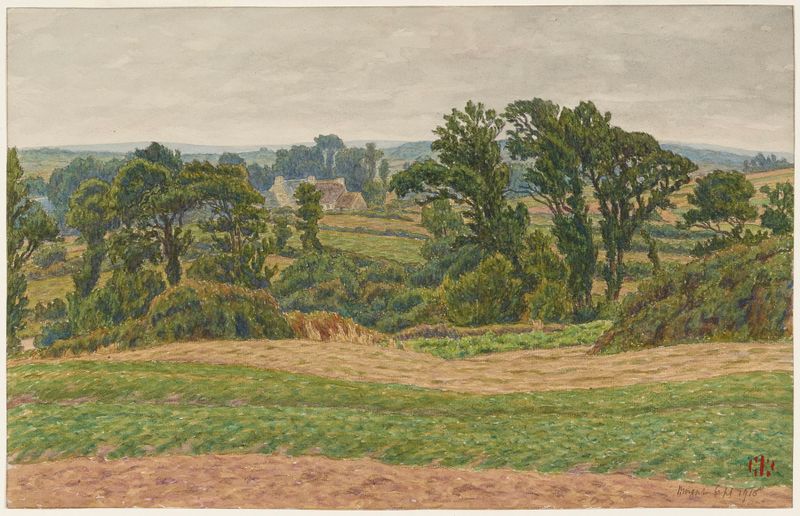
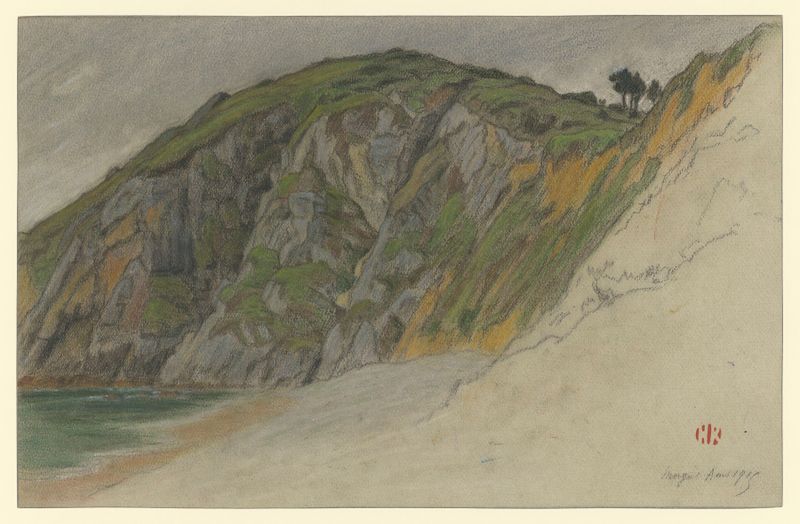
Is this a mirror — or a memory? Echoes of joy and nostalgia dance across the canvas, inviting us to ponder the delicate interplay between the two. Look to the top left where the sun spills over the horizon, casting a warm golden hue that envelops the tranquil village below. Notice how the artist skillfully blends soft pastels — pinks and blues — to create a dreamlike quality, inviting a fleeting sense of utopia. The gentle curves of the rooftops lead the eye through the composition, while rhythmic brushstrokes evoke the swaying of trees, crafting a blissful harmony within the scene. Yet beneath this serene surface, hidden tensions emerge.
The contrasting shades of shadow and light whisper of fleeting moments, suggesting that bliss is ephemeral. Each brushstroke captures not just a location, but an emotional tapestry woven with personal longing and collective memory, as if the village holds the weight of countless untold stories. In 1925, while living in Paris, Henri Rivière painted Bormes during a period marked by his deep connection to nature and the desire to escape urban life. This work reflects both the influence of his artistic peers and a growing trend in France towards Impressionism and Post-Impressionism, as he sought to fuse his impressions of reality with a more emotional resonance.
Rivière’s exploration of color and form in this piece not only captures a moment in time but also encapsulates the spirit of an era in transition.