Bormes — History & Facts
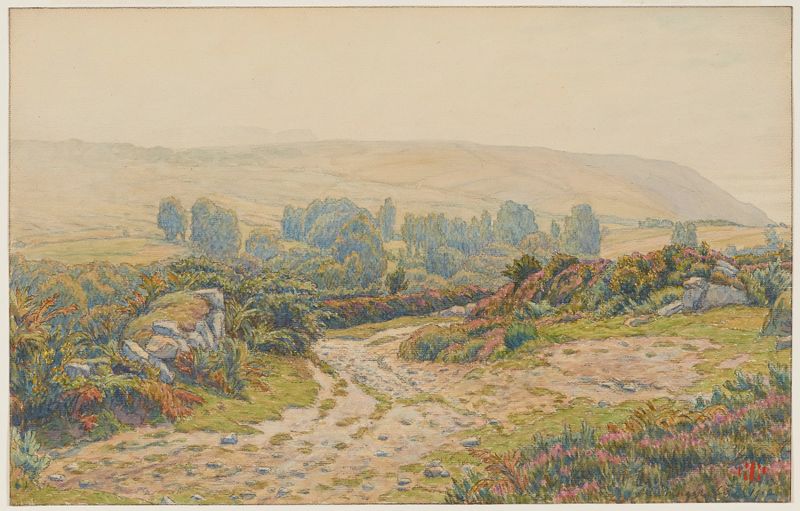
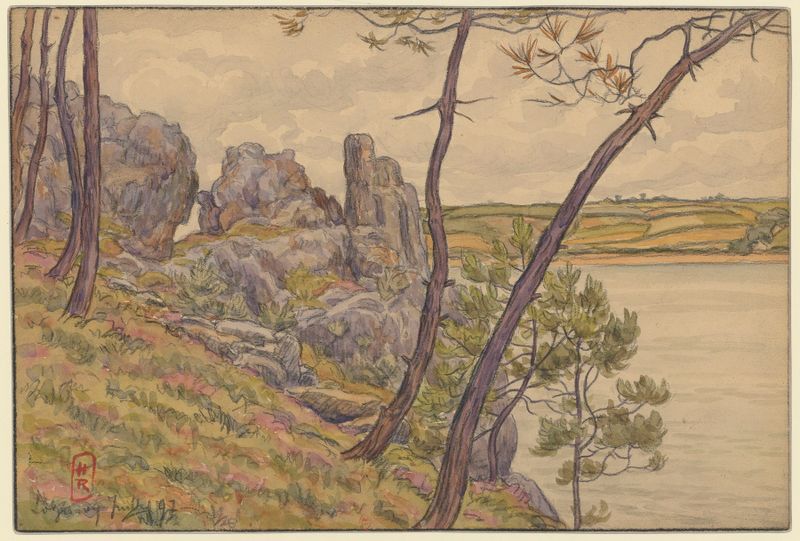
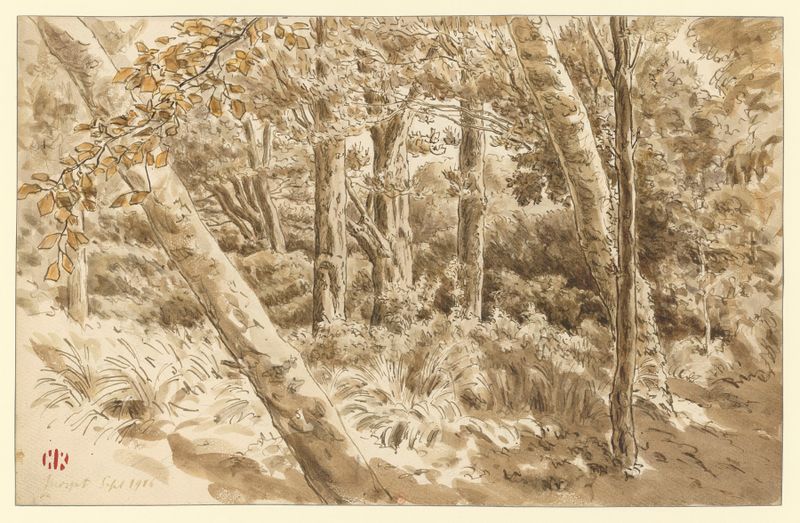
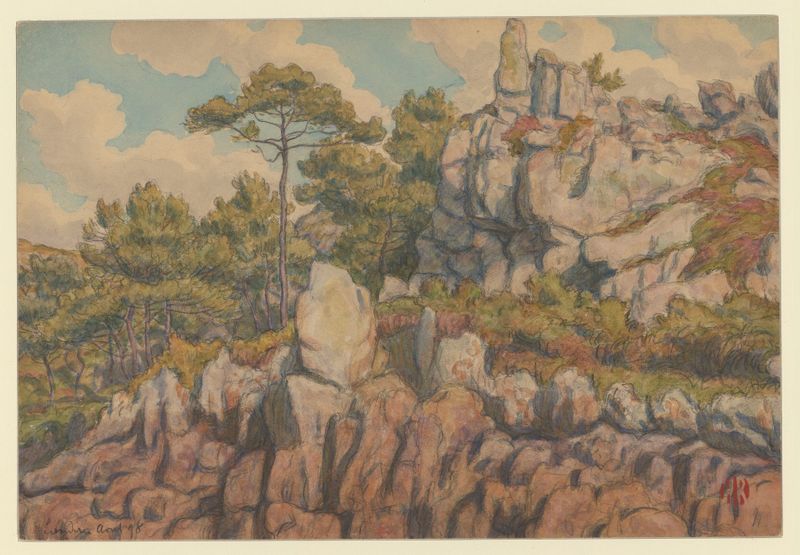
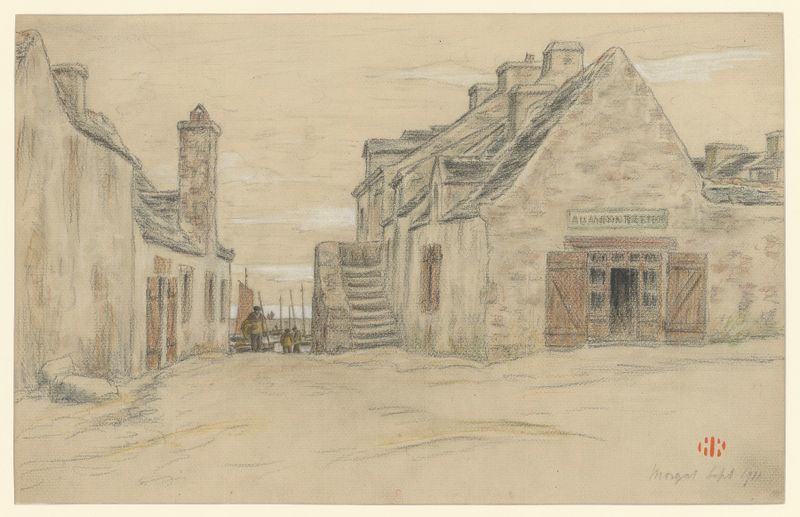
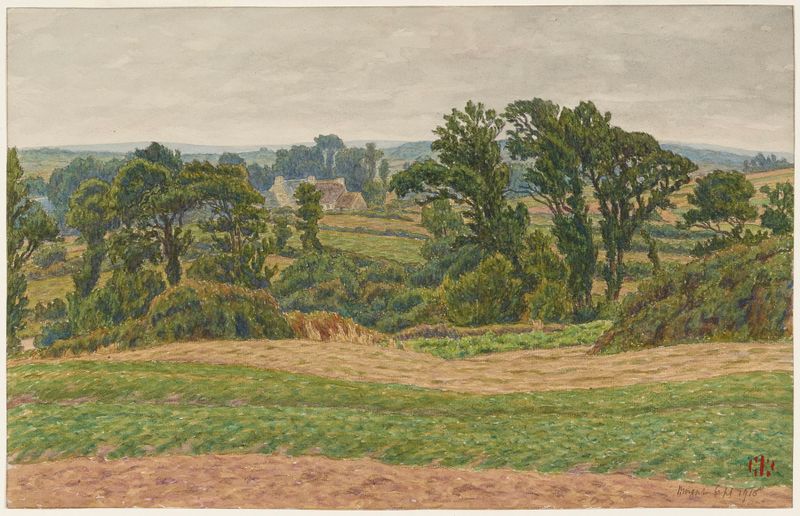
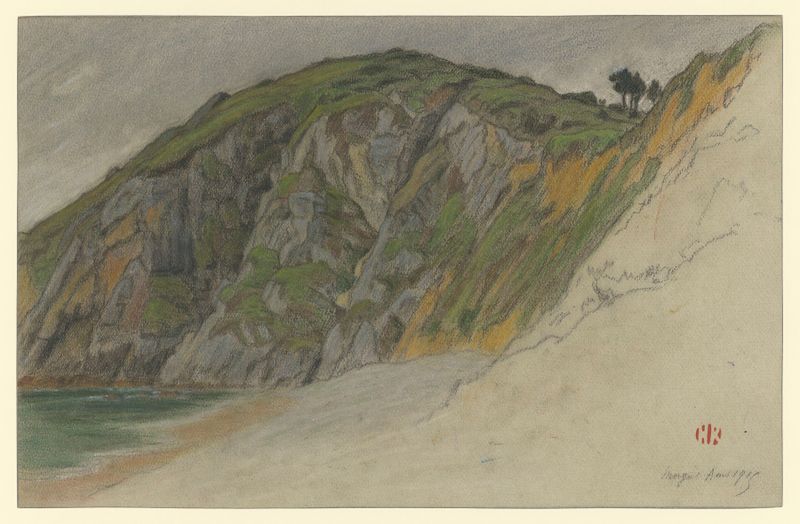
What secret hides in the quiet of the canvas? In Bormes, a delicate interplay between reality and illusion invites the viewer to ponder the multifaceted nature of perception. Look to the left at the soft, undulating lines that depict the hills, cradled by a soothing palette of greens and blues. The artist skillfully employs gentle strokes, inviting the eye to wander through the tranquil landscape. Notice how the light dapples across the surface, creating a shimmering effect that evokes the feeling of a sunlit day—yet simultaneously suggests a dreamlike state.
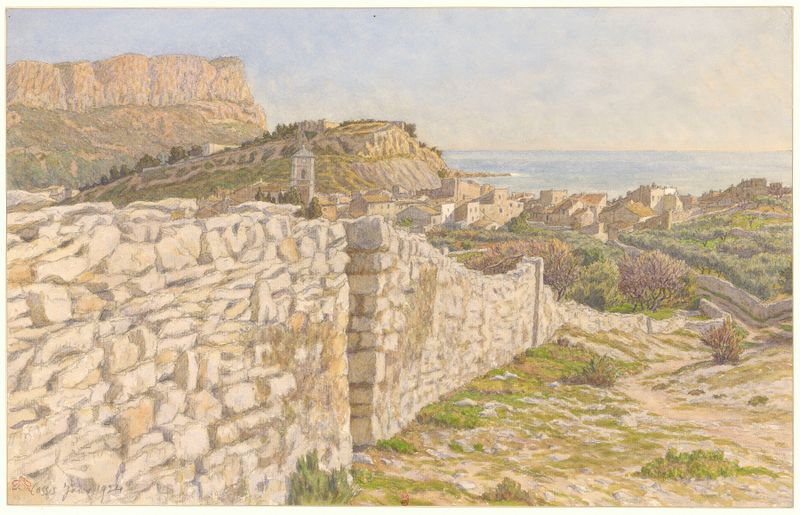
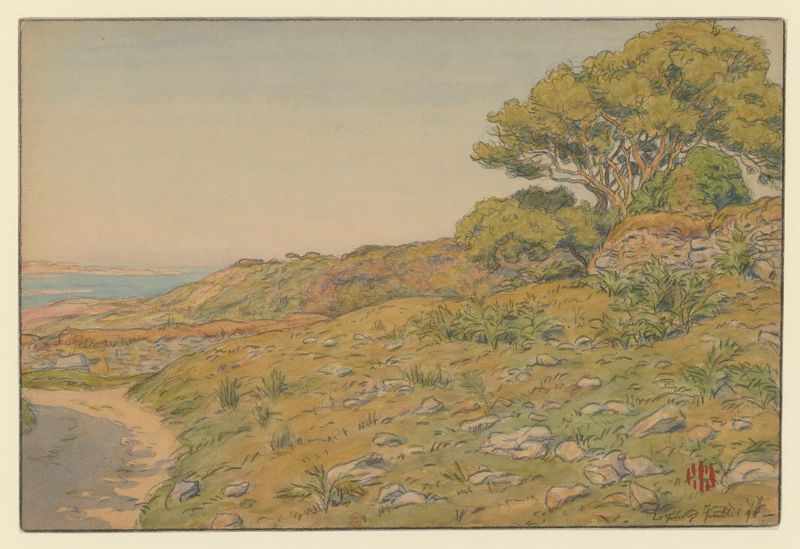
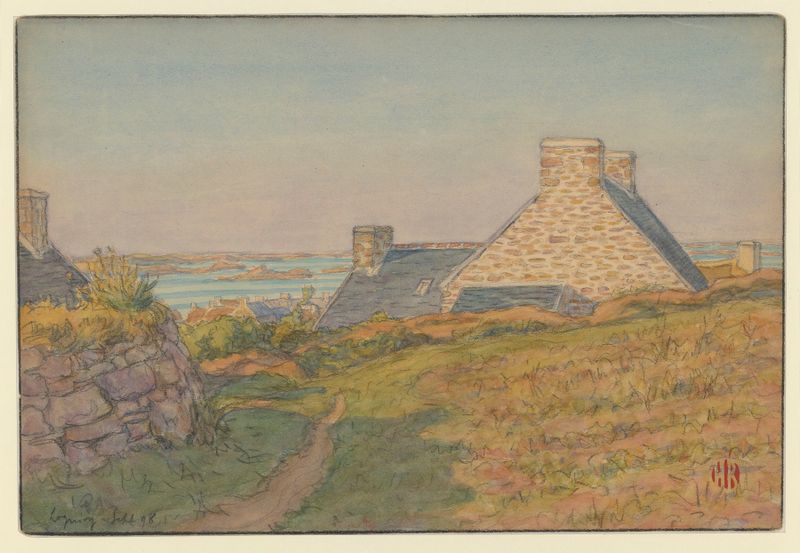
The composition is balanced, yet the subtle asymmetry hints at the unpredictable essence of nature. Hidden within the tranquil scene lies a tension between serenity and the underlying chaos of life. The ethereal quality of the colors and the blurriness of the shapes provoke an emotional response, encouraging reflection on the passage of time and the fleeting nature of beauty. In the details, like the wisps of clouds that seem to move almost imperceptibly, one senses a longing—a reminder that moments, like shadows, are often fleeting and elusive. In 1926, Henri Rivière painted Bormes during a time when he was deeply immersed in exploring the synthesis of art and nature.
Living in a period marked by Post-Impressionism, he sought to capture the essence of landscapes through a distinctively personal lens. This work reflects not only his artistic evolution but also the broader movement towards abstraction that characterized the art world of the early 20th century.