Bormes — History & Facts
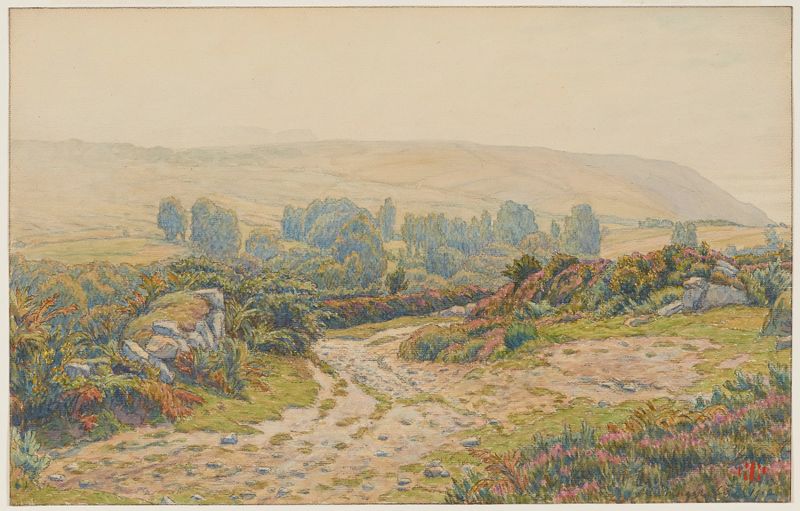
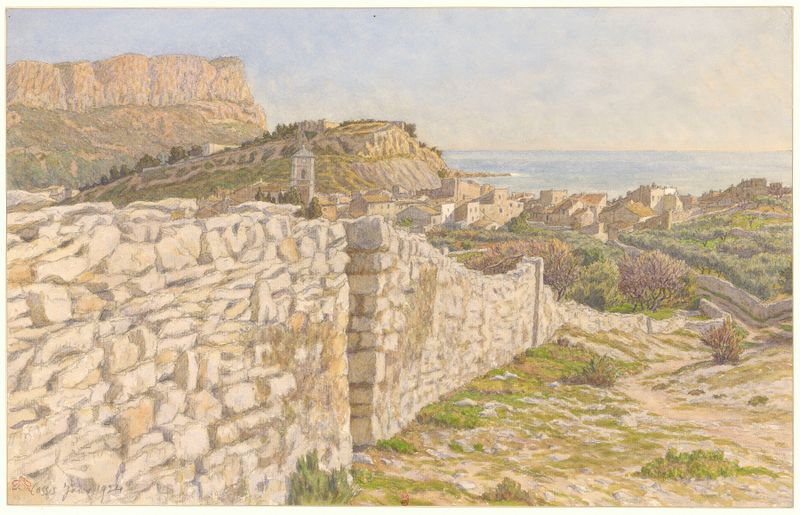
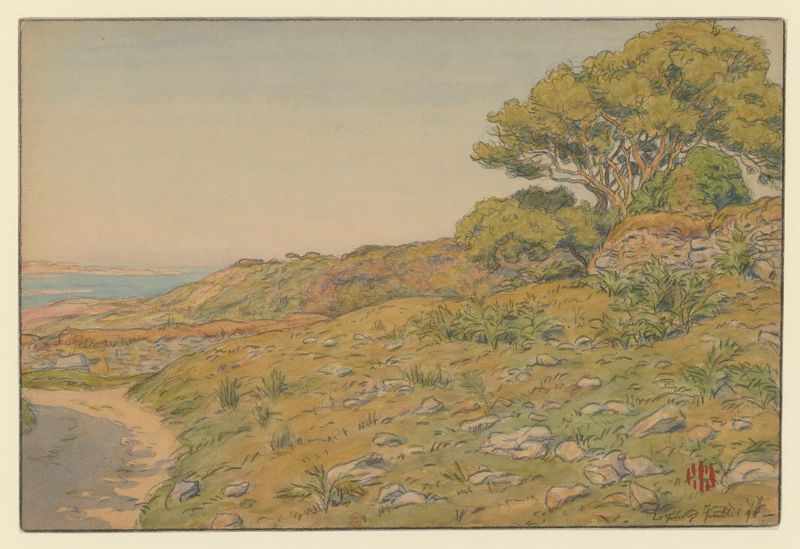
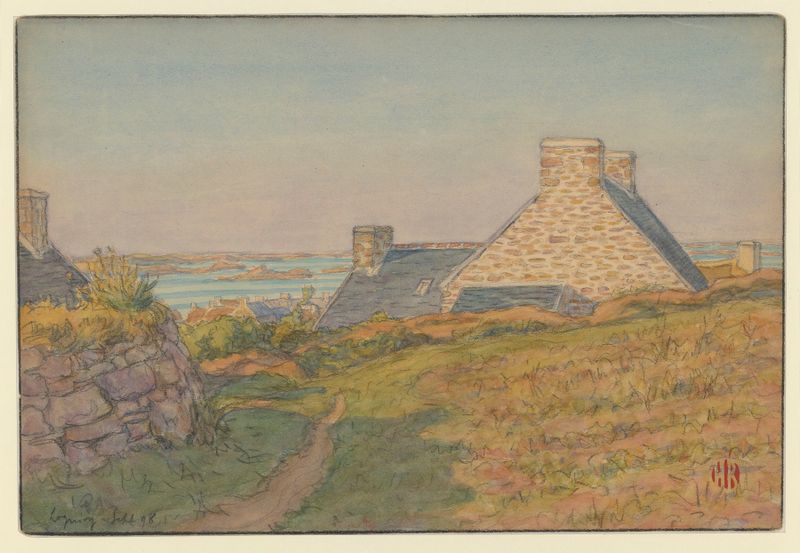
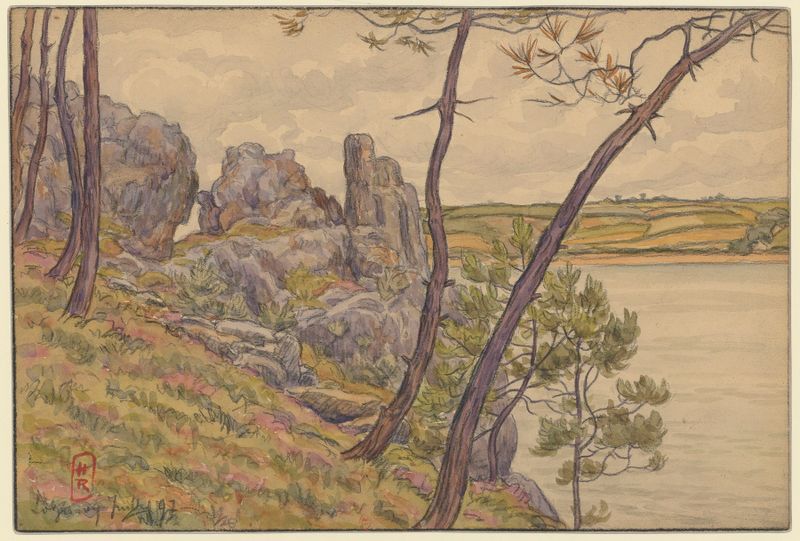
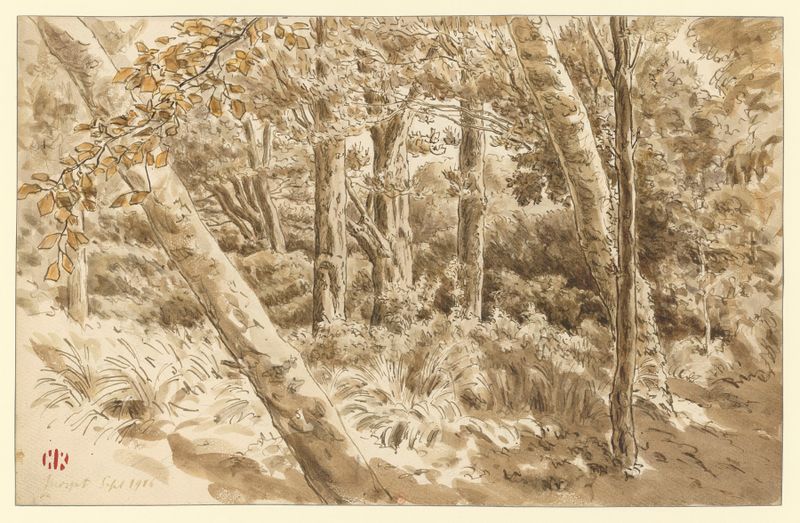
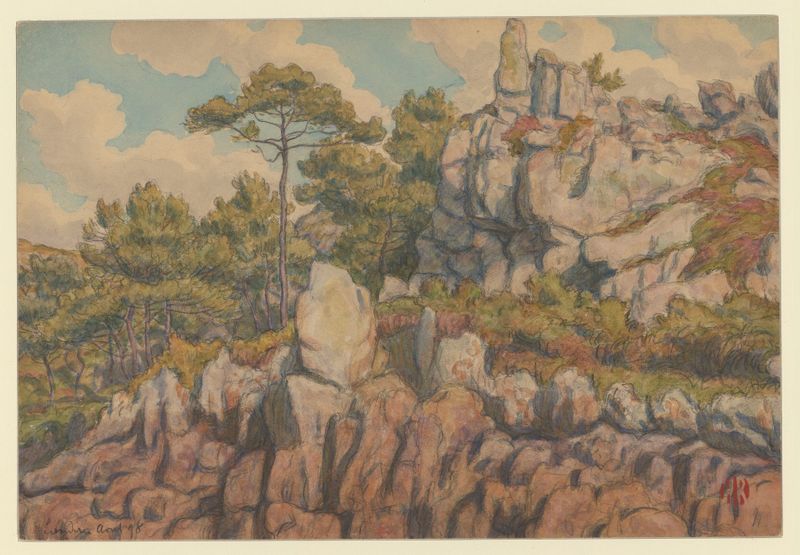
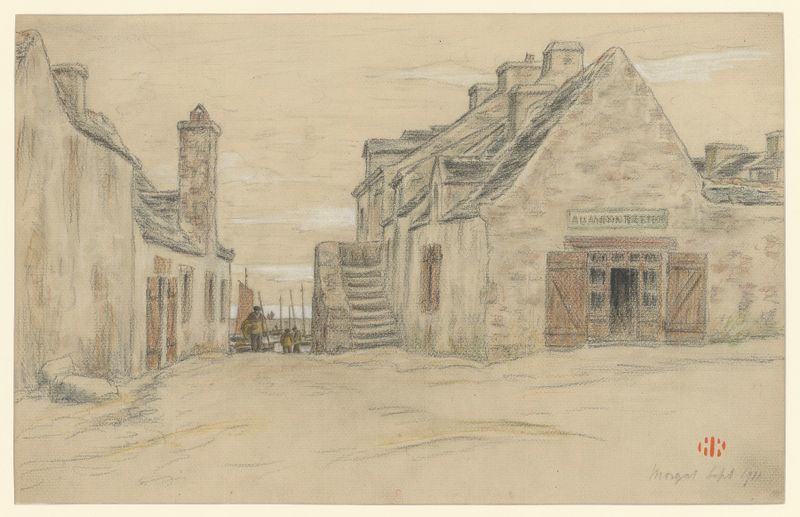
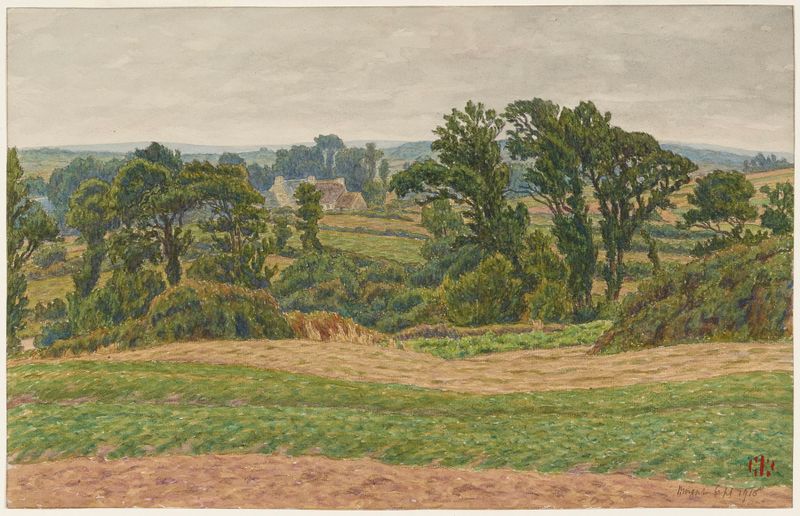
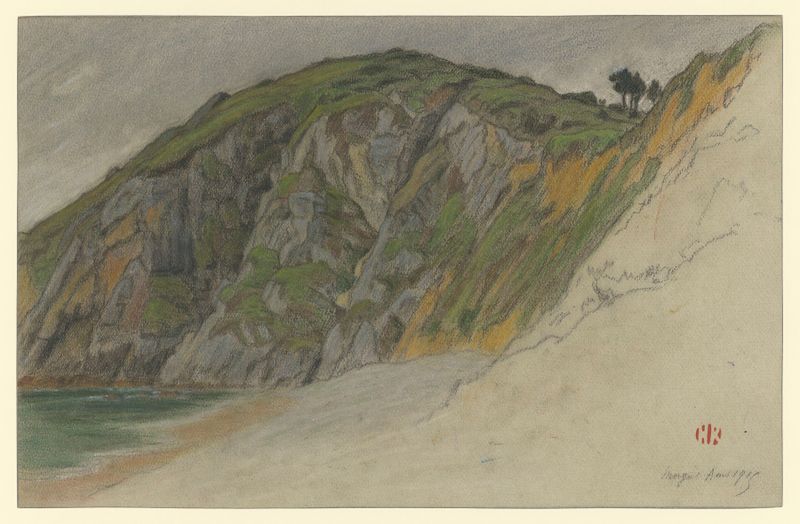
When did color learn to lie? Henri Rivière’s Bormes weaves a tapestry of beauty that invites us to ponder the deceptive nature of perception and reality. Focus on the rich, emerald green of the trees flanking the foreground; they beckon the viewer, creating a lush frame around the scene. Notice how the sunlit patches of the landscape pulse with golden hues, contrasting sharply with the deep shadows that linger beneath the foliage. Each brushstroke whispers secrets of the artist's intent, evoking a sense of harmony that feels almost palpable, yet teasingly elusive. The interplay of light and shadow in this work conveys both serenity and tension.
The juxtaposition of the radiant colors against the darker tones suggests a dichotomy between joy and melancholy, hinting at the complexity of the environment. Moreover, the softness of the shapes invites contemplation; the viewer is not merely an observer but a participant in the emotional landscape, navigating the blurred lines between reality and dream. Created in 1925, Bormes emerged during a time when Rivière was deeply engaged in exploring the interplay of light and nature. Based in France, after the tumult of World War I, he sought solace in the beauty of the natural world, blending Impressionist ideals with his own unique vision.
The piece reflects both his personal journey and the broader artistic movements of the time, showcasing his dedication to capturing the ephemeral essence of beauty.