Bormes — History & Facts
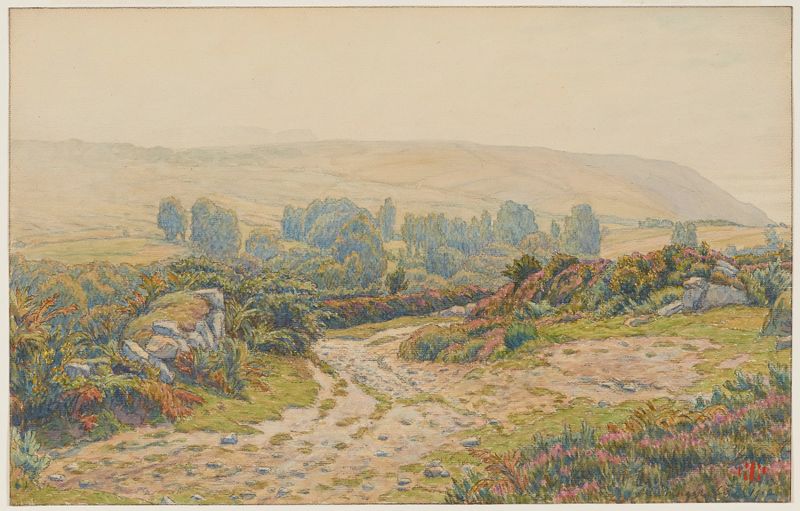
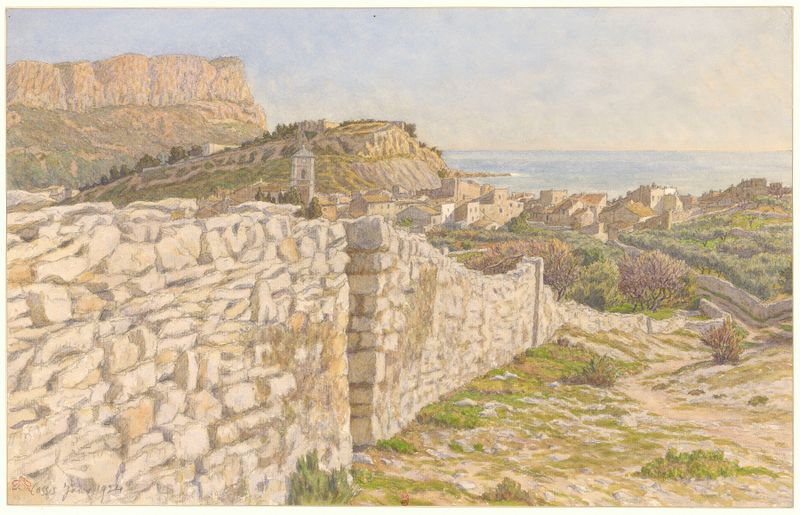
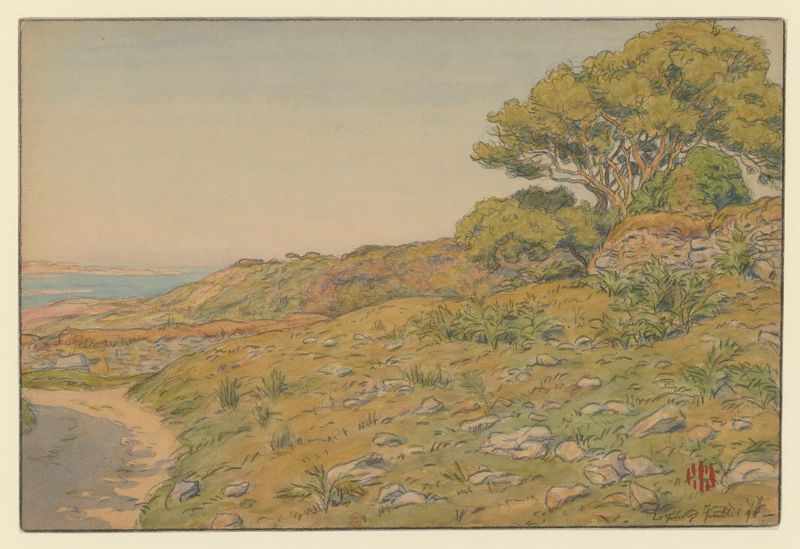
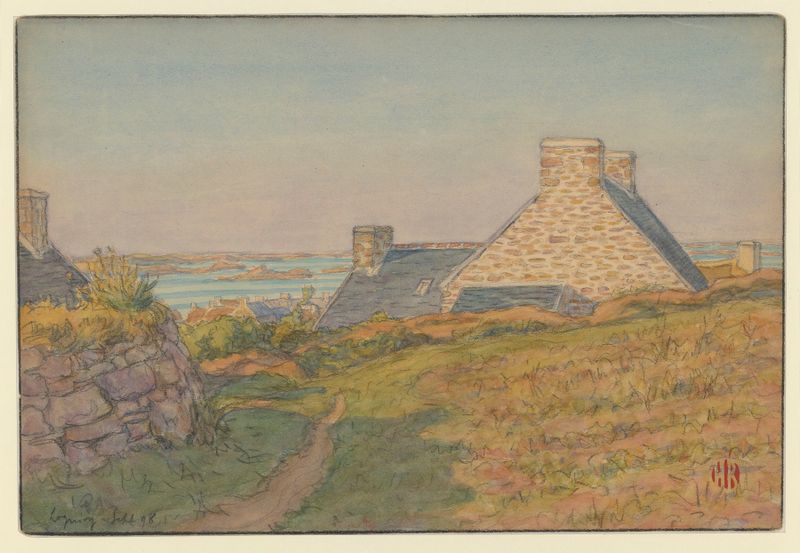
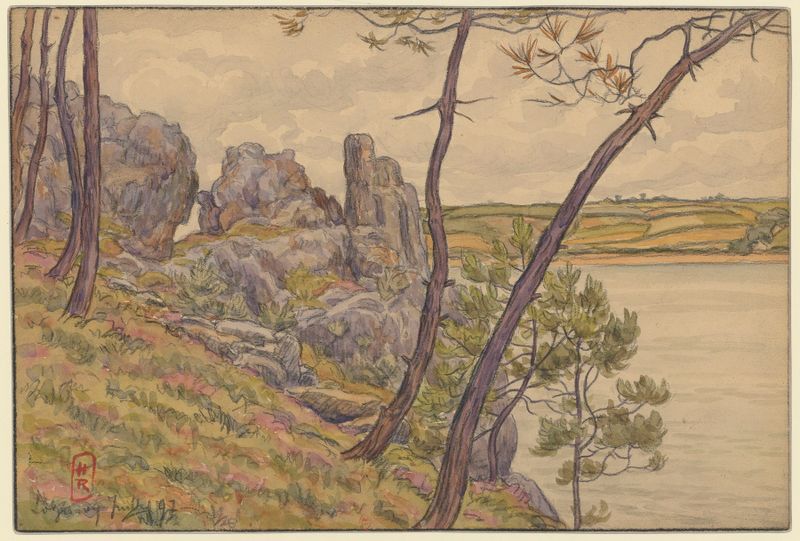
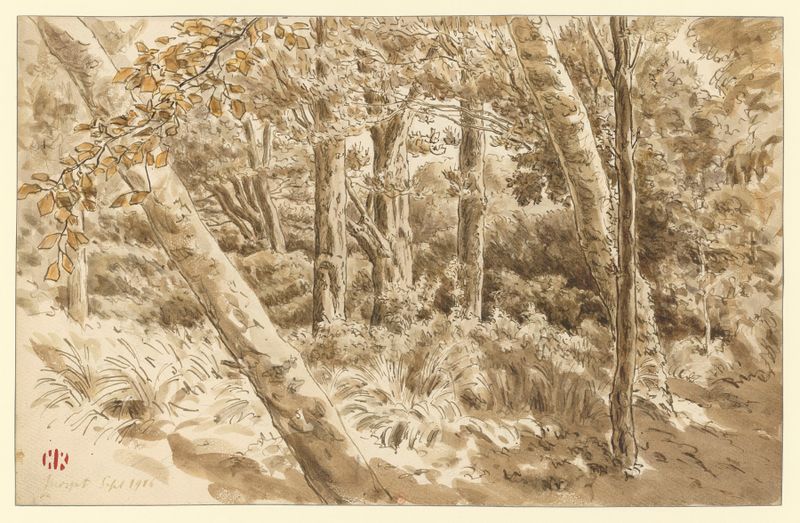
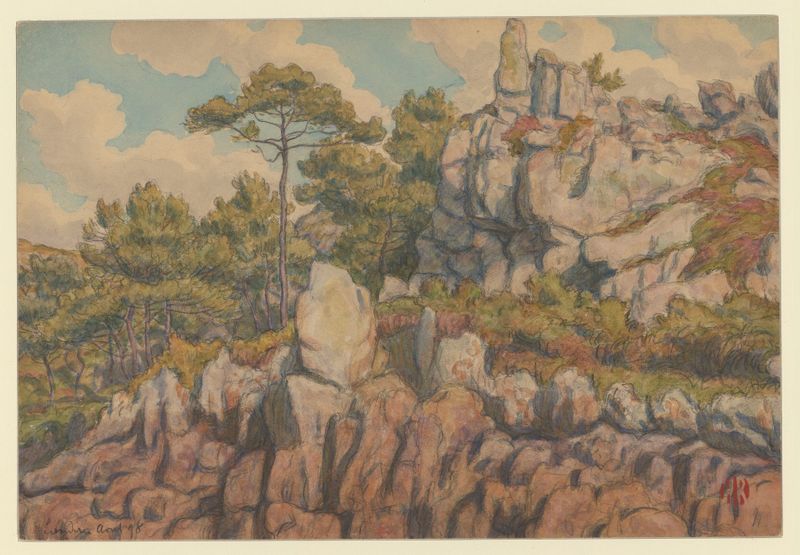
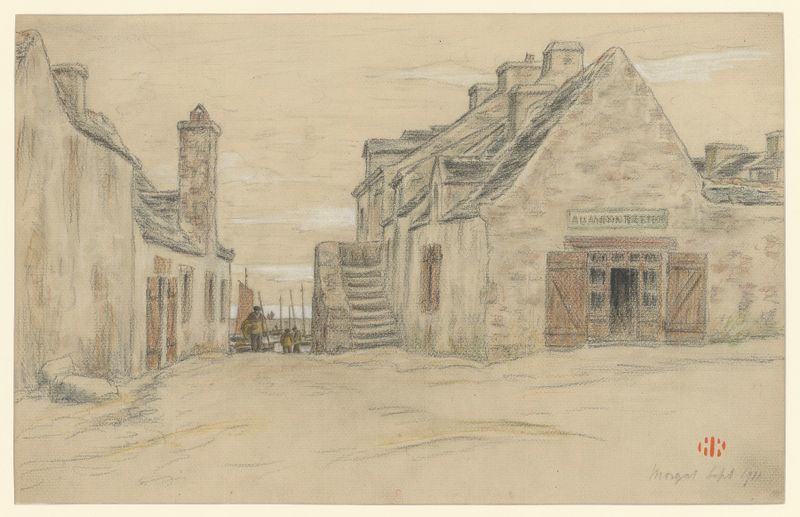
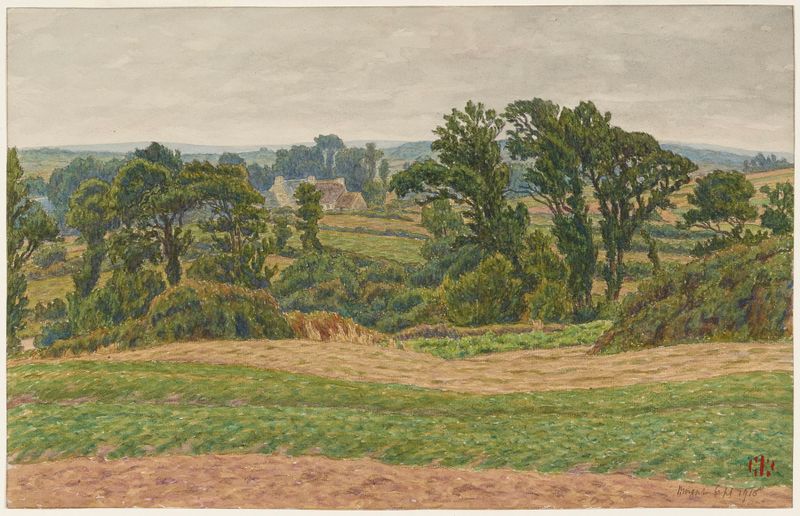
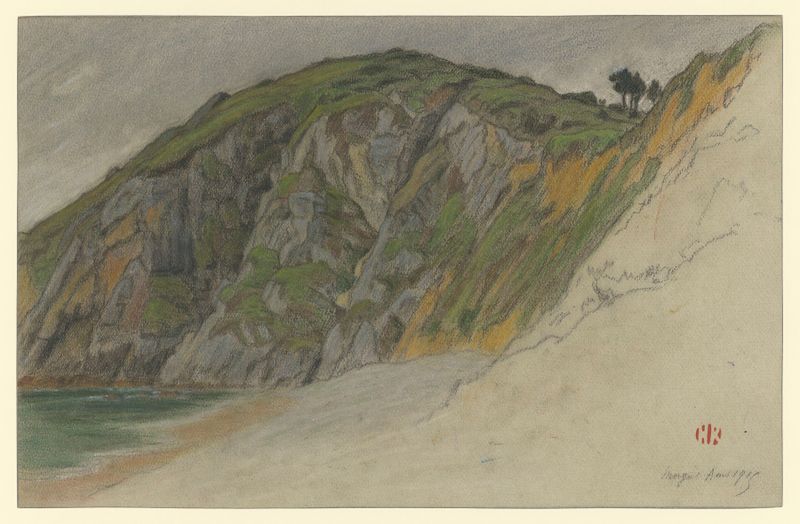
In a world often defined by noise and disorder, art serves as a bridge to transcendence, a realm where the tumult of existence finds harmony. Look closely at the delicate interplay of shades in the foreground, where muted greens and blues blend seamlessly, evoking the tranquil essence of nature. Notice how the horizon unfurls like a whisper, drawing the eye toward the soft interplay of light and shadow that defines the landscape. The brushwork, both loose and controlled, invites an exploration of texture, while the composition creates a peaceful rhythm, almost as if you can hear the breeze rustle the leaves. Beneath its serene surface, this artwork encapsulates a duality—between the fluidity of nature and the rigidity of human experience.
The contrast of the vibrant, organic forms against the subtle, almost dreamy background reflects the tension between the fleeting and the eternal. Each stroke possesses an emotional weight, inviting contemplation on life’s inherent chaos and the quest for beauty within it. Completed in 1925, the work emerged during a pivotal moment for Henri Rivière, as he sought to distill his experiences into visual poetry. Living in the post-war world of Paris, he was influenced by the movements of Impressionism and Symbolism, which shaped his desire to capture the ephemeral qualities of light and atmosphere.
In Bormes, he not only records a moment but also encapsulates a deep yearning for transcendence amidst the complexities of life.