Both’s Principle — History & Facts
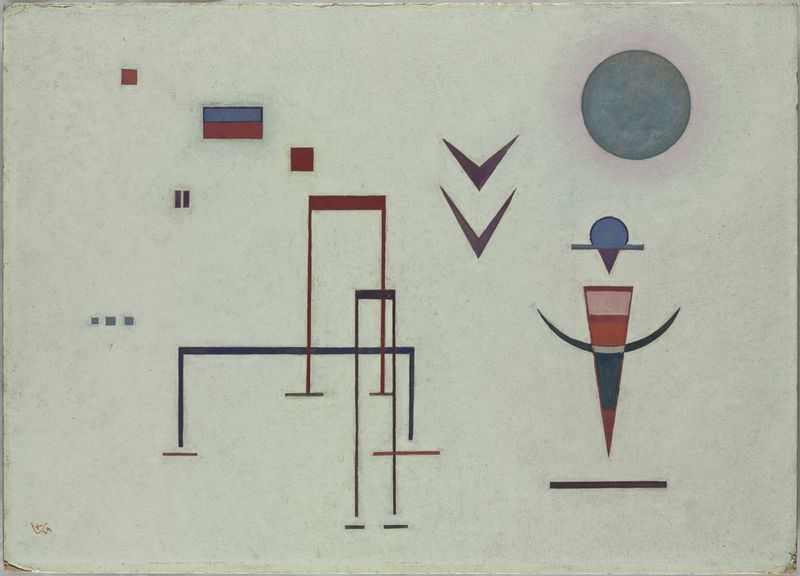
Who listens when art speaks of silence? The delicate interplay between absence and presence forms the very essence of Frank Howard's work. Look closely at the central area of the composition, where balanced forms hover in a tranquil harmony. The muted palette of earth tones and soft greys invites a meditative gaze, while subtle contrasts in texture create a tactile illusion. Notice how the light dances across the surface, revealing intricate details that beckon you deeper into the narrative of stillness and introspection.
Every brushstroke seems deliberate, each curve and angle meticulously calculated to maintain a fragile equilibrium. Within this seemingly simple arrangement lie profound tensions: the juxtaposition of geometric precision with organic softness, the stillness of the composition countered by an underlying energy. Each element speaks to the theme of balance—not just visually, but emotionally as well. Howard invites the viewer to consider the dichotomies in life: chaos and order, voice and silence, presence and absence, compelling one to seek their own equilibrium amid the noise of existence. In 1838, during a time of great experimentation and exploration in the art world, Howard crafted this piece while navigating his personal journey as an artist.
Working in an era defined by Romanticism yet influenced by emerging modernist ideas, he sought to distill complexities into pure form, reflecting both his inner struggles and the shifting paradigms of his time. This artwork stands as a testament to his understanding of art as a silent yet powerful dialogue.
More Artworks by Frank Howard
Browse all →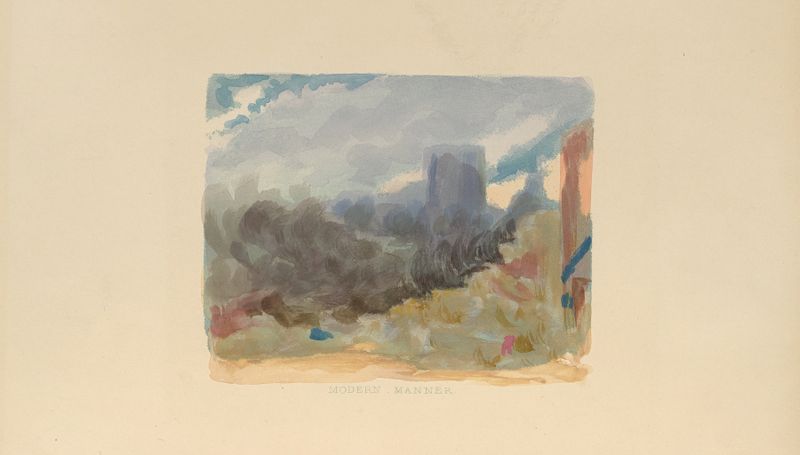
Modern Manner
Frank Howard
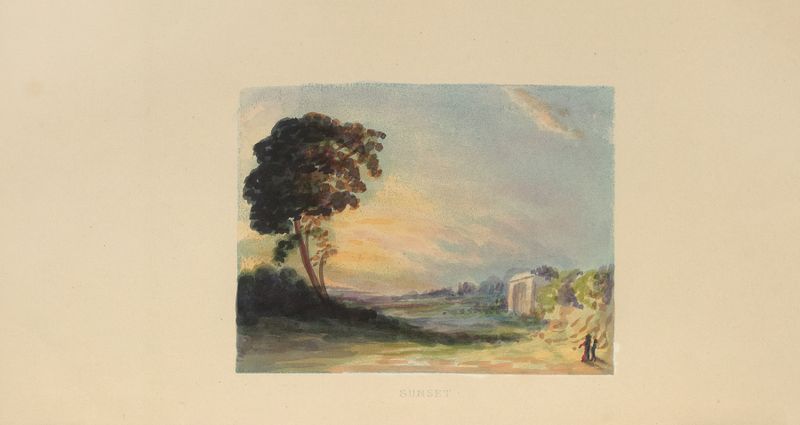
Sunset
Frank Howard
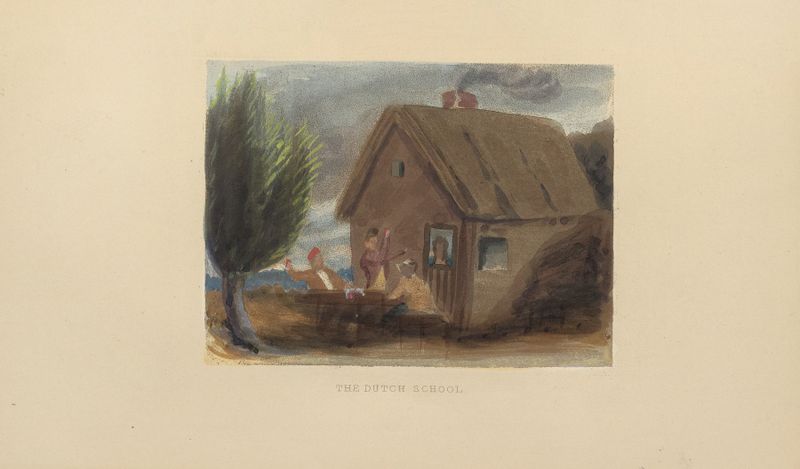
The Dutch School
Frank Howard
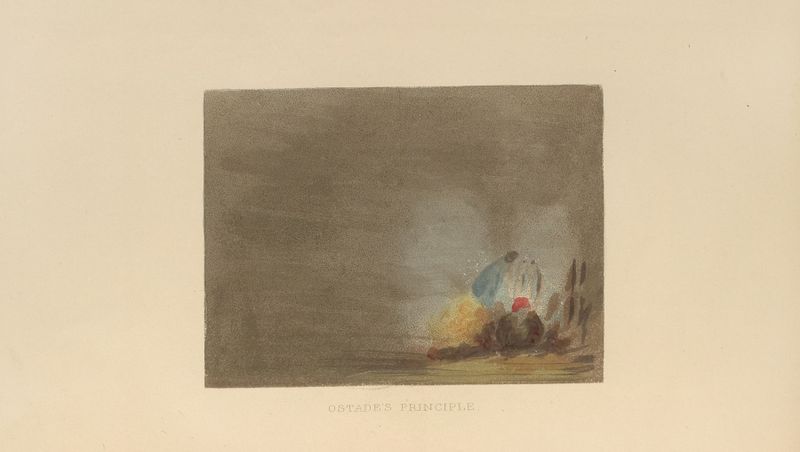
Ostade’s Principle
Frank Howard
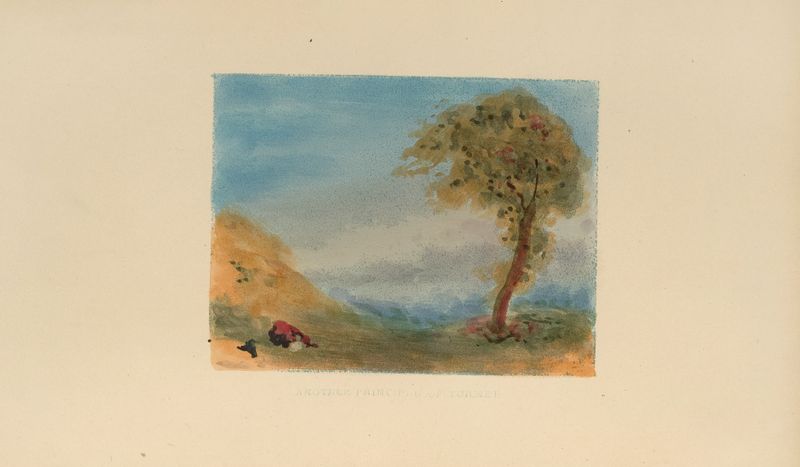
Another Principle of Turner
Frank Howard
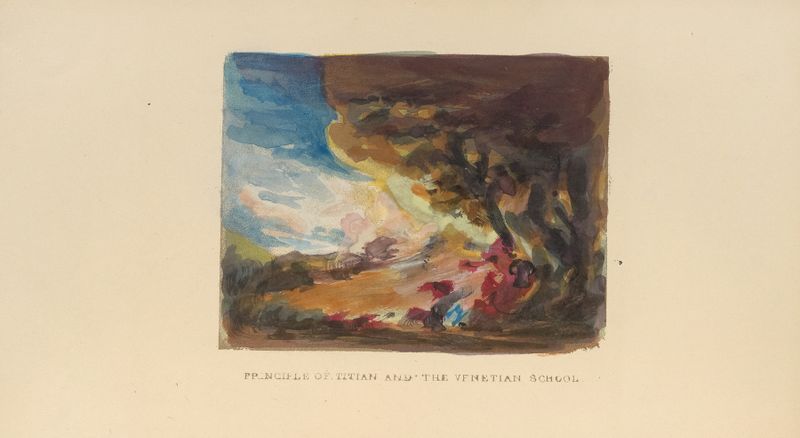
Principle of Titian and the Venetian School
Frank Howard
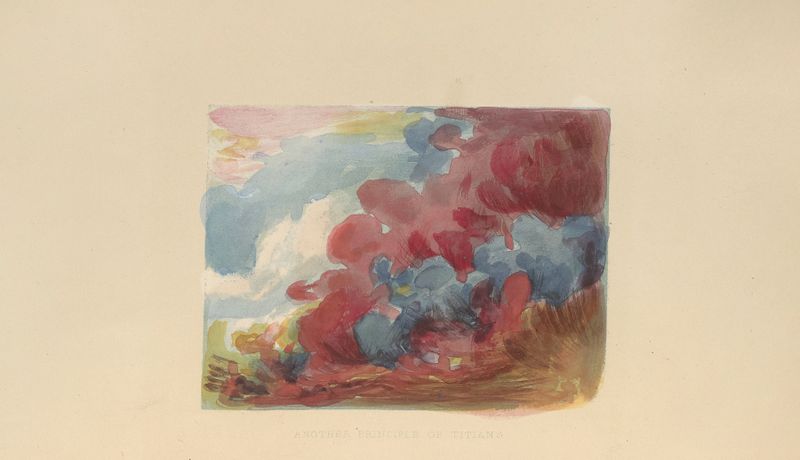
Another Principle of Titian
Frank Howard
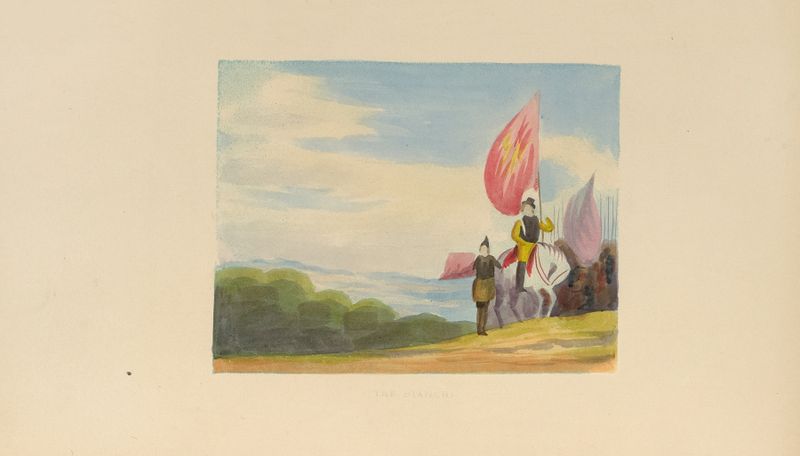
The Bianchi
Frank Howard
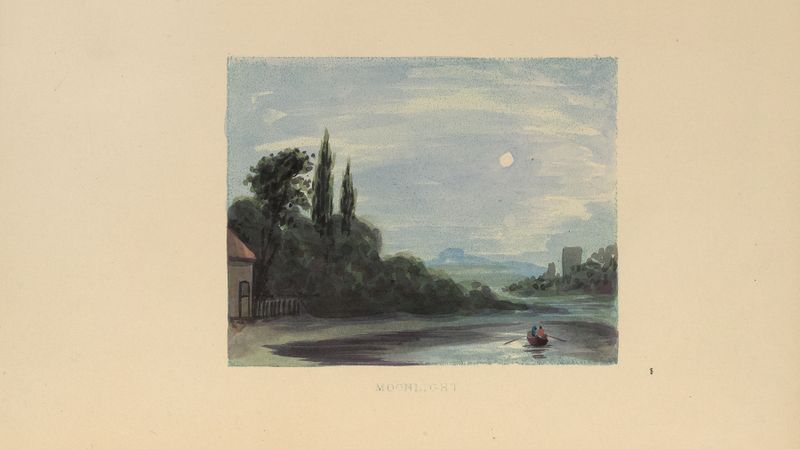
Moonlight
Frank Howard
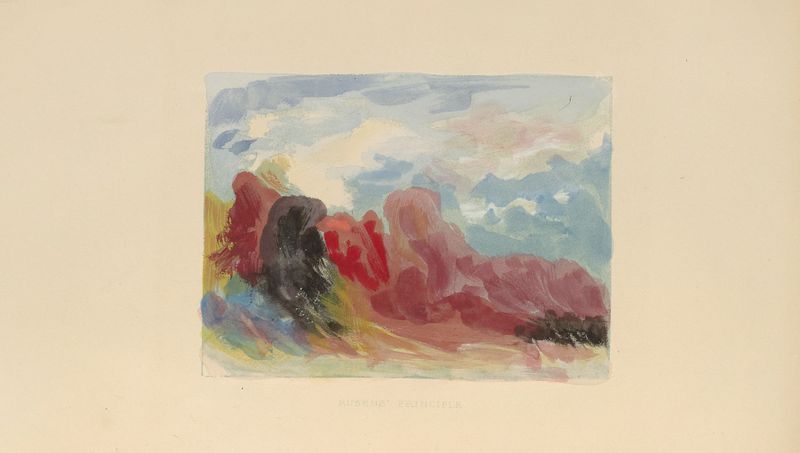
Ruben’s Principle
Frank Howard