
Boulevard Chauvelot (1er tronçon) — History & Facts
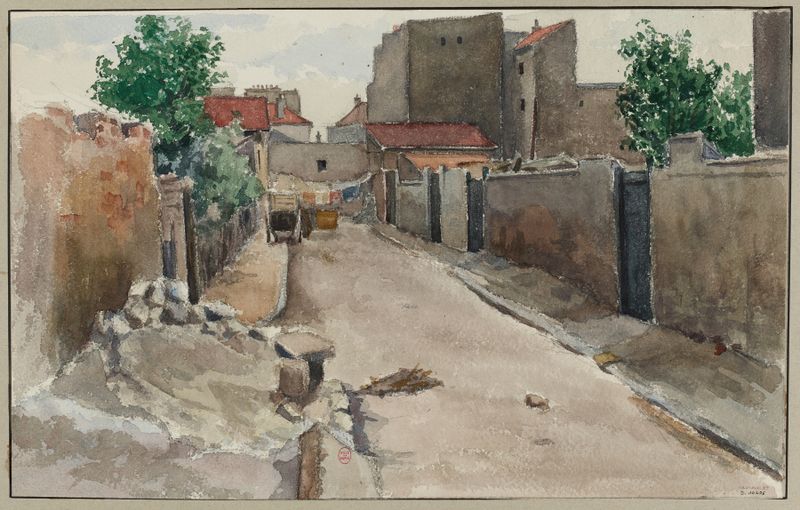
What secret hides in the quiet of the canvas? In the stillness of Boulevard Chauvelot (1er tronçon, the mundane unfolds, inviting reflection on innocence and the memories that linger in the unremarkable. Look to the left where the gentle curve of the boulevard unfurls, drawing your eye toward the distant horizon. Here, muted earth tones blend with soft greens and hints of blue, evoking a sense of calm amidst the urban setting. Notice how the dappled light filters through the trees, casting playful shadows on the cobblestones, while figures stroll casually along the path.
Every brushstroke feels intentional, revealing the artist’s meticulous attention to both detail and atmosphere, encapsulating a moment in time. Beneath the surface, an emotional tension emerges from the juxtaposition of nature and civilization. The trees stand sentinel, a testament to innocence and shelter, while the human presence hints at the transient nature of life. Each passerby, seemingly absorbed in thought, reflects the innocence of daily routines, yet their anonymity begs the question of what stories they carry.
This duality between the serene and the bustling evokes nostalgia, suggesting that even in the midst of progress, moments of quiet reflection persist. In 1896, Séguin painted this work amid the burgeoning Impressionist movement, which was reimagining the boundaries of art. Living in Paris, he was inspired by the changing cityscape, capturing its essence while also subtly critiquing the rapid urbanization around him. As the world embraced modernity, his focus on the innocence of simple scenes offered a poignant counterpoint, inviting viewers to pause and appreciate the beauty in everyday life.
More Artworks by F. Séguin
Browse all →
Rue Brantôme. (anciennement rue des Petits Champs donnant rue Saint Martin et rue Beaubourg)
F. Séguin
La rue de Chambéry, prise de la rue de Nice la Frontière
F. Séguin
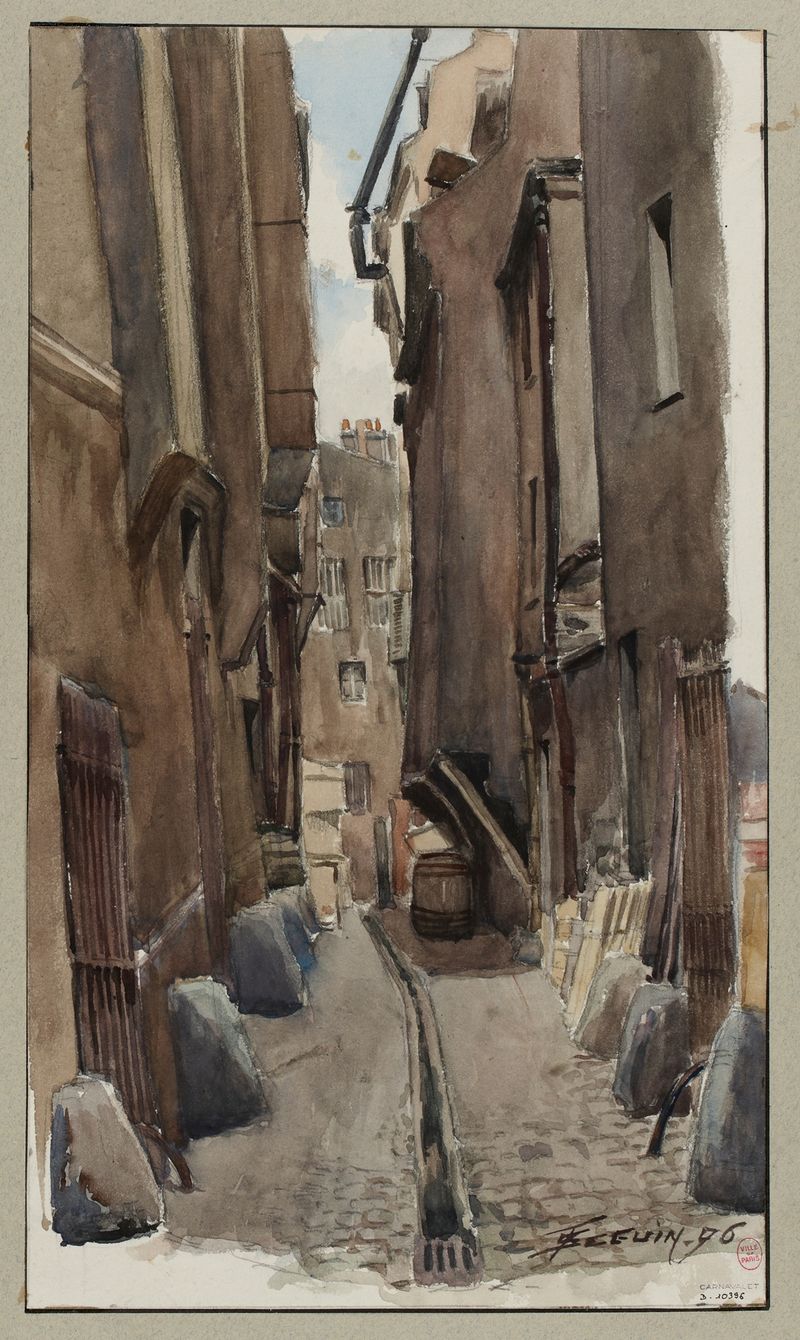
Le Cul de sac du Bœuf, (rue Saint Merri)
F. Séguin

Rue Descartes
F. Séguin
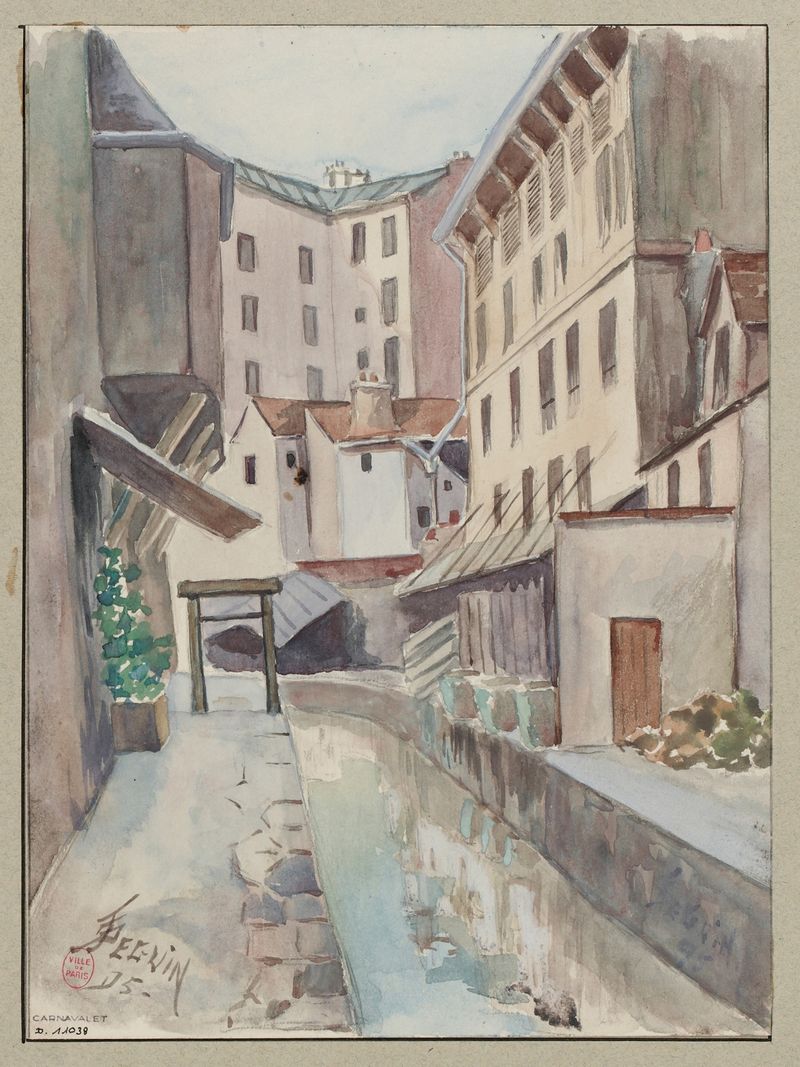
Le bord de la Bièvre à l’avenue des Gobelins
F. Séguin

Villa des Otages mur où furent fusillés les 52 derniers otages de la Commune, rue Haxo
F. Séguin
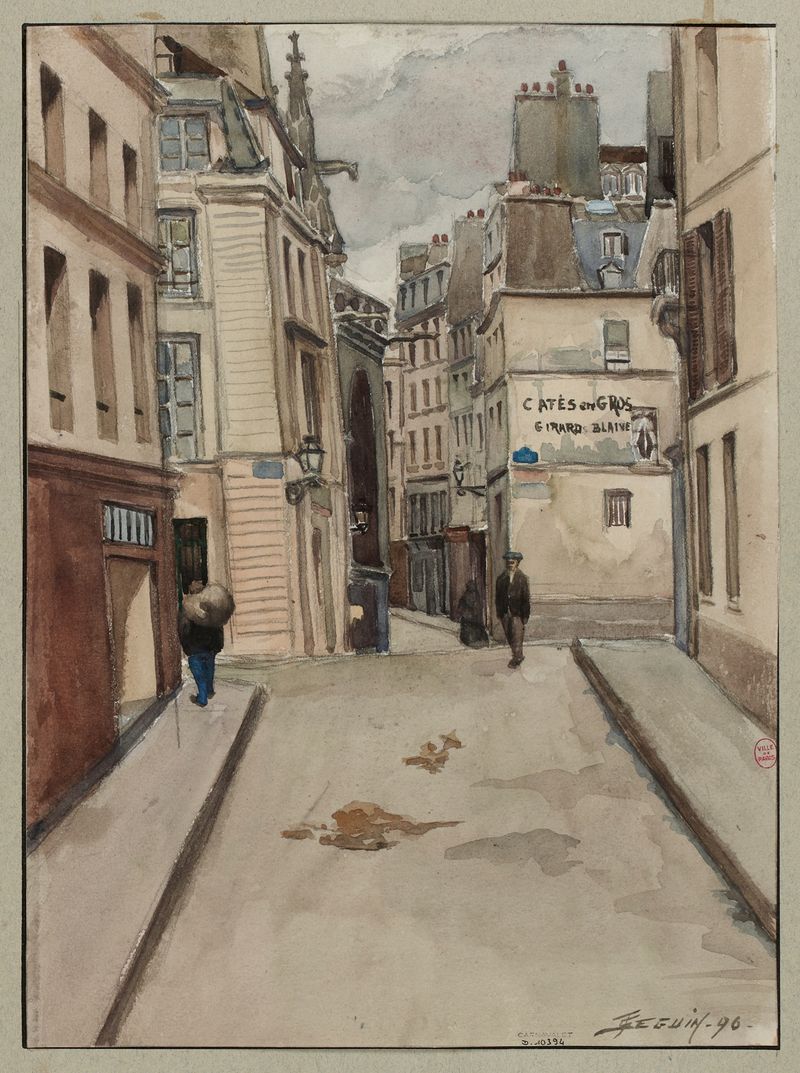
Rue du Cloître Saint Mérry, de la rue du Renard à la rue Saint Martin
F. Séguin
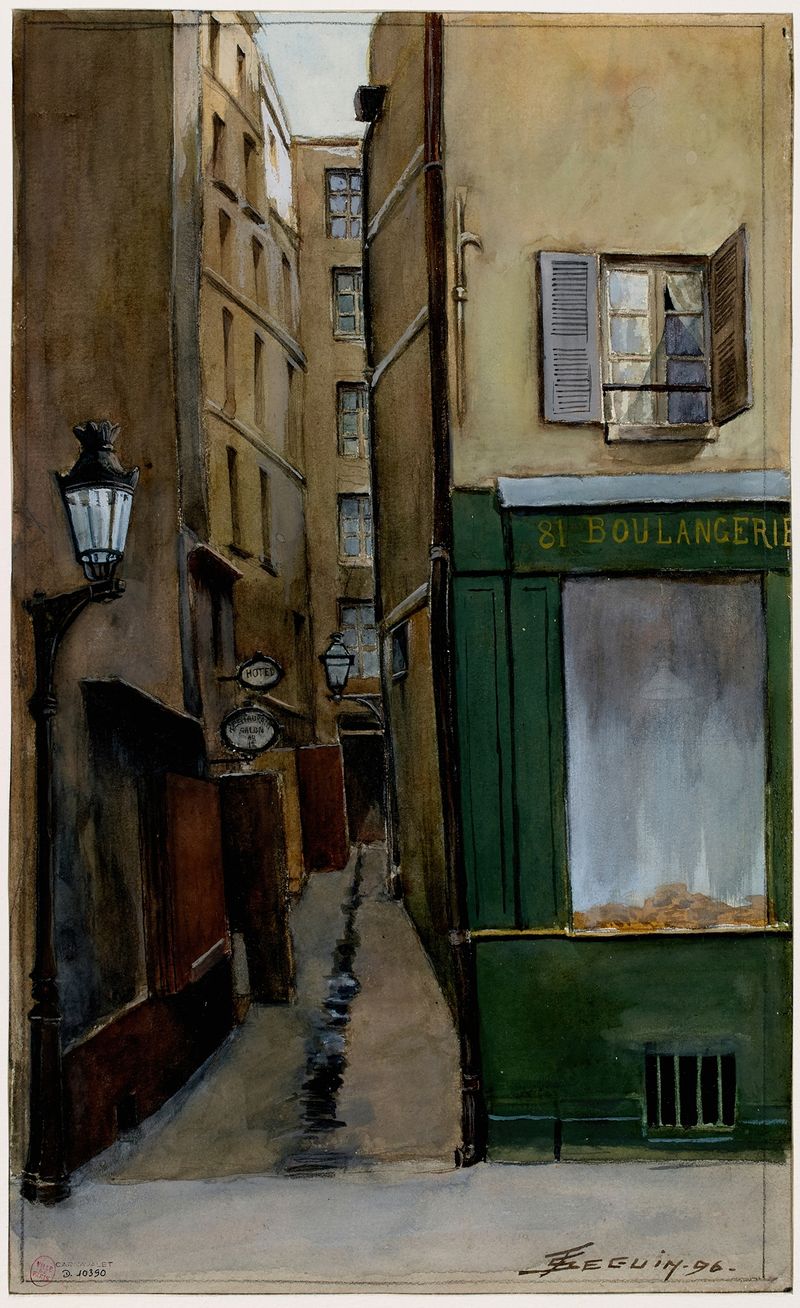
Cul de sac du Fiacre, 81 rue Saint Martin
F. Séguin
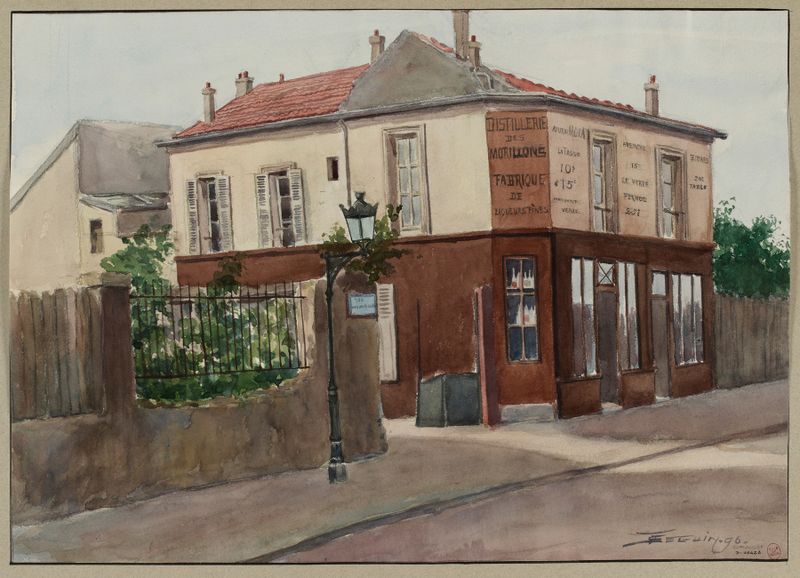
Angle de l’impasse Carlier et au 24 rue des Morillons, Vaugirard
F. Séguin
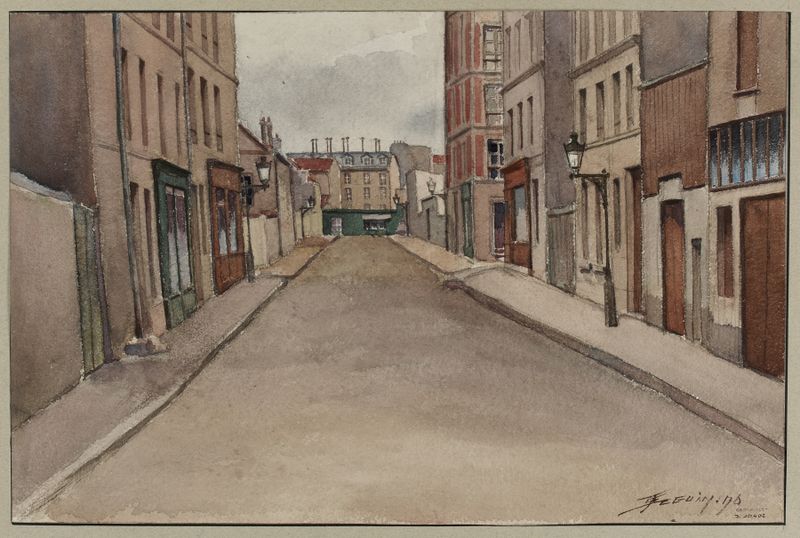
Rue Franquet
F. Séguin





