
Boulevard Chauvelot (2è tronçon). — History & Facts
In a world saturated with turmoil, is it possible to find faith amidst the cacophony of existence? Focus on the gentle curves of the boulevard, where the trees seem to sway in unison, creating a delicate rhythm across the canvas. Notice how the light spills over the path, illuminating the subtle dappled shades of green and brown that vibrate with life. The soft brushstrokes intertwine to form an inviting atmosphere, a sanctuary where nature and the urban landscape converge.
The artist employs a palette that balances warm earth tones with vibrant bursts of color, drawing the eye toward the bustling life that hints at stories untold. Hidden within the scene is a palpable tension between the natural and the constructed. The towering trees stand as guardians over the boulevard, a reminder of nature's endurance amid human encroachment. Each figure lost in their own moment suggests a communion with the environment, embodying a faith that binds them to this place.
As the viewer's gaze wanders, a deeper understanding of coexistence unfolds, revealing the harmony that can emerge from chaos. F. Séguin painted Boulevard Chauvelot (2è tronçon) in 1896, during an era of rapid urbanization in Paris. At this time, the Impressionist movement was gaining momentum, allowing artists to explore innovative techniques and perceptions of light.
Séguin, immersed in this vibrant artistic community, sought to capture the essence of modern life while paying homage to the beauty of nature — a reflection of his own quest for balance amidst the changing world.
More Artworks by F. Séguin
Browse all →
Rue Brantôme. (anciennement rue des Petits Champs donnant rue Saint Martin et rue Beaubourg)
F. Séguin
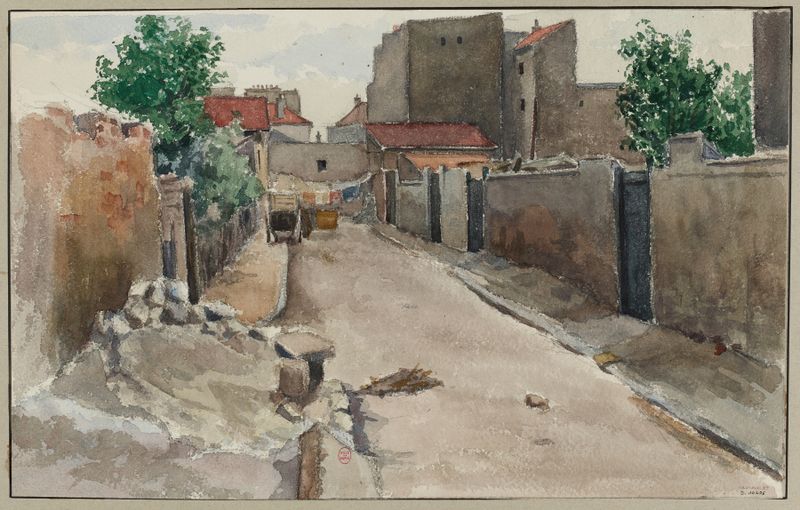
La rue de Chambéry, prise de la rue de Nice la Frontière
F. Séguin
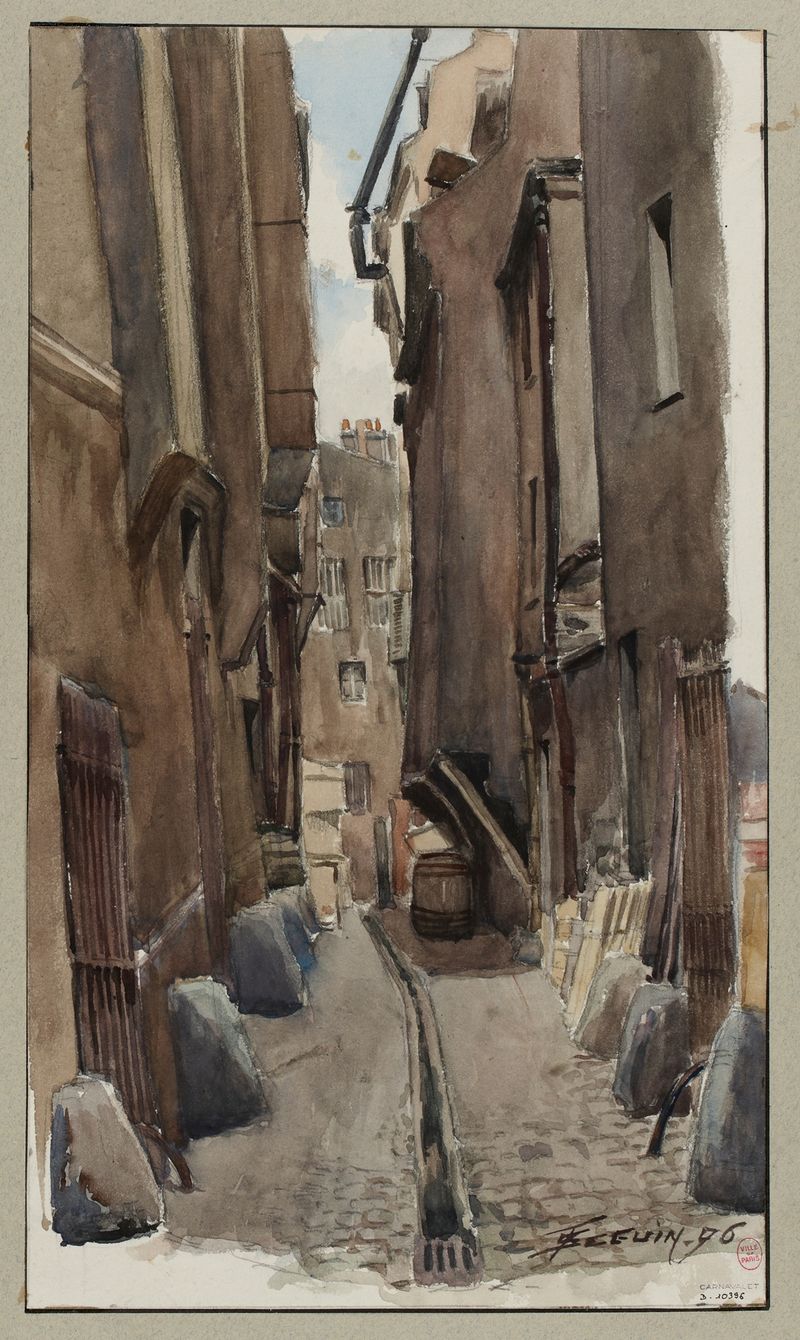
Le Cul de sac du Bœuf, (rue Saint Merri)
F. Séguin

Rue Descartes
F. Séguin
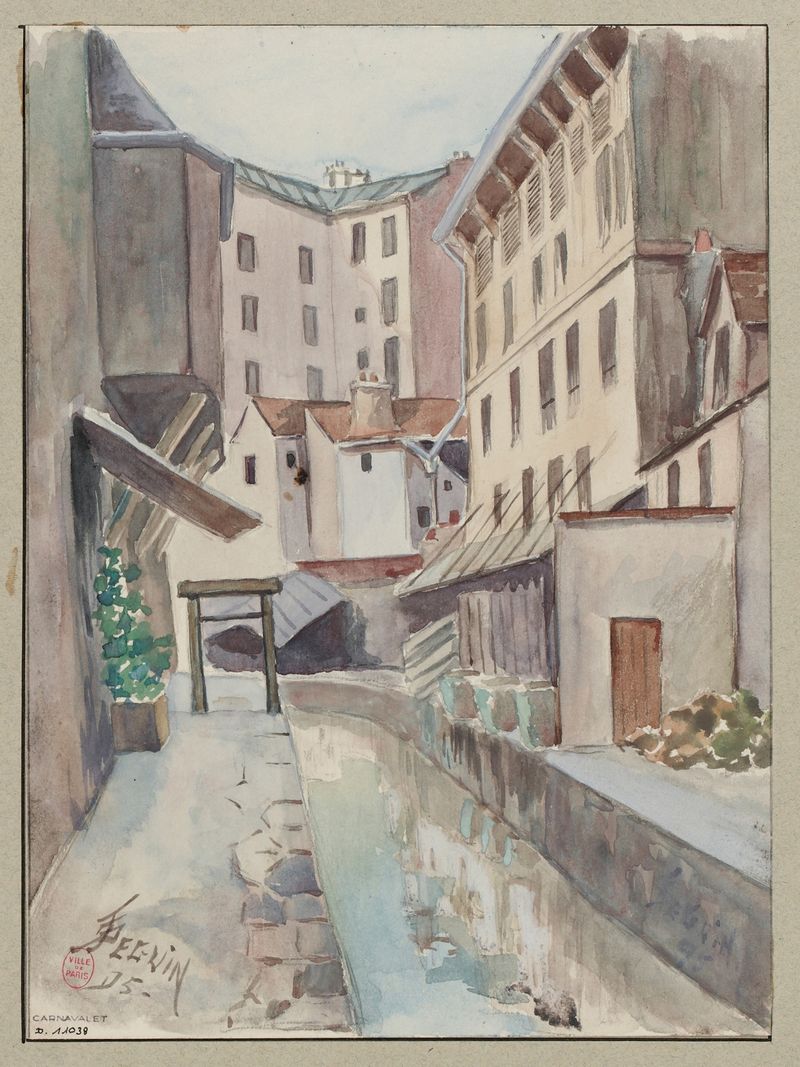
Le bord de la Bièvre à l’avenue des Gobelins
F. Séguin

Villa des Otages mur où furent fusillés les 52 derniers otages de la Commune, rue Haxo
F. Séguin
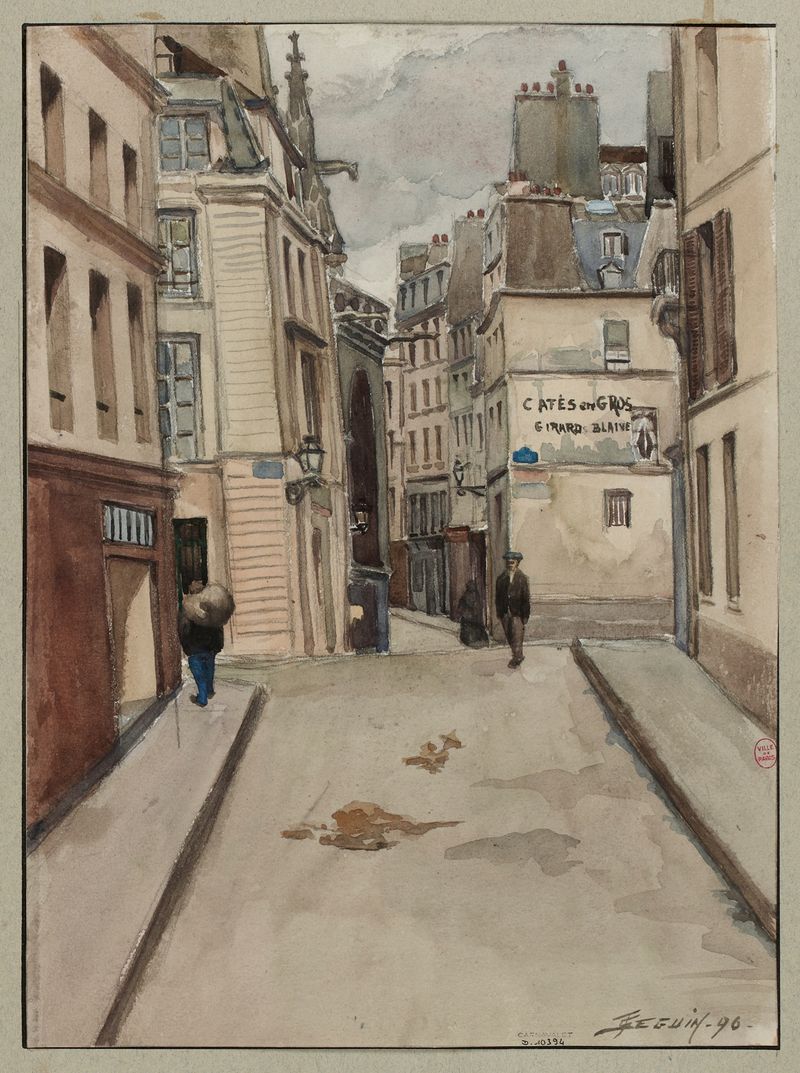
Rue du Cloître Saint Mérry, de la rue du Renard à la rue Saint Martin
F. Séguin
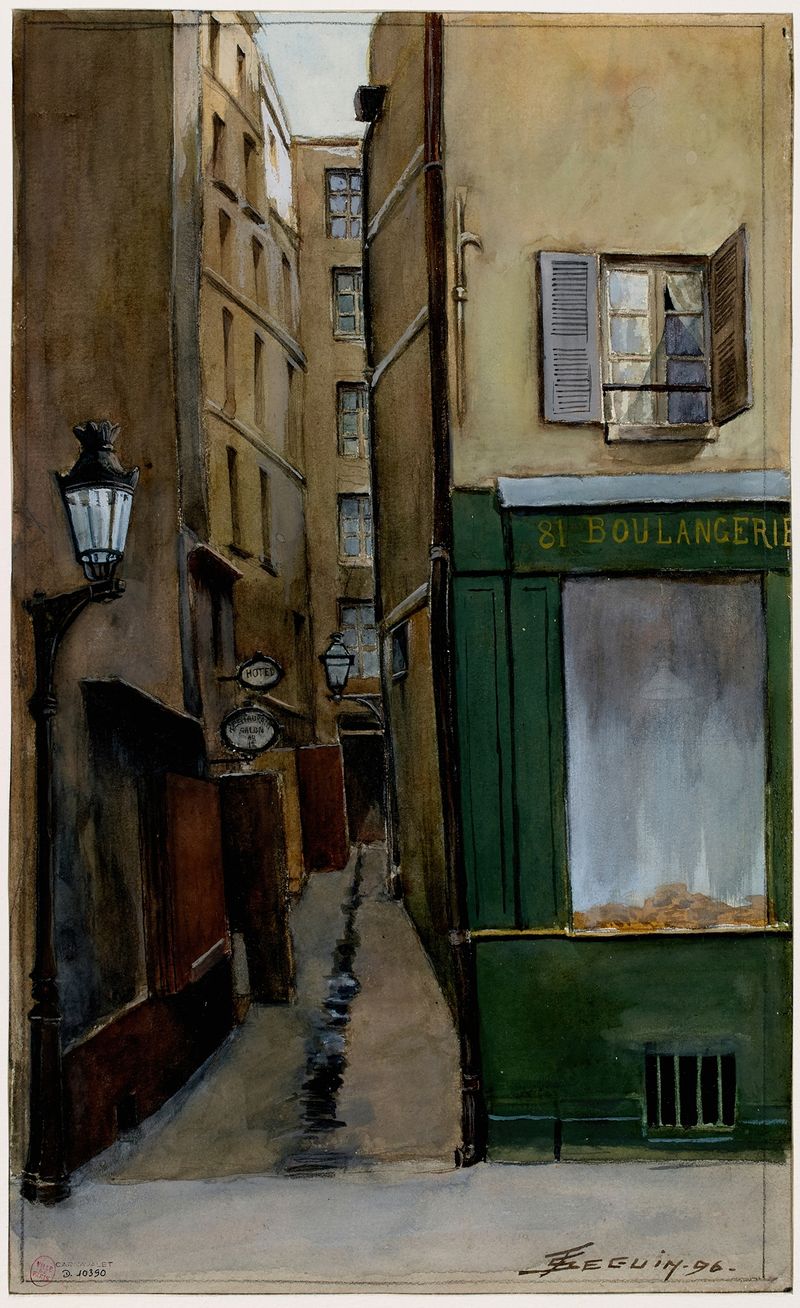
Cul de sac du Fiacre, 81 rue Saint Martin
F. Séguin
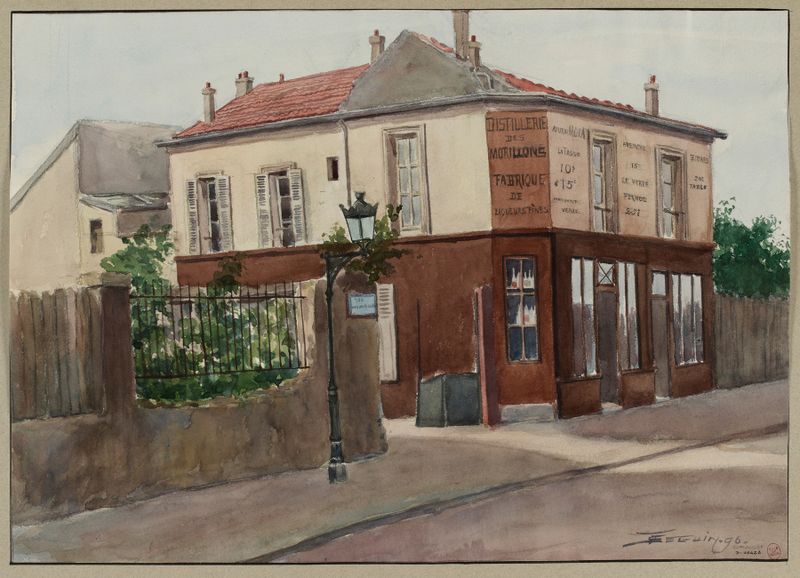
Angle de l’impasse Carlier et au 24 rue des Morillons, Vaugirard
F. Séguin
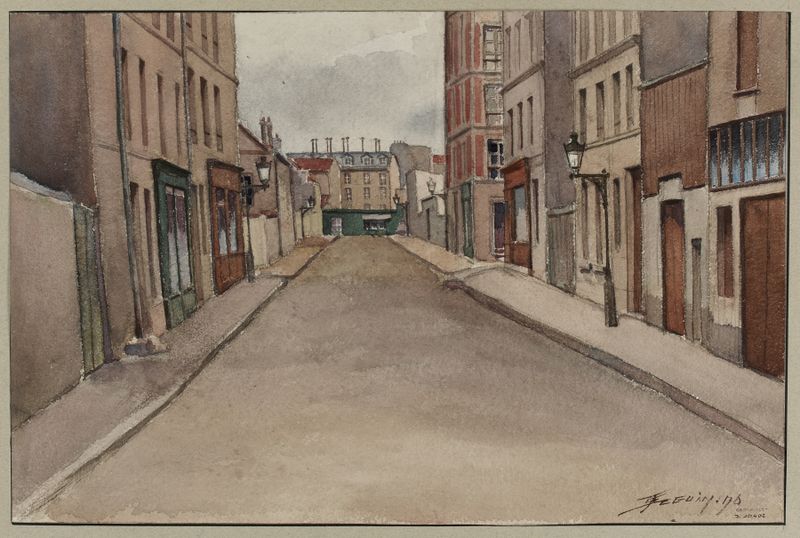
Rue Franquet
F. Séguin





