
Bouquet de bouleaux et chaumières — History & Facts
Who listens when art speaks of silence? In Bouquet de bouleaux et chaumières, a delicate awakening unfolds—a symphony of nature and human dwellings, whispering secrets of coexistence. Look to the left at the towering birch trees, their slender trunks reaching gracefully upward, dappled sunlight filtering through the leaves. The gentle brushstrokes create a soft interplay of greens and golds, inviting the viewer’s gaze along the meandering path that leads to quaint cottages nestled in the background. Notice how the light falls upon the thatched roofs, illuminating their warm textures, while the surrounding foliage encircles them like a protective embrace. Within this serene landscape lies a contrast between the wild and the cultivated.
The birch trees, symbols of resilience and renewal, stand steadfast against the backdrop of human habitation, hinting at nature’s omnipresence even in domesticated spaces. The quietude of the scene invites reflection on the passage of time — a reminder of seasons changing, life continuing, and the delicate balance between human presence and the natural world. Jean-François Taelemans painted this piece in 1908, during a period of increasing interest in Impressionism and a burgeoning exploration of the natural world in art. Residing in Belgium, he was part of a movement that sought to capture the essence of daily life and landscapes, responding to the contemporary shifts in society and art.
This work reflects his immersion in the beauty of his surroundings and the emerging dialogue between nature and man.
More Artworks by Jean-François Taelemans
Browse all →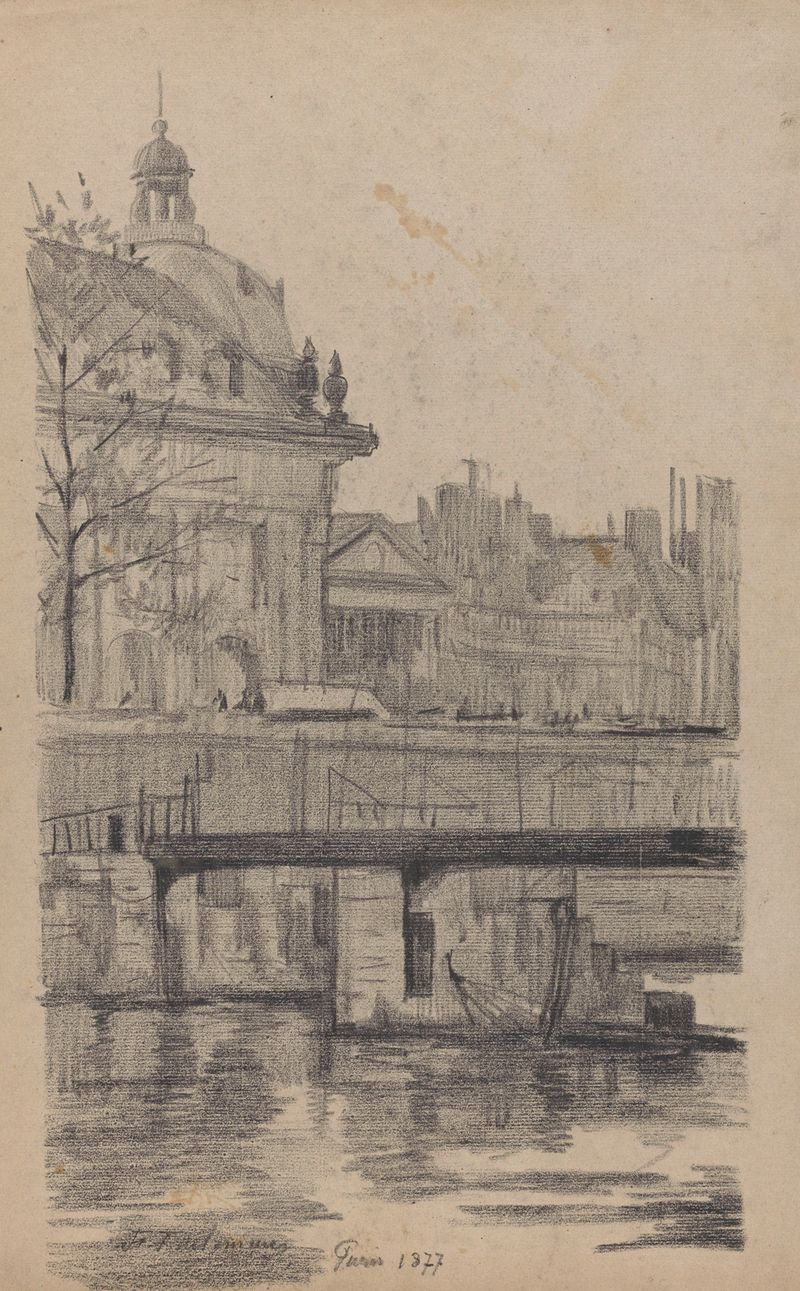
Paris (vue de la Seine et du Collège des Quatre Nations (actuellement siège de l’Institut de France)
Jean-François Taelemans
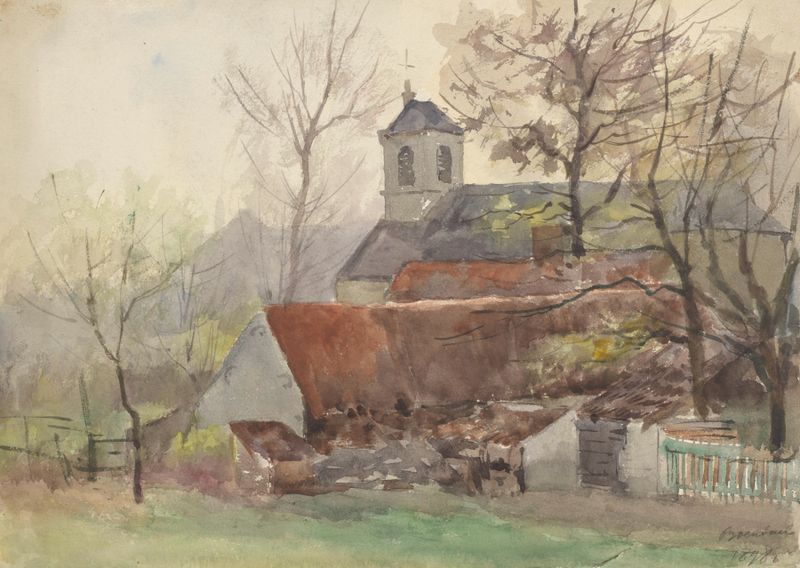
Boendael (église)
Jean-François Taelemans
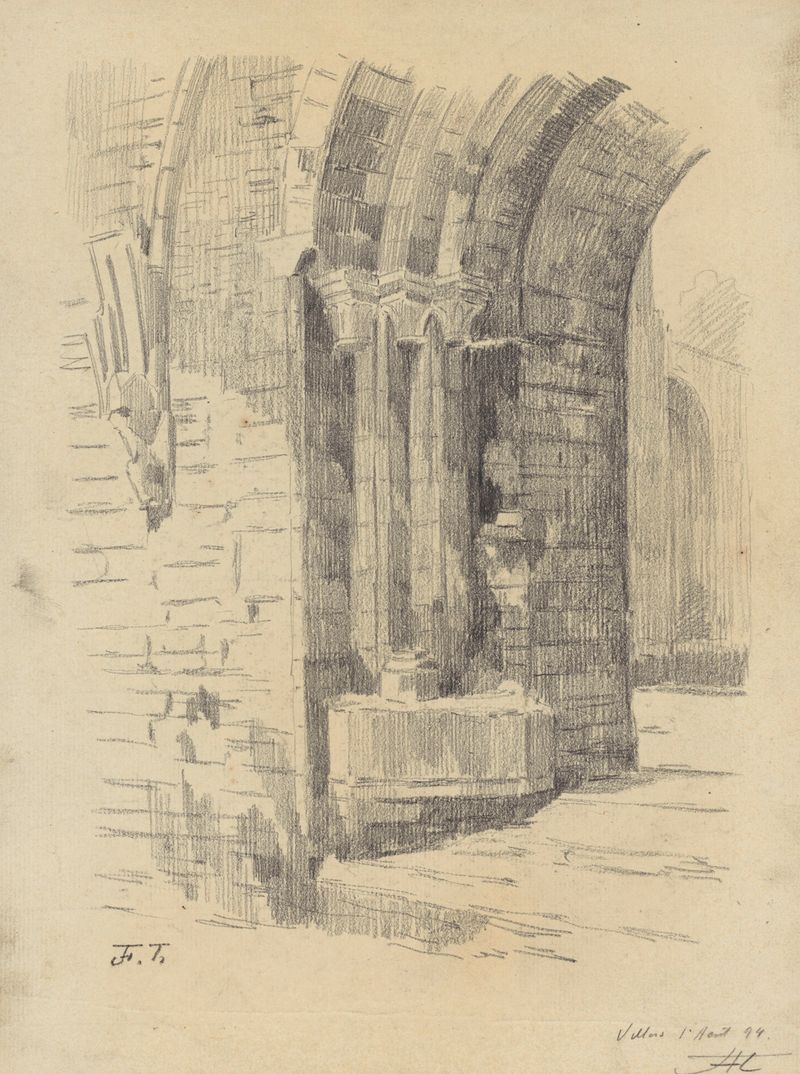
Ruines de l’abbaye de Villers-la-Ville – porche entre le cloître et l’église abbatiale (côté droit)
Jean-François Taelemans
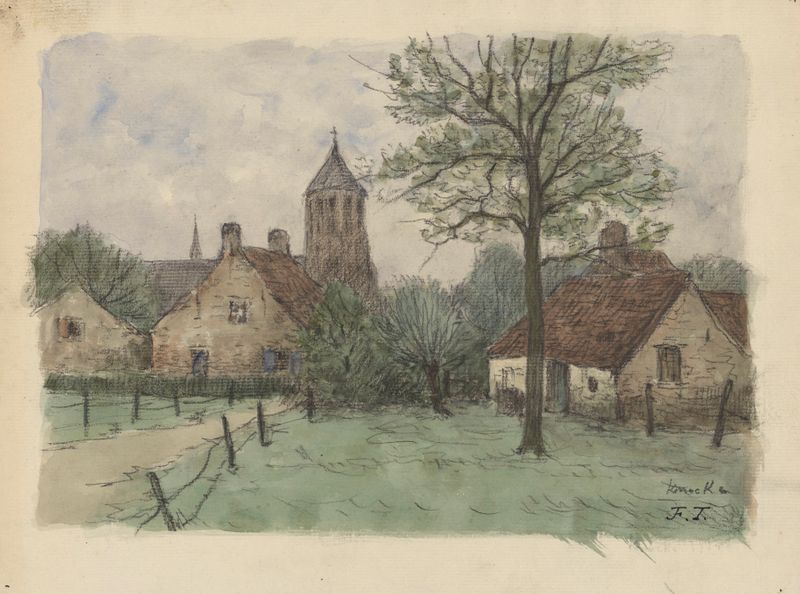
Village et église Sint Margaretha à Knocke
Jean-François Taelemans
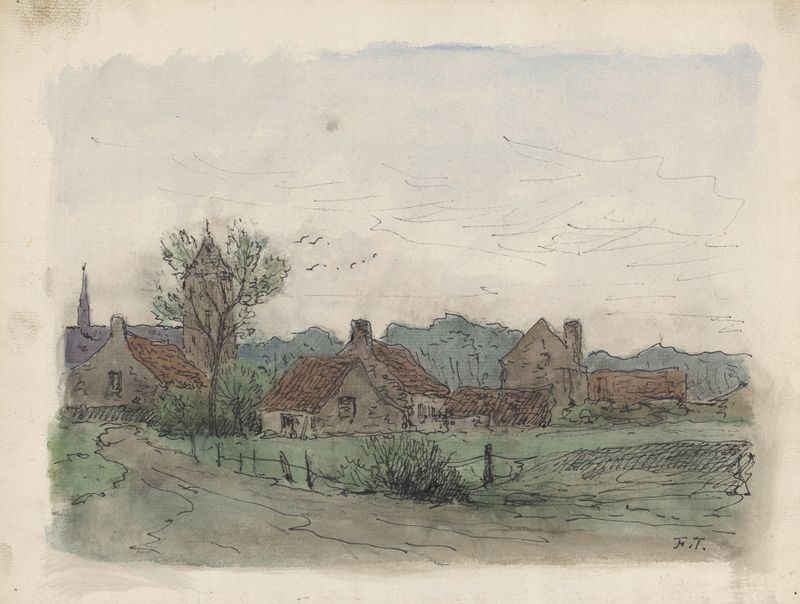
Village
Jean-François Taelemans
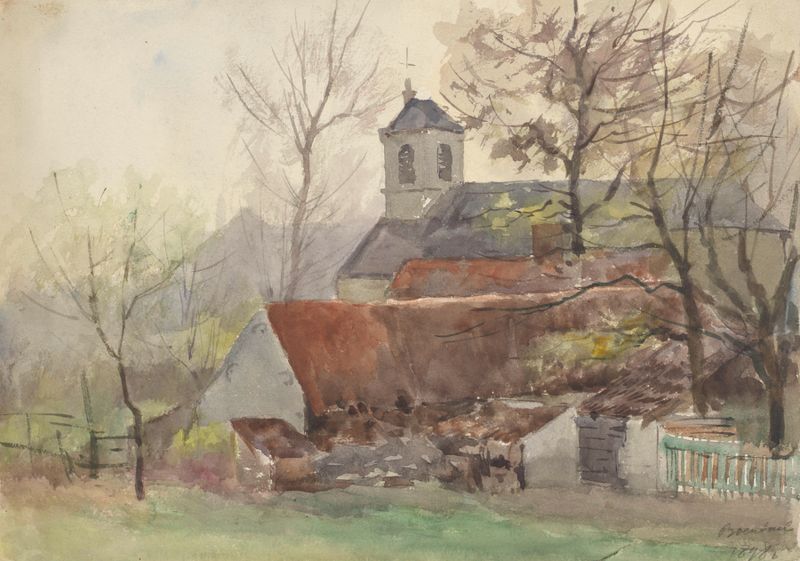
Boendael (église)
Jean-François Taelemans
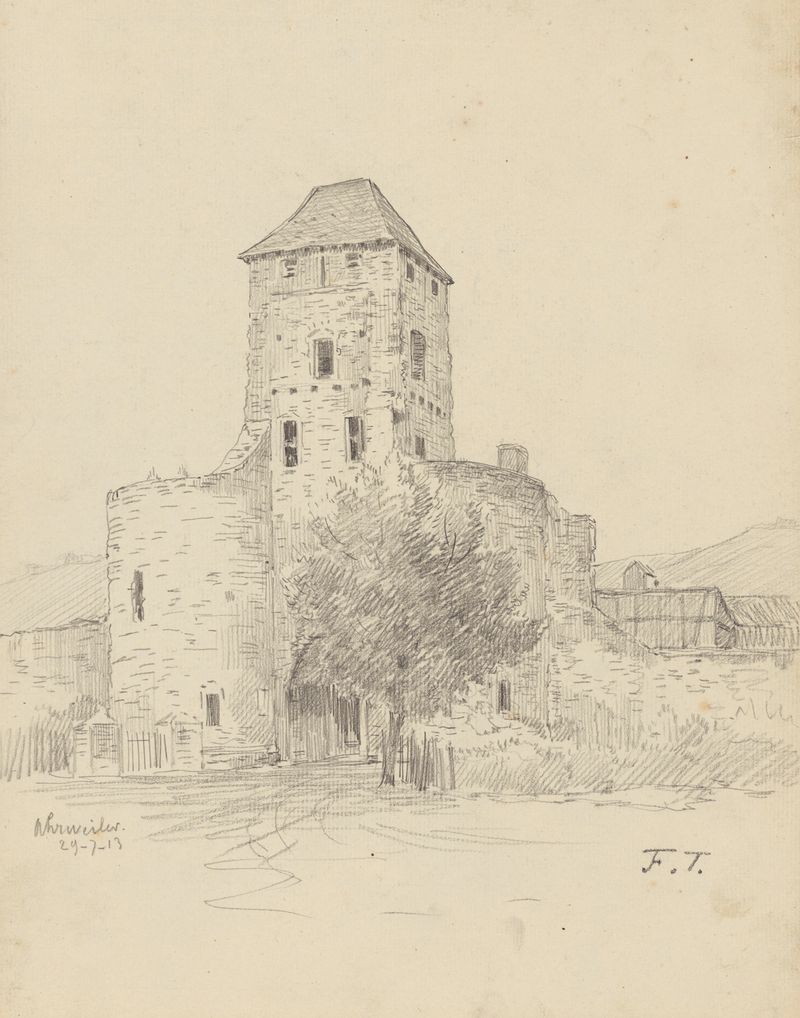
Vieille tour (porte) à Ahrweiler (Allemagne)
Jean-François Taelemans
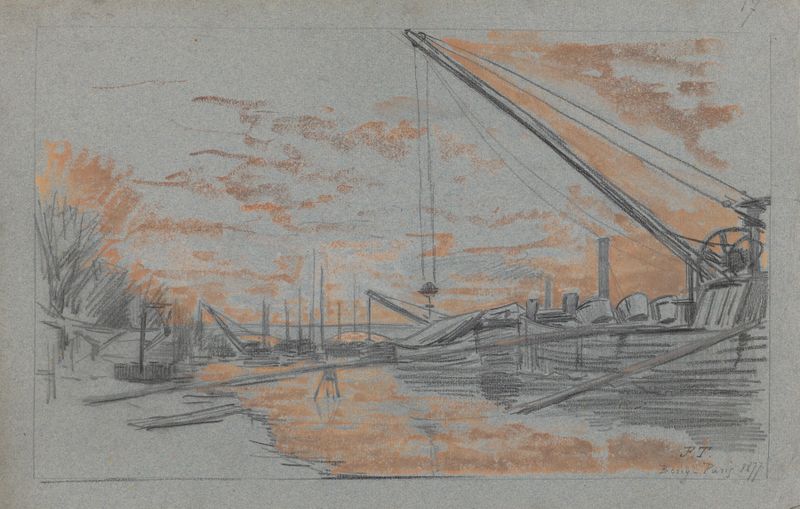
Bercy – Paris (bord de Seine avec chalands à l’ancre en cours de chargement, soleil couchant)
Jean-François Taelemans
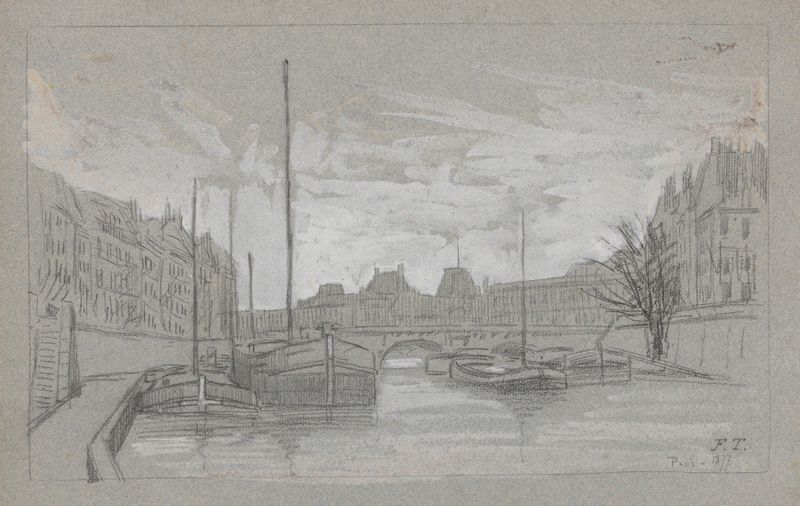
Paris (bateaux sur la Seine près d’un pont)
Jean-François Taelemans
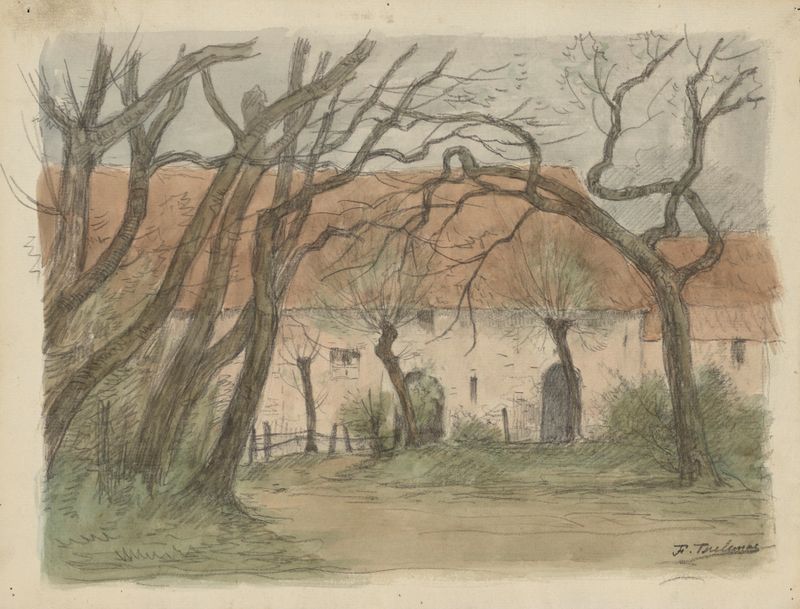
Grande maison campagnarde derrière un bouquet d’arbres
Jean-François Taelemans





