
Boy and Angel — History & Facts
A single gesture commands the scene: the angel’s outstretched arm, palm open, halts the eye and sets the tone. The boy stands quietly in the angel’s shadow, his gaze steady and almost dreamlike, as if listening for something just beyond the frame. The golden drapery of the angel’s robe spills across the canvas, its folds painted with a loose, almost urgent hand, while the boy’s simple tunic and clasped hands ground the moment in innocence.
Light pools on the boy’s face and hair, drawing us first to him, then up to the angel’s protective arm, before dissolving into the darkness behind. The palette is earthy and muted, but the brushwork is alive with movement, especially in the angel’s sleeve and the indistinct background—a world half-seen, half-imagined. Painted in 1918, Boy and Angel belongs to a moment when American artists like Abbott Handerson Thayer turned to spiritual themes, searching for reassurance in a world shaken by war and change. Thayer, known for his fascination with angels and guardianship, often blurred the line between the earthly and the divine, reflecting a widespread hunger for comfort and meaning in the early twentieth century.
Such works were rarely commissioned for churches; instead, they found their place in private homes and public galleries, where viewers could contemplate their own need for protection. Today, housed in the Albright-Knox collection, this painting invites us to linger in its quiet tension—where the supernatural and the everyday meet, and the promise of shelter is as fragile as a gesture.
More Artworks by Abbott Handerson Thayer
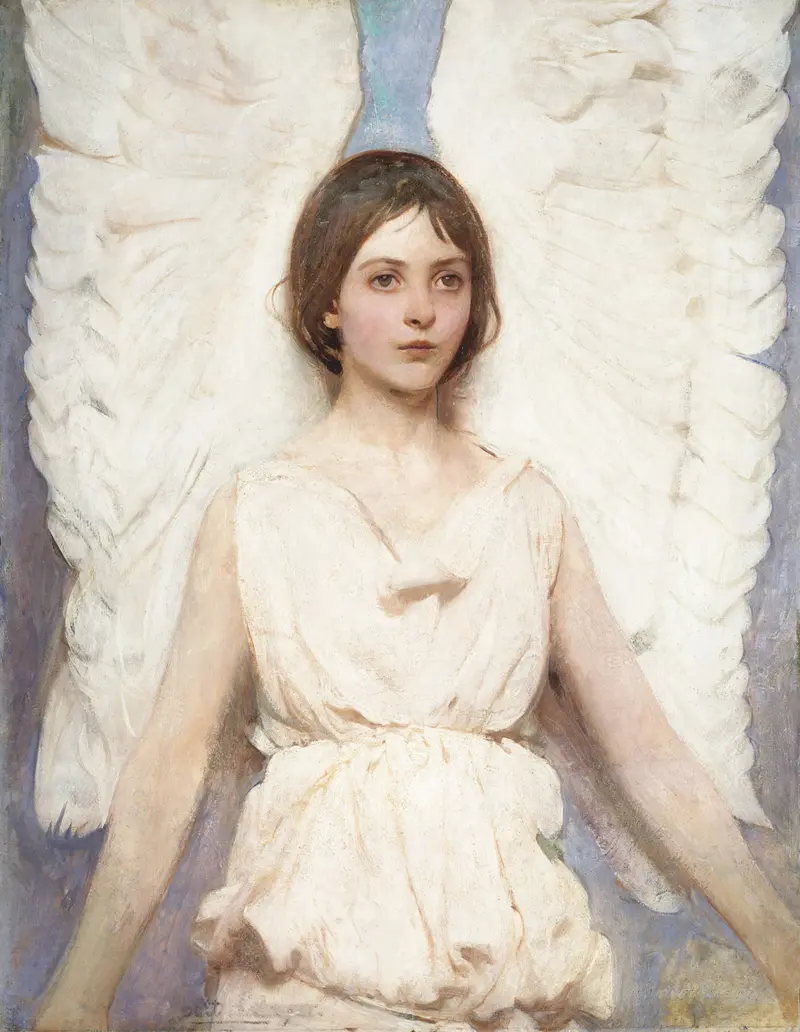
Angel
Abbott Handerson Thayer

Mount Monadnock
Abbott Handerson Thayer
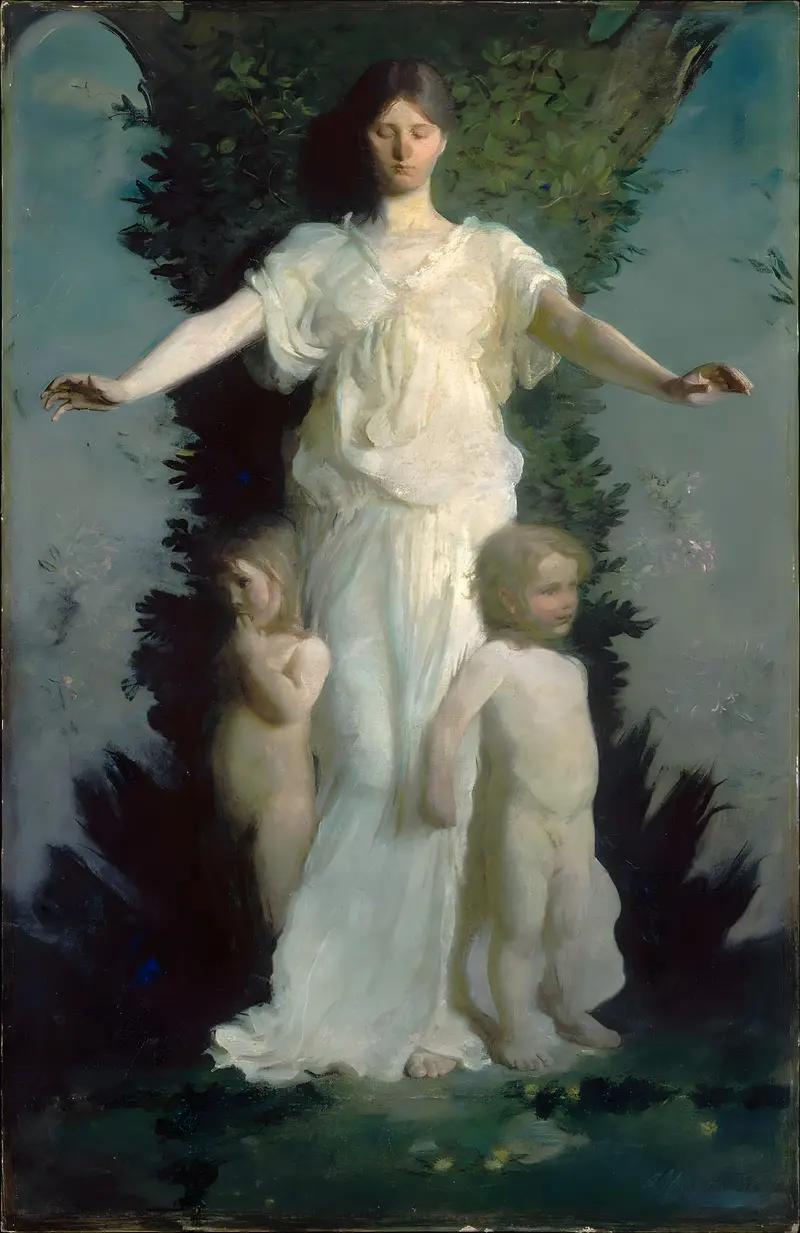
Caritas
Abbott Handerson Thayer

Winter, Monadnock
Abbott Handerson Thayer
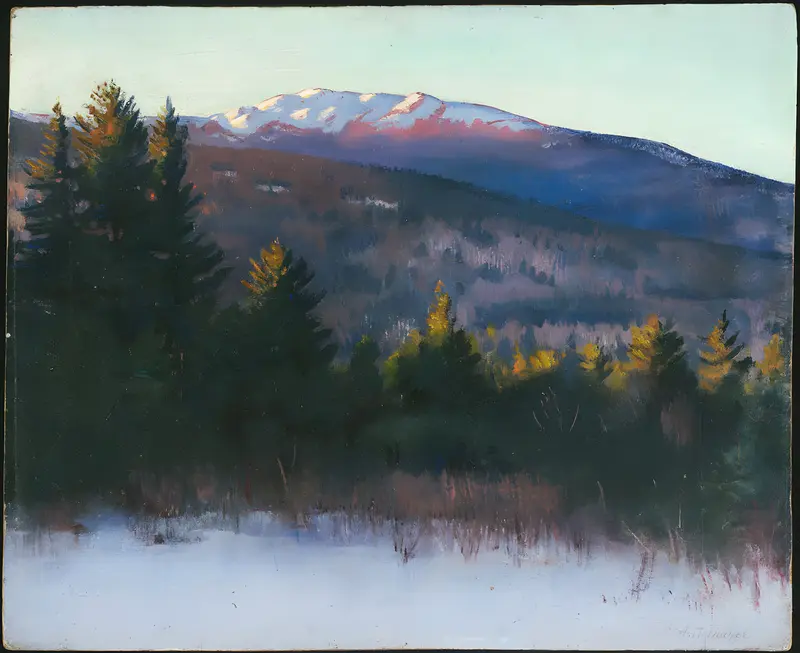
Mount Monadnock
Abbott Handerson Thayer
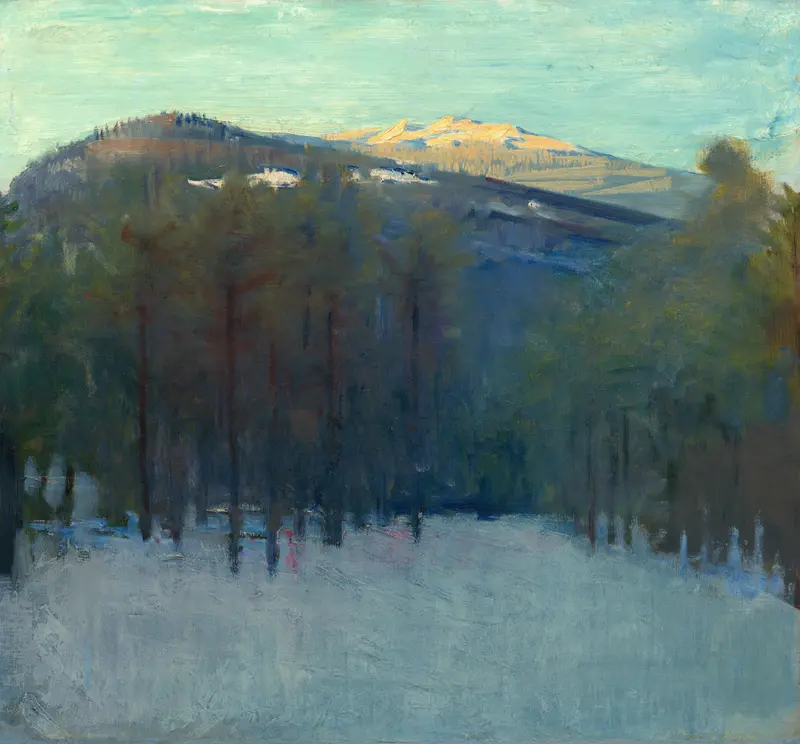
Mount Monadnock
Abbott Handerson Thayer
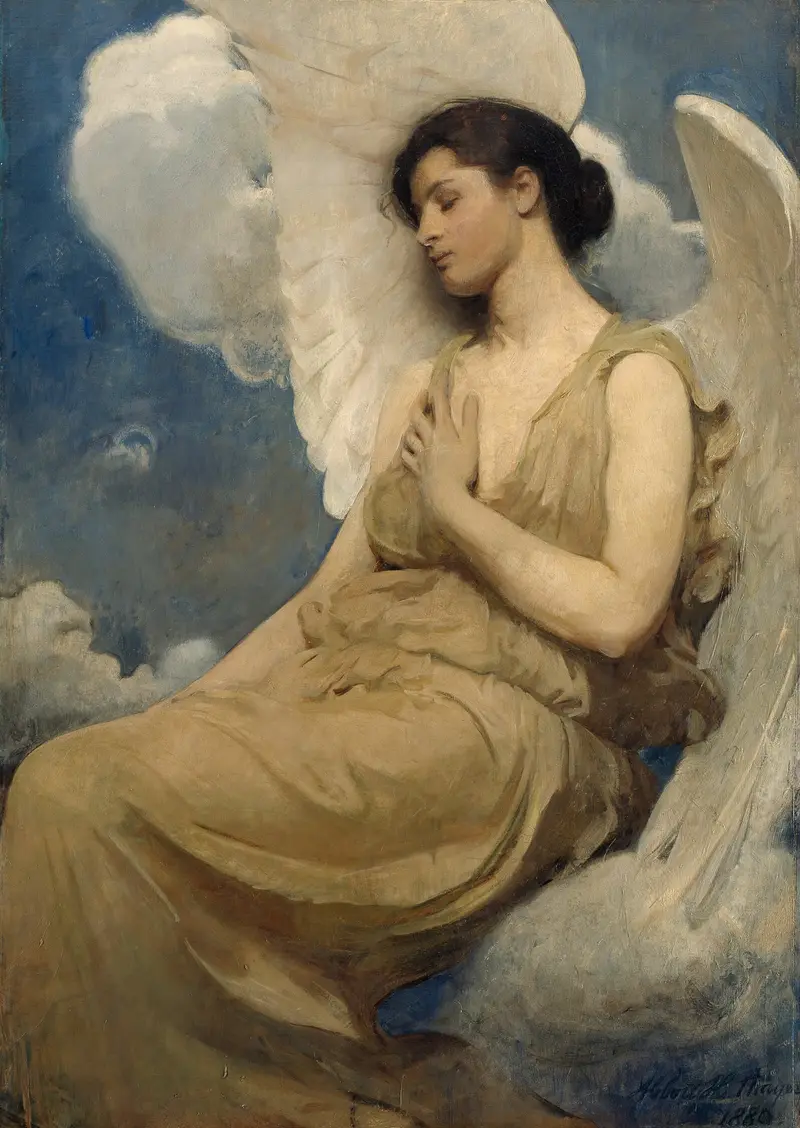
Winged Figure
Abbott Handerson Thayer
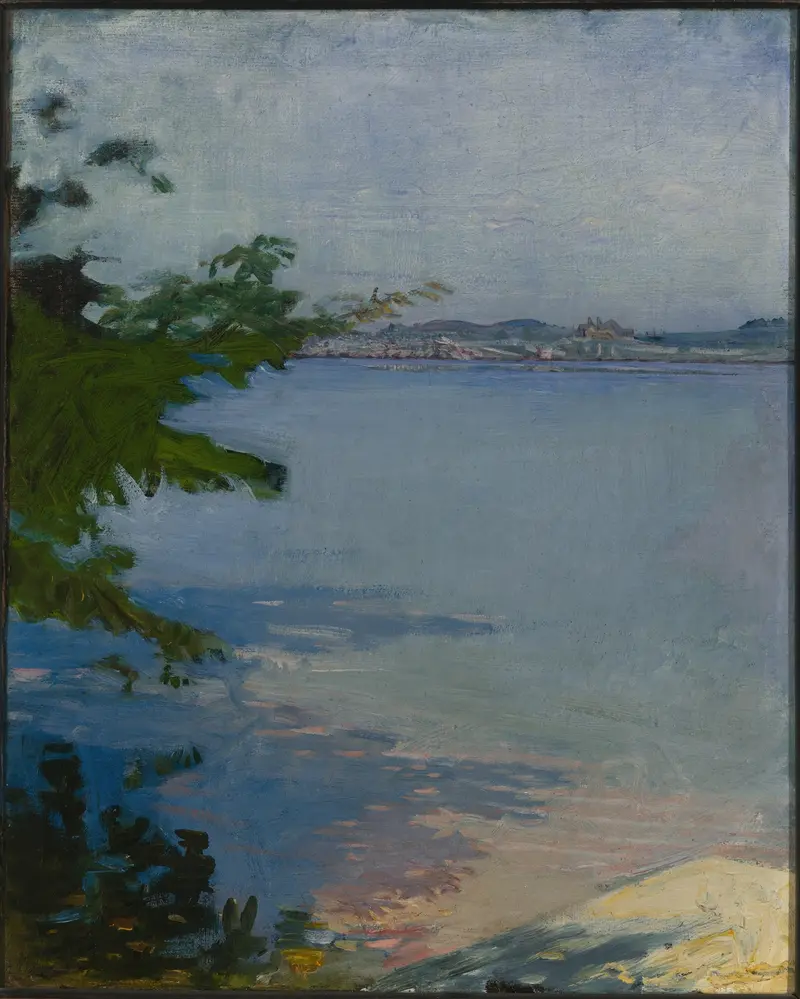
Dublin Pond, New Hampshire
Abbott Handerson Thayer
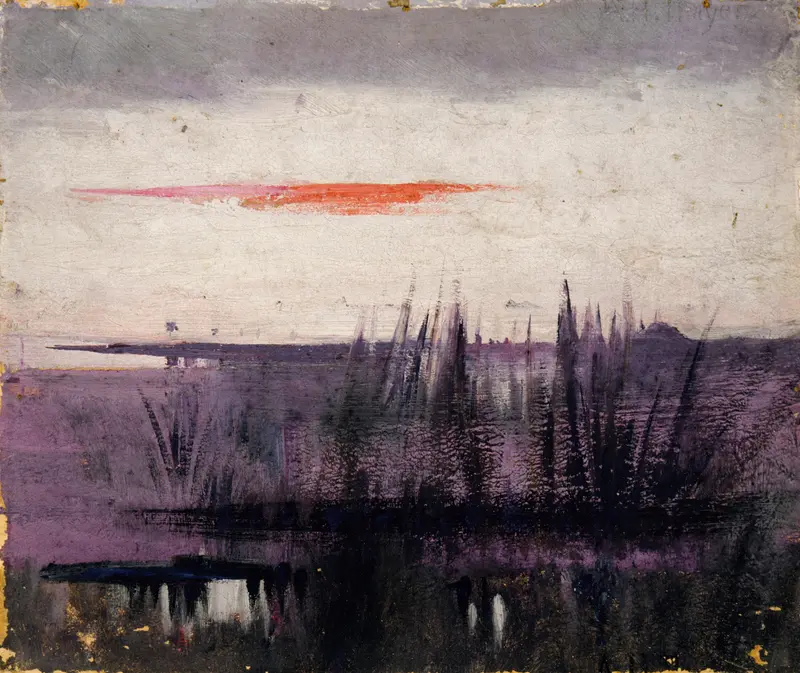
The Sky Simulated By White Flamingoes Study For Book, Concealing Coloration In The Animal Kingdom
Abbott Handerson Thayer
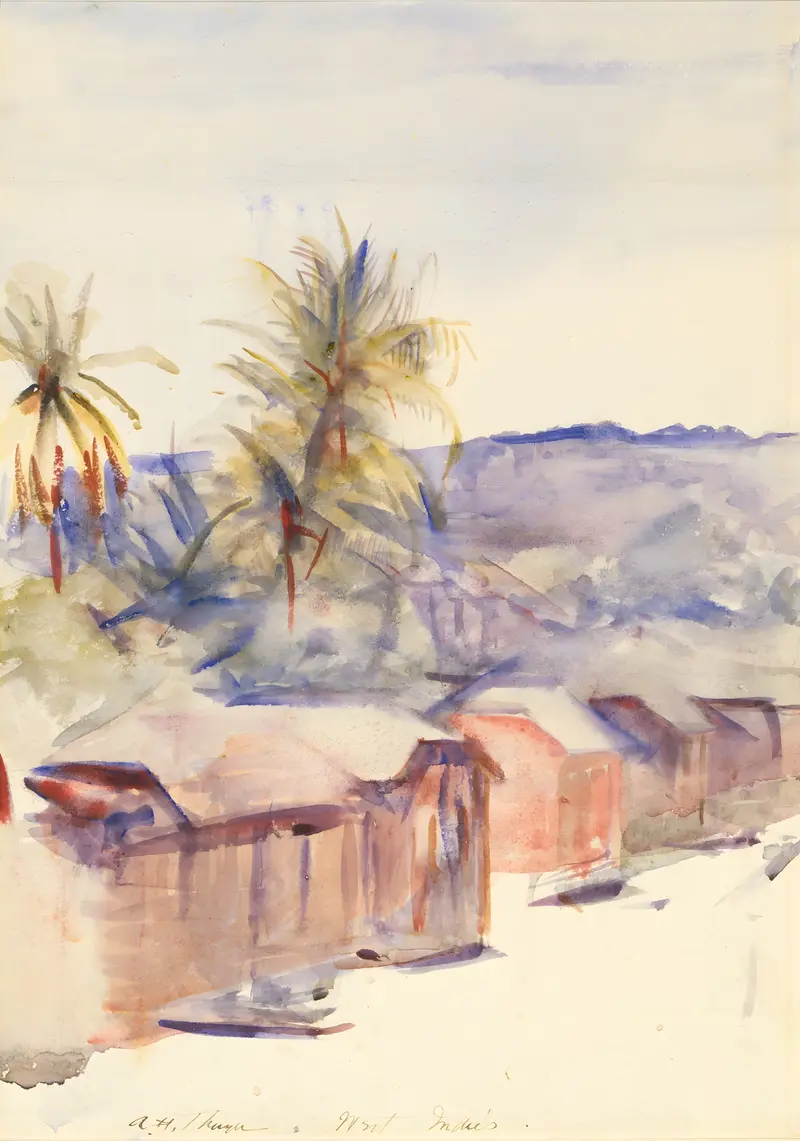
Village Street, Dominica
Abbott Handerson Thayer



