Discover insights about this artwork
Branch in Flower — History & Facts
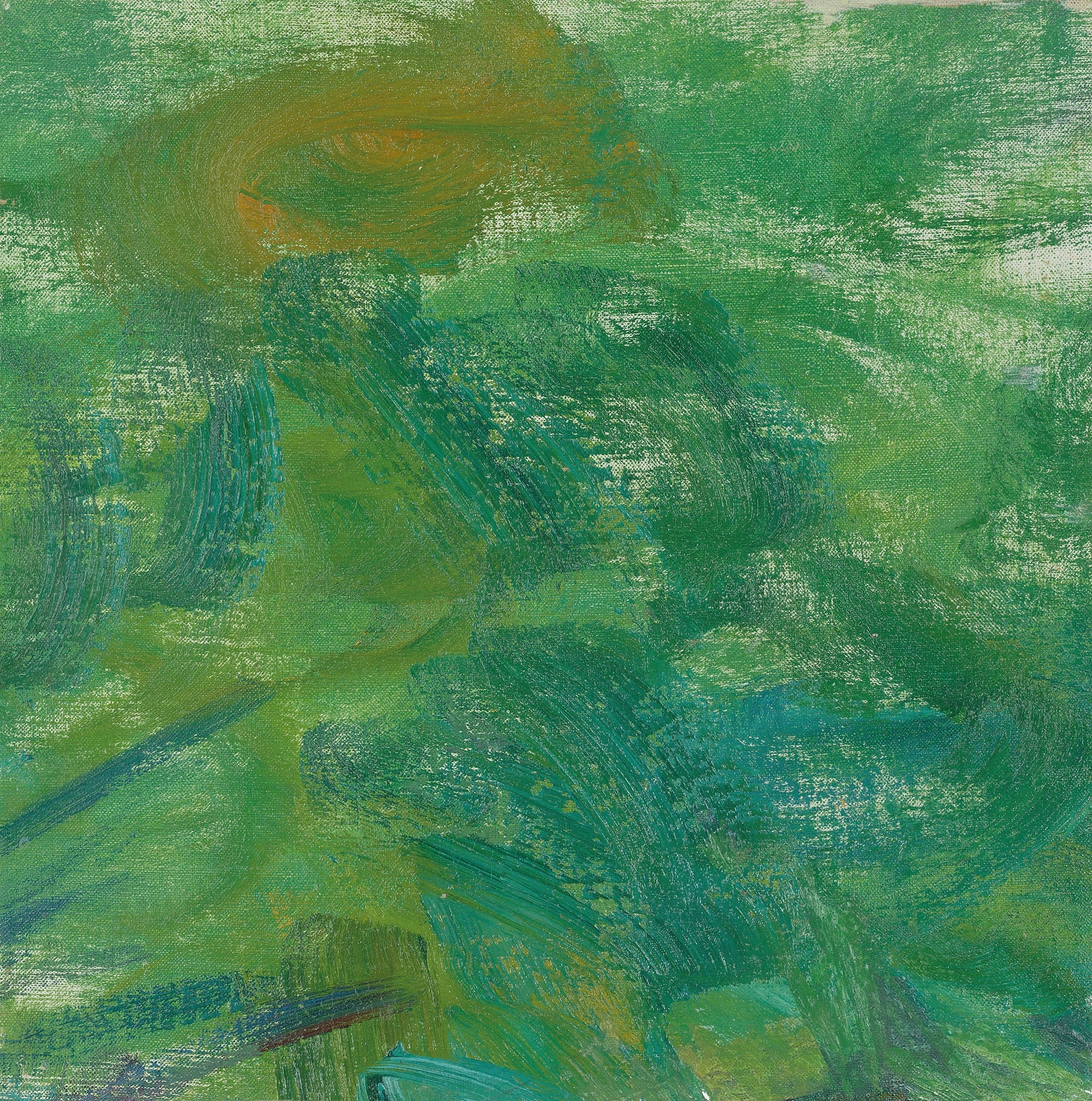
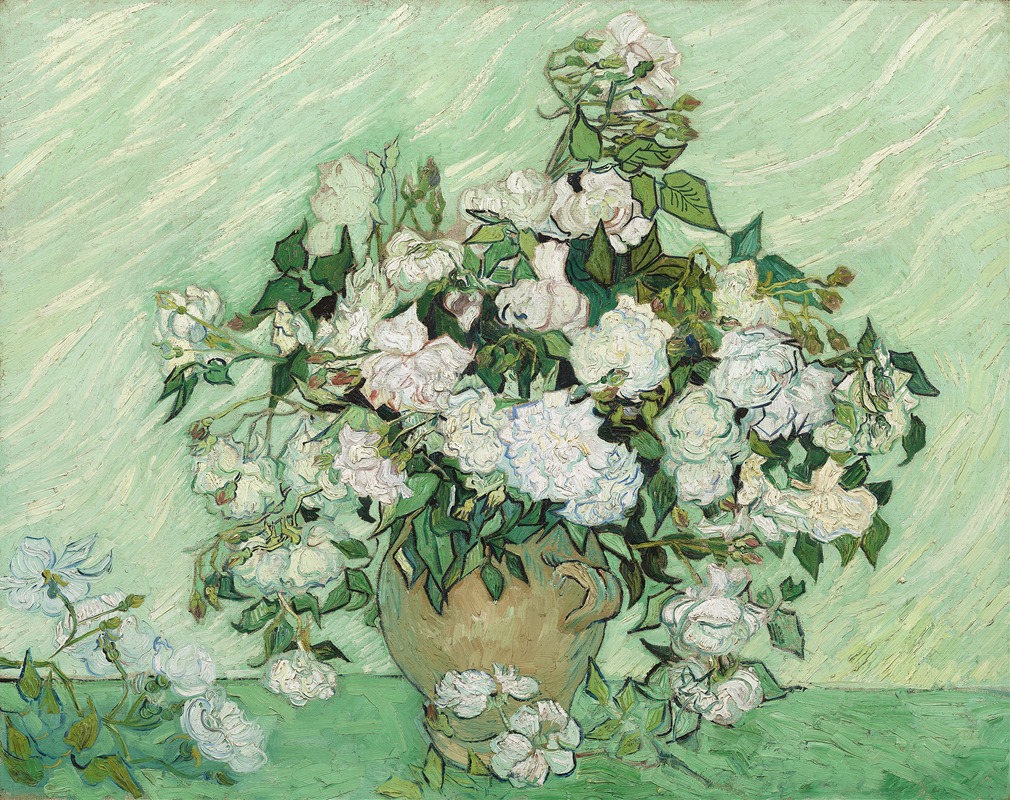
In Branch in Flower, Paul Cézanne captures a vibrant scene of blooming branches. The painting is filled with lively greens, soft pinks, and whites, creating a sense of freshness. The flowers are depicted with a sense of movement, suggesting they are swaying gently in the breeze.
The background is a soft blur, allowing the flowers to stand out prominently. Cézanne's technique in this painting showcases his characteristic brushwork, with visible strokes that add texture to the flowers. The use of color is striking, with a palette that emphasizes the natural beauty of the blossoms. The composition is balanced, drawing the viewer's eye to the central cluster of flowers.
This work exemplifies Cézanne's transition from Impressionism to a more structured approach. Branch in Flower is a testament to Cézanne's fascination with nature and his innovative approach to form and color. Created in the late 19th century, this work reflects his desire to break away from traditional representation. An interesting fact about this piece is that it exemplifies his exploration of the relationship between color and shape, which would influence future generations of artists.
Cézanne's work laid the groundwork for modern art, making him a pivotal figure in art history.
More Artworks by Paul Cézanne
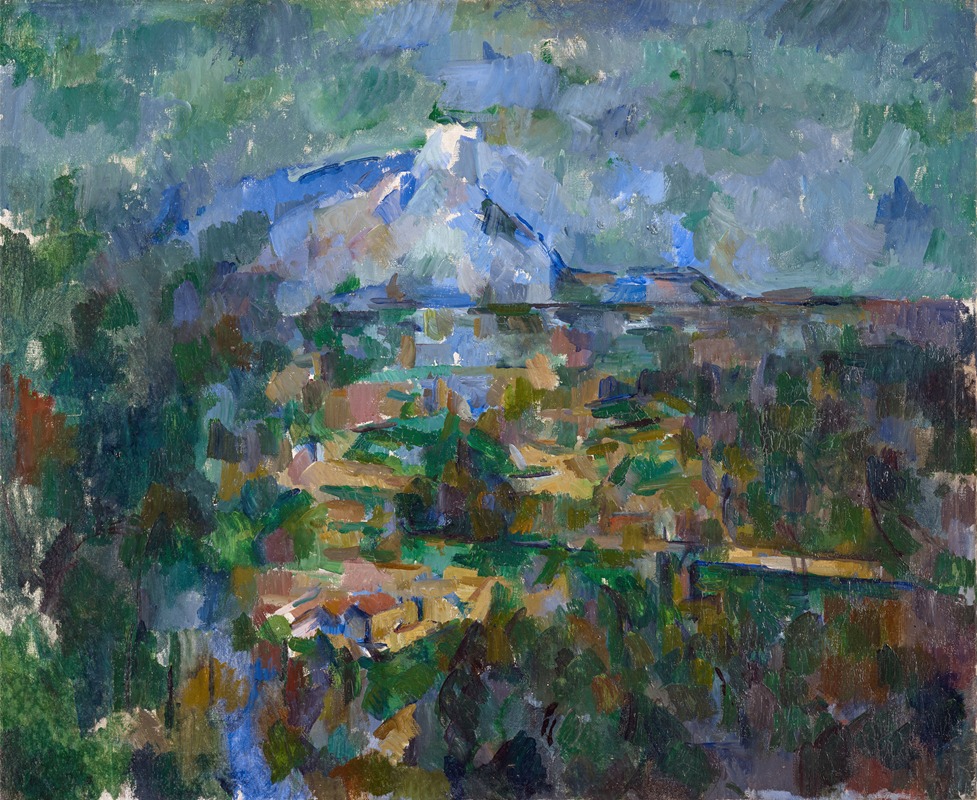
The Mont Sainte-Victoire Seen From Les Lauves
Paul Cézanne
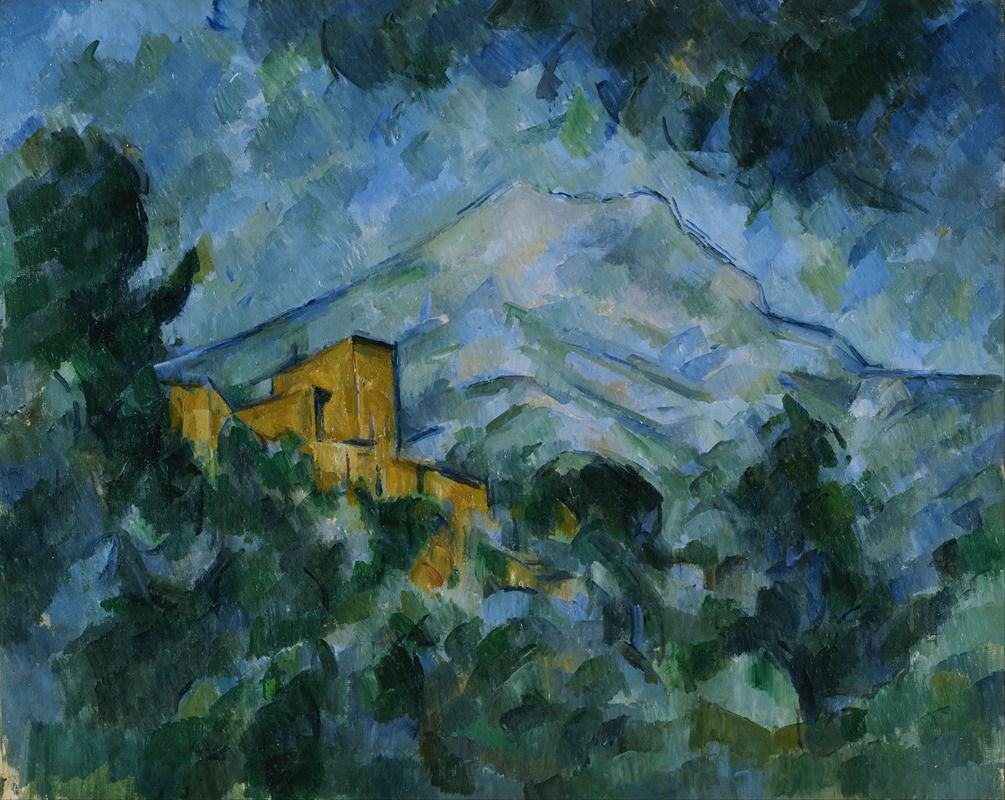
Mont Sainte-Victoire and Château Noir
Paul Cézanne
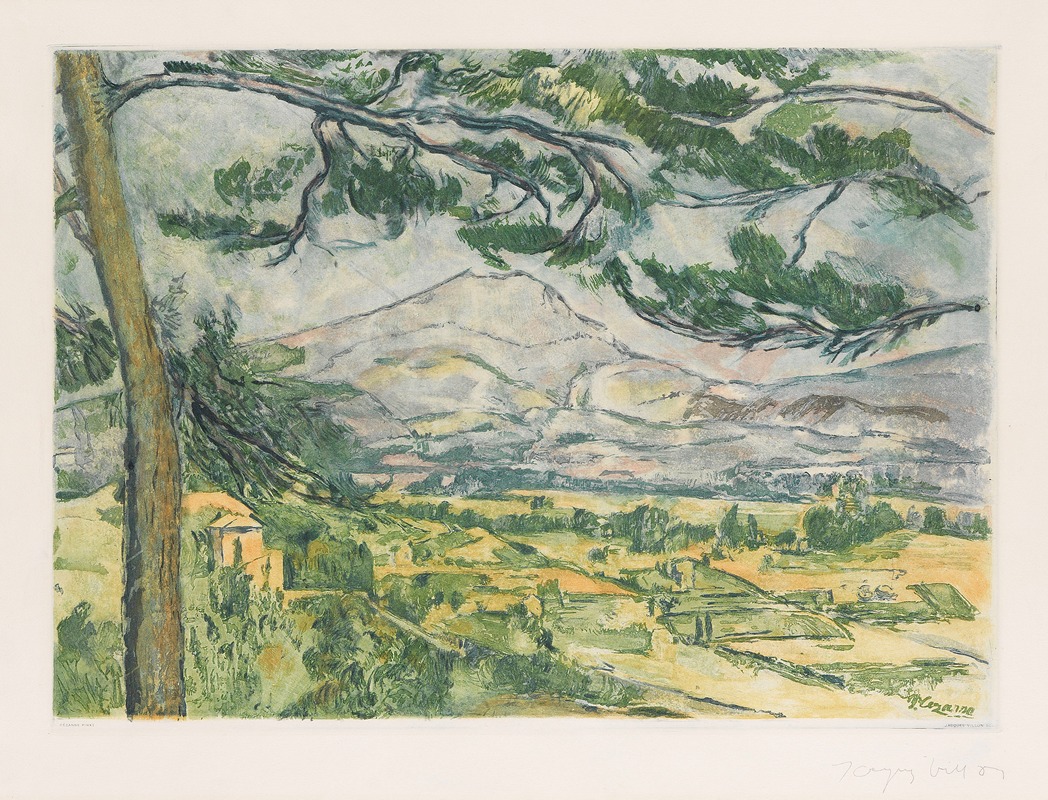
La Montagne Sainte-Victoire
Paul Cézanne
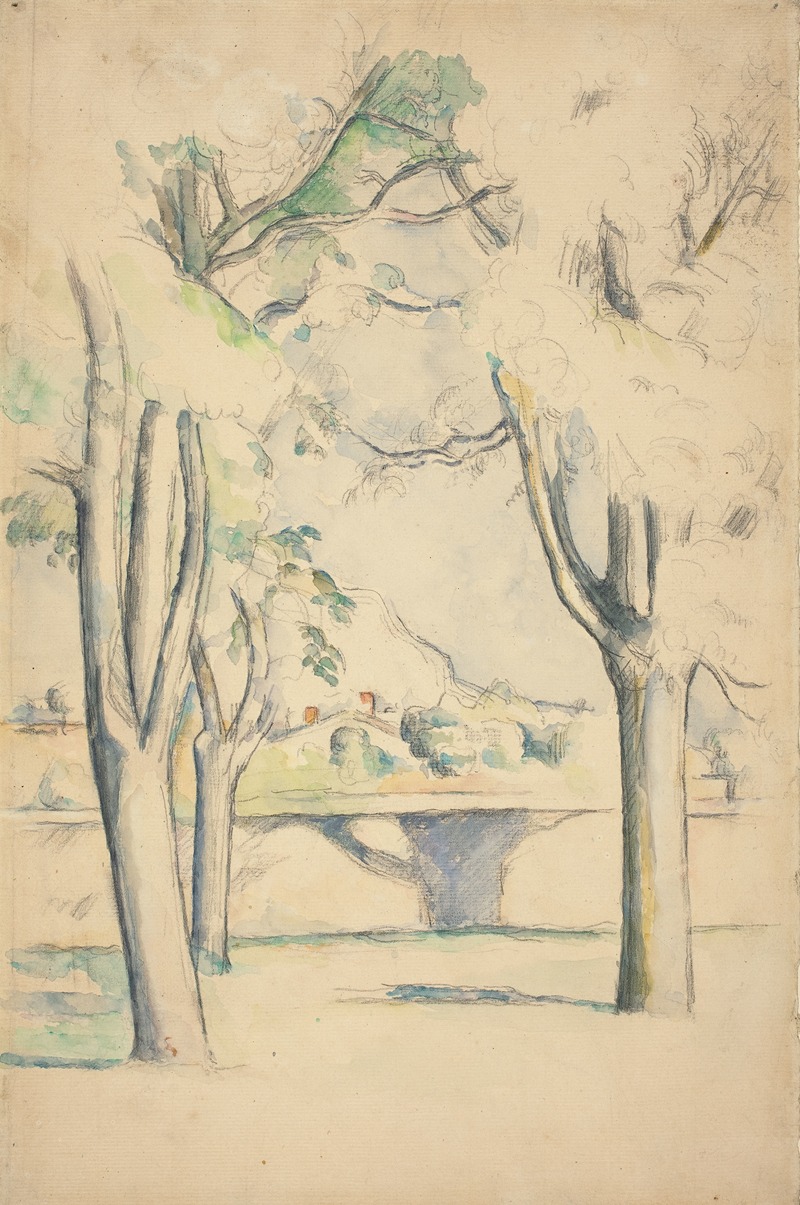
Mont Sainte-Victoire Seen beyond the Wall of the Jas de Bouffan
Paul Cézanne
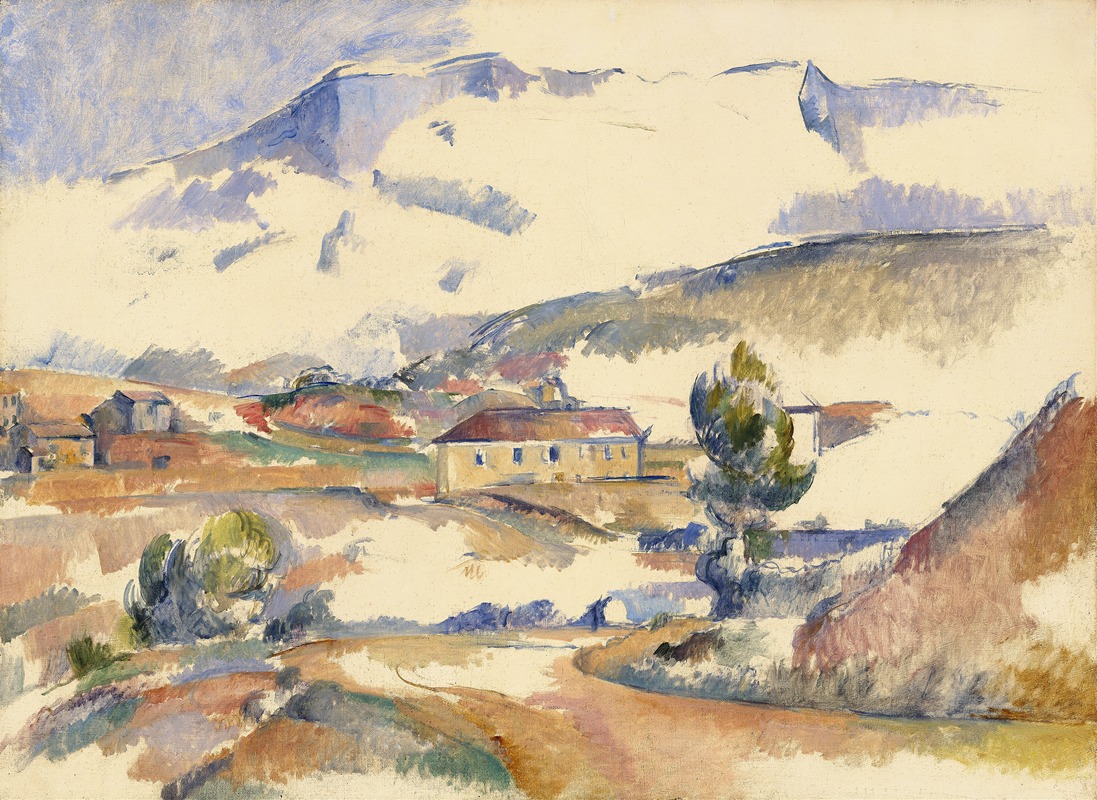
Montagne Sainte-Victoire,from near Gardanne
Paul Cézanne
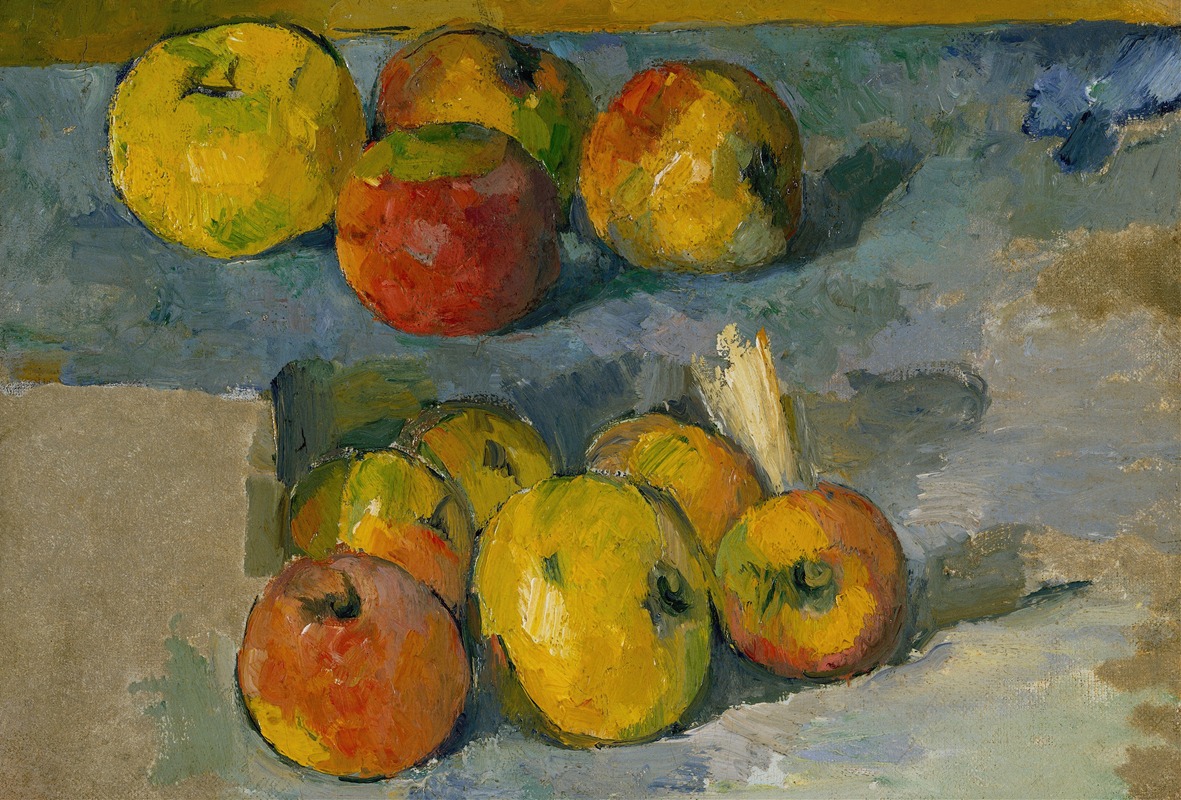
Apples
Paul Cézanne
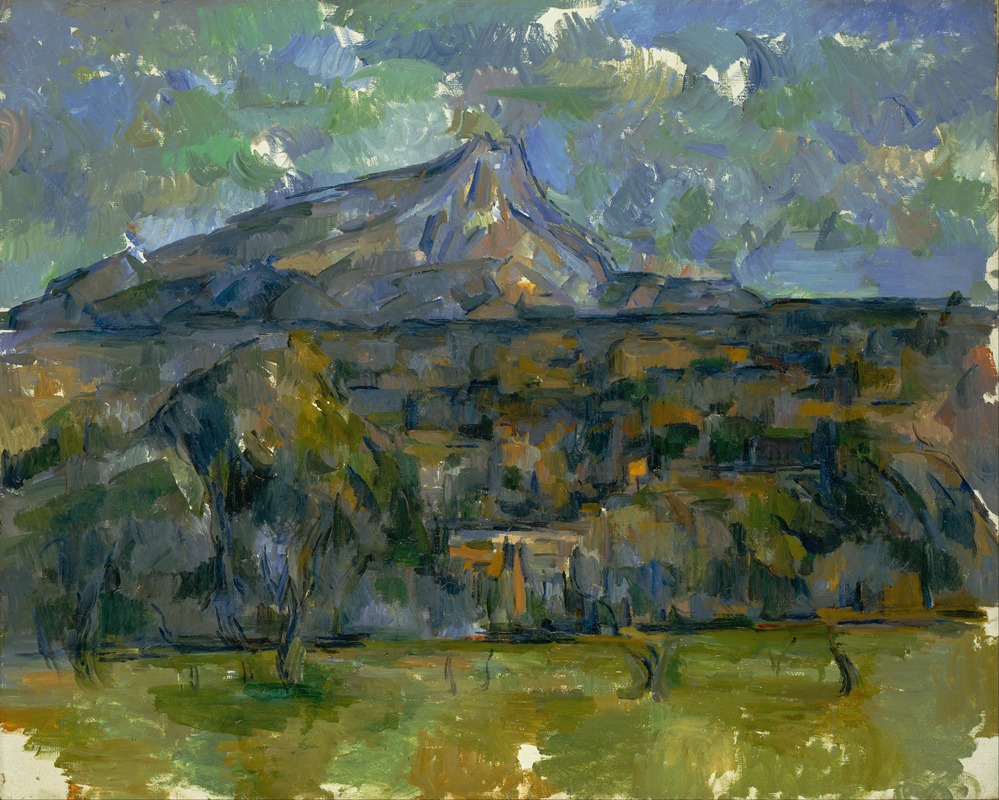
Mont Sainte-Victoire
Paul Cézanne
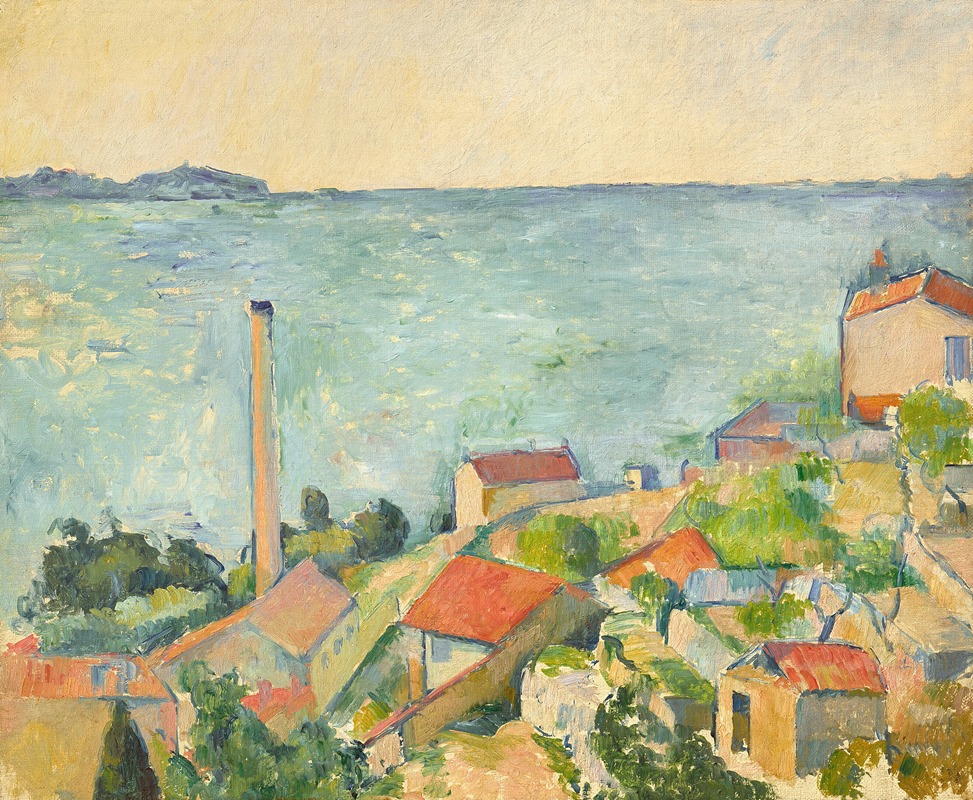
La mer à l’Estaque
Paul Cézanne
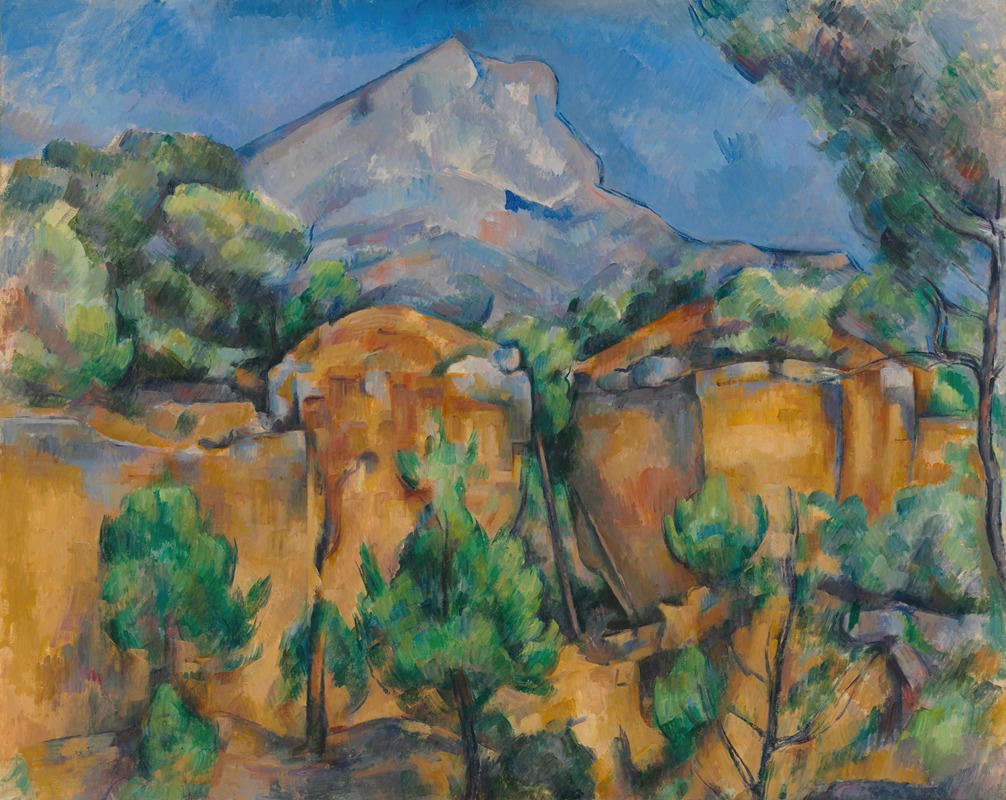
La Montagne Sainte-Victoire vue de la carrière Bibémus
Paul Cézanne
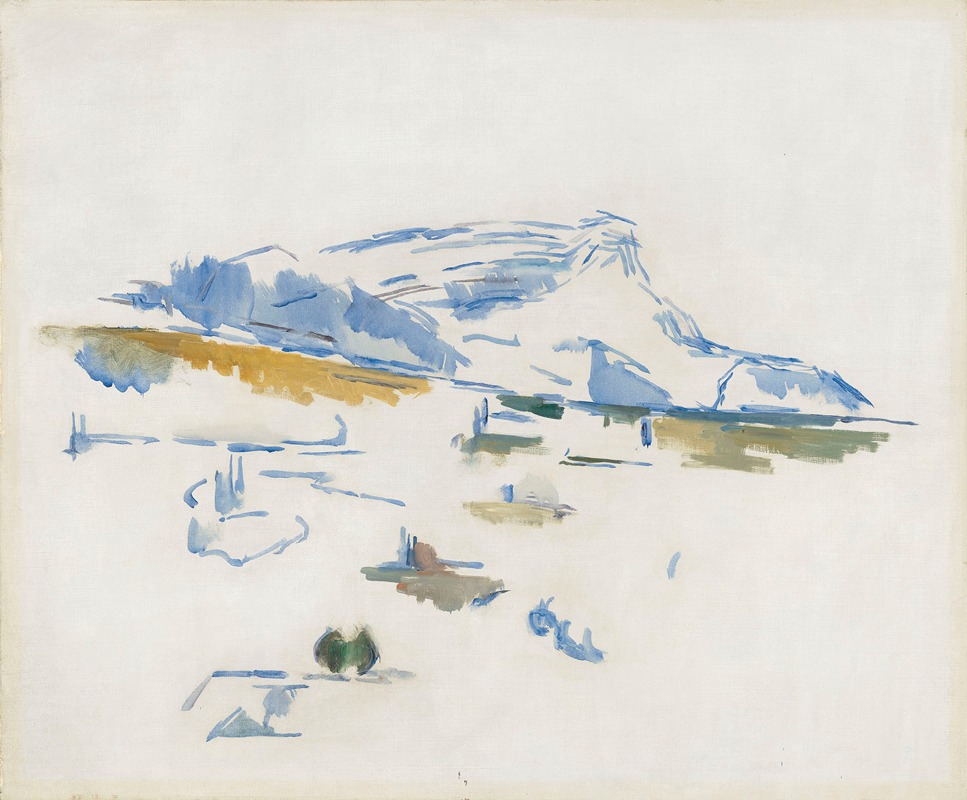
La Montagne Sainte-Victoire vue des Lauves
Paul Cézanne