
Brandofferaltaar en wasvat in tabernakel — History & Facts
This thought resonates deeply within the intricate layers of Brandofferaltaar en wasvat in tabernakel. In this work, the surface gleams, yet beneath the allure lies a deeper narrative of ritual and devotion, begging to be examined. First, look to the center of the altarpiece, where the golden brandoffer—an altar for the offering of bread—commands attention. The brilliance of the gilded elements contrasts sharply with the muted tones surrounding it, showcasing Cranach’s masterful handling of light and shadow.
This juxtaposition invites viewers to explore the delicate balance between the sacred and the mundane. Notice how the figures surrounding the altar are engaged in an almost reverent dance, their gestures echoing the solemnity of the moment. As you delve deeper into the details, consider the intricate carvings and the symbolic motifs woven throughout the piece. Each element—from the delicately painted figures to the meticulously designed wash basin—carries weight beyond its immediate appearance.
They reflect the tension between spiritual purity and earthly desire, challenging us to consider the costs of devotion and sacrifice. The harmonious color palette evokes a serene yet melancholic atmosphere, hinting at the inner conflicts faced by those participating in these sacred rites. Created between 1523 and 1526, this altarpiece emerged during a transformative period in the Northern Renaissance. Cranach was in Wittenberg, engaged with figures like Martin Luther, reflecting the shifting paradigms of faith and art.
This work not only showcases his technical prowess but also embodies the complex interplay of religious sentiment and emerging humanist ideals of the time, marking a pivotal moment in the evolution of spiritual representation.
More Artworks by Lucas Cranach (I)
Browse all →
Oordeel van Paris
Lucas Cranach (I)
Portret van Martin Luther als Augustijner monnik
Lucas Cranach (I)
Verzoeking van Antonius met aanval door demonen
Lucas Cranach (I)

Christus en de Samaritaanse vrouw
Lucas Cranach (I)

Duits toernooi met twee edelmannen als ridders te paard
Lucas Cranach (I)
Reliekhouder met de verzoeking van Adam en Eva
Lucas Cranach (I)

Intocht van Christus in Jerusalem
Lucas Cranach (I)
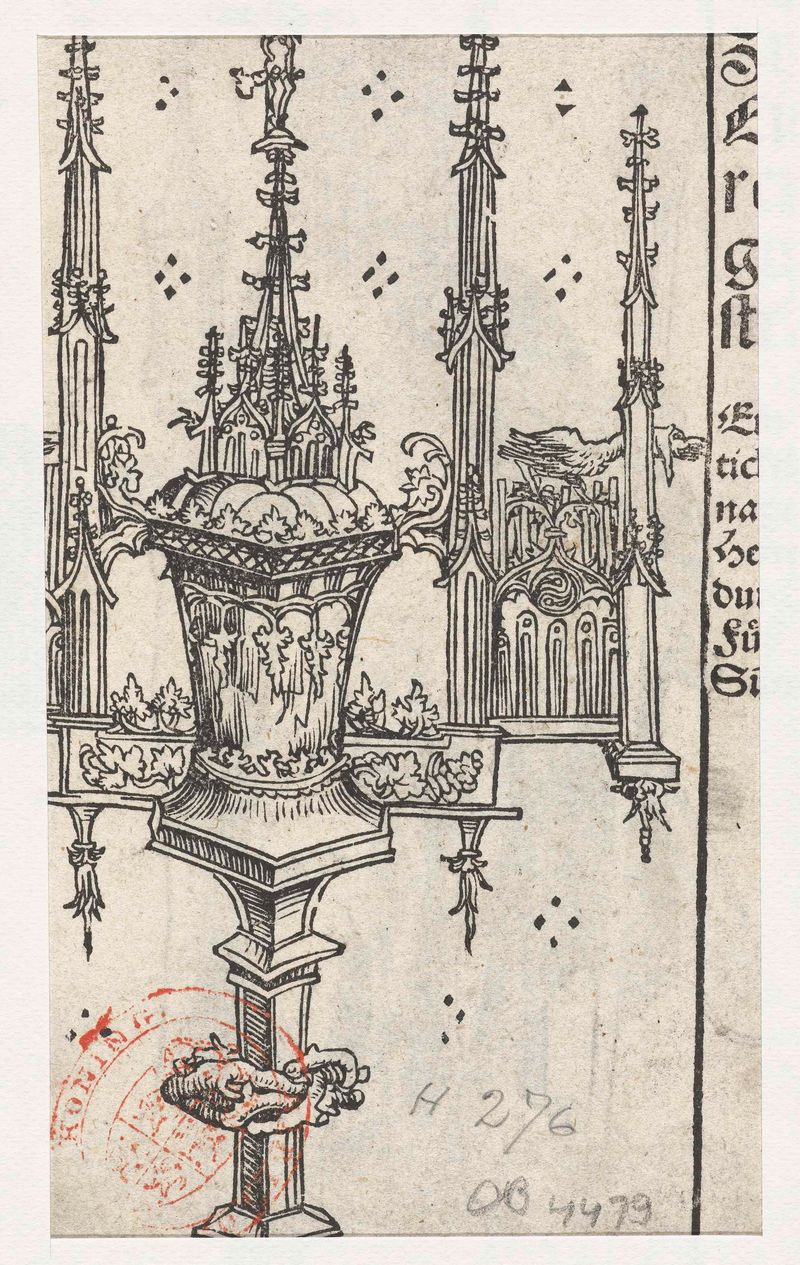
Monstrans met vogel (pelikaan)
Lucas Cranach (I)
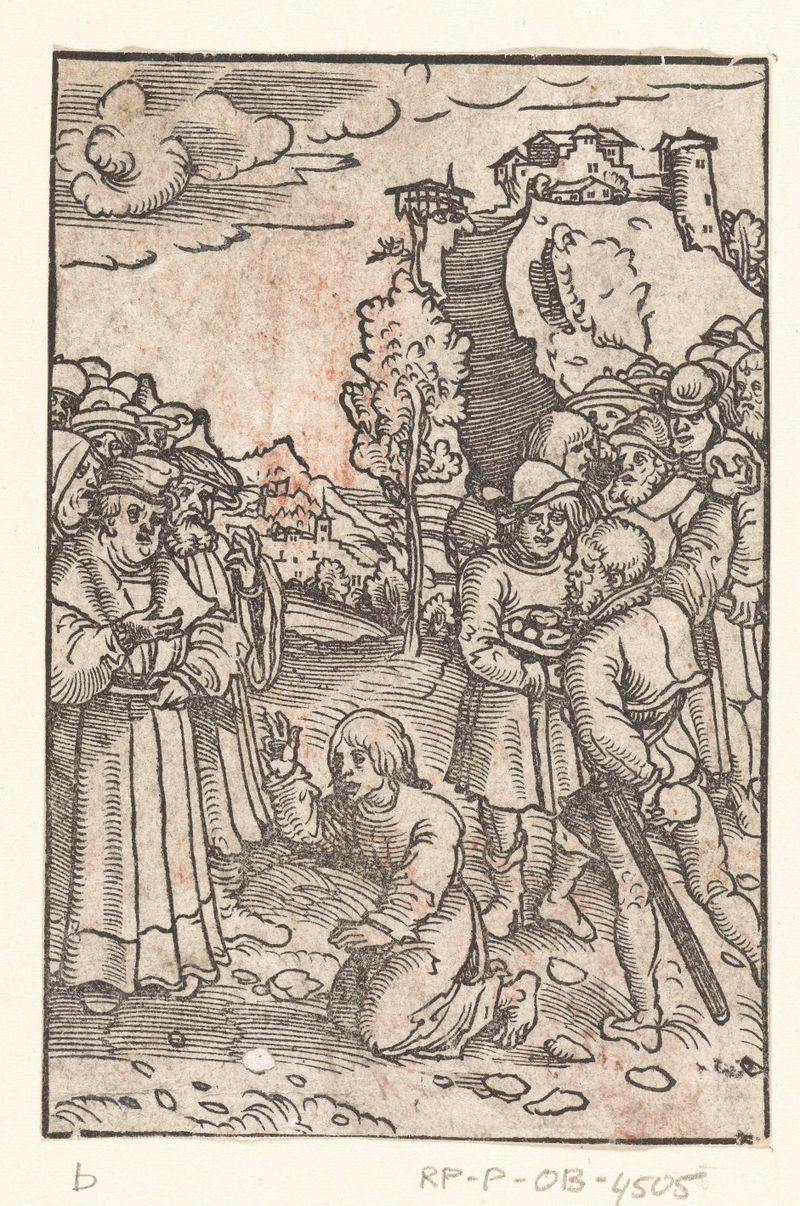
Steniging van Stefanus
Lucas Cranach (I)
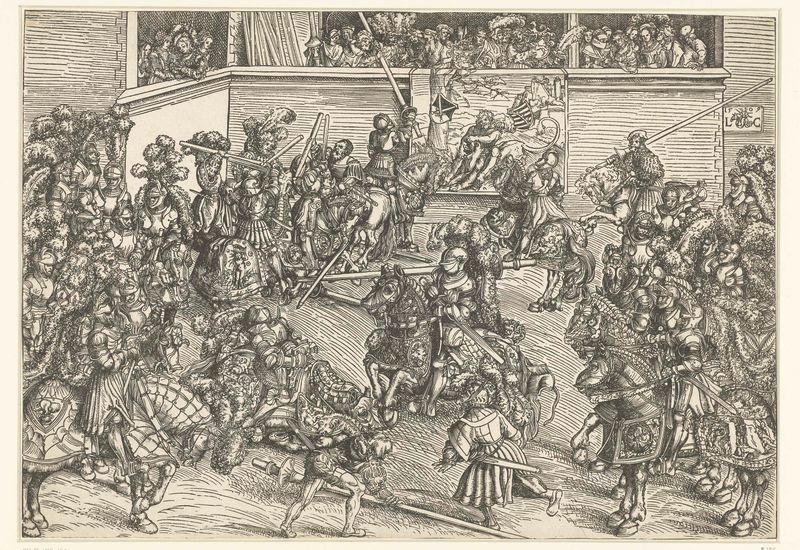
Toernooi van het keurvorstelijk hof van Saksen met wandtapijt Simson doodt de leeuw
Lucas Cranach (I)
More Religious Art
Browse all →
The Return of the Prodigal Son
Rembrandt van Rijn

The Garden of Earthly Delights
El Bosco

Count Orgaz’ funeral
El Greco

The Hundred Guilder Print: the central piece with Christ preaching, the plate arched
Rembrandt van Rijn

The Descent from the Cross
Rogier van der Weyden

The return of the prodigal son
Rembrandt van Rijn