
Bringing down marble from the quarries to Carrara — History & Facts
The essence of innocence permeates the canvas. It is not merely a recollection but a profound exploration of labor and its literary beauty. Look to the left at the towering, jagged cliffs that cradle the quarry, their stark contours contrasting with the soft, buttery hues of the marble. Focus on the figures in their labor—men dressed in humble attire, their bodies bending and straining against the weight of their work.
Notice how the midday light dances upon the stone, illuminating patches of white and gray that sing against the earthy tones surrounding them, giving a sense of warmth and life to the arduous task at hand. Beneath the surface, there lies a tension between dignity and toil. The men, with their rugged hands and focused expressions, embody both the struggle of their labor and the quiet pride associated with their craftsmanship. The marble, ethereal and pure, is simultaneously a symbol of aspiration and the burden of labor.
Here, innocence is not found in naivety but in the reverence for the materials that will soon become art, suggesting a deeper connection between the builder and the beauty of creation. In 1911, during a period when Sargent was both celebrated and contemplative, he created this work in Italy, a time when the art world was evolving rapidly. His earlier success as a portrait painter led him to explore more thematic subjects, often reflecting the profound interplay between humanity and its environment. The beauty of this scene captures a moment of industry beneath the Tuscan sky, infused with the artist's own observations about labor, artistry, and the eternal dance of innocence amidst hard work.
More Artworks by John Singer Sargent
Browse all →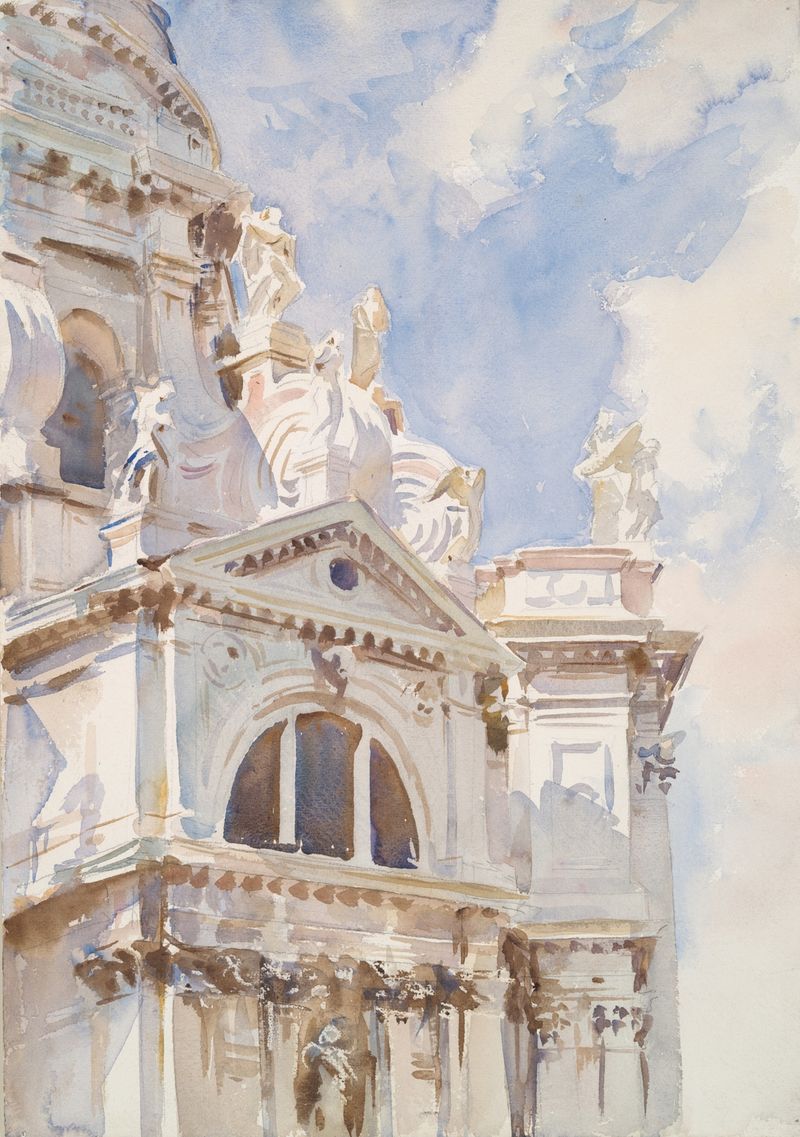
The Salute, Venice
John Singer Sargent

Mrs. Charles Deering (Marion Denison Whipple)
John Singer Sargent
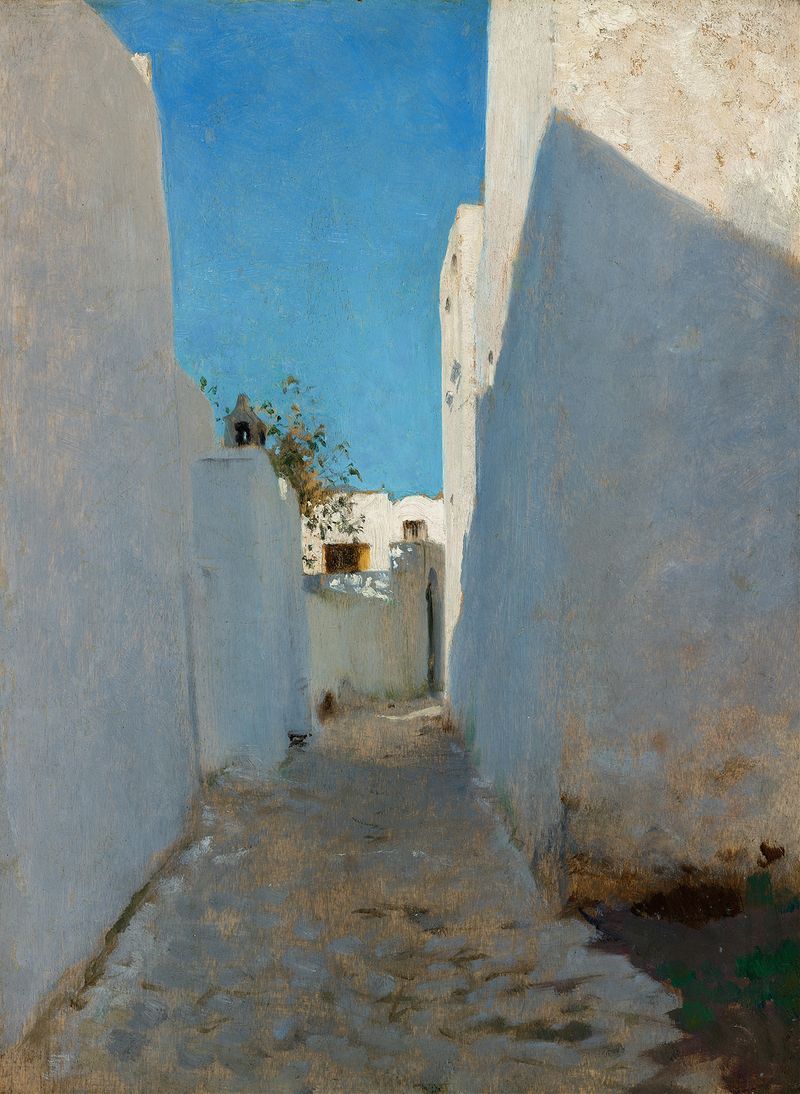
A Moroccan Street Scene
John Singer Sargent
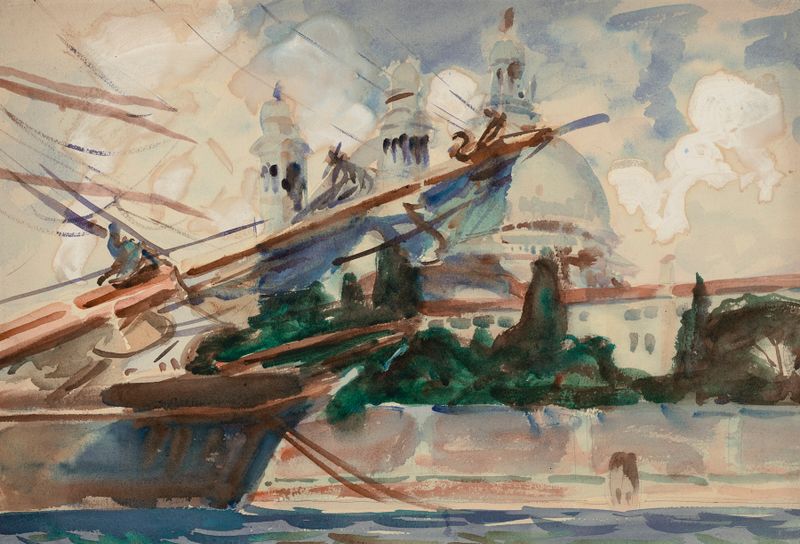
The Salute, Venice
John Singer Sargent
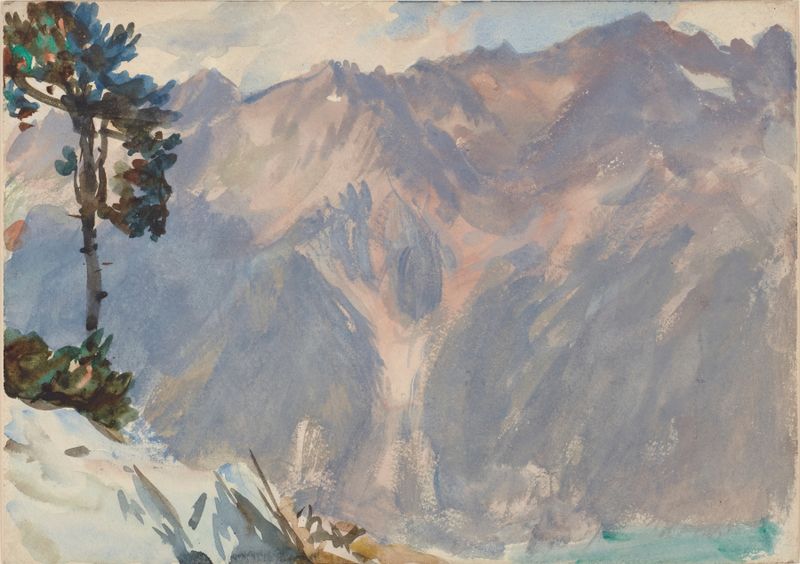
Tyrol
John Singer Sargent
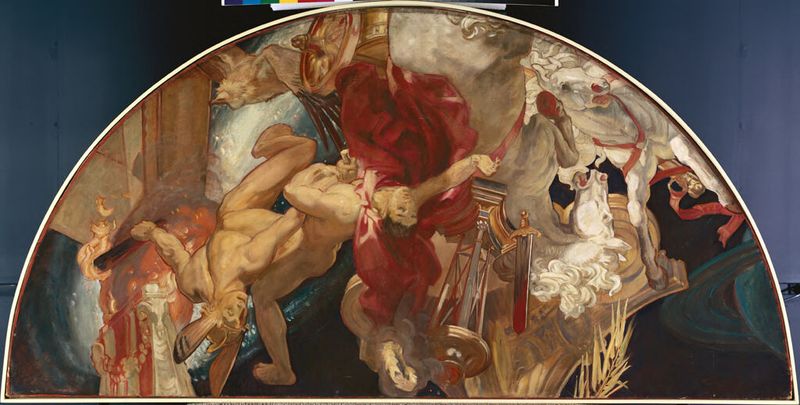
Study for "Gog and Magog," for the Boston Public Library
John Singer Sargent
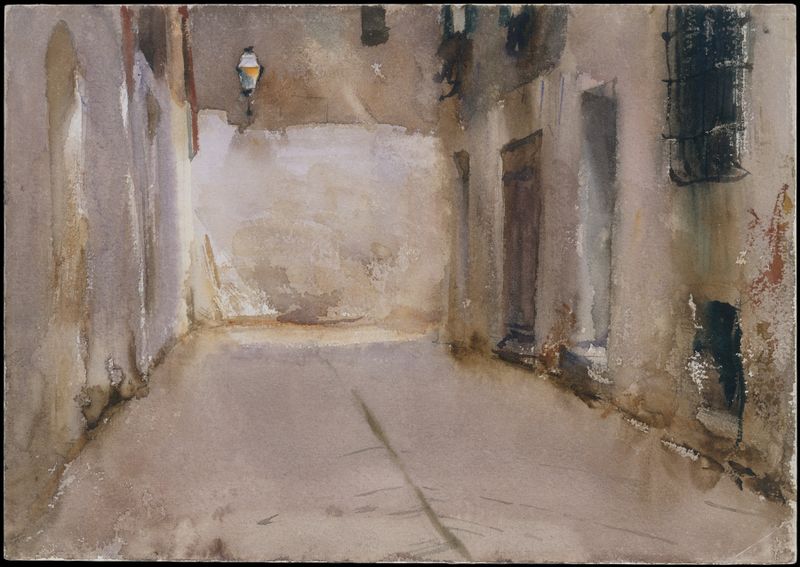
Venice
John Singer Sargent
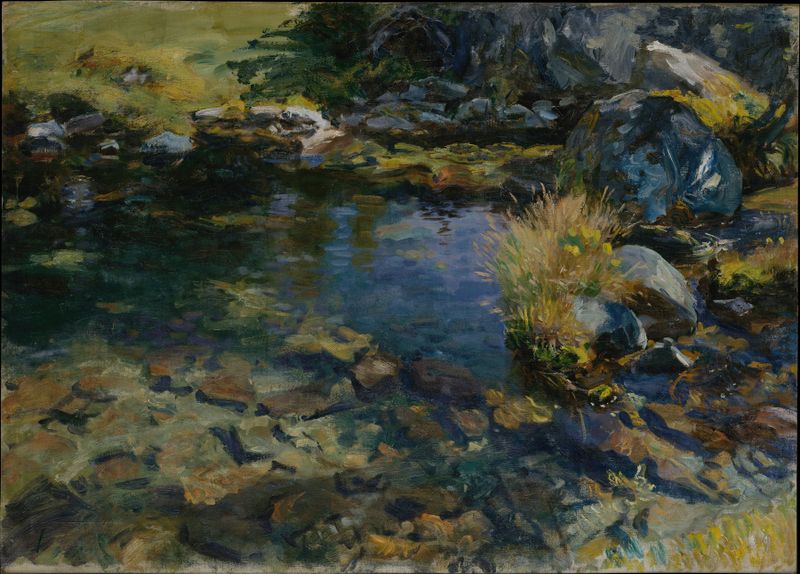
Alpine Pool
John Singer Sargent
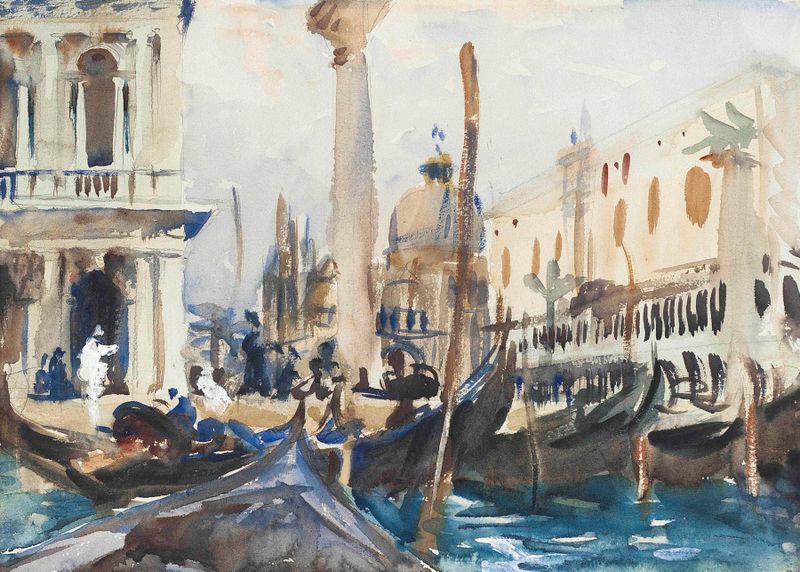
The Piazzetta with Gondolas
John Singer Sargent
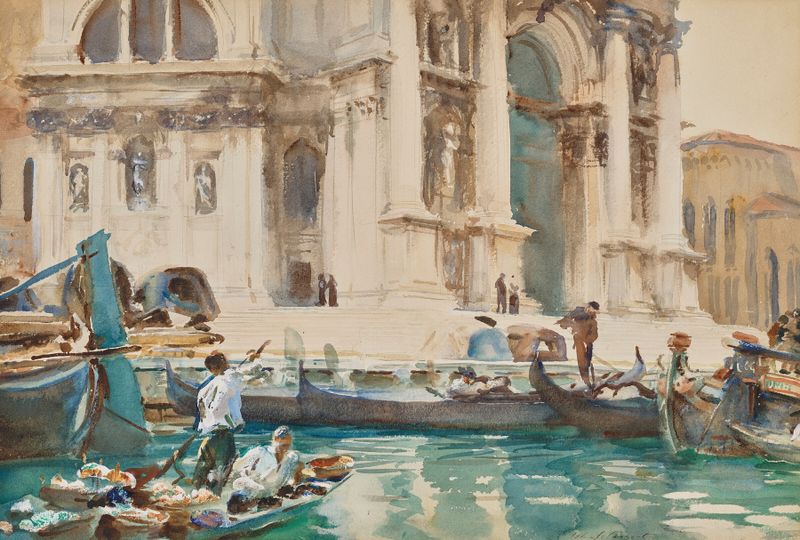
The Façade of La Salute, Venice
John Singer Sargent





