
Brotherhood cemetery in Sevastopol. From the journey to Crimea — History & Facts
Can beauty exist without sorrow? In the haunting stillness of Brotherhood cemetery in Sevastopol, a profound sense of awakening emerges amid the shadows of history, inviting viewers to contemplate the intertwining of loss and remembrance. Look to the foreground, where the gravestones rise like solemn sentinels, their weathered surfaces glowing softly in the muted light. The artist’s careful brushwork captures the textures of the stone and earth, leading the eye through a landscape that feels both inviting and melancholic. Notice how the muted palette of grays and earthy browns evokes a sense of quiet reflection, emphasizing the gentle play of light filtering through the branches of looming trees, hinting at an ethereal connection between the living and the departed. Delve deeper into this poignant scene, and you may find unsettling contrasts of life and death.
The grave markers represent the weight of history, while the surrounding greenery suggests the relentless passage of time and nature's resilience. Each stone tells a story of sacrifice, yet the encroaching foliage signifies renewal, as if the spirits of the past are awakening and mingling with the present. This duality embodies a complex emotional landscape, where sorrow and beauty coexist harmoniously. In the years between 1887 and 1899, Jan Ciągliński worked in a period marked by a reawakening of interest in realism and expressionism.
Living in a time of socio-political upheaval and artistic evolution, he painted this scene while reflecting on the historical significance of Sevastopol in the Crimean War. His art emerged from a landscape rich with personal and collective memory, striving to capture the essence of humanity's enduring connection to the past.
More Artworks by Jan Ciągliński
Browse all →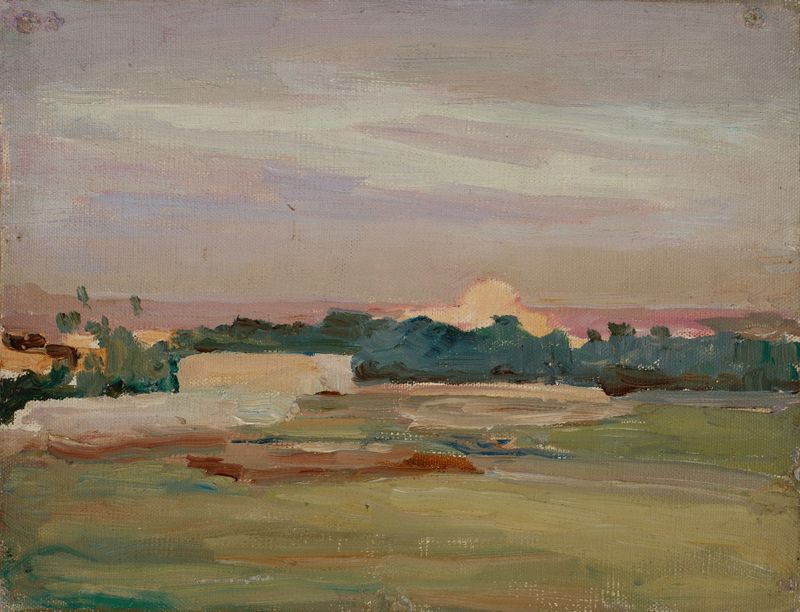
The Sirocco
Jan Ciągliński
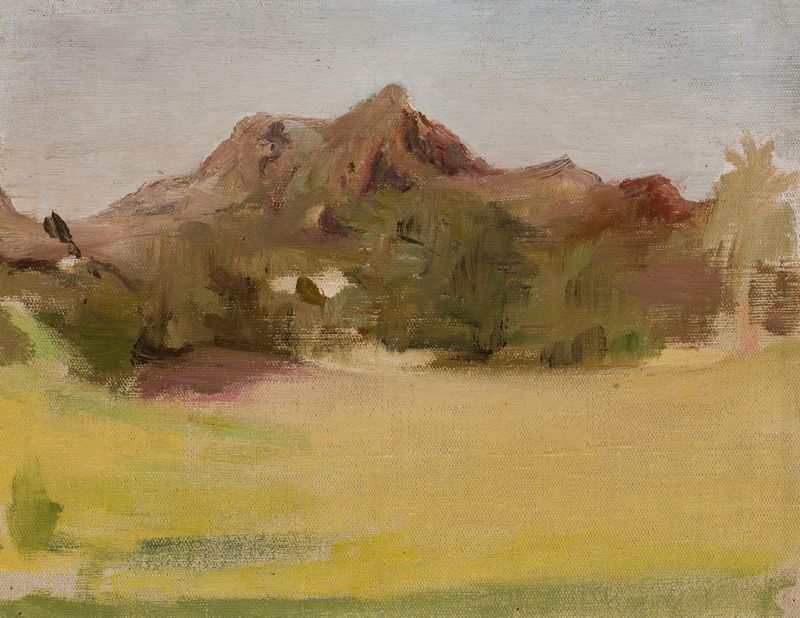
Mountain landscape. From the journey to India
Jan Ciągliński
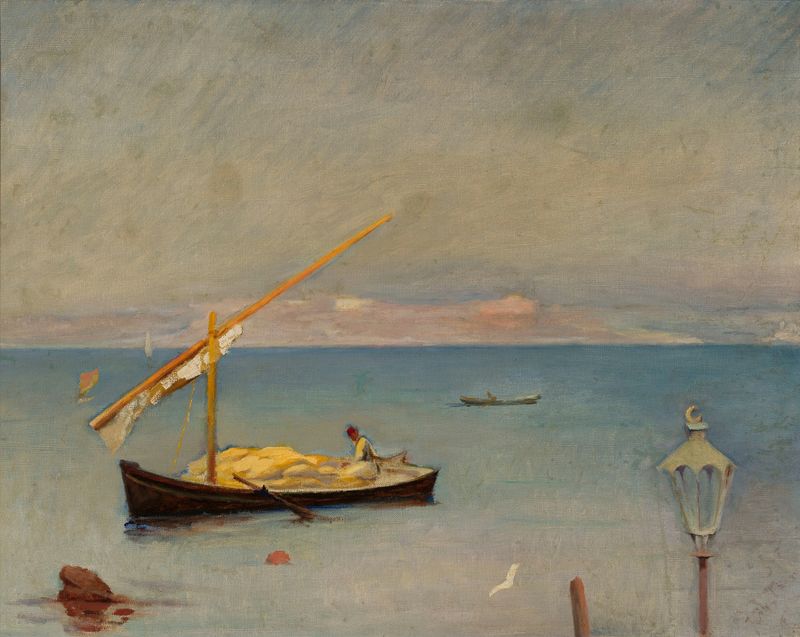
At Bosporus
Jan Ciągliński
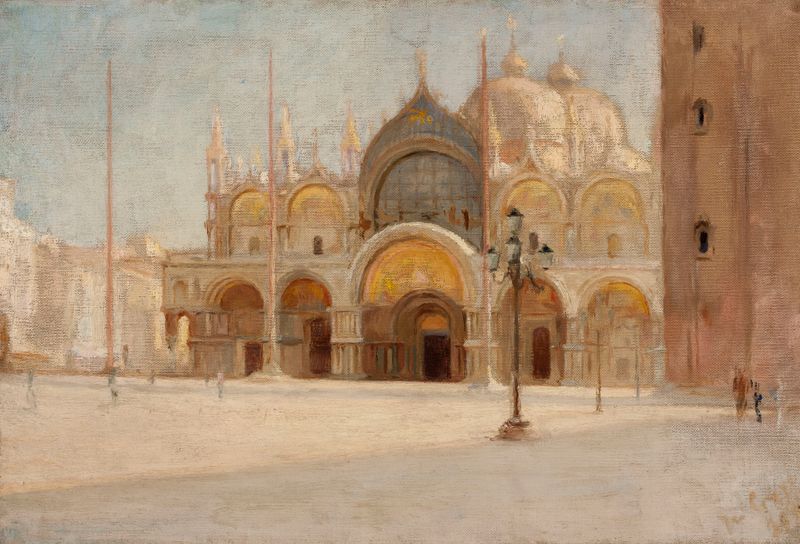
St Mark’s Square in Venice
Jan Ciągliński
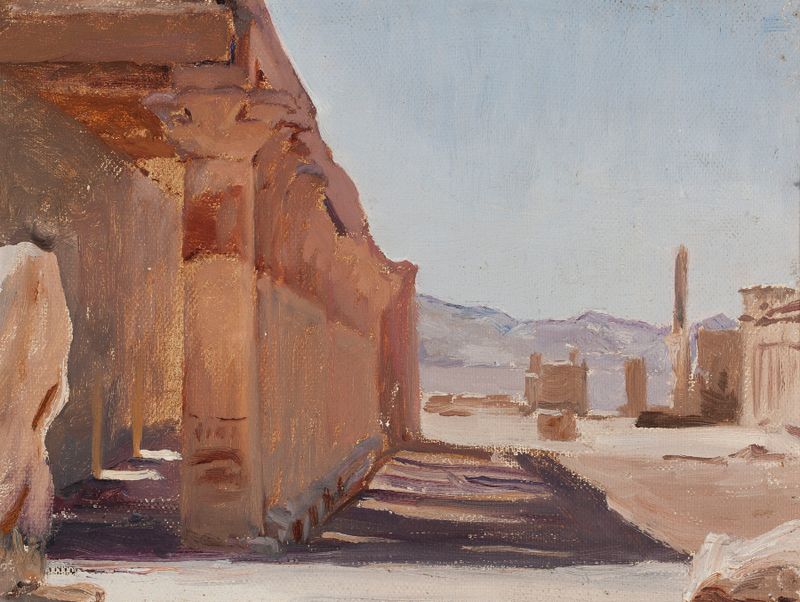
Temple. From the journey to Egypt
Jan Ciągliński
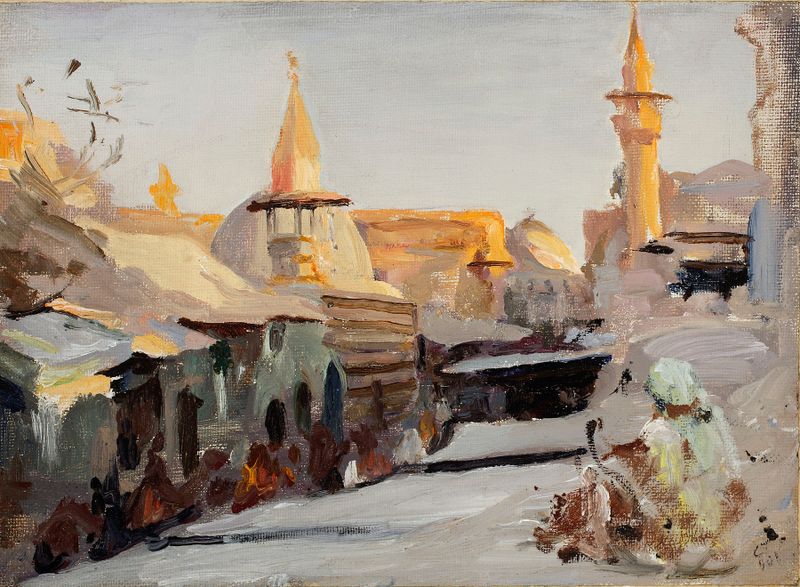
Street in Damascus. From the journey to Palestine
Jan Ciągliński
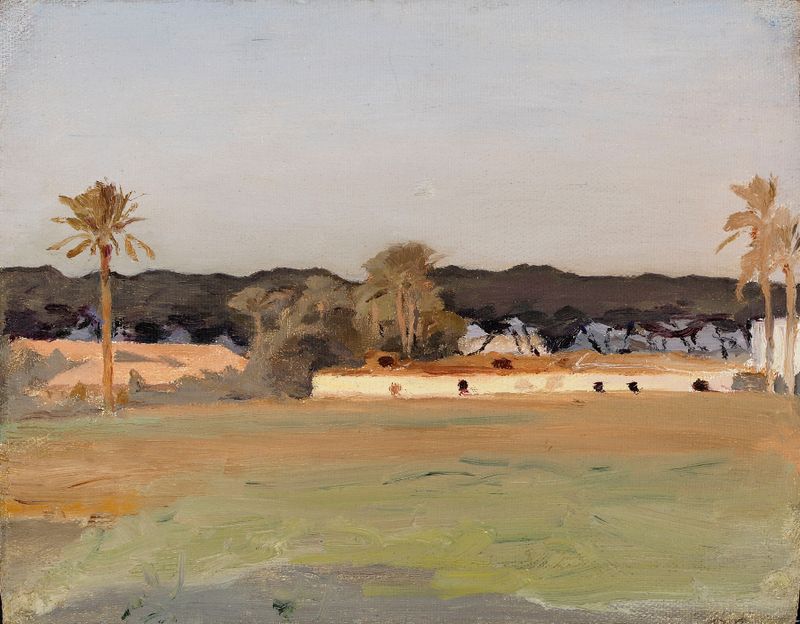
Evening. From the journey to Egypt
Jan Ciągliński
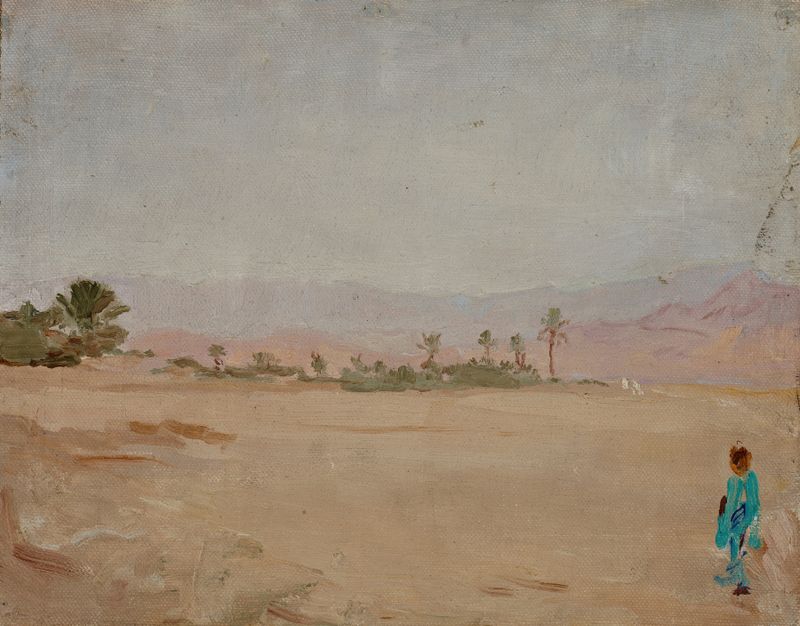
Sahara (Desert)
Jan Ciągliński
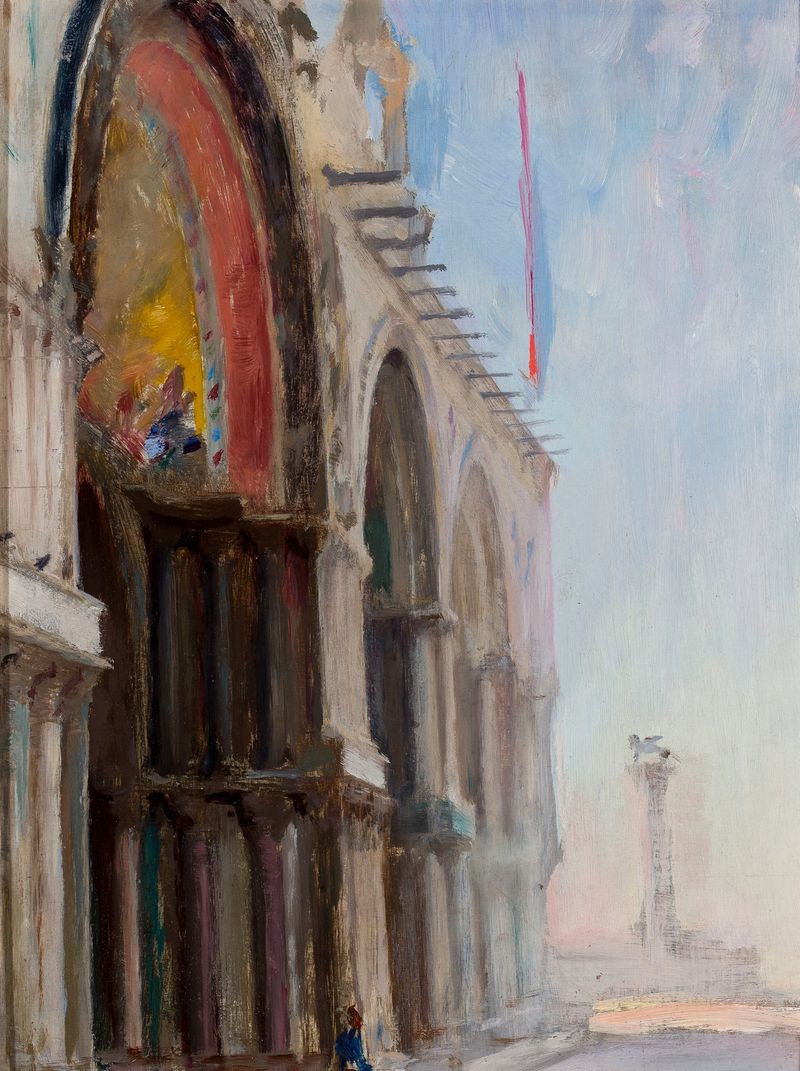
Venice – San Marco. From the journey to Italy
Jan Ciągliński
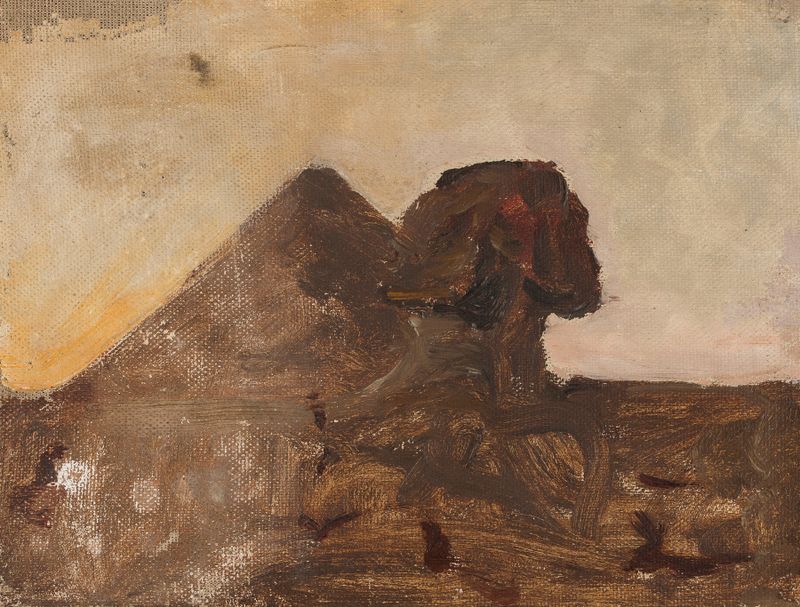
Evening in the desert – Sphinx and pyramid. From the journey to Egypt
Jan Ciągliński
More Historical Art
Browse all →
The Night Watch Militia Company of District II under the Command of Captain Frans Banninck Cocq
Rembrandt van Rijn

Lincoln Memorial
Henry Bacon

The Third of May 1808
Francisco de Goya

Isaac and Rebecca, Known as ‘The Jewish Bride’
Rembrandt van Rijn

The Charge of the Mamelukes (1814)
Francisco de Goya

De vier ruiters van de apocalyps
Albrecht Dürer