
Brown and Gold: Lillie "In our Alley!" — History & Facts
Who listens when art speaks of silence? In Brown and Gold: Lillie "In our Alley!", the muted tones and delicate brushwork invite a quiet reflection on the nuances of intimacy and individuality. Look to the left where Lillie sits gracefully, her profile bathed in soft golds amidst the warm browns of the background. The chiaroscuro creates a gentle play of light and shadow, illuminating her delicate features and the fabric of her gown, which seems to almost dissolve into the surrounding atmosphere. Notice how Whistler captures the essence of her presence; the composition feels both intimate and expansive, as if inviting viewers into a private moment shared between artist and muse. The emotional tension within the painting lies in its contrast between the vibrancy of Lillie’s form and the subdued background.
Her poised demeanor suggests both confidence and vulnerability, evoking a complex narrative of a woman navigating the confines of her world. In the surrounding colors, one might sense the whispers of revolution—an artistic rebellion against the traditional representations of femininity. The subtle interplay of tones also reflects the duality of Lillie's existence, straddling the line between public persona and private reality. In 1896, Whistler created this piece in London, during a period of artistic experimentation and shifting societal norms.
At this time, the artist was already recognized for his work in color and composition, yet he continued to push boundaries, seeking to capture profound emotional truths. This painting encapsulates his pursuit of beauty, revealing layers of both personal and artistic evolution in a world that was rapidly changing.
More Artworks by James Abbott McNeill Whistler
Browse all →
Nocturne in Blue and Silver
James Abbott McNeill Whistler
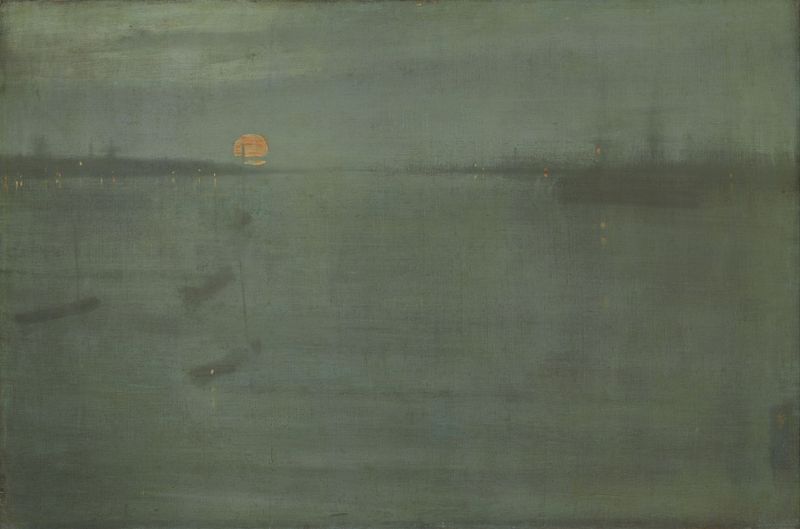
Nocturne: Blue and Gold–Southampton Water
James Abbott McNeill Whistler
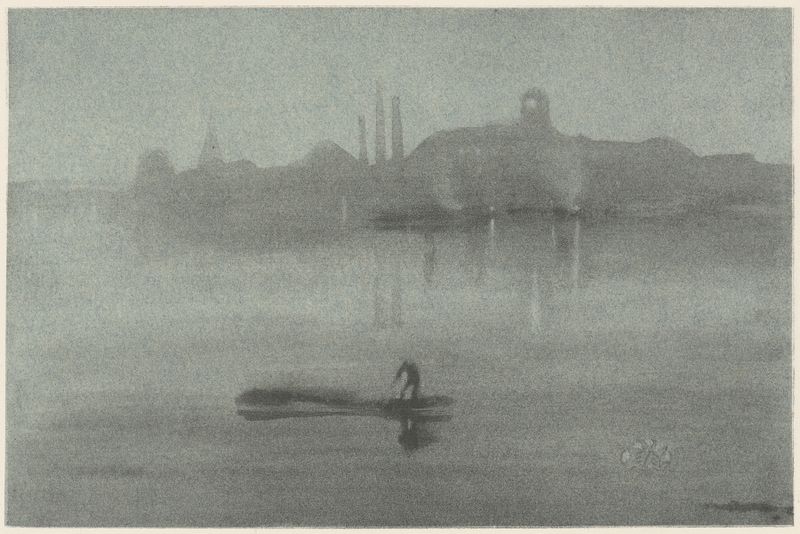
Nocturne
James Abbott McNeill Whistler
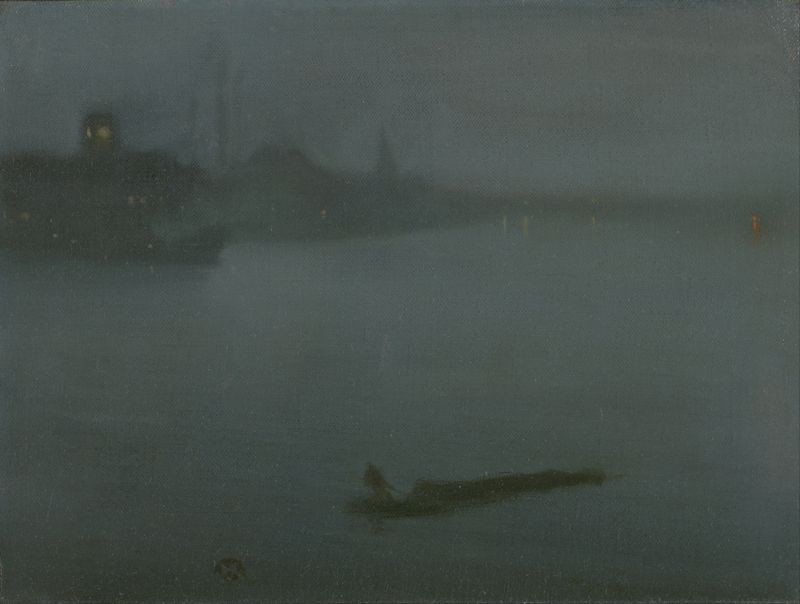
Nocturne in Blue and Silver
James Abbott McNeill Whistler
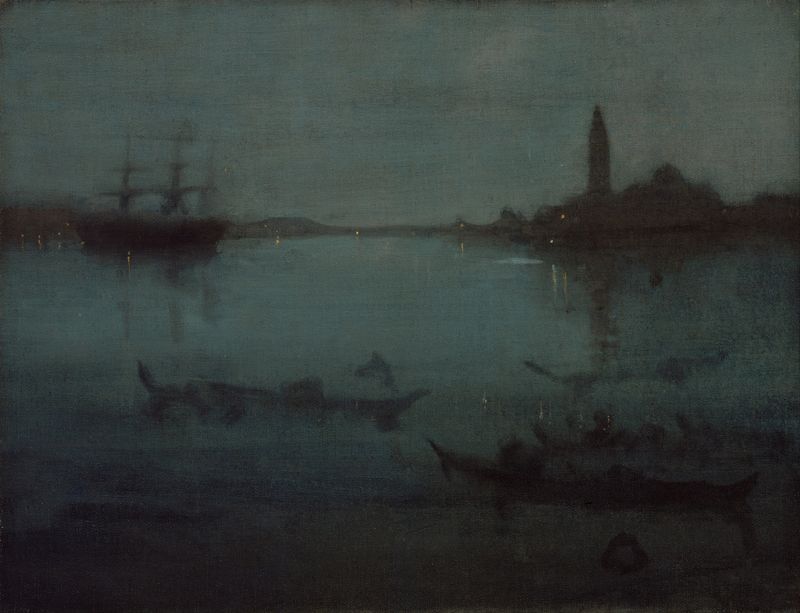
Nocturne in Blue and Silver- The Lagoon, Venice
James Abbott McNeill Whistler
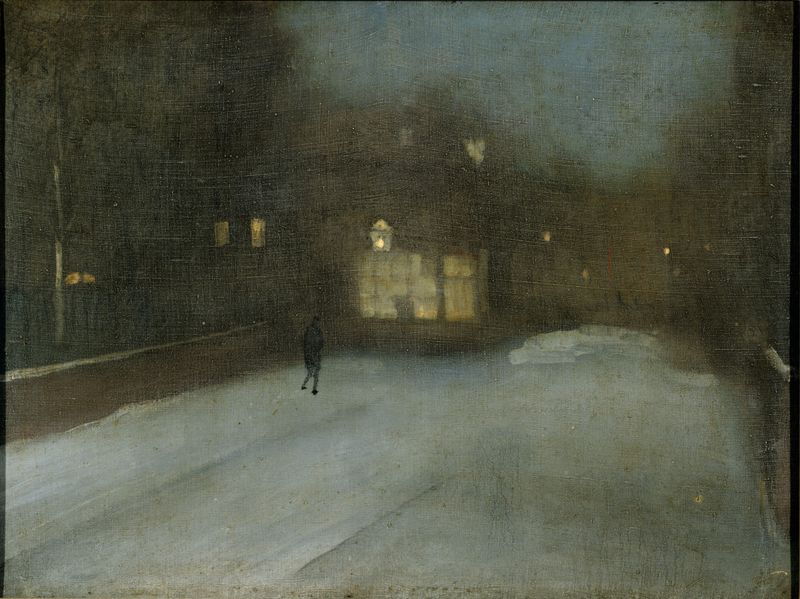
Nocturne in Grey and Gold: Chelsea Snow
James Abbott McNeill Whistler
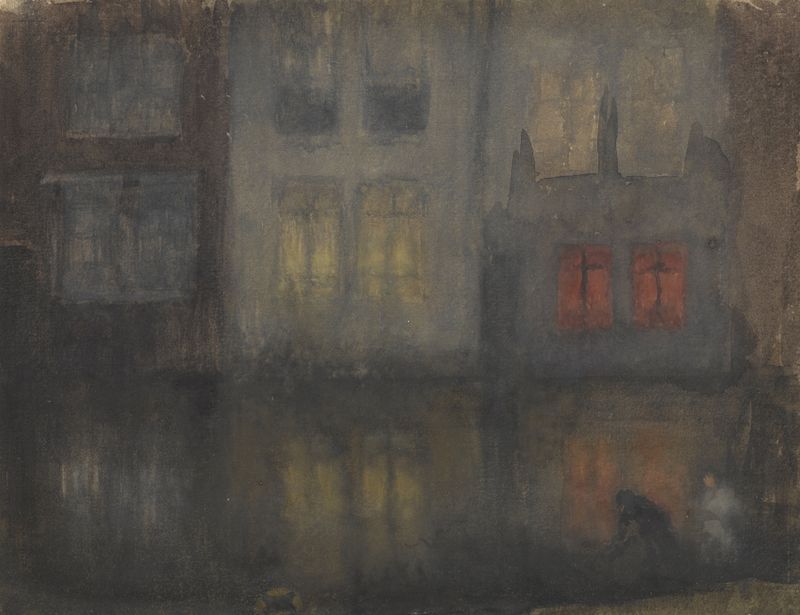
Nocturne: Black and Red—Back Canal, Holland
James Abbott McNeill Whistler
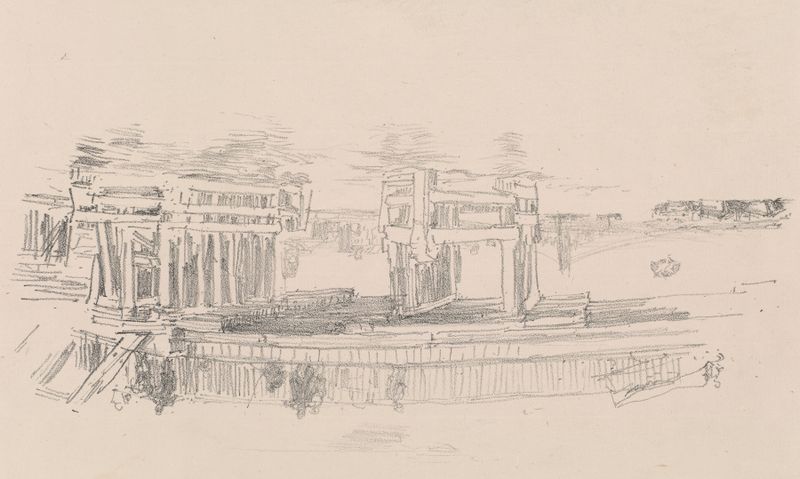
Old Battersea Bridge
James Abbott McNeill Whistler

Nocturne: Blue and Silver–Battersea Reach
James Abbott McNeill Whistler
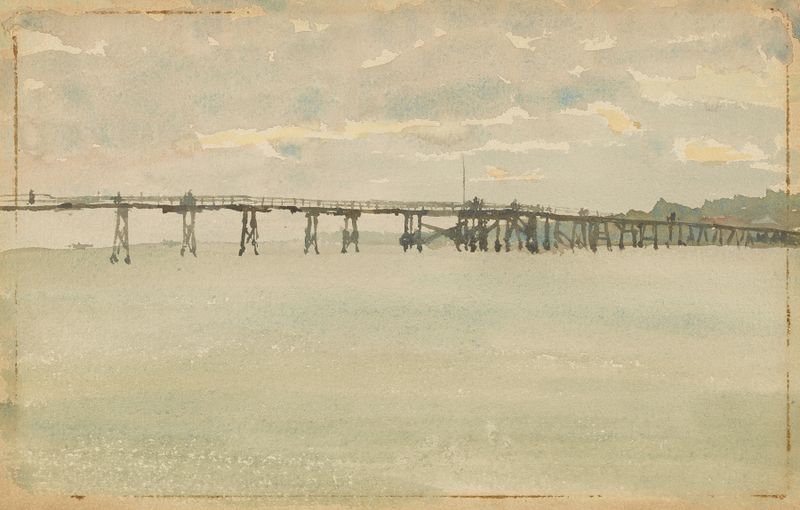
Grey and Silver–Pier, Southend
James Abbott McNeill Whistler
More Portrait Art
Browse all →
Las meninas
Diego Velázquez

Self-portrait with a Bandaged Ear and Pipe
Unidentified artist

Girl with a Pearl Earring
Johannes Vermeer

The Sampling Officials of the Amsterdam Drapers’ Guild, Known as ‘The Syndics’
Rembrandt van Rijn

The Hundred Guilder Print: the man seen on the back in the lower left corner
Rembrandt van Rijn

Portrait of Dr Gachet
Vincent van Gogh