
Brown’s Oak — History & Facts
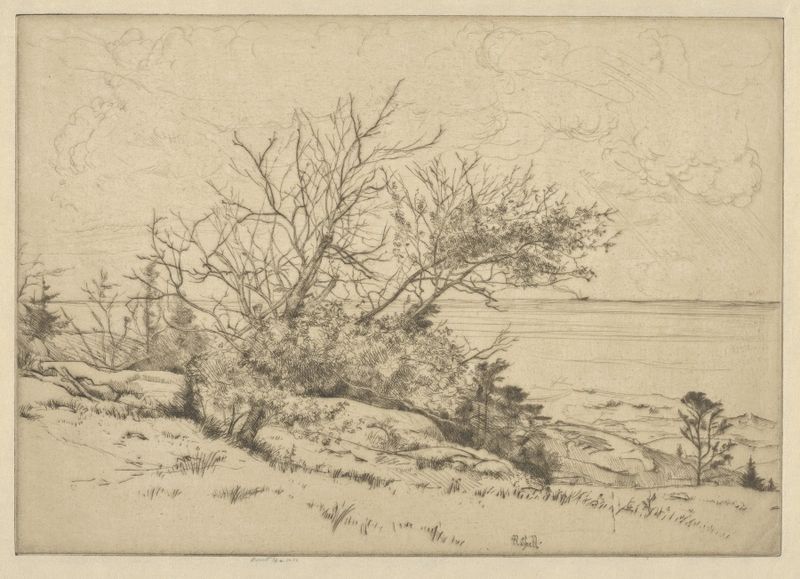
Could beauty survive in a century of chaos? In a world filled with relentless change, nostalgia clings to the past, whispering stories through the rustling leaves of a solitary oak. Look to the center, where the majestic oak stands, its gnarled branches reaching outward like arms embracing forgotten memories. The canvas is drenched in warm browns and soft greens, evoking the embrace of nature. Notice how the sunlight filters through the leaves, casting playful shadows on the ground, creating patterns that seem to dance.
Each brushstroke conveys Haskell’s love for the landscape, drawing the eye into the intricate textures of bark and leaf. This painting speaks volumes about the relationship between permanence and transience. The oak, sturdy yet solitary, suggests resilience amid change, a silent witness to the passage of time. The subtle variations in color capture not only the tree's vitality but also evoke a sense of loss, hinting at the forgotten stories and memories rooted in its presence.
The juxtaposition of the robust tree against the soft, fading background reflects the tension between nature's endurance and human fragility. Created around 1910, this work emerged during a period of great artistic experimentation in America. Haskell, inspired by the natural world, was part of the Arts and Crafts movement, which sought authenticity in craftsmanship and a return to nature. While the world grappled with industrial growth and social upheaval, he turned his focus inward, celebrating the simplicity and beauty of the landscapes that surrounded him.
More Artworks by Ernest Haskell
Browse all →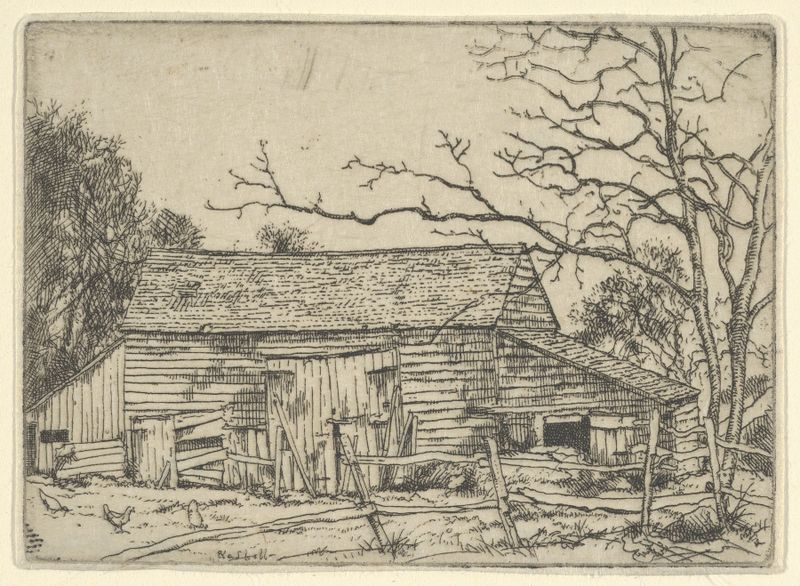
The Barn–Staten Island, N.Y.
Ernest Haskell

Four Live Oaks
Ernest Haskell
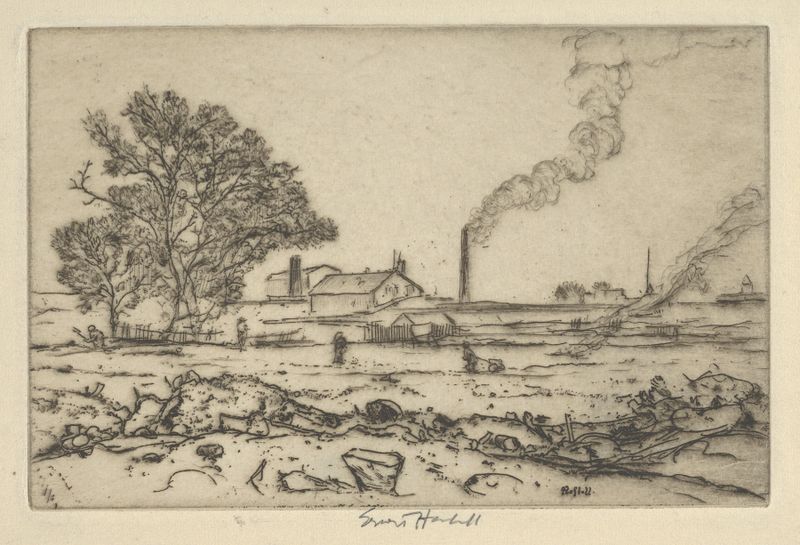
Outskirts of Boston
Ernest Haskell
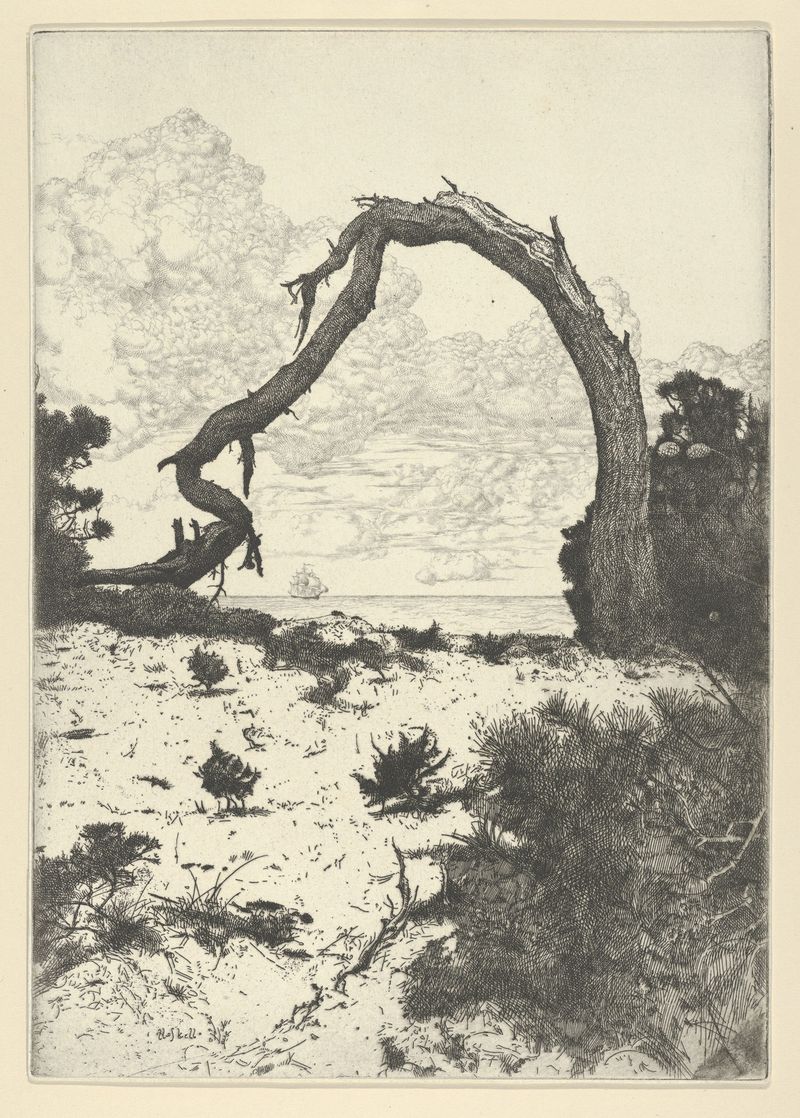
Pine Arch
Ernest Haskell

General Sherman
Ernest Haskell
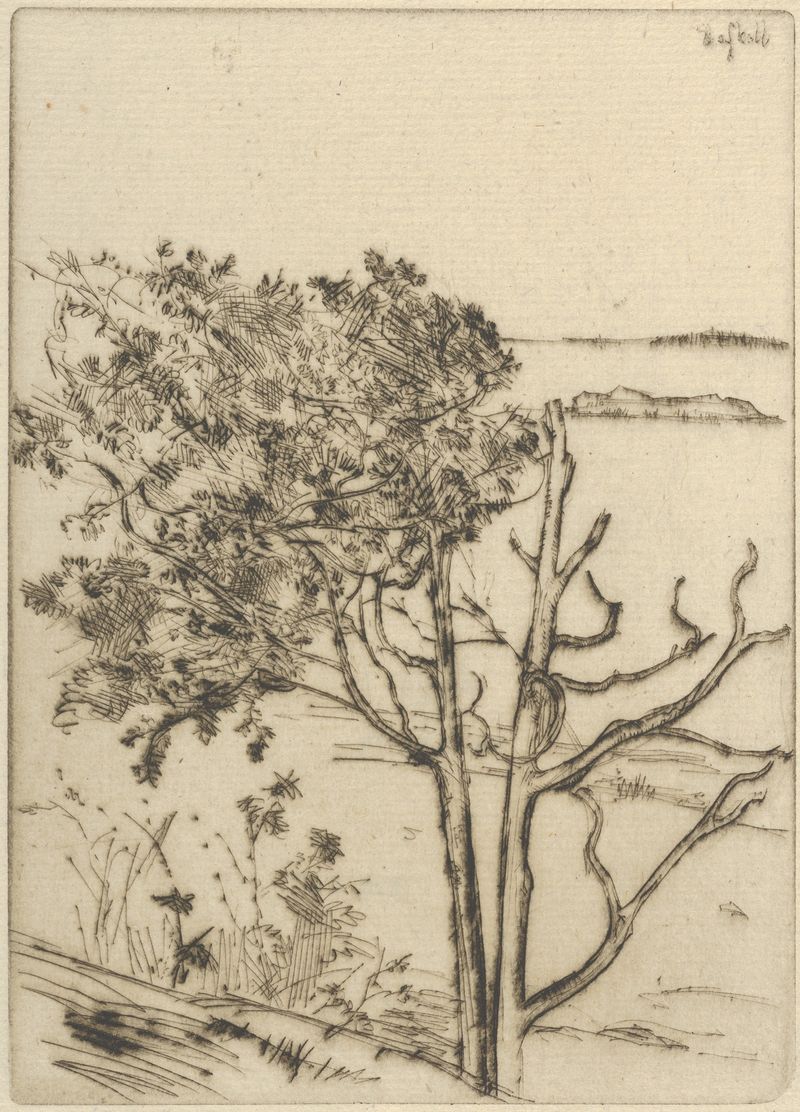
Ragged Tree – Maine
Ernest Haskell

Tide Mill
Ernest Haskell

Ship Building
Ernest Haskell
To the Southward – Ragged Island, Me.
Ernest Haskell
Long Island Marshes
Ernest Haskell





