
Brug in de Baarsjes — History & Facts
Who listens when art speaks of silence? In Brug in de Baarsjes, a quiet bridge spans still waters, inviting contemplation and hope amid the tranquil embrace of nature. Look to the center of the canvas, where the bridge, delicately rendered, arches over the serene canal. The subtle hues of green and brown reflect the tranquility of the surrounding landscape, while soft strokes of light dance upon the water’s surface, creating a harmonious balance. Notice how the gentle ripples echo the arching form of the bridge, drawing your gaze gracefully from one side to the other, as if inviting you to step into this serene moment. Within the stillness, layers of meaning emerge; the bridge symbolizes connection and transition, a passage between past and future.
The muted colors suggest a languid afternoon, yet the interplay of light infuses the scene with an underlying sense of hope, as if whispering of new beginnings. The absence of figures amplifies this feeling, allowing viewers to project their own stories onto the landscape, turning the painting into an introspective journey. Created in 1895, this work by Pieter Dupont emerged during a time of artistic exploration in the Netherlands, where Impressionism was beginning to intertwine with traditional Dutch landscape painting. Dupont, reflecting the broader art movements of his era, sought to capture the fleeting beauty of daily life and nature.
His quiet yet evocative scenes align with a collective yearning for solace and reflection during a period of rapid change.
More Artworks by Pieter Dupont
Browse all →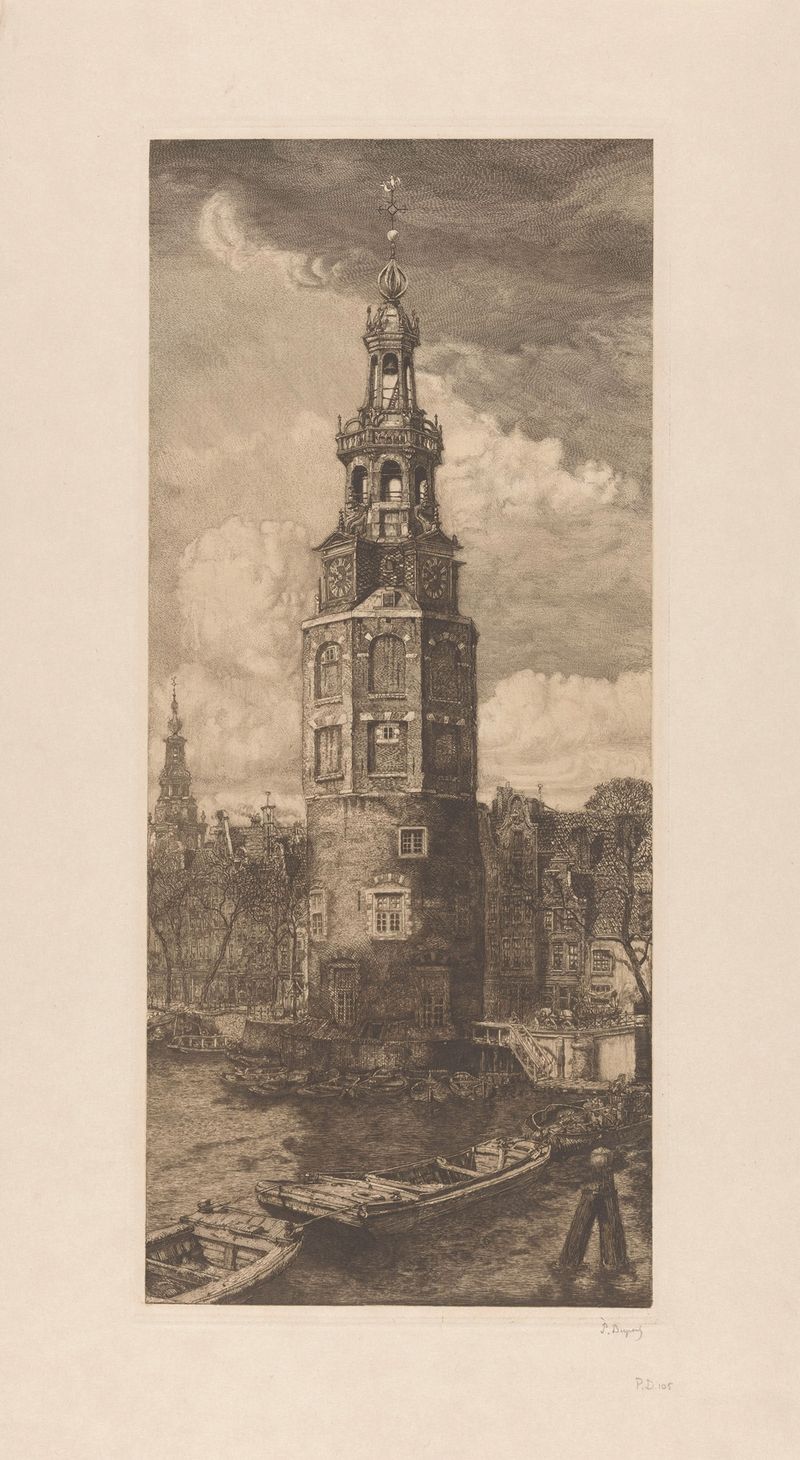
Montelbaanstoren aan de Oudeschans in Amsterdam
Pieter Dupont
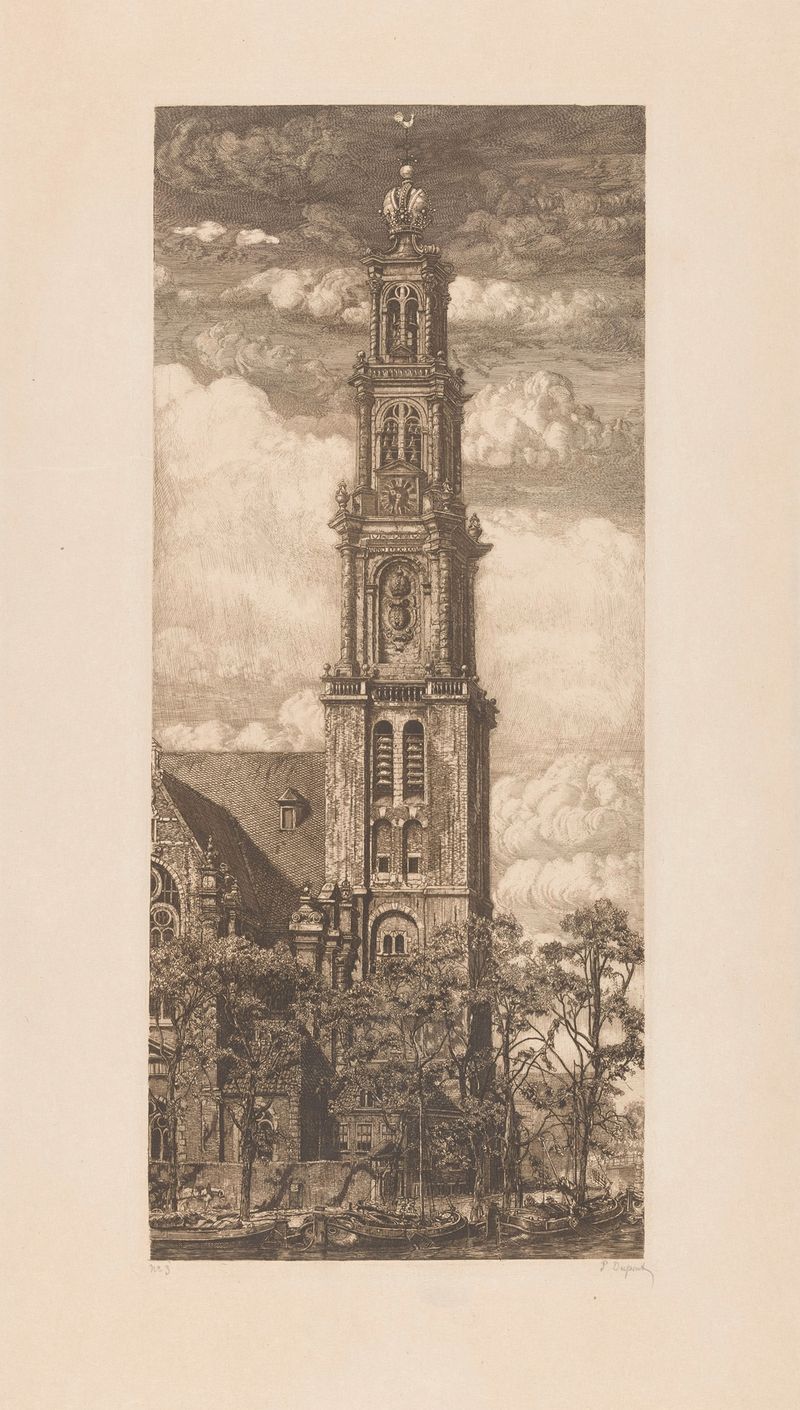
Westertoren in Amsterdam
Pieter Dupont
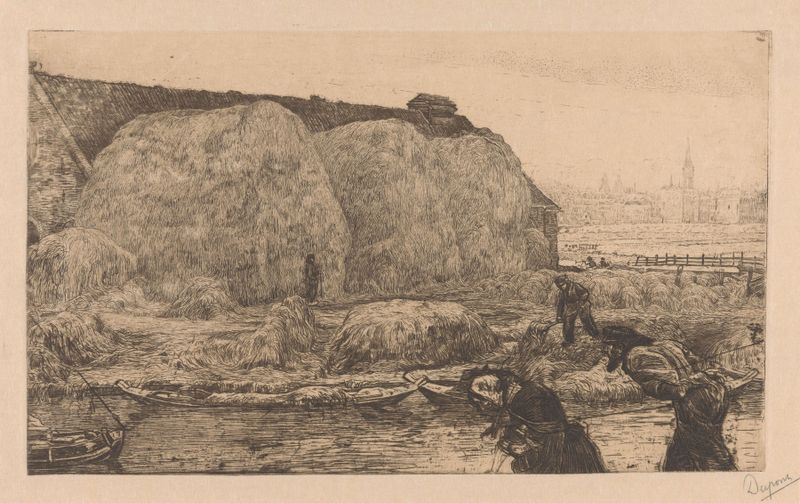
Boerderij met hooischelven aan het Jaagpad in Amsterdam
Pieter Dupont
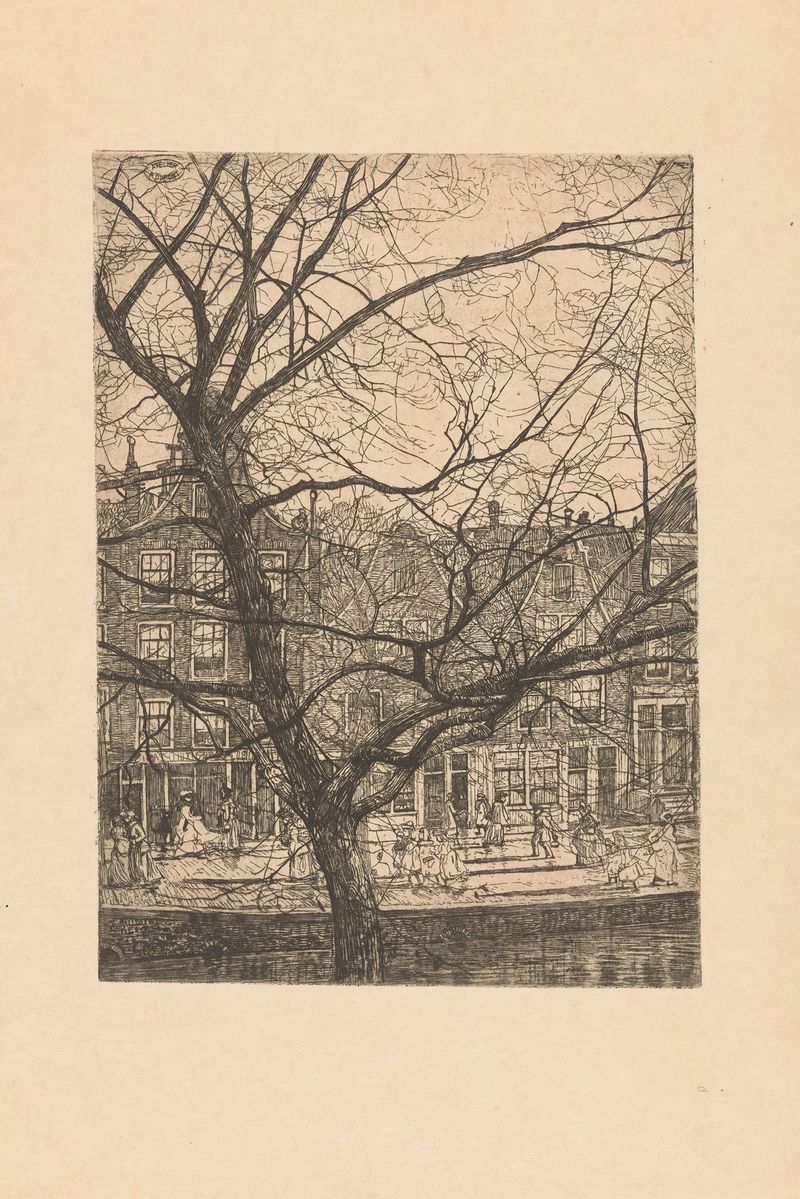
Grachtenhuizen met halsgevels in Amsterdam
Pieter Dupont
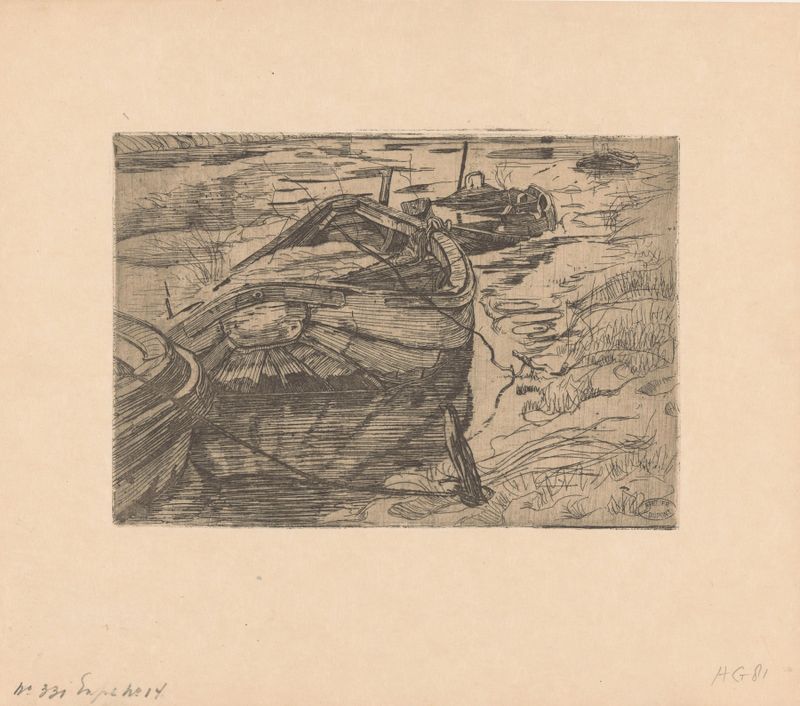
Afgemeerde roeiboten in een sloot
Pieter Dupont
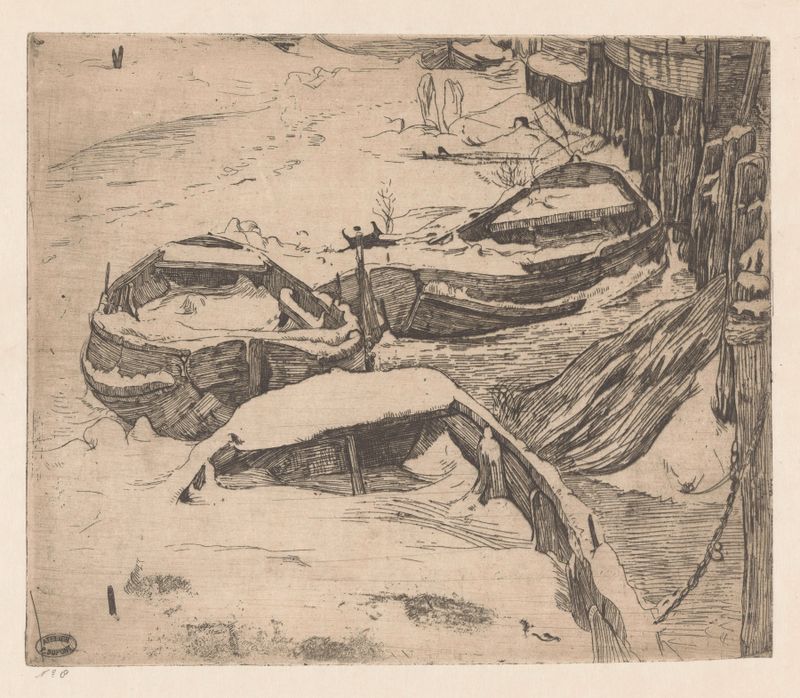
Drie besneeuwde roeiboten bij een wal
Pieter Dupont
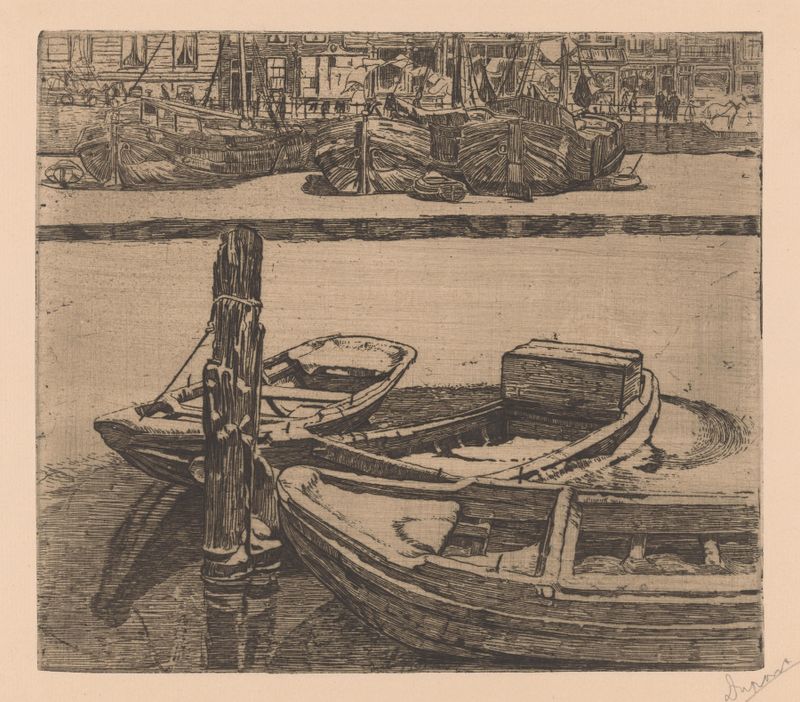
Schepen in het Damrak in Amsterdam
Pieter Dupont
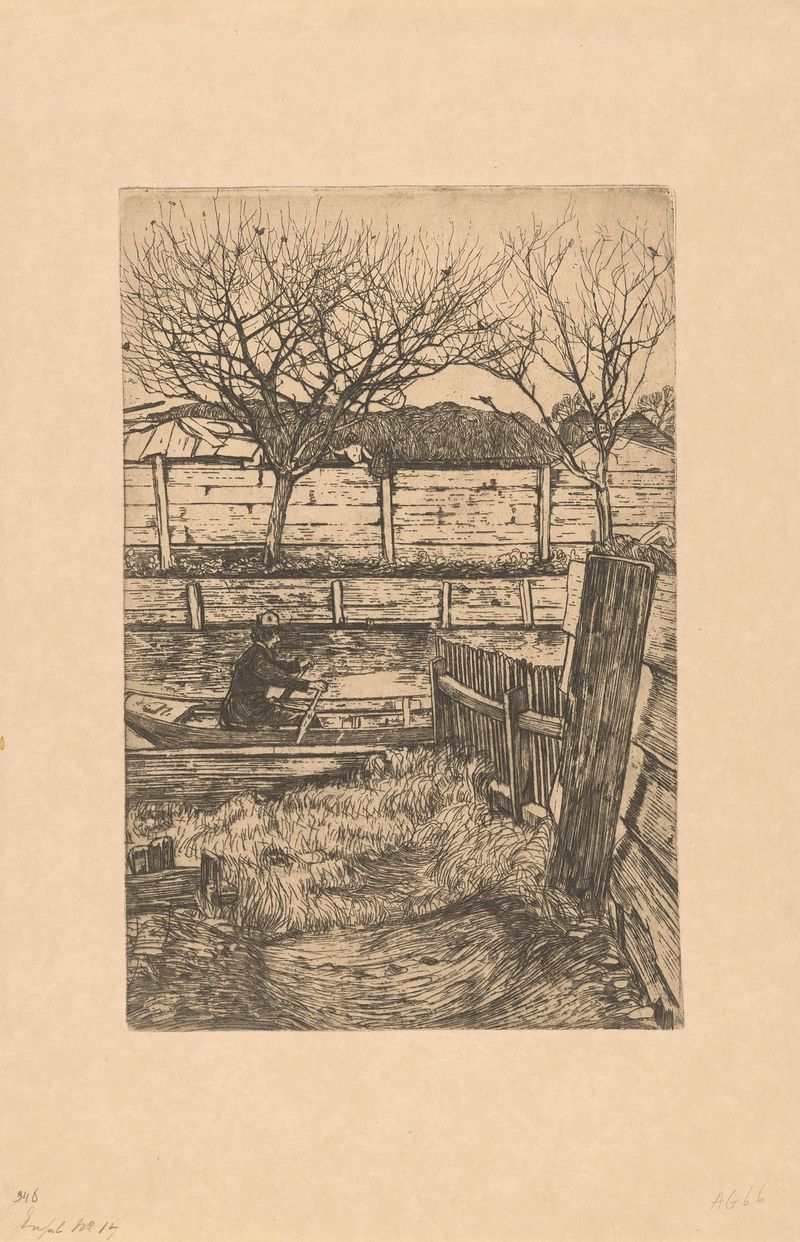
Man in een roeiboot, waarschijnlijk bij de Slatuinen in Amsterdam
Pieter Dupont
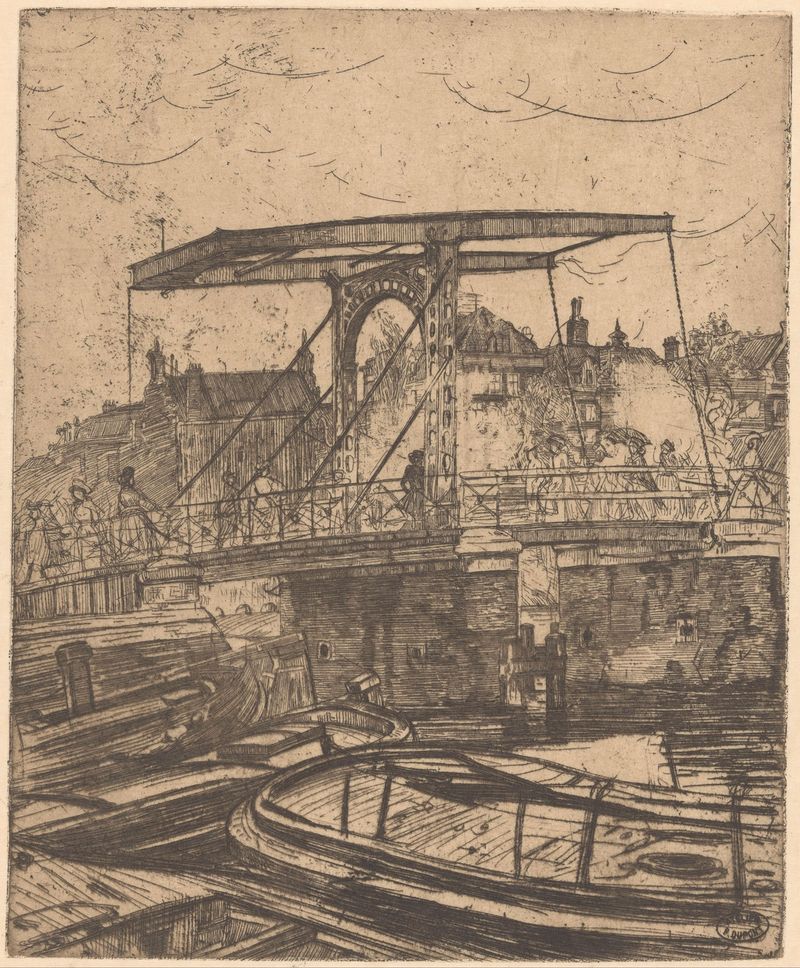
Magere Brug in Amsterdam
Pieter Dupont
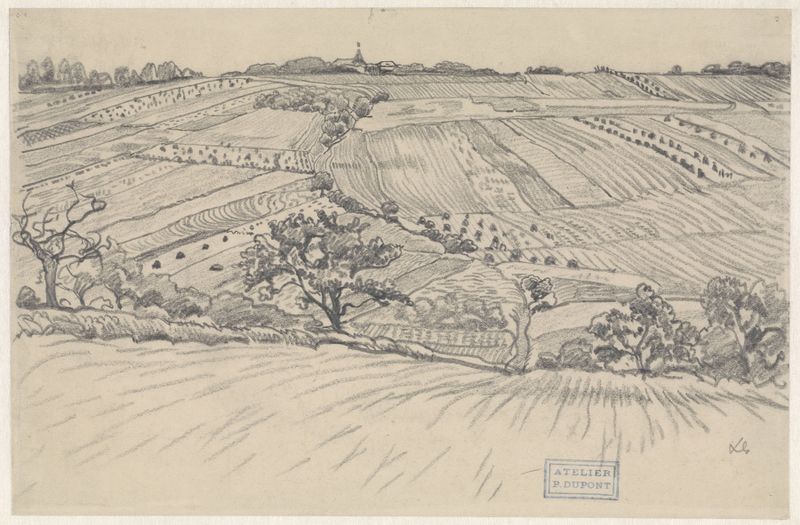
Heuvelachtig landschap met korenvelden
Pieter Dupont





