
Brug in Delft. — History & Facts
In the delicate dance of light and shadow, reflections serve as both a mirror and a memory, beckoning us to pause and consider the fleeting moments we let slip away. Focus on the water's surface, where the bridge arches gracefully, mirrored in the calm reflections below. Notice the soft hues of blue and grey that envelop the scene, inviting tranquility. The brushstrokes create an ethereal effect, blurring the lines between reality and dreams.
As you explore the foreground, the lush greenery frames the composition, leading your eye toward the gentle curve of the bridge and the buildings beyond, each detail a whisper of history. Beneath the serene exterior lies a tension between permanence and transience. The bridge stands steadfast, yet its reflection ripples, suggesting the inevitability of change. The interplay of light reveals the passage of time, evoking a sense of nostalgia and longing.
Each element—water, architecture, and nature—echoes the complexities of memory; what we cherish often exists in a delicate state of flux. Willem Adrianus Grondhout painted this piece during a period of profound change in the art world, between 1888 and 1934. Living in the Netherlands, he was influenced by the transition from traditional realism to emerging modernist movements. At that time, he sought to capture the tranquility of Dutch landscapes while reflecting on the deeper themes of memory and time, marking his work as both a record of place and an exploration of human experience.
More Artworks by Willem Adrianus Grondhout
Browse all →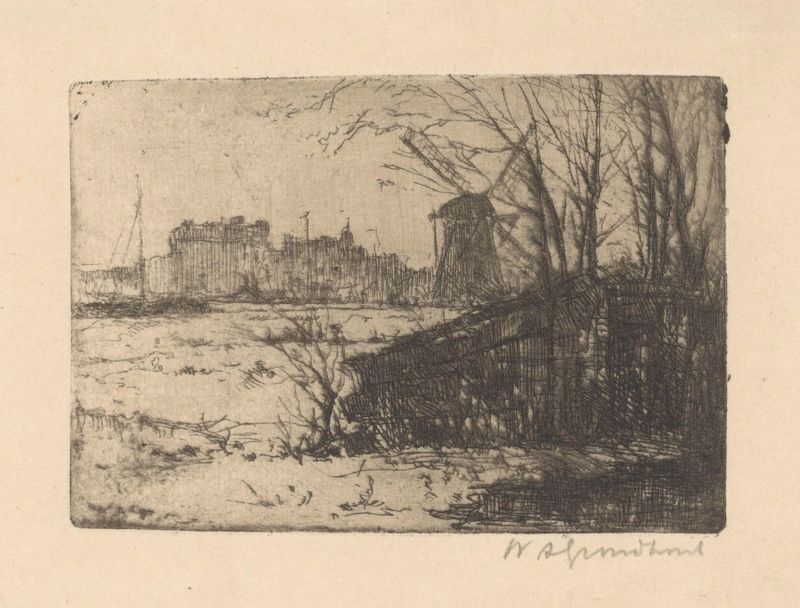
Landschap met molen in de Binckhorst in Den Haag
Willem Adrianus Grondhout
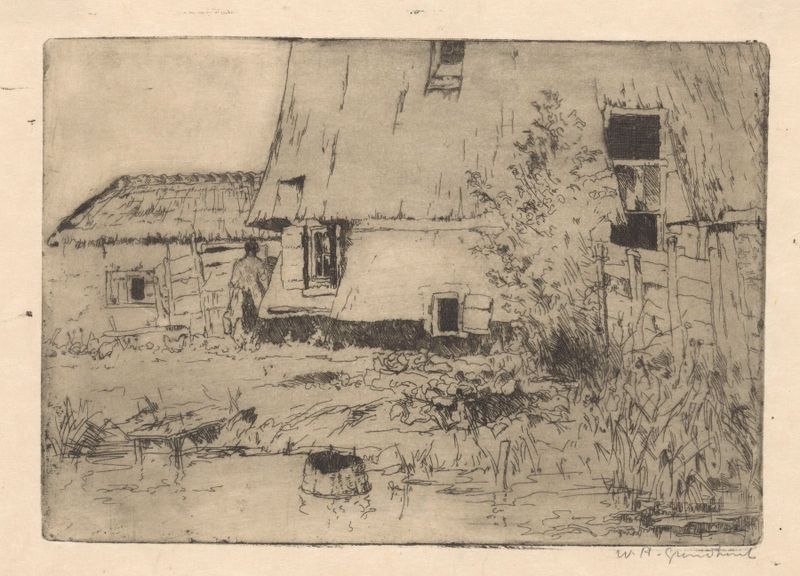
Voet van een molen in Voorburg
Willem Adrianus Grondhout
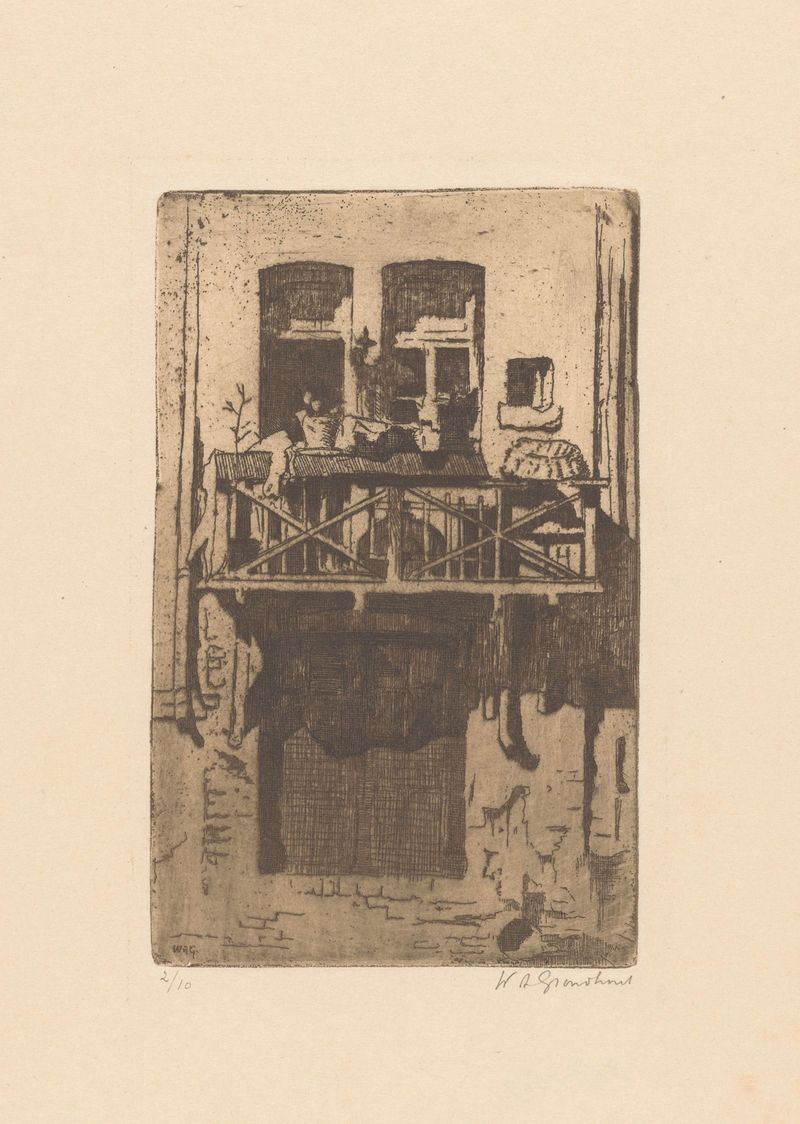
Balkon van een huis aan de Oudezijds Kolk in Amsterdam
Willem Adrianus Grondhout
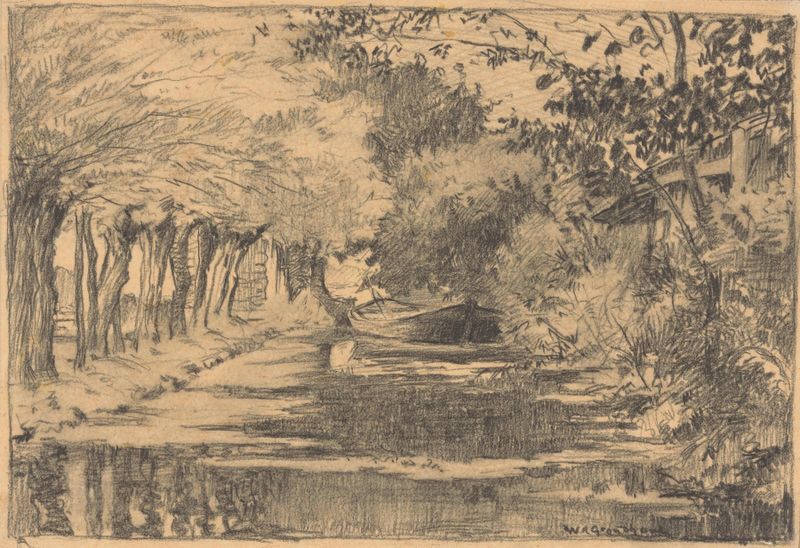
Broeksloot bij Voorburg
Willem Adrianus Grondhout
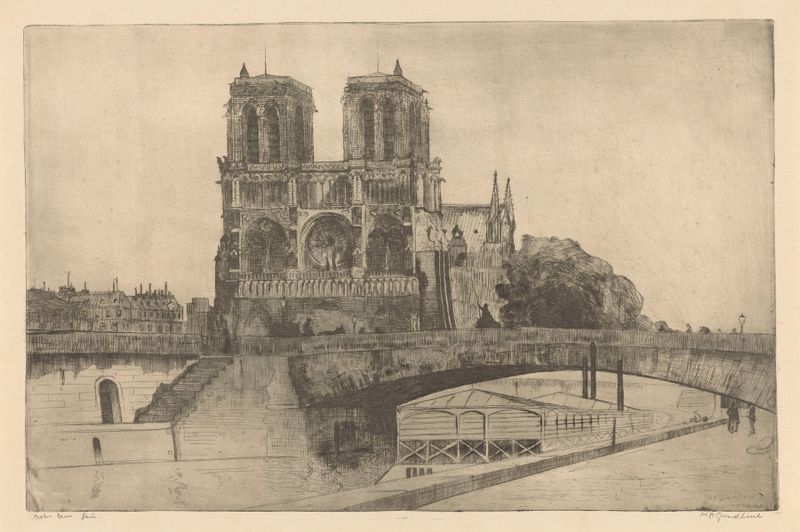
Notre-Dame, Paris
Willem Adrianus Grondhout
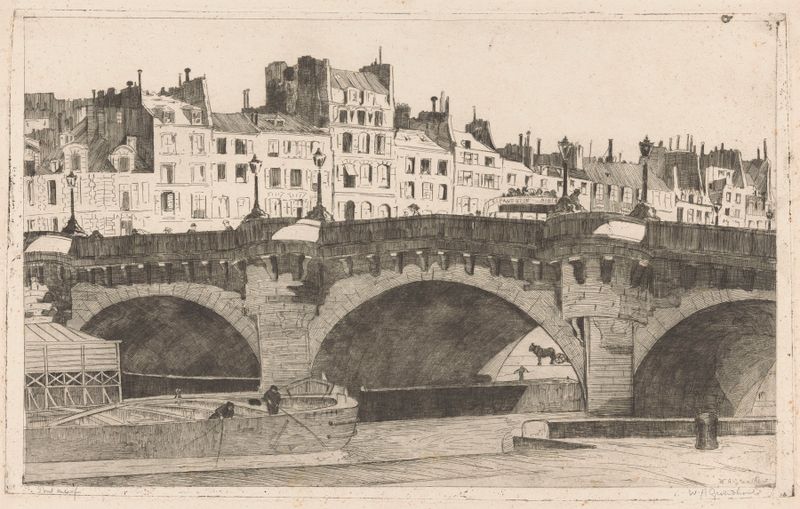
Pont Neuf
Willem Adrianus Grondhout
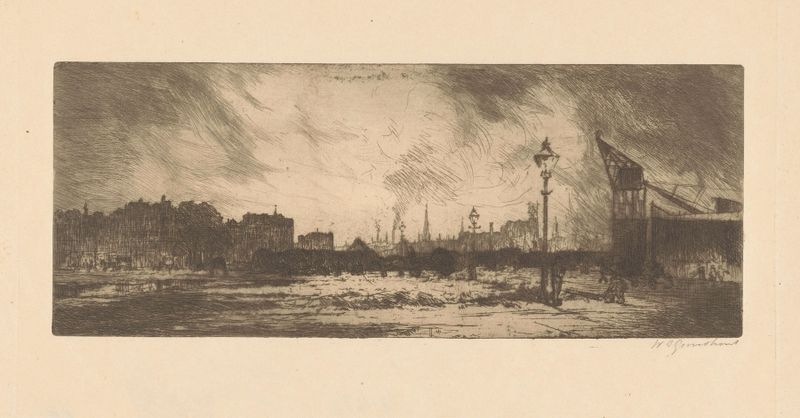
Havenkade met lantaarnpalen in Rotterdam
Willem Adrianus Grondhout
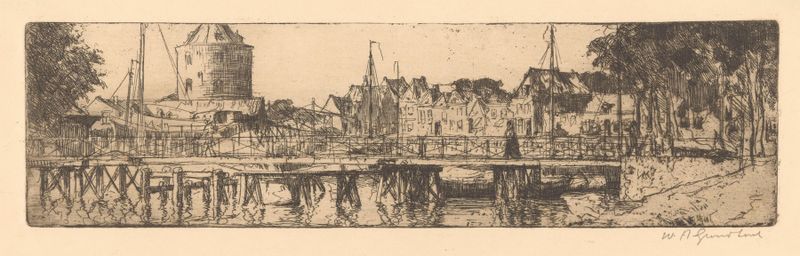
Enkhuizen
Willem Adrianus Grondhout
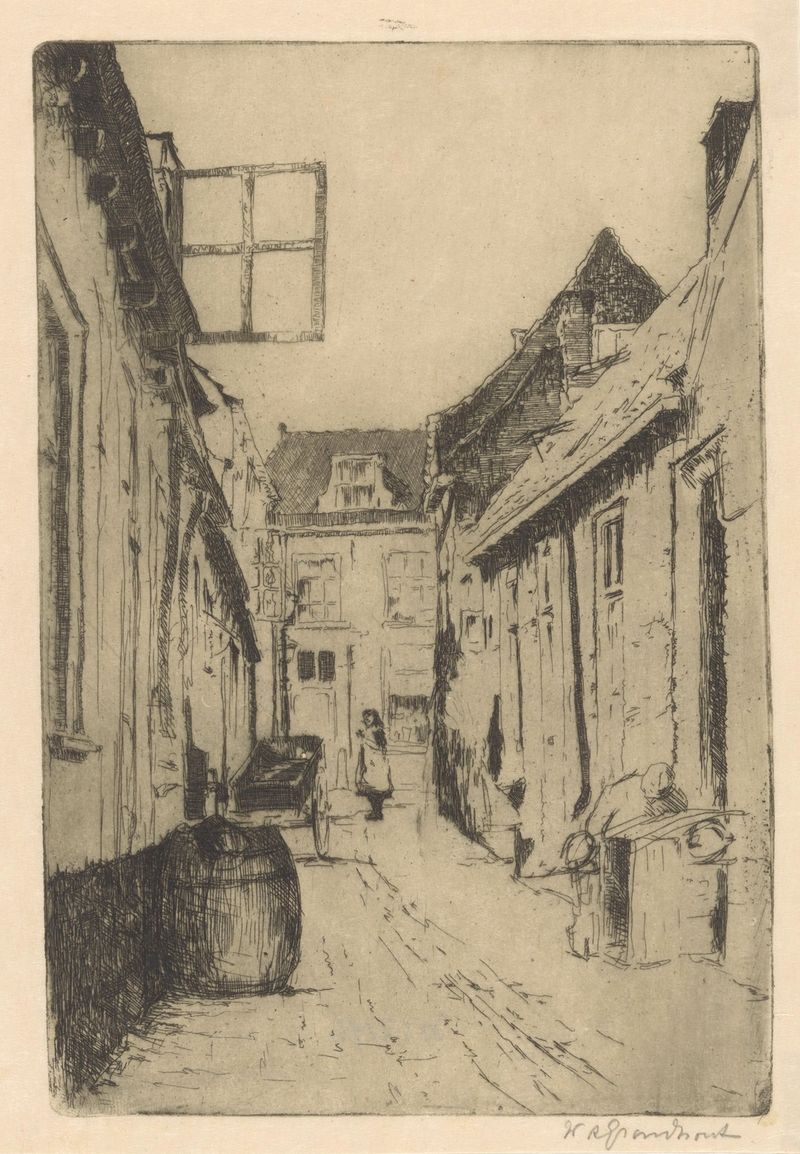
Straatje in Voorburg.
Willem Adrianus Grondhout
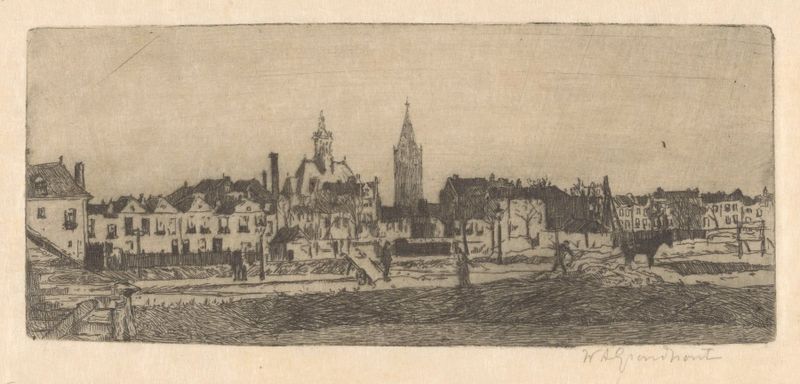
Delft
Willem Adrianus Grondhout





