
Brug in Delft — History & Facts
In moments of loss, we find ourselves suspended between memory and reality, caught in a delicate dance of reflection. Here, within the confines of paint and canvas, the weight of grief murmurs softly, echoing through the intricate strokes. Look closely to the left, where the bridge emerges, its arch gracefully curving over the water. The subtle interplay of blues and greens captures the fleeting light, reflecting the sky’s melancholy hues.
Notice how the brushwork, at times delicate and at others bold, mirrors the emotional turbulence beneath the surface, inviting the viewer to traverse the image as one might walk across that very bridge. Hints of disconnection greet you in the figures that appear distant, lost in their own thoughts, embodying the essence of solitude amidst a gathering storm. The stillness of the water contrasts sharply with the restless skies above, a visual metaphor for the tumult of emotions that often accompanies loss. Each stroke of the brush becomes a testament to what is absent, creating a haunting sense of longing that resonates deeply within the heart. During the years between 1888 and 1934, the artist found himself enveloped in a world marked by rapid change and uncertainty.
Working primarily in the Netherlands, he was influenced by the emergence of Modernism and the evolving landscape of Dutch cities. This period shaped the themes of his work, reflecting not only the external environment but also the internal struggles of a society grappling with loss and identity.
More Artworks by Willem Adrianus Grondhout
Browse all →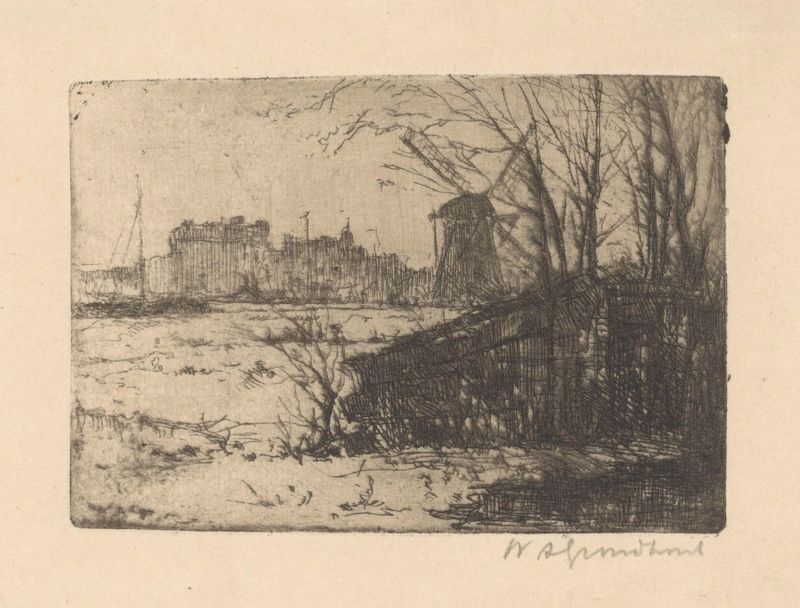
Landschap met molen in de Binckhorst in Den Haag
Willem Adrianus Grondhout
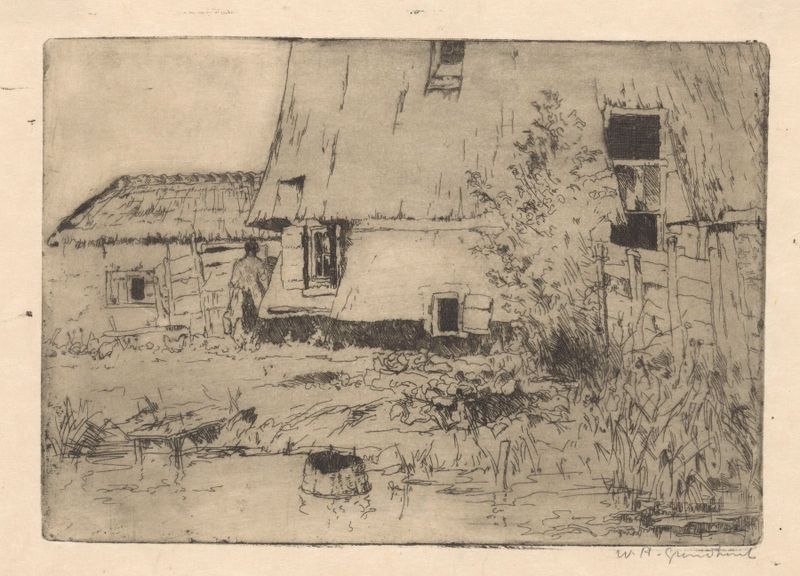
Voet van een molen in Voorburg
Willem Adrianus Grondhout
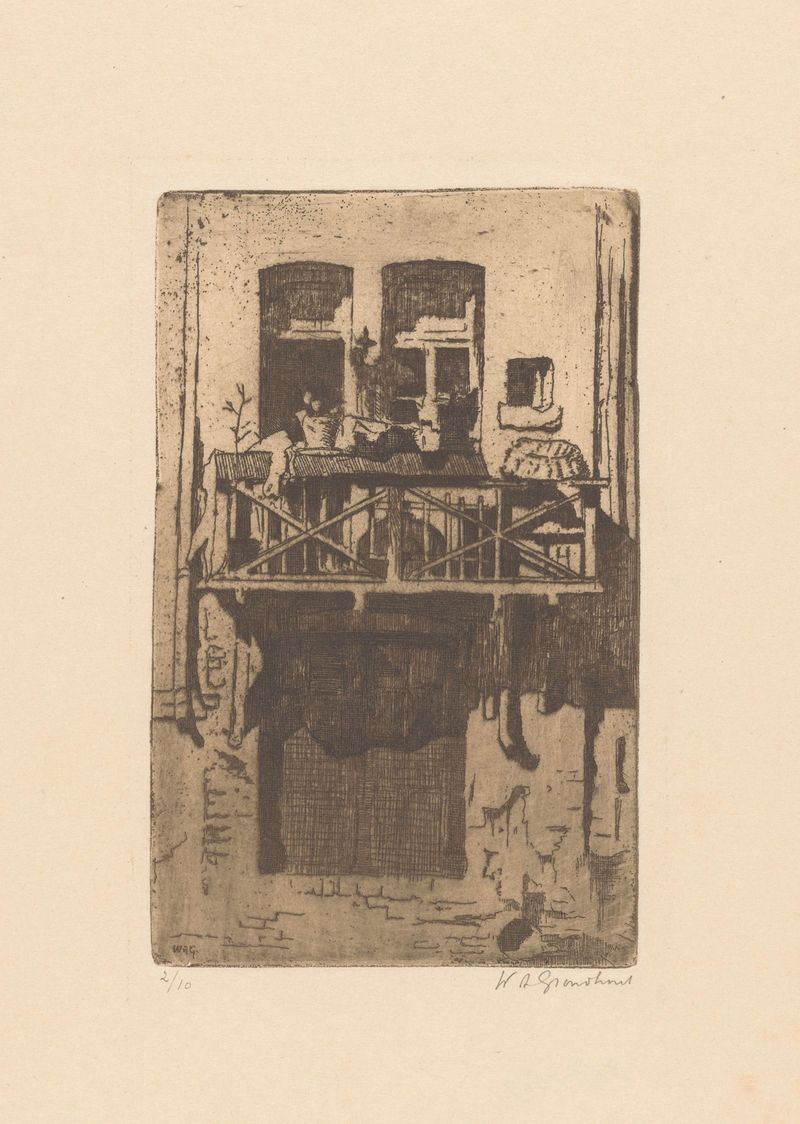
Balkon van een huis aan de Oudezijds Kolk in Amsterdam
Willem Adrianus Grondhout
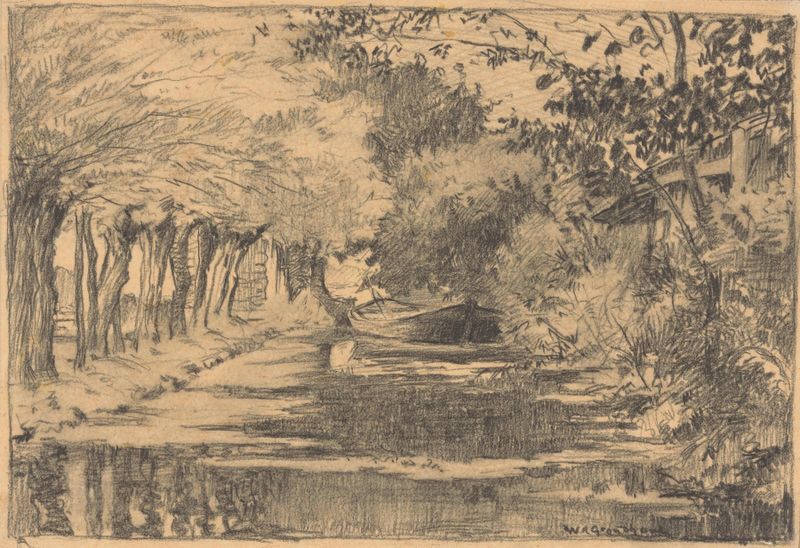
Broeksloot bij Voorburg
Willem Adrianus Grondhout
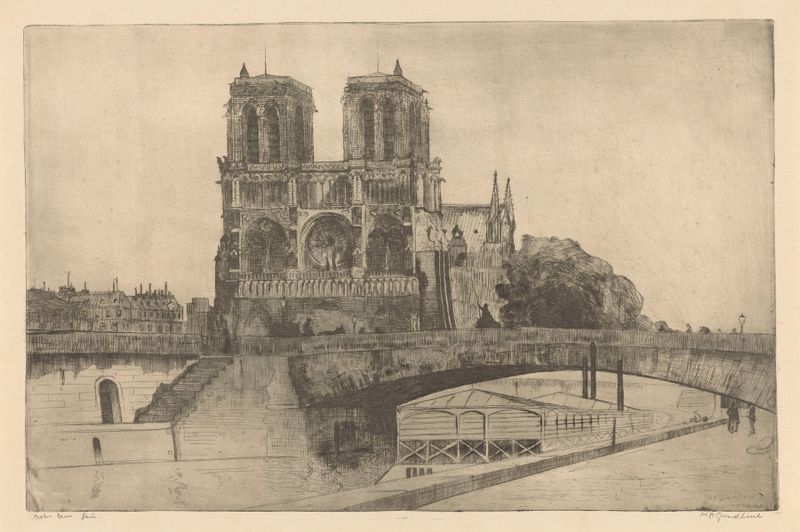
Notre-Dame, Paris
Willem Adrianus Grondhout
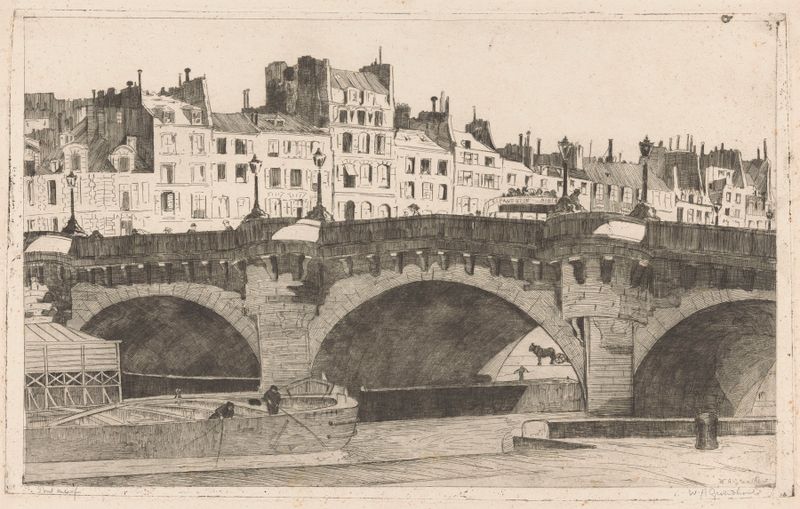
Pont Neuf
Willem Adrianus Grondhout
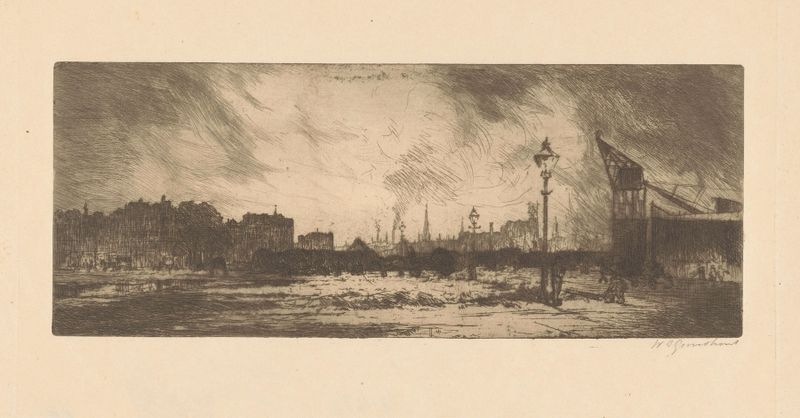
Havenkade met lantaarnpalen in Rotterdam
Willem Adrianus Grondhout
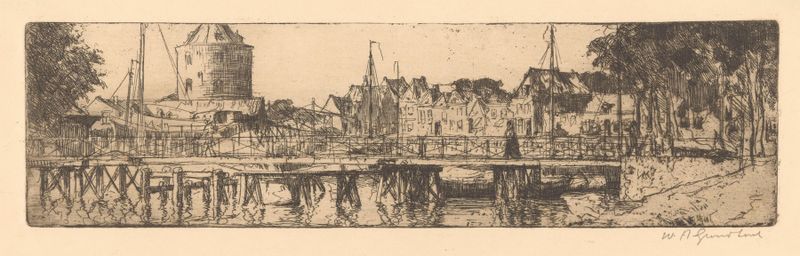
Enkhuizen
Willem Adrianus Grondhout
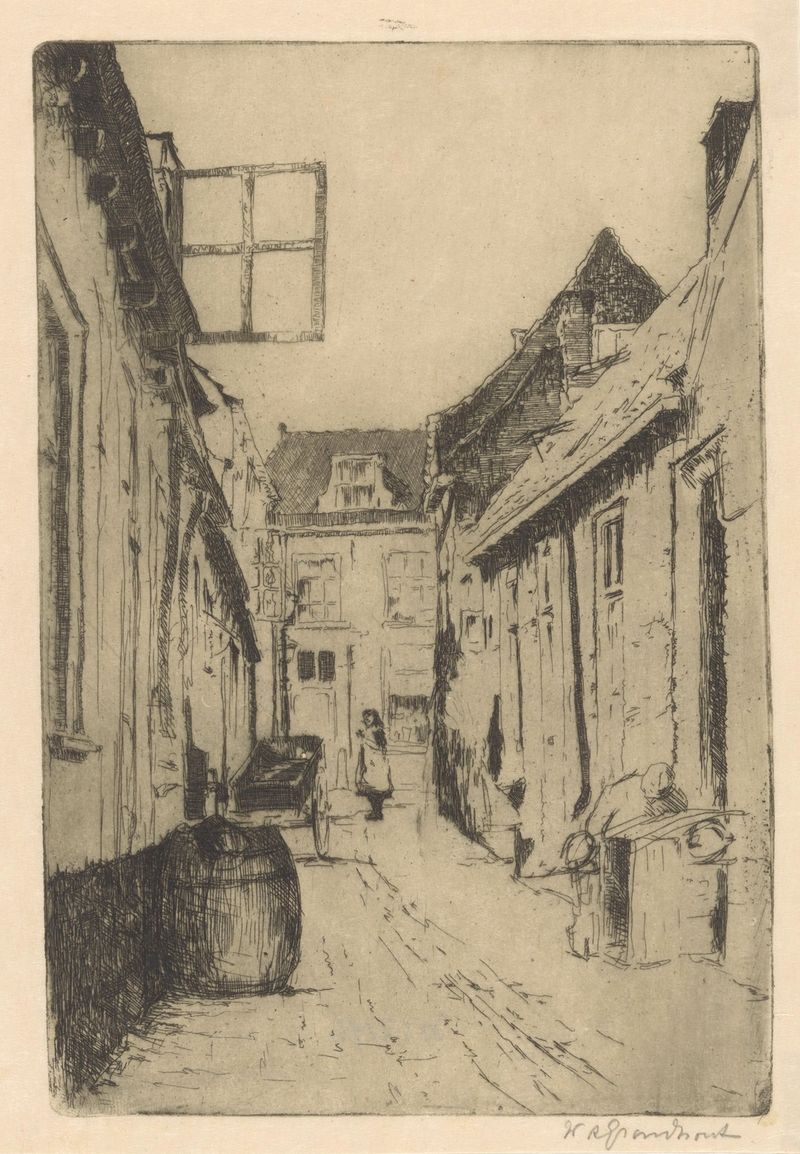
Straatje in Voorburg.
Willem Adrianus Grondhout
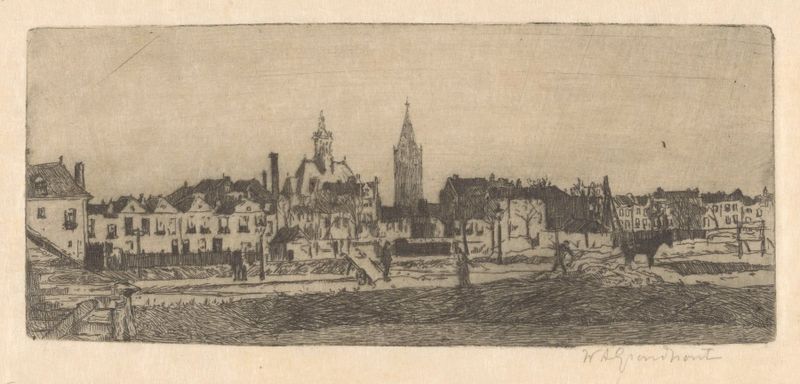
Delft
Willem Adrianus Grondhout





