
Brugge. — History & Facts
Did the painter know this moment would outlive them? In Brugge, a serene tableau crystallizes transient beauty, evoking a profound nostalgia for both the city and the passage of time. Look to the left at the delicate interplay of light and shadow on the cobblestone streets. The warm hues of ochre and soft blues cradle the quaint architecture, inviting you into a world both familiar and distant. The composition draws your eyes down the winding canal, where reflections ripple gently, mirroring the ethereal beauty above.
Each brushstroke feels deliberate, a careful choreography of color and form that captures the essence of this Flemish gem. The painting suggests a duality: the enduring charm of Brugge set against the inevitable march of time. The soft glow emanating from the windows hints at life within, while the still water and empty streets evoke a sense of longing. Here, the artist navigates the delicate balance between permanence and fleeting moments, inviting viewers to ponder what remains and what fades away. Created between 1888 and 1934, the artist immersed himself in the rich historical narrative of Brugge—a city steeped in medieval splendor.
During this period, he sought to capture the nuanced beauty of everyday life, responding to a growing appreciation for Impressionism. The world was in transition, and as art moved toward modernity, his work remained a tribute to the past, enshrining a moment that continues to resonate through the ages.
More Artworks by Willem Adrianus Grondhout
Browse all →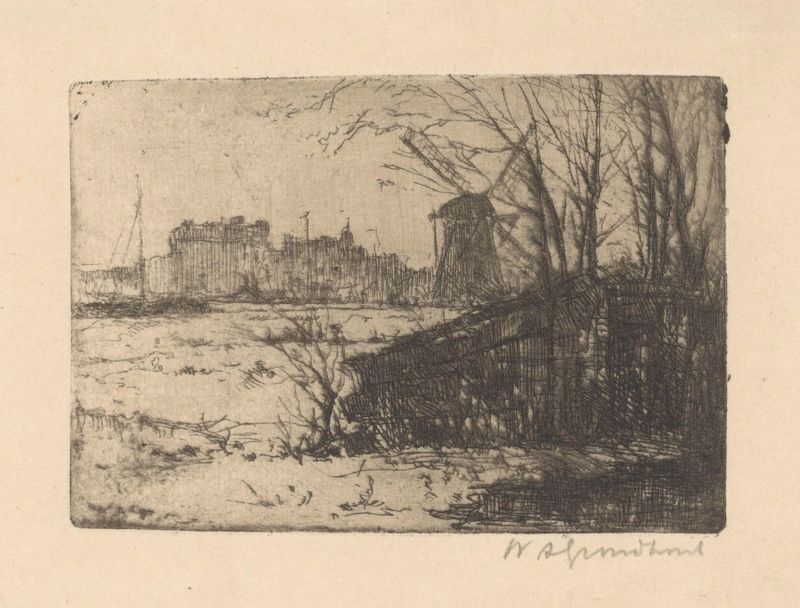
Landschap met molen in de Binckhorst in Den Haag
Willem Adrianus Grondhout
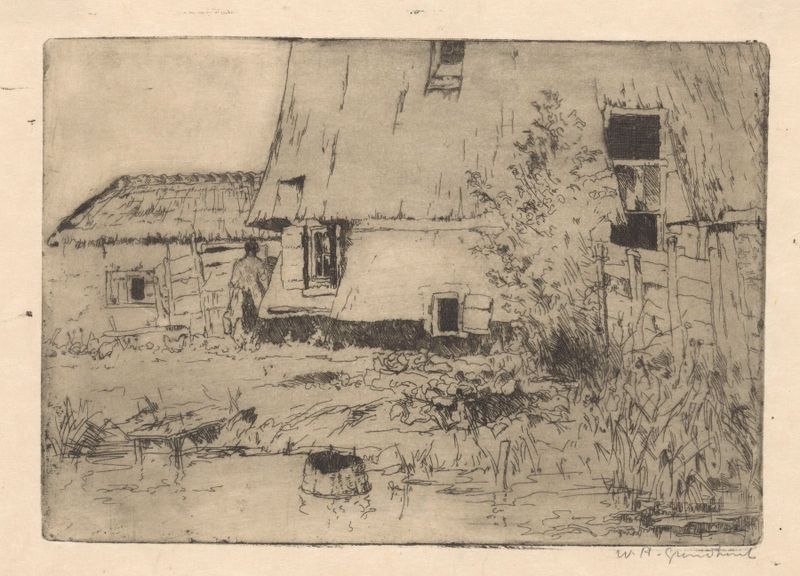
Voet van een molen in Voorburg
Willem Adrianus Grondhout
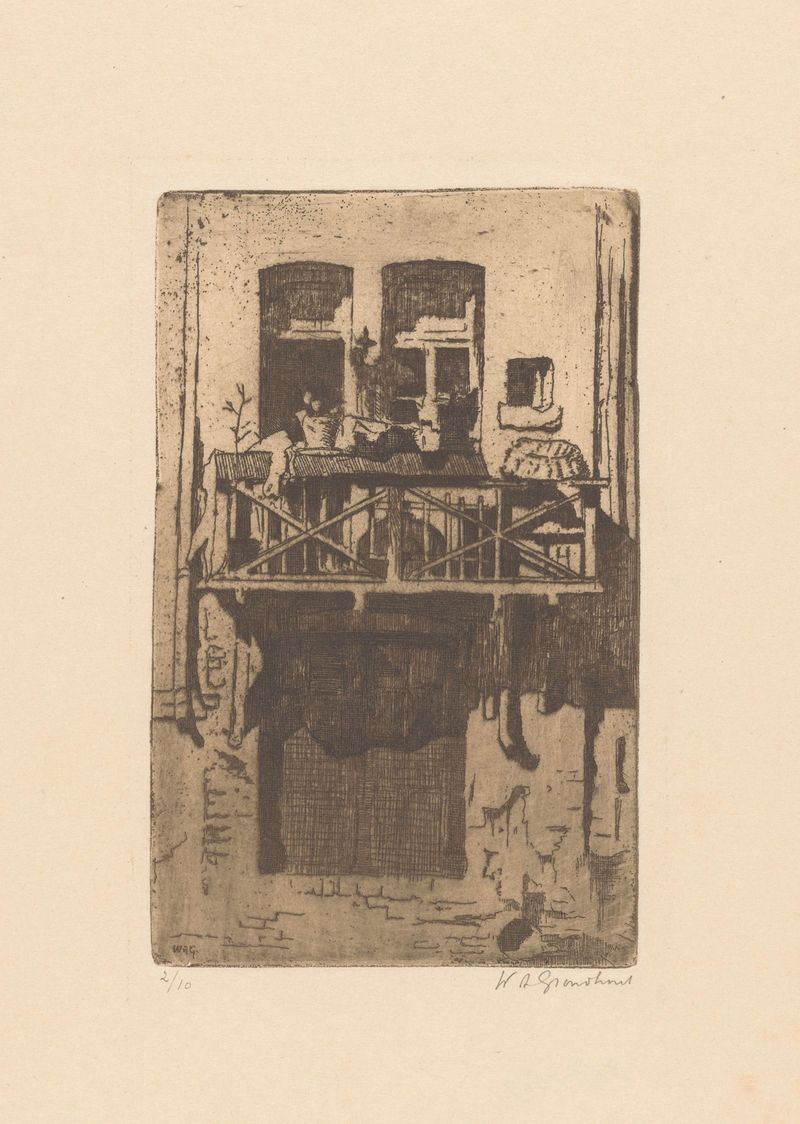
Balkon van een huis aan de Oudezijds Kolk in Amsterdam
Willem Adrianus Grondhout
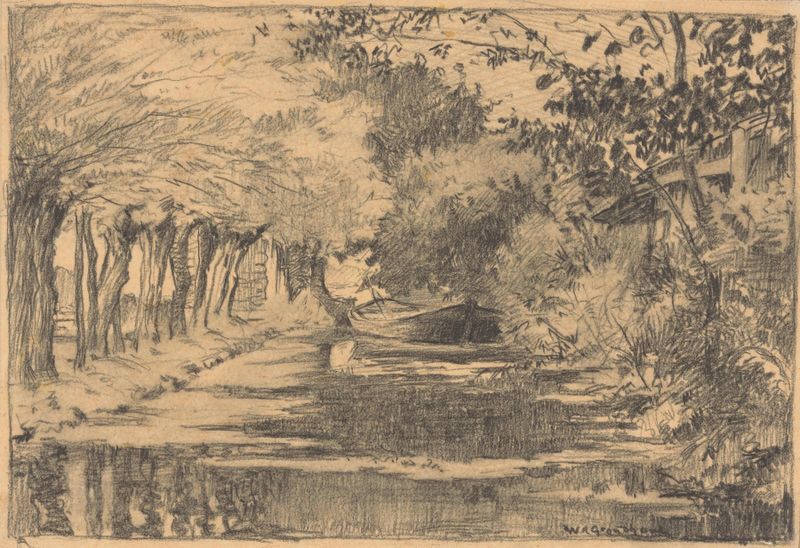
Broeksloot bij Voorburg
Willem Adrianus Grondhout
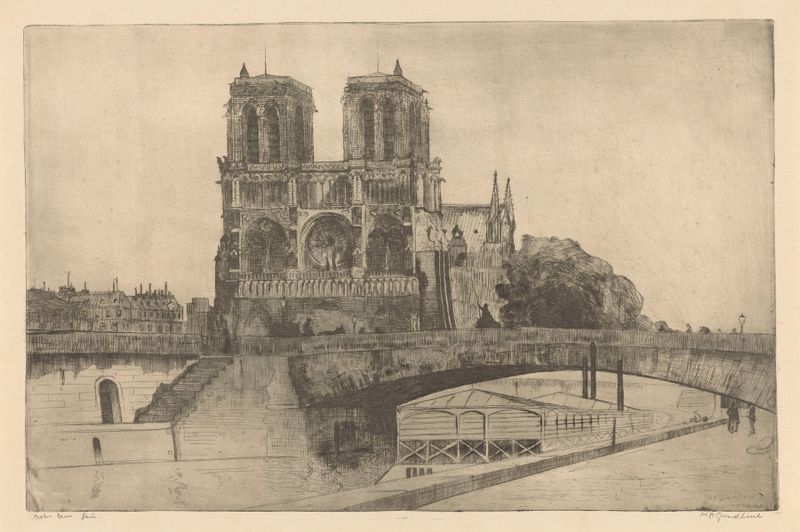
Notre-Dame, Paris
Willem Adrianus Grondhout
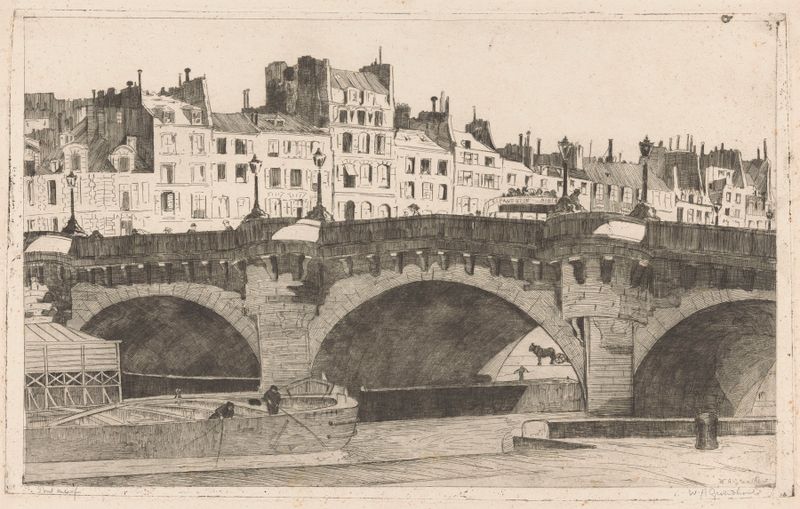
Pont Neuf
Willem Adrianus Grondhout
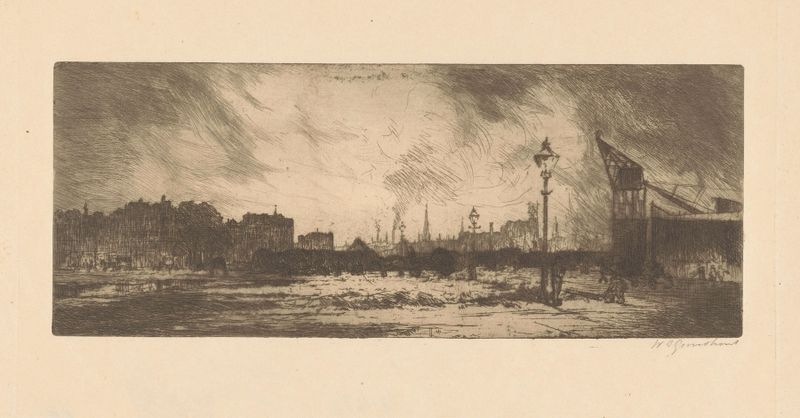
Havenkade met lantaarnpalen in Rotterdam
Willem Adrianus Grondhout
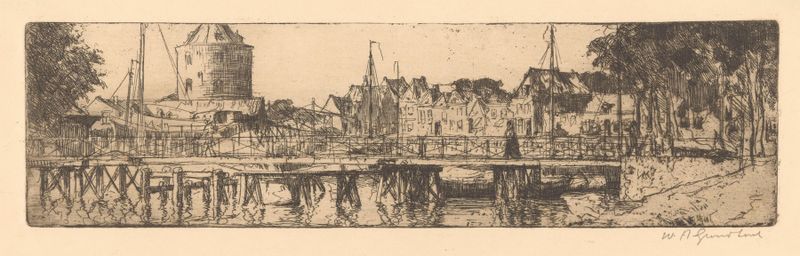
Enkhuizen
Willem Adrianus Grondhout
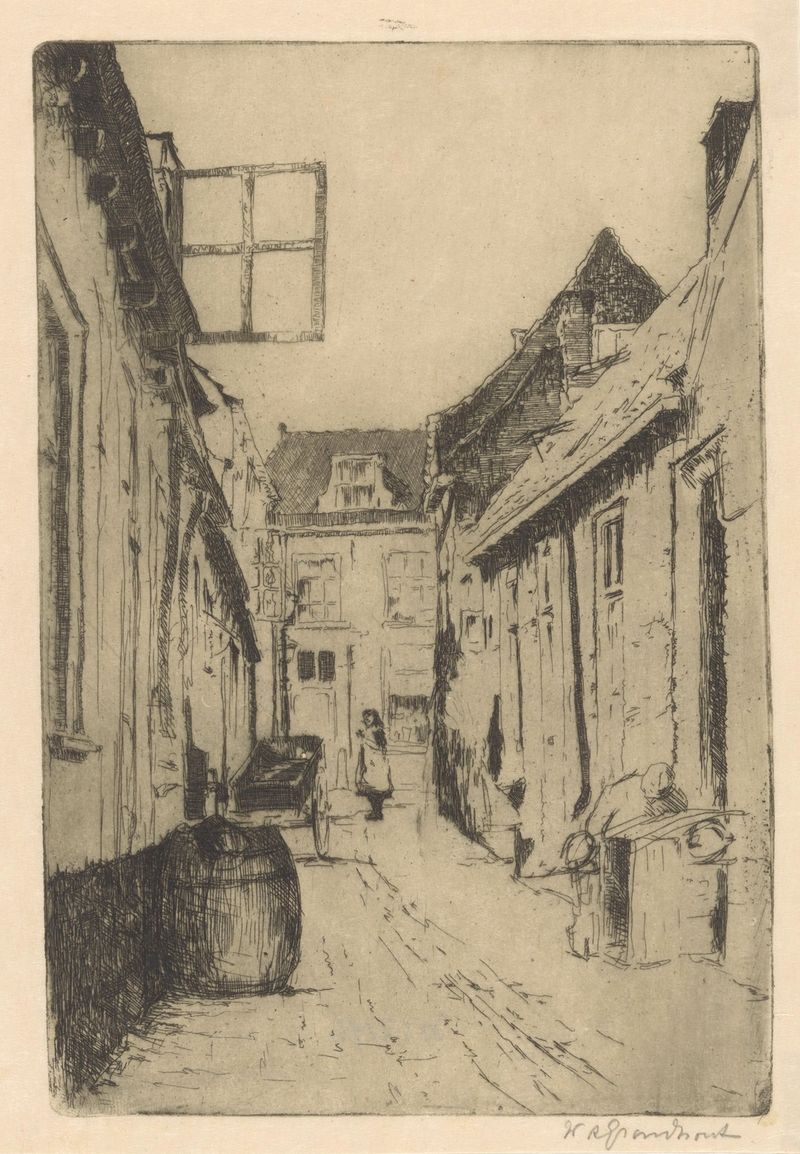
Straatje in Voorburg.
Willem Adrianus Grondhout
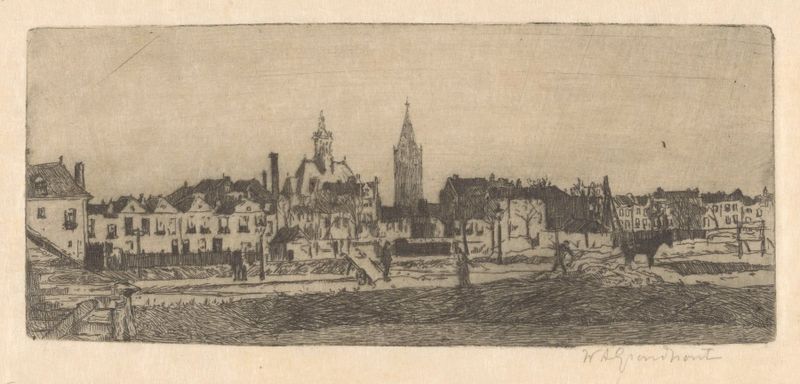
Delft
Willem Adrianus Grondhout





