
Brugge — History & Facts
Where does light end, and longing begin? Look to the center, where the gentle glow bounces off the rippling water, casting a shimmering path that draws the eye deeper into the composition. The interplay of light and shadow envelops the ancient brick buildings, their rich hues intensified by the sun's embrace. Notice how the artist employs soft pastels and muted tones, creating a serene atmosphere that evokes quiet reflection.
The arrangement of the structures leads the viewer's gaze toward the horizon, suggesting a journey both physical and emotional. Beneath the tranquil surface lies a deeper narrative. The reflections in the water seem to dance with unspoken memories, hinting at the stories of those who have walked these cobblestone streets long before us. Each window, though still and silent, carries the weight of longing—longing for connection, for understanding, perhaps for the past itself.
The delicate strokes capture an essence of nostalgia, leaving the viewer with a sense of yearning that transcends time. Willem Adrianus Grondhout painted Brugge sometime between 1888 and 1934, during a period marked by significant artistic exploration. Residing in the Netherlands, he was influenced by the impressionistic movements of his time, yet sought to infuse his works with a personal touch, creating a bridge between observed reality and emotional resonance. As Europe grappled with change and upheaval, his reverent portrayal of this picturesque city reflects both a love for his homeland and a quest for solace in an ever-evolving world.
More Artworks by Willem Adrianus Grondhout
Browse all →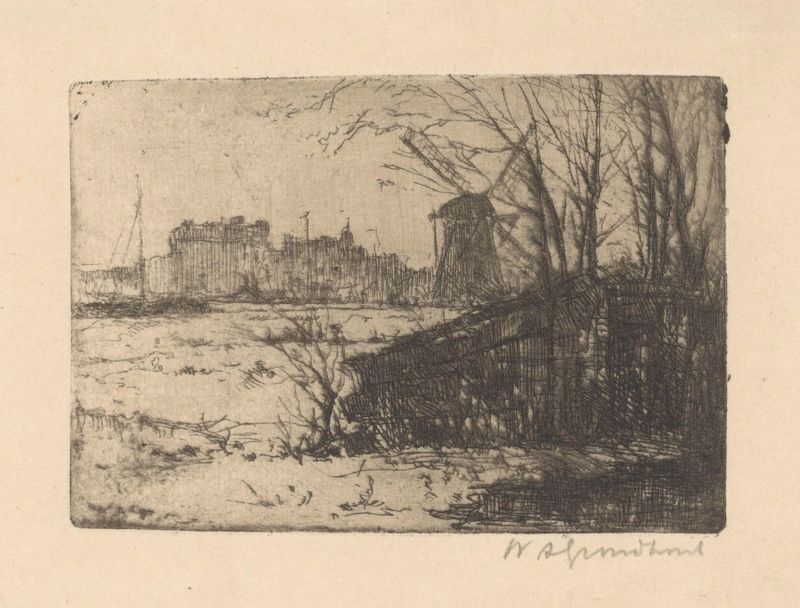
Landschap met molen in de Binckhorst in Den Haag
Willem Adrianus Grondhout
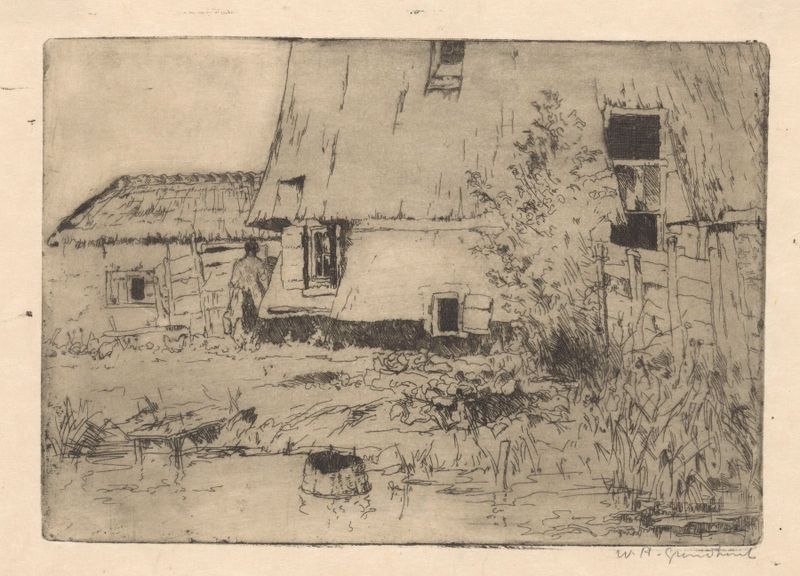
Voet van een molen in Voorburg
Willem Adrianus Grondhout
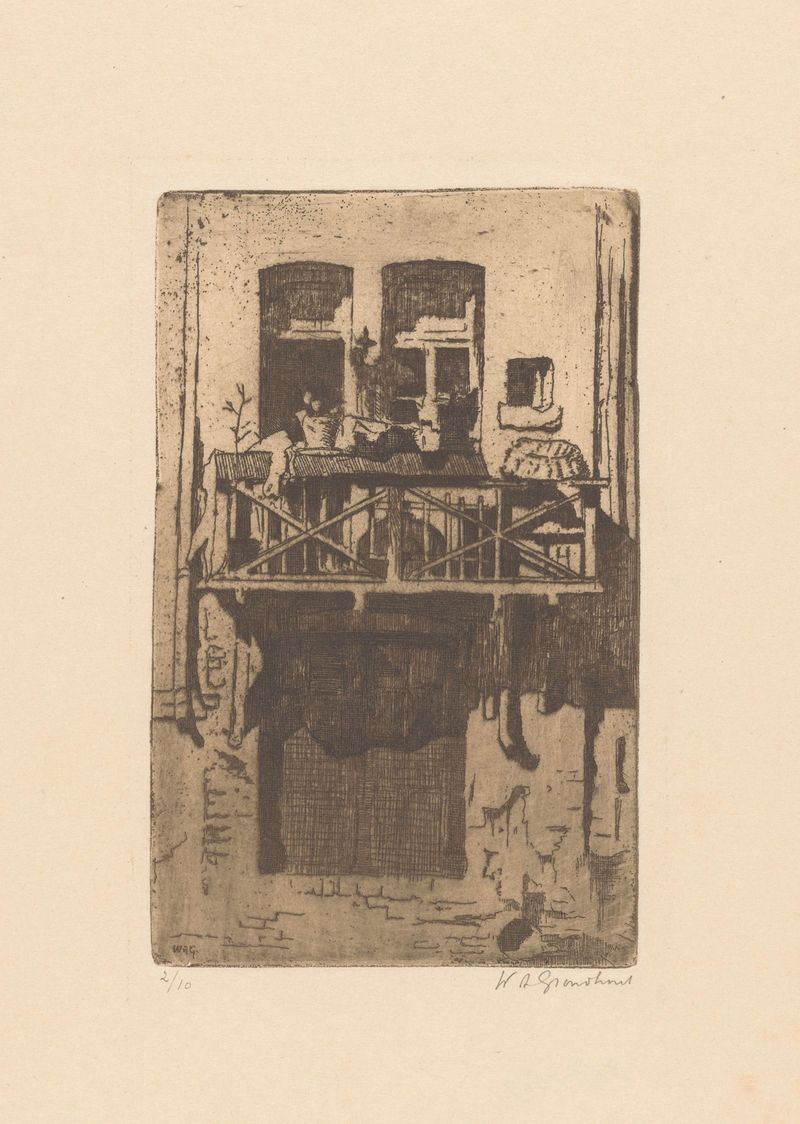
Balkon van een huis aan de Oudezijds Kolk in Amsterdam
Willem Adrianus Grondhout
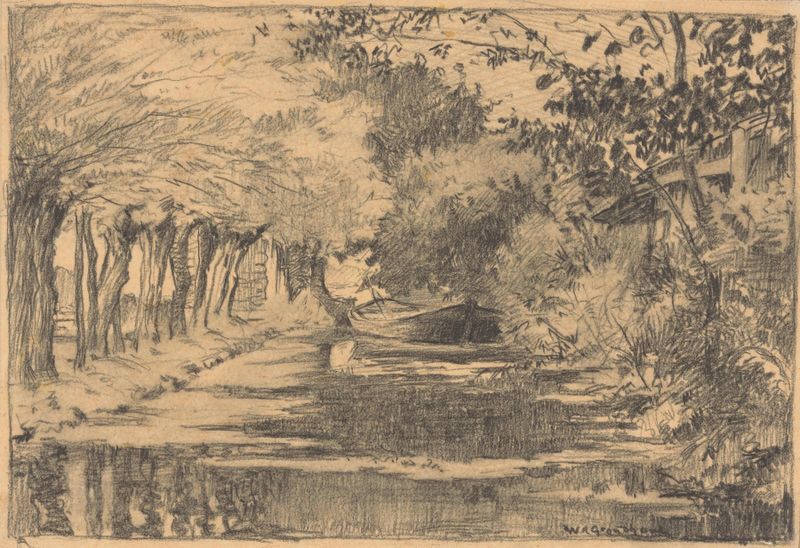
Broeksloot bij Voorburg
Willem Adrianus Grondhout
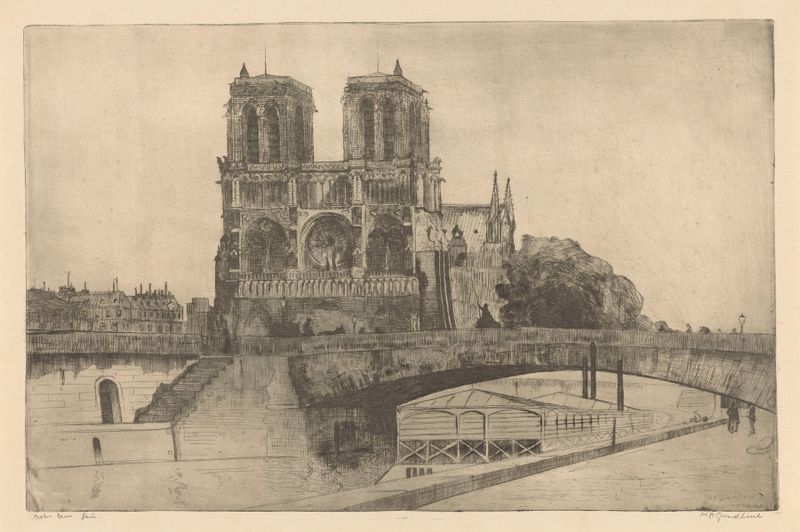
Notre-Dame, Paris
Willem Adrianus Grondhout
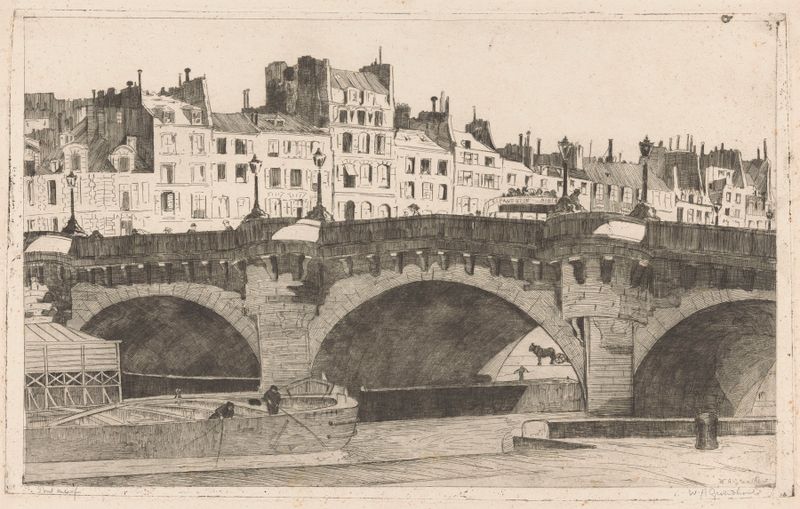
Pont Neuf
Willem Adrianus Grondhout
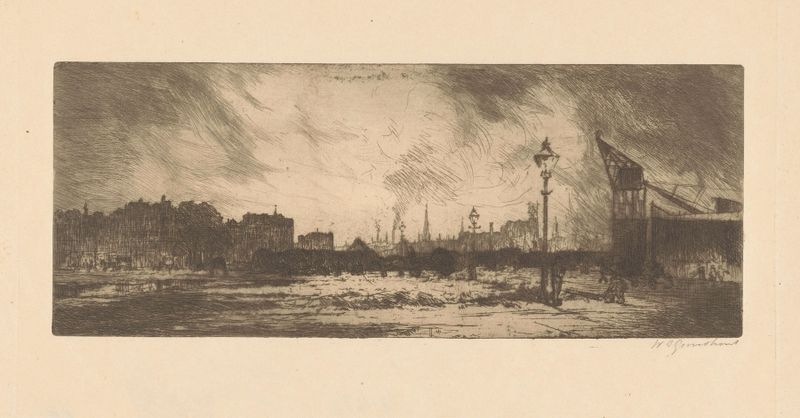
Havenkade met lantaarnpalen in Rotterdam
Willem Adrianus Grondhout
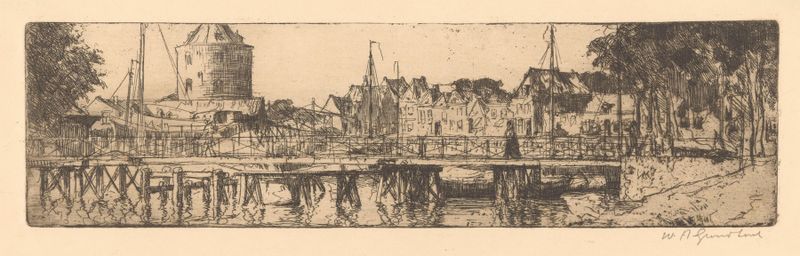
Enkhuizen
Willem Adrianus Grondhout
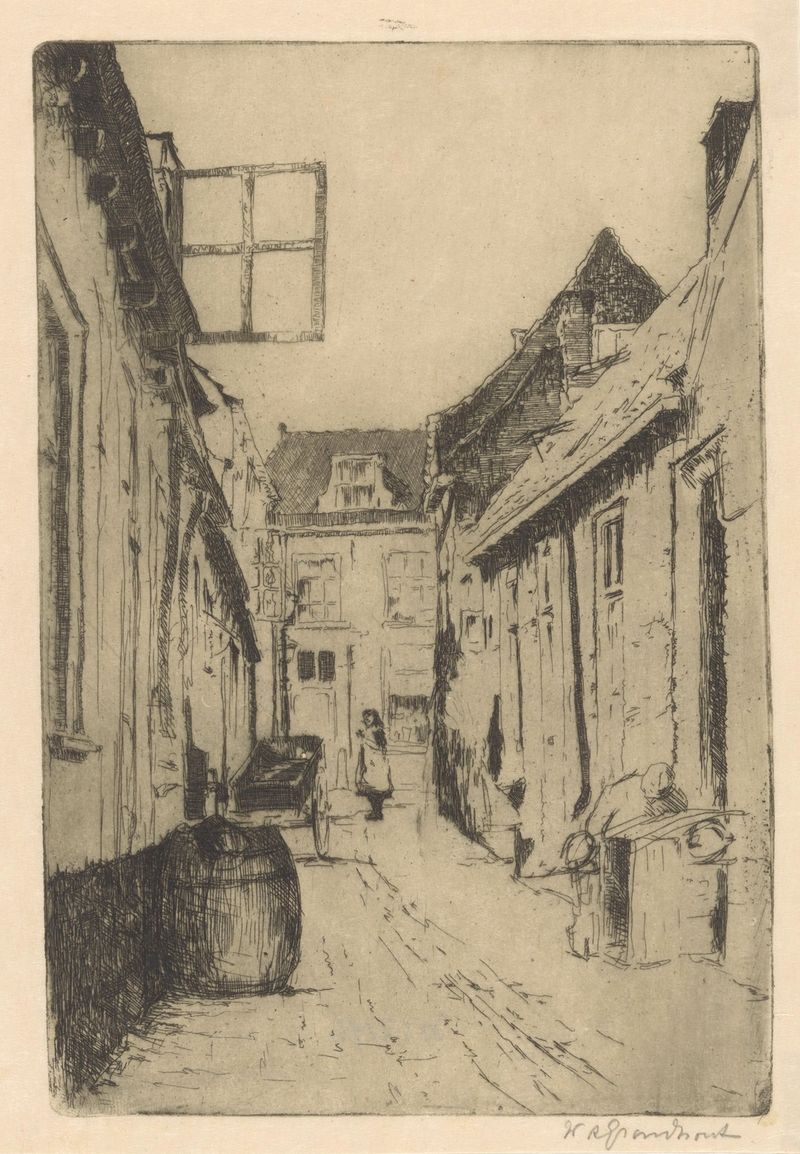
Straatje in Voorburg.
Willem Adrianus Grondhout
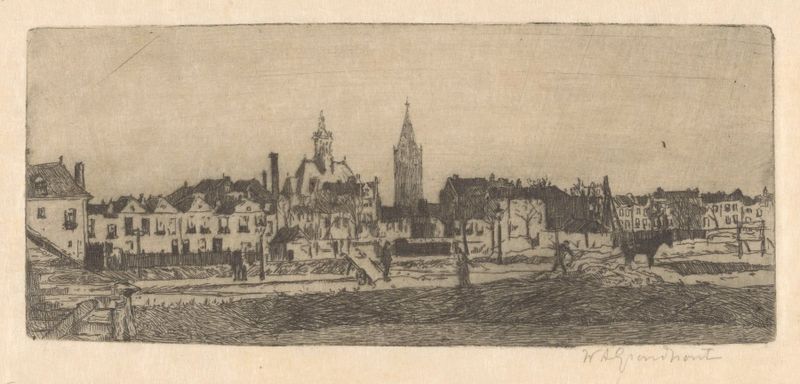
Delft
Willem Adrianus Grondhout





