
Bruss — History & Facts
In a world where memories fade, light serves as both a brush and a witness, immortalizing the ephemeral. Focus first on the interplay of hues — the soft, golden glow that envelops the canvas, suggesting a moment cradled in twilight. Notice how the delicate highlights dance across the surfaces, creating an ethereal atmosphere that invites the viewer into a timeless space. The subtle gradients lead your gaze, guiding you through layers of color that whisper secrets of the past, while shadows linger like forgotten thoughts, pulling you deeper into the painting's narrative. Amid this interplay of light and shade lies a profound tension between presence and absence.
The luminous sections evoke warmth and familiarity, while the darker areas hint at loss and longing, suggesting a history that resonates with unspoken stories. Each brushstroke seems to reflect the artist's struggle to capture fleeting moments, transforming the ordinary into a profound statement about human experience and the passage of time. In 1915, amidst the backdrop of World War I, Bruss emerged from Grondhout's life as both an artist and a witness to tumultuous change. Living in the Netherlands, he navigated the complexities of a world at war while simultaneously exploring the nuances of light and form.
This period marked a significant evolution in his style, as he sought to blend realism with emotional depth, offering a poignant reflection on both life and art during uncertain times.
More Artworks by Willem Adrianus Grondhout
Browse all →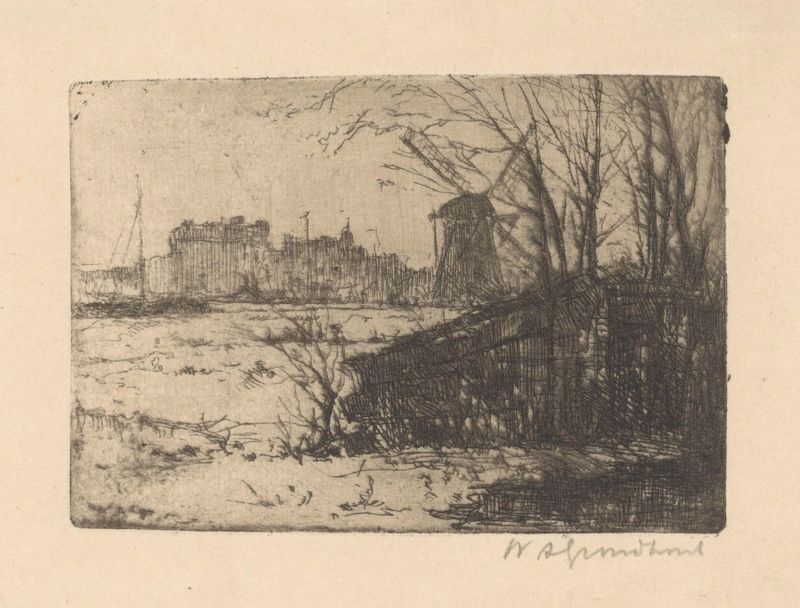
Landschap met molen in de Binckhorst in Den Haag
Willem Adrianus Grondhout
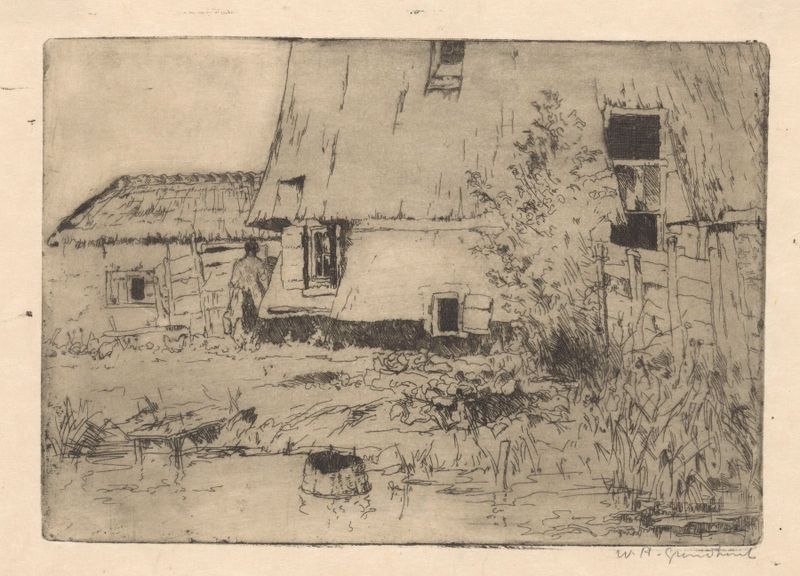
Voet van een molen in Voorburg
Willem Adrianus Grondhout
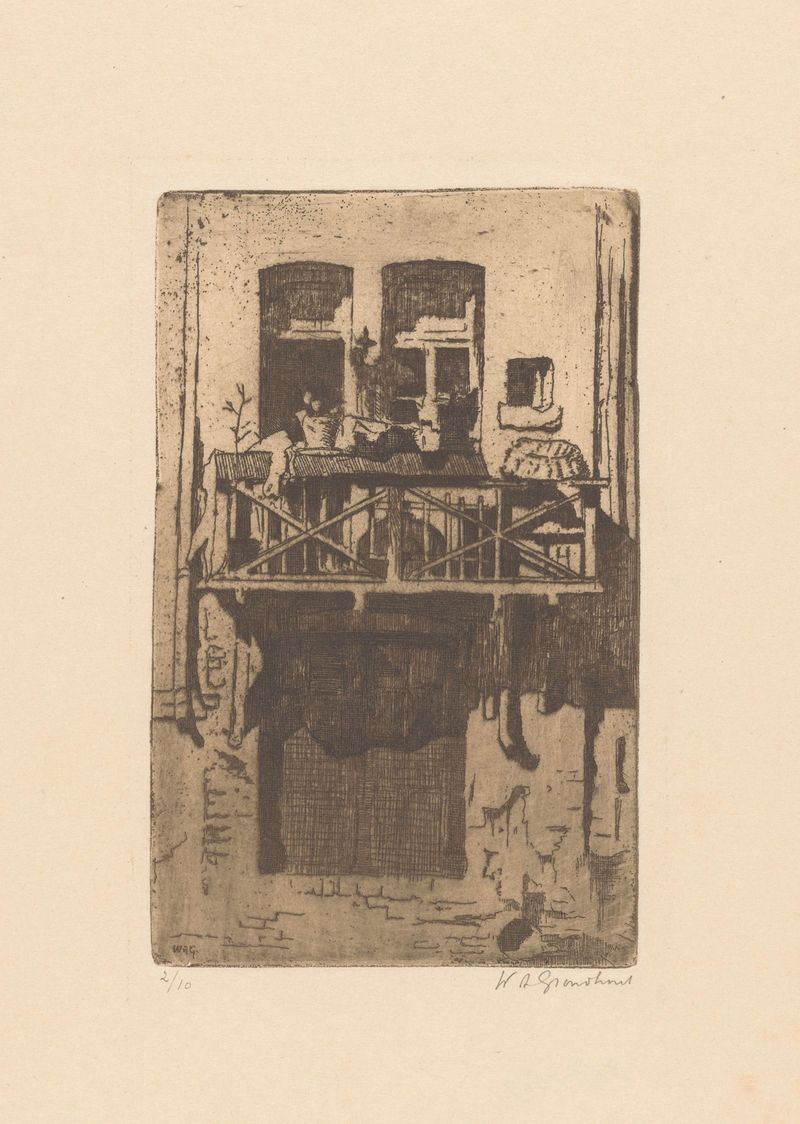
Balkon van een huis aan de Oudezijds Kolk in Amsterdam
Willem Adrianus Grondhout
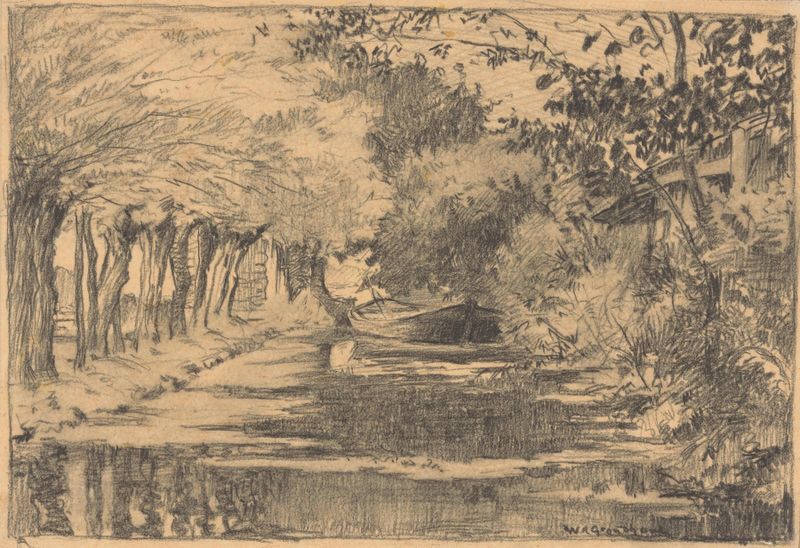
Broeksloot bij Voorburg
Willem Adrianus Grondhout
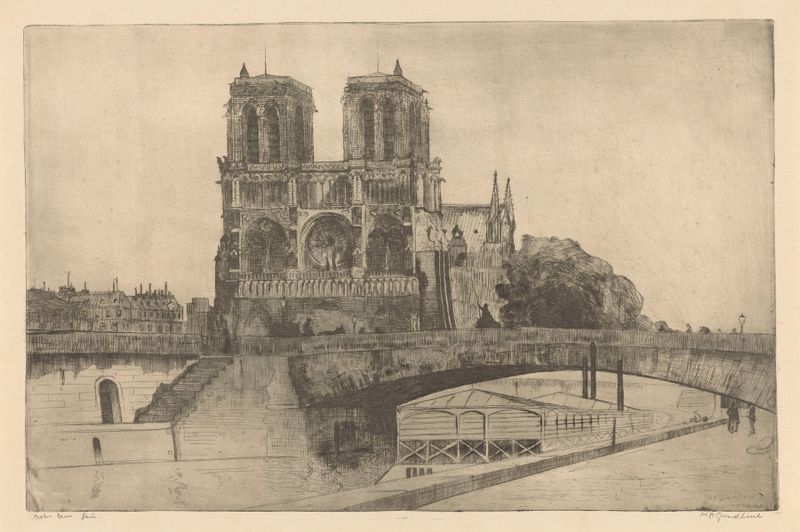
Notre-Dame, Paris
Willem Adrianus Grondhout
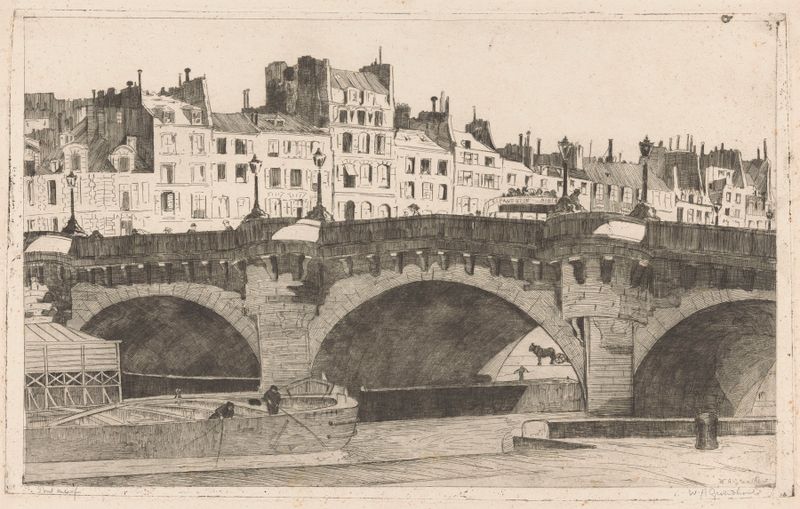
Pont Neuf
Willem Adrianus Grondhout
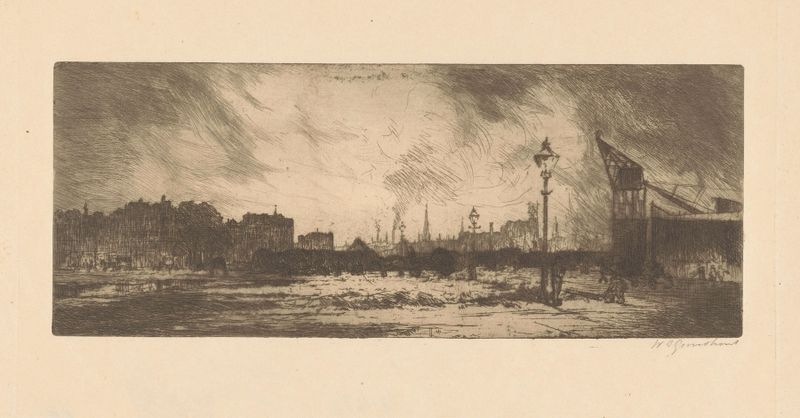
Havenkade met lantaarnpalen in Rotterdam
Willem Adrianus Grondhout
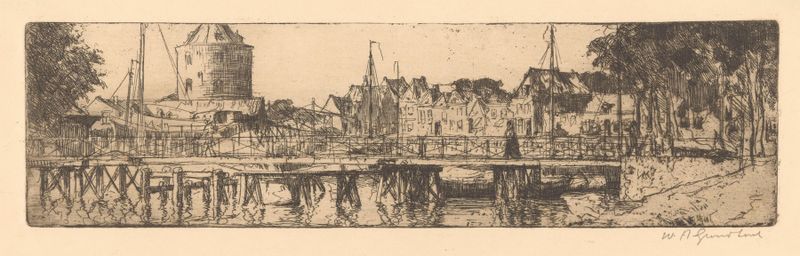
Enkhuizen
Willem Adrianus Grondhout
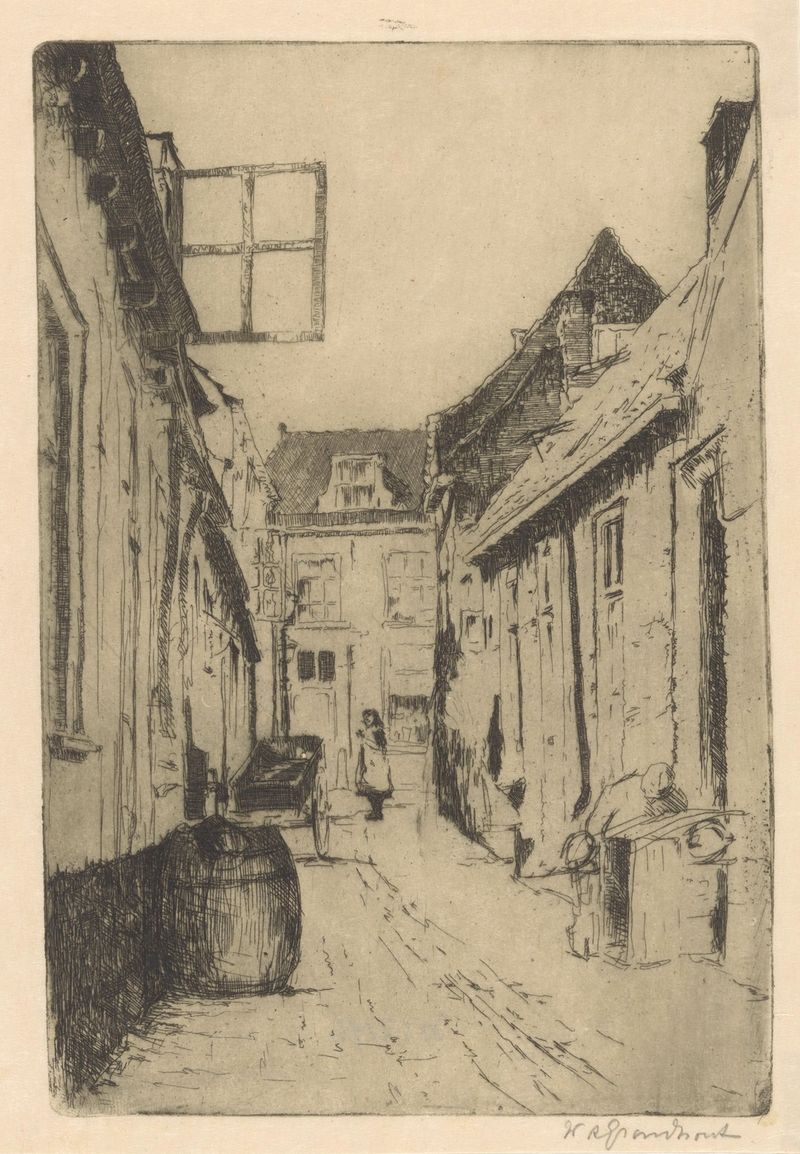
Straatje in Voorburg.
Willem Adrianus Grondhout
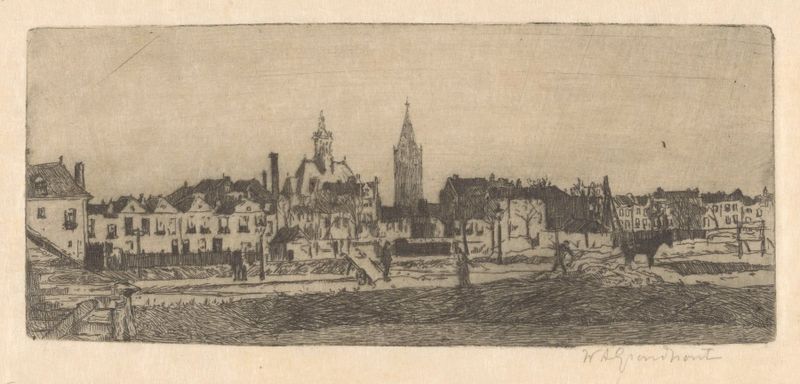
Delft
Willem Adrianus Grondhout





