
Brussel — History & Facts
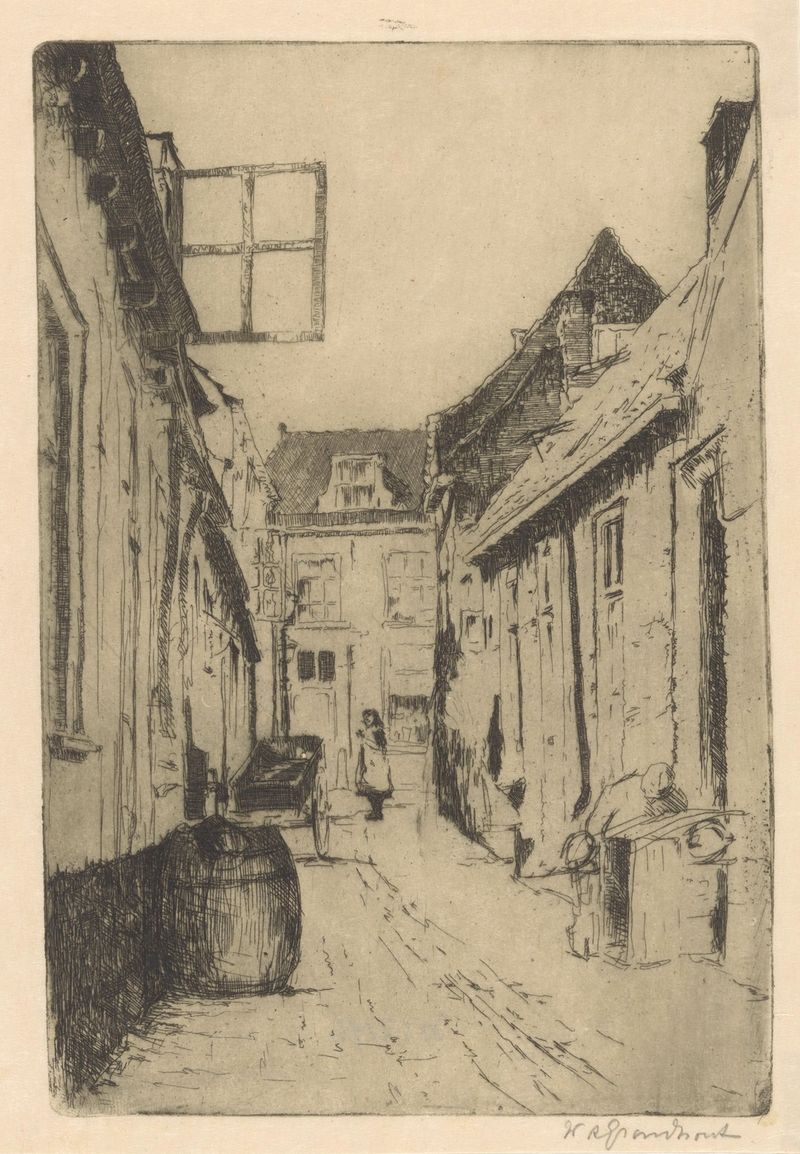
What if silence could speak through light? In Brussel, the haunting interplay of shadow and illumination invites us to listen closely to what is unspoken yet profoundly felt. Look to the center of the canvas, where a muted play of light spills across the cobblestones, casting elongated shadows that dance beneath the weight of history. The palette is restrained, dominated by earthy browns and soft creams, evoking a sense of nostalgia. The careful brushwork draws the eye along the architectural lines, leading you from the foreground to the distant horizon, where the buildings seem to whisper secrets of the past. Beneath the surface simplicity lies a rich tapestry of contrasts—light versus shadow, past versus present.
The shadows hint at lives once lived; they seem to echo the absence of movement, suggesting stories that linger in the air. This interplay raises questions of transience and permanence, urging the viewer to consider the ephemeral nature of moments captured in time. Created between 1888 and 1934, this work emerged during a period of profound change in both the artist's life and the broader art world. Grondhout, situated in Brussels, was influenced by the rise of modernism and the shifting social landscape of Europe.
As he painted, the echoes of war and transformation resonated through the city, embedding a sense of longing into his urban landscapes, making Brussel a poignant reflection of its time.
More Artworks by Willem Adrianus Grondhout
Browse all →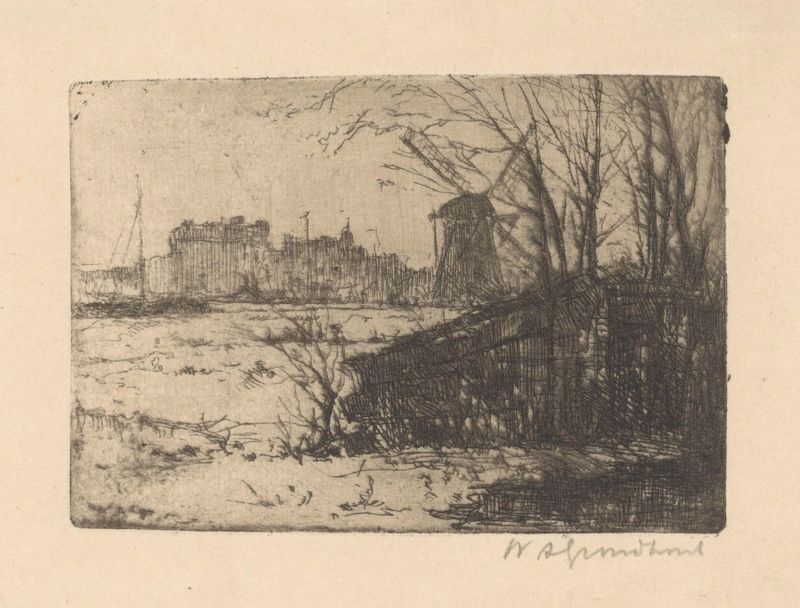
Landschap met molen in de Binckhorst in Den Haag
Willem Adrianus Grondhout
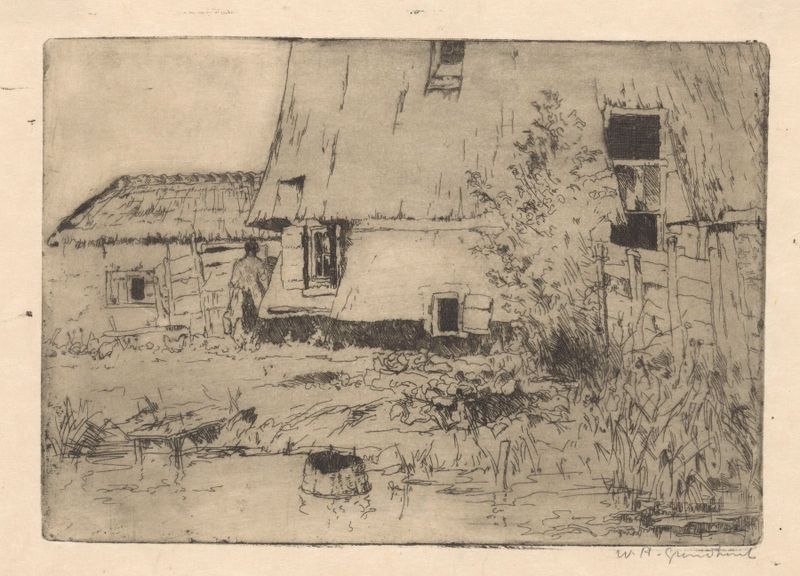
Voet van een molen in Voorburg
Willem Adrianus Grondhout
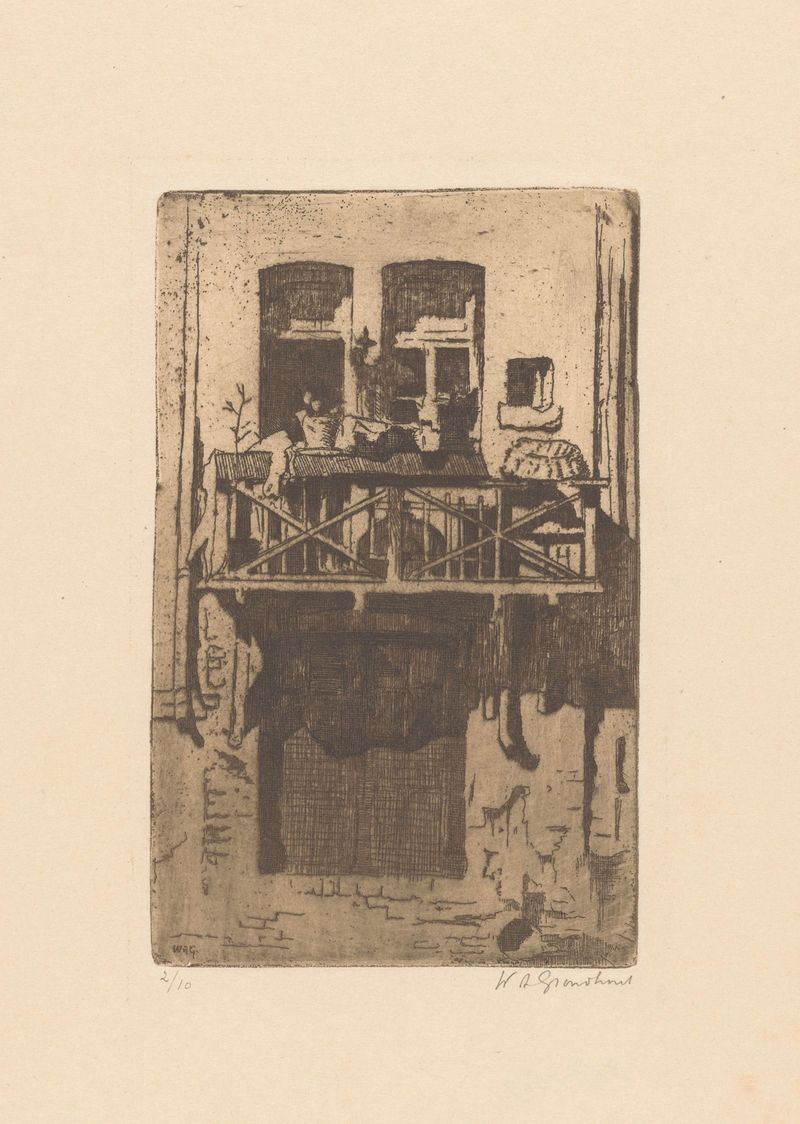
Balkon van een huis aan de Oudezijds Kolk in Amsterdam
Willem Adrianus Grondhout
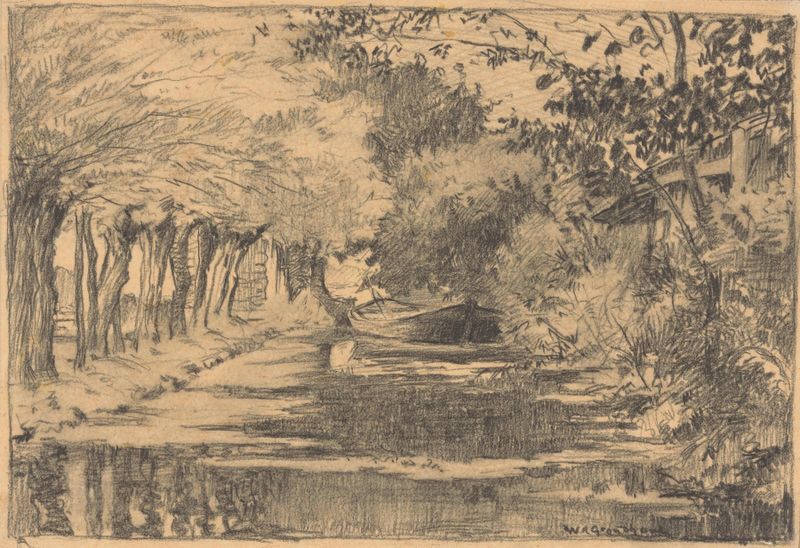
Broeksloot bij Voorburg
Willem Adrianus Grondhout
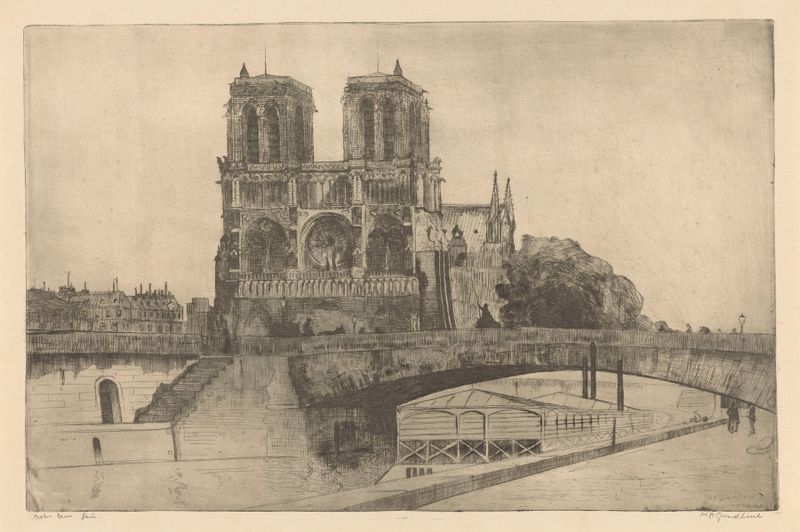
Notre-Dame, Paris
Willem Adrianus Grondhout
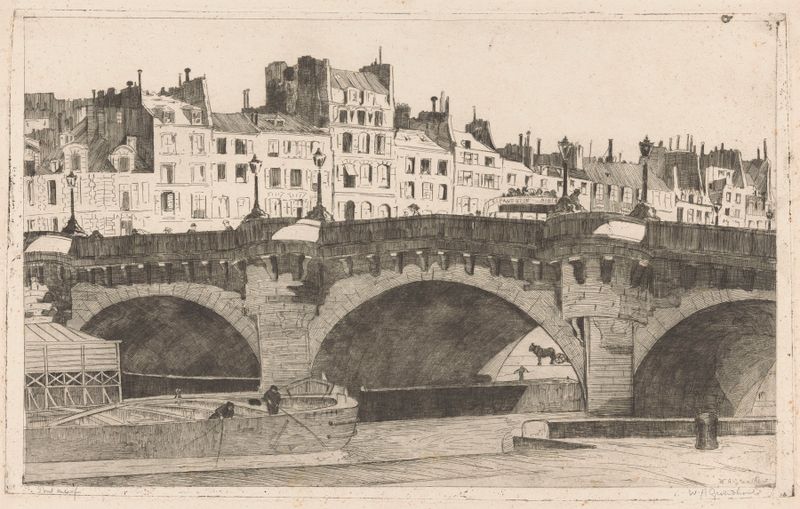
Pont Neuf
Willem Adrianus Grondhout
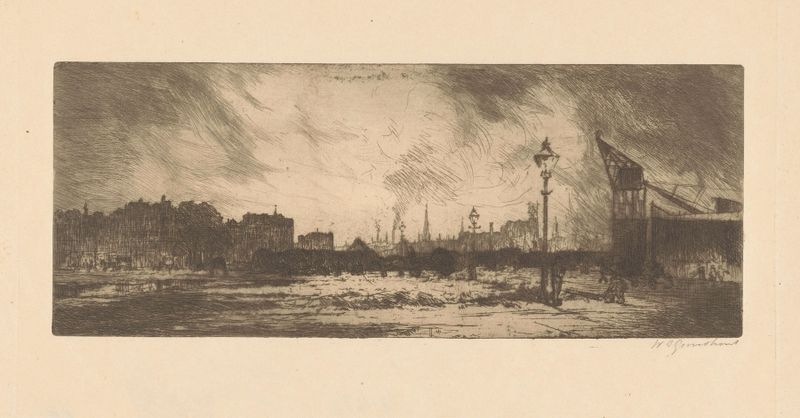
Havenkade met lantaarnpalen in Rotterdam
Willem Adrianus Grondhout
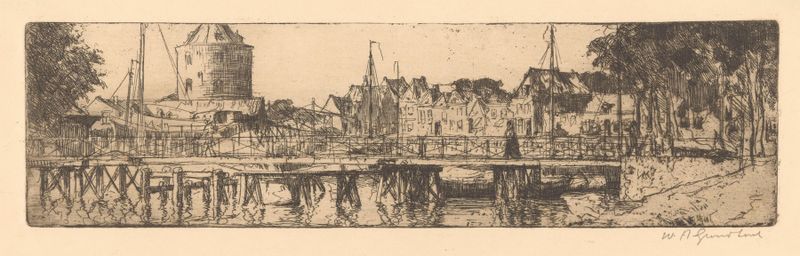
Enkhuizen
Willem Adrianus Grondhout
Straatje in Voorburg.
Willem Adrianus Grondhout
Delft
Willem Adrianus Grondhout





