
Buche am Waldrand — History & Facts
Can beauty exist without sorrow? In Buche am Waldrand, the delicate interplay of nature’s fragility reminds us that the most serene moments often harbor a whisper of melancholy. Look to the left at the gnarled trunk of the beech tree, its bark etched with time, inviting the viewer to ponder its journey through countless seasons. The soft dappled light filters through the foliage above, casting a gentle glow that illuminates vibrant greens and earthy browns. Notice how the artist captures the nuanced texture of each leaf, creating a vivid contrast against the smooth surface of the tree's bark.
The composition draws your gaze upward, where the canopy appears almost like a protective shroud, cradling nature’s quiet resilience. This work speaks to the tension between strength and vulnerability. The beech tree stands tall yet alone, symbolizing endurance amid isolation. While the surrounding forest thrives, the solitary tree's exposed roots offer an unsettling reminder of its intrinsic bond with the earth and the impending cycle of life and decay.
The contrast of light and shadow also evokes the transient nature of beauty, hinting at the inevitability of change and loss. Hans Thoma painted Buche am Waldrand in 1861 during a period of introspective exploration in German art, which sought to harmonize the natural world with the emotional landscape of the individual. At this time, Thoma was influenced by the Romantic movement, reflecting a deep connection to nature and the human experience. As he rendered this simple yet profound scene, he captured not just a moment in time, but also the lingering essence of life's fragility.
More Artworks by Hans Thoma
Browse all →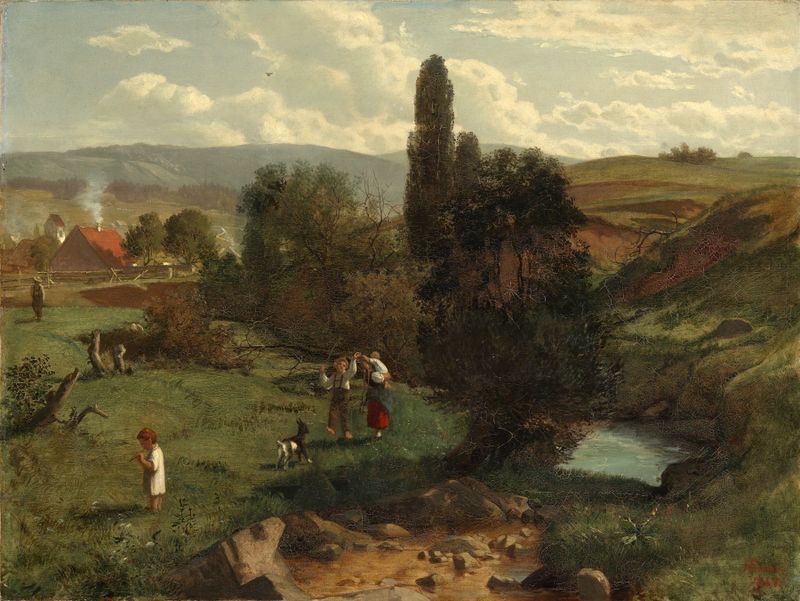
Schwarzwaldlandschaft
Hans Thoma
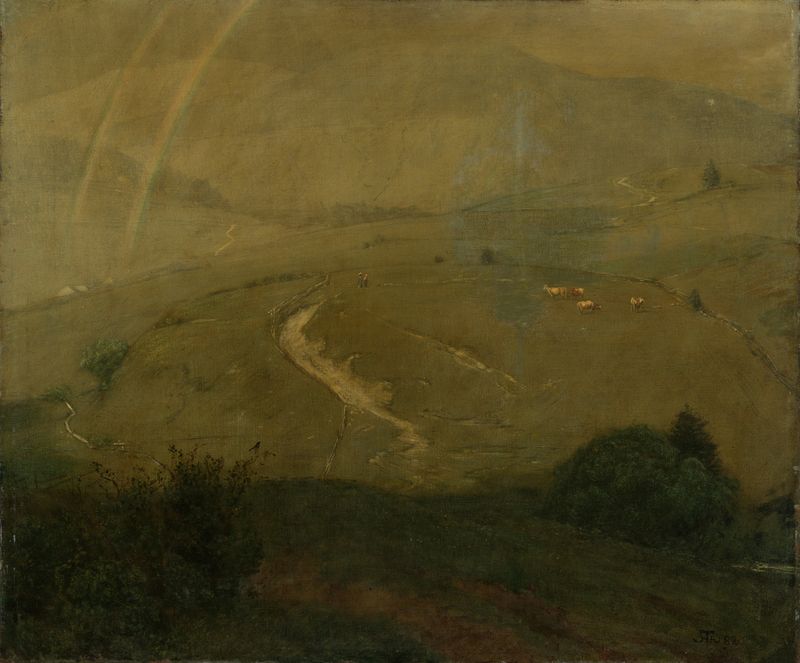
Regen im Schwarzwald
Hans Thoma
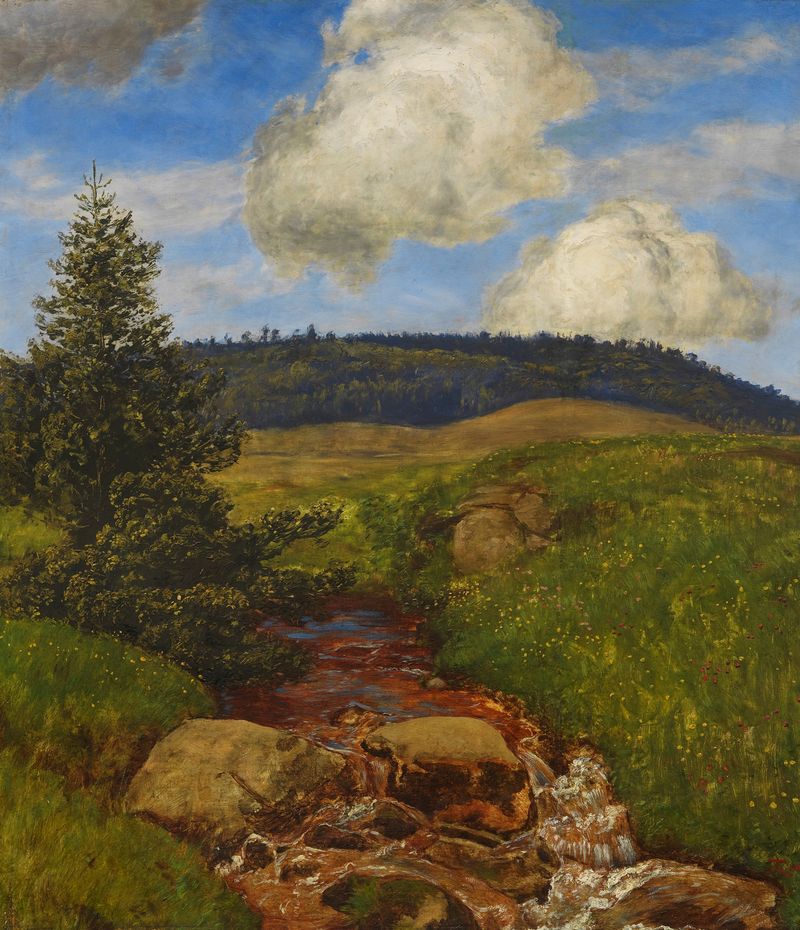
Schwarzwaldbach
Hans Thoma
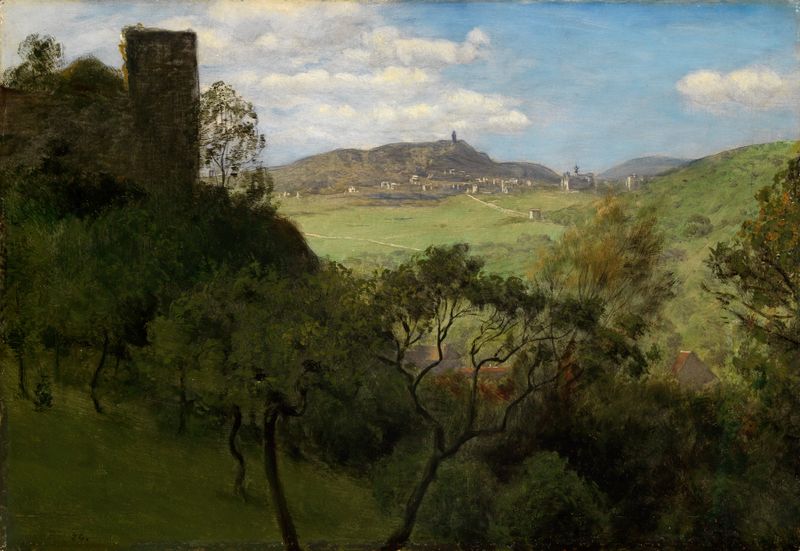
Blick auf Falkenstein im Taunus
Hans Thoma
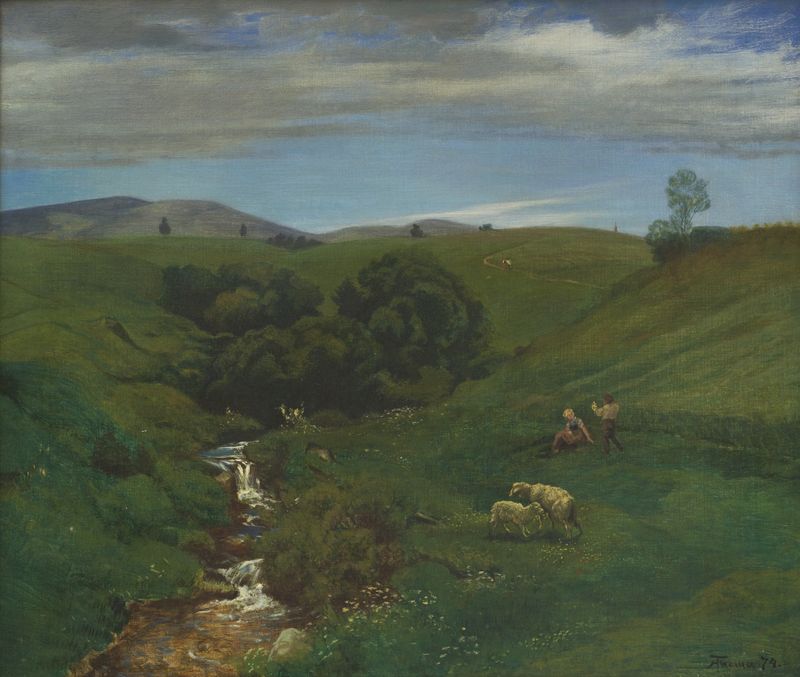
Black Forest Meadow near Bernau
Hans Thoma
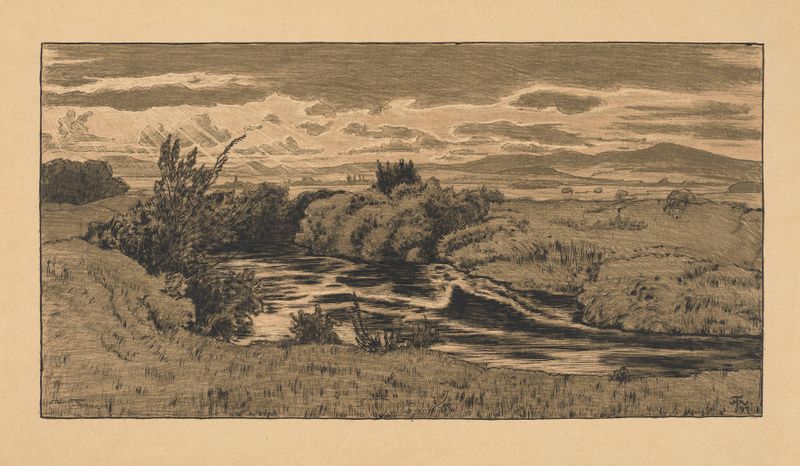
Evening by the Nidda River
Hans Thoma
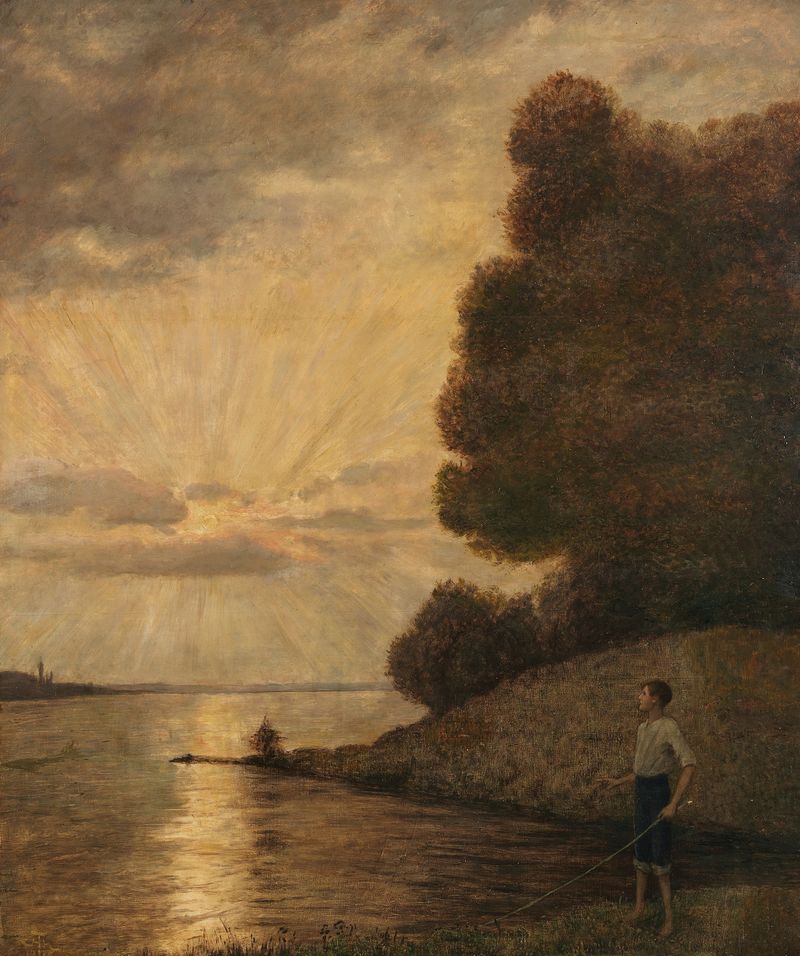
Sonnenuntergang am Oberrhein
Hans Thoma
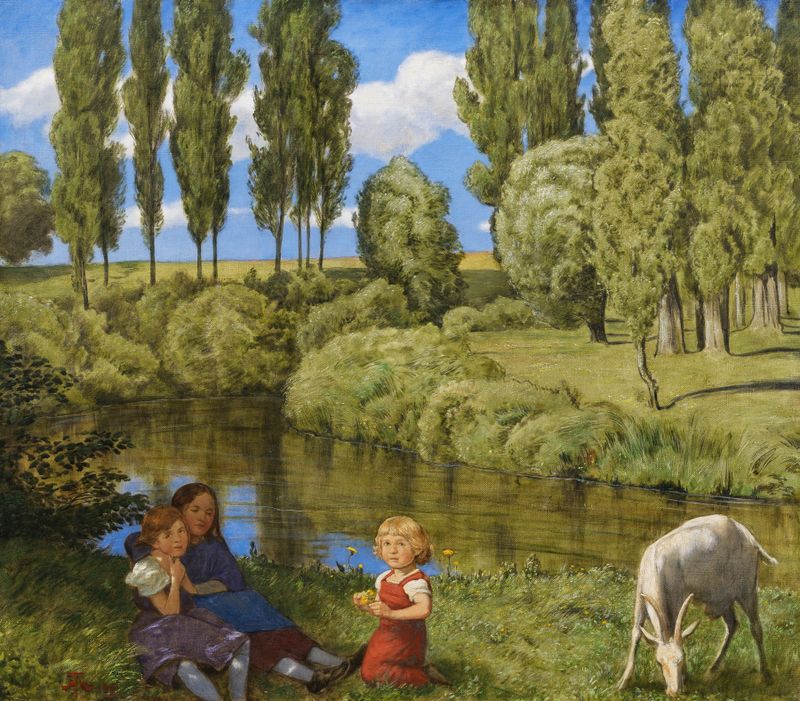
Am Stillen Bach
Hans Thoma
Der Abendstern
Hans Thoma
Das Rheintal bei Säckingen
Hans Thoma





