
Buchenwald im Herbst G 9 Lenbachhaus — History & Facts
What grips the eye first in Buchenwald im Herbst G 9 Lenbachhaus is the sheer density of autumnal color, the way the copper and ochre leaves seem to gather and hold the last warmth of the year. The painting draws you into a beech forest where the trunks stand pale and mottled against the shadowed undergrowth, their bark catching stray shafts of light. There is a sense of quiet enclosure here: the canopy closes overhead, but the painter has left a sliver of sky visible, cool and blue, as if to remind the viewer that the world outside the woods is still turning.
The fallen log in the foreground, half-claimed by moss and brambles, hints at the slow cycles of decay and renewal, while the scattered light across the forest floor suggests a moment of stillness before the season tips into winter. Painted in 1874, this work belongs to a period when landscape painting in Germany was shifting from idealized vistas to more immediate, observed nature. Artists like Adolf Heinrich Lier—whose hand is visible here—were drawn to the moods of specific places, often painting en plein air to capture fleeting effects of light and weather. Works like this were rarely grand commissions; instead, they spoke to a growing middle-class audience seeking images of the countryside as a source of solace and identity in a rapidly industrializing world.
Today, Buchenwald im Herbst G 9 Lenbachhaus resides in the collection of the Lenbachhaus, its quiet drama a reminder that even the most unassuming patch of forest can become a stage for the play of light, color, and time.
More Artworks by Adolf Heinrich Lier

Erntetag in Oberbayern bei Habach
Adolf Heinrich Lier

Küstenlandschaft mit Windmühle
Adolf Heinrich Lier
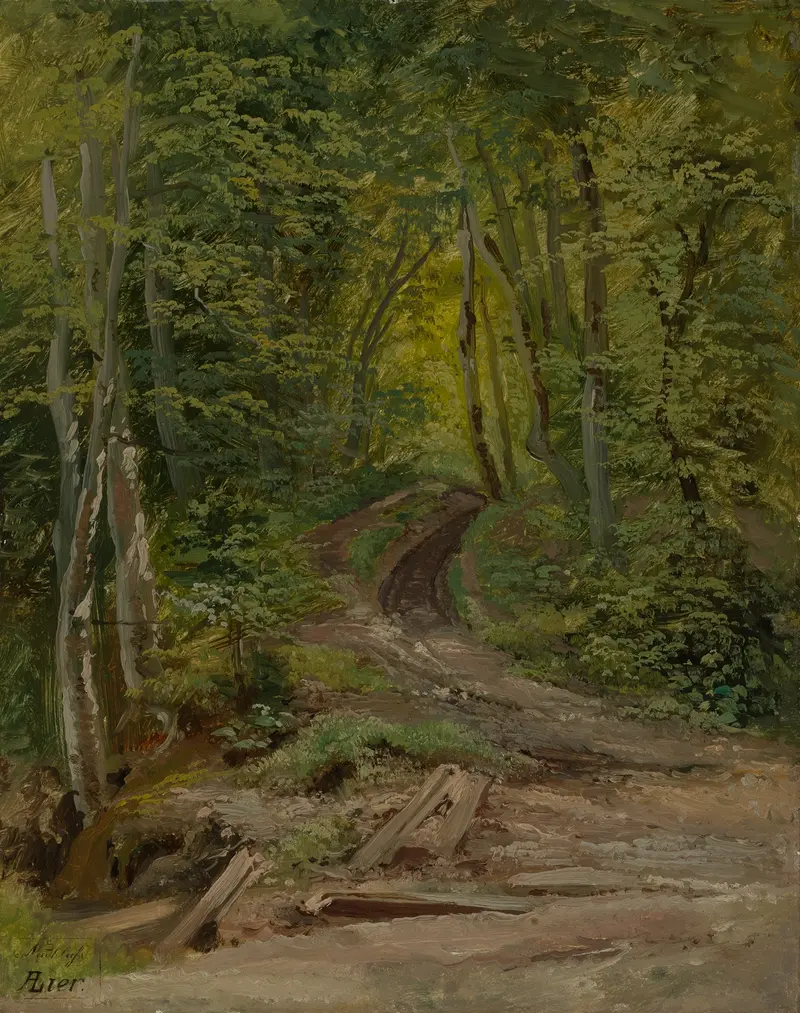
Waldinneres
Adolf Heinrich Lier
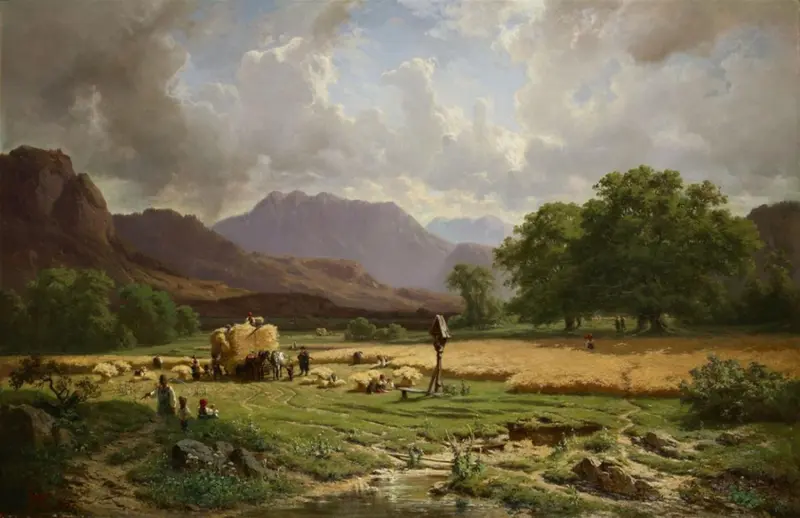
Grain Harvest in the Mountain
Adolf Heinrich Lier
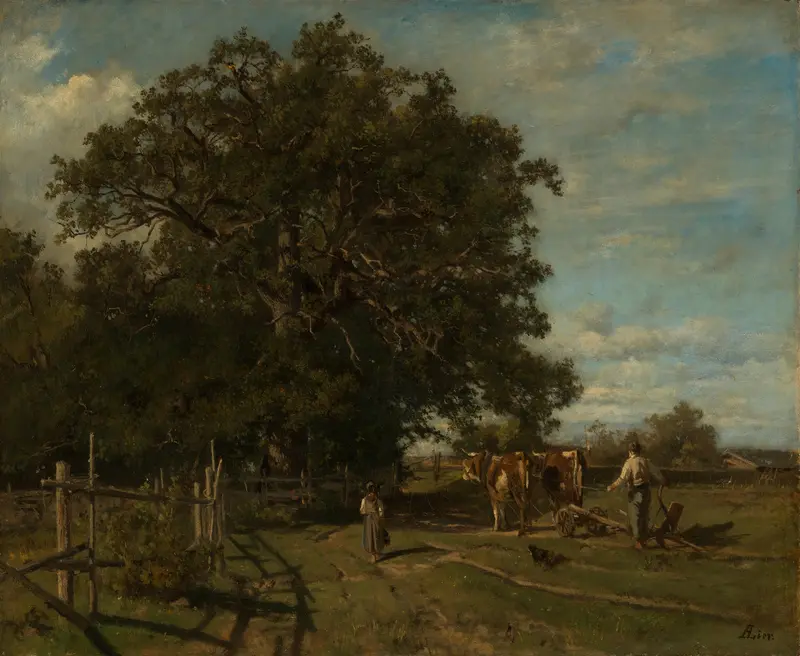
Eiche am Waldrand und pflügender Bauer
Adolf Heinrich Lier
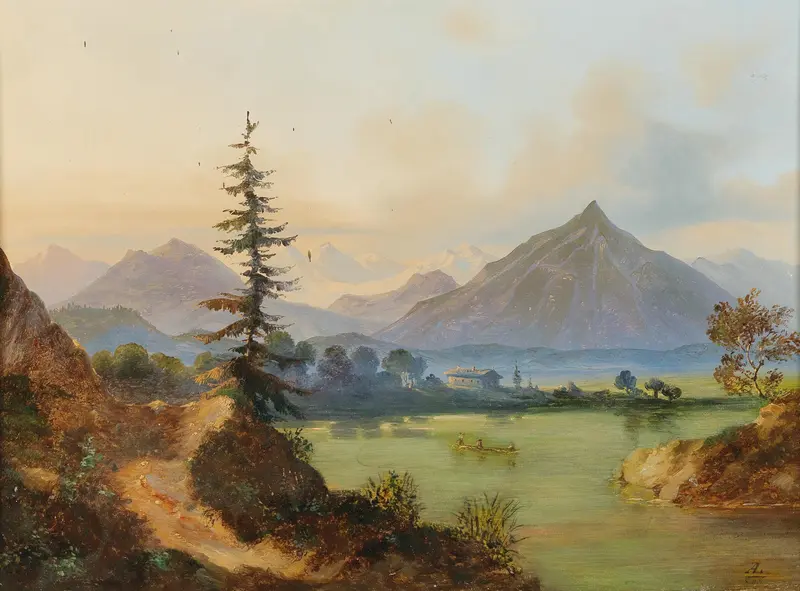
Lake In A Mountain Landscape
Adolf Heinrich Lier

Herbstlandschaft am Abend mit heimkehrender Schafherde
Adolf Heinrich Lier
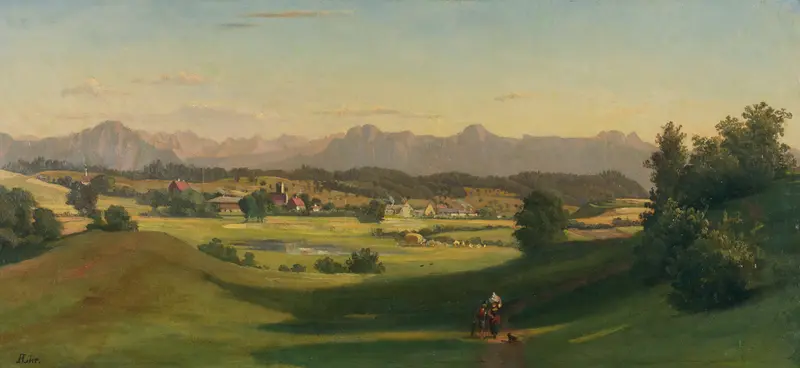
Landschaft bei Murnau
Adolf Heinrich Lier
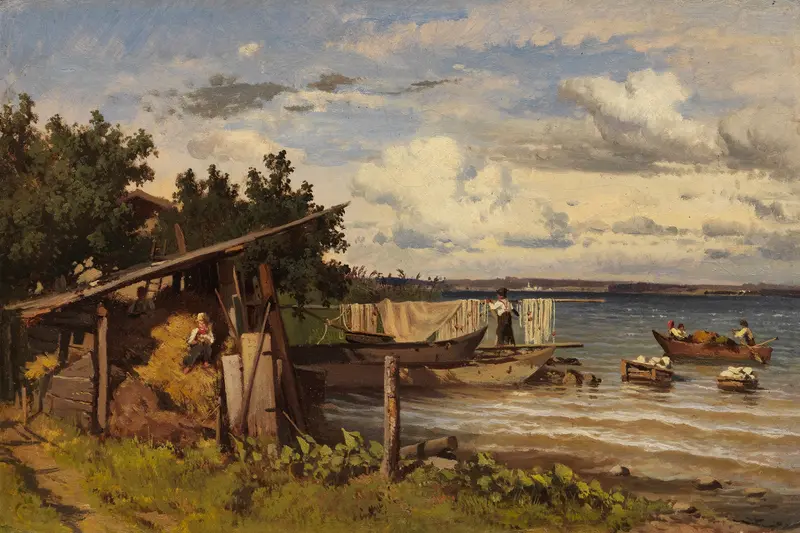
Fischer am Seeufer
Adolf Heinrich Lier
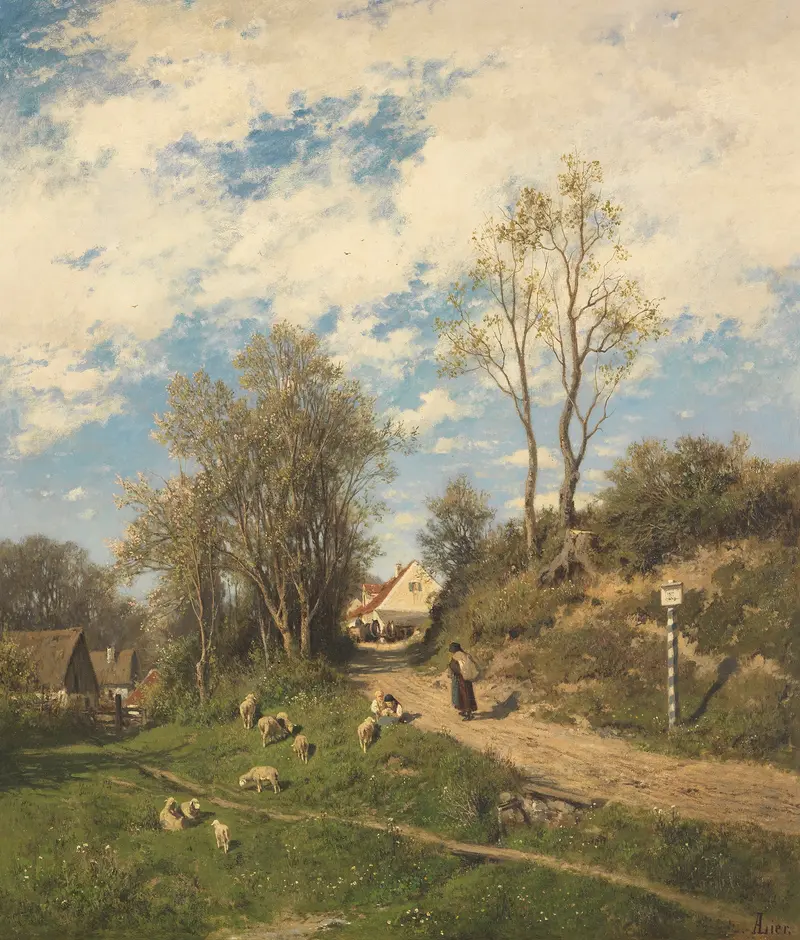
Frühlingsmorgen
Adolf Heinrich Lier
More Landscape Art

The Starry Night
Vincent van Gogh

View of Delft
Johannes Vermeer

Water Lilies
Claude Monet

The Grand Canal, Venice, looking north-west from the Ca' Corner to the Ca' Contarini degli Scrigni, with the campanile of Santa Maria della Carità
Canaletto

Windsor Castle
Canaletto

The Grand Canal looking North-East from the Palazzo Dolfin-Manin to the Rialto Bridge
Canaletto