Buis-les-Baronnies — History & Facts
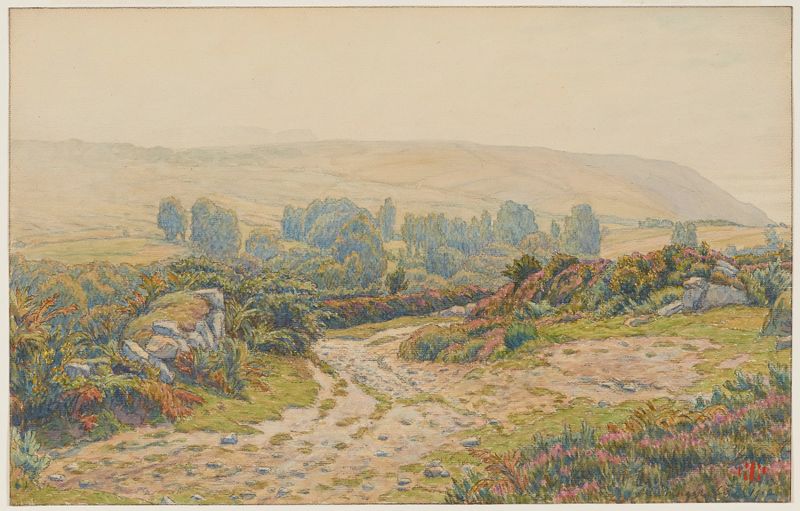
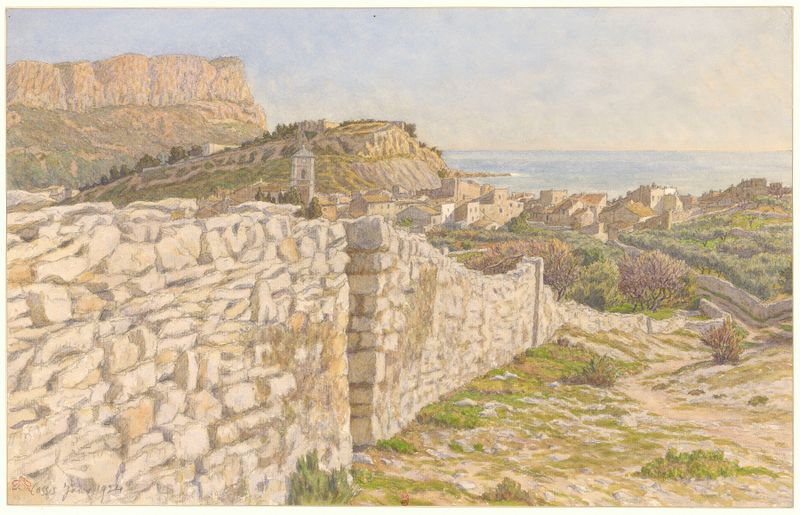
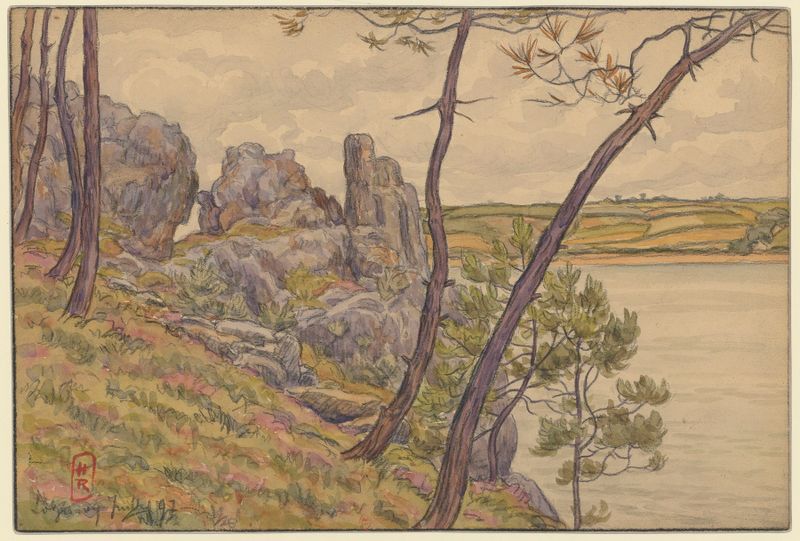
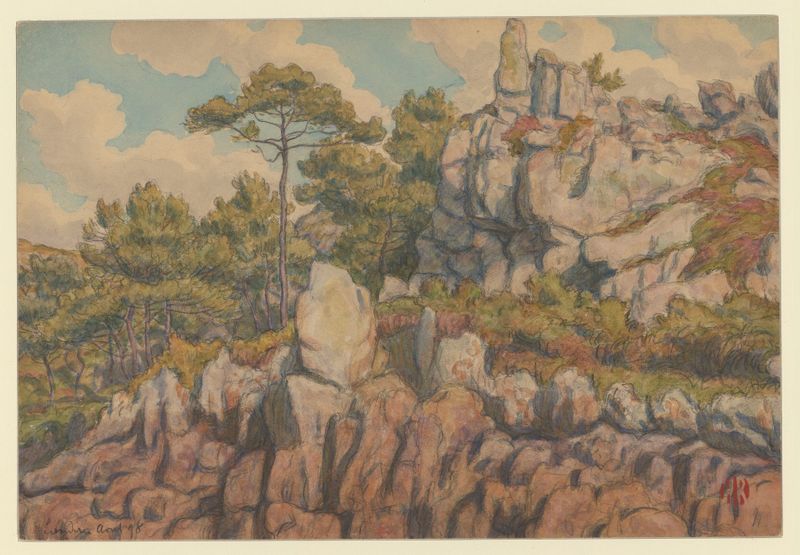
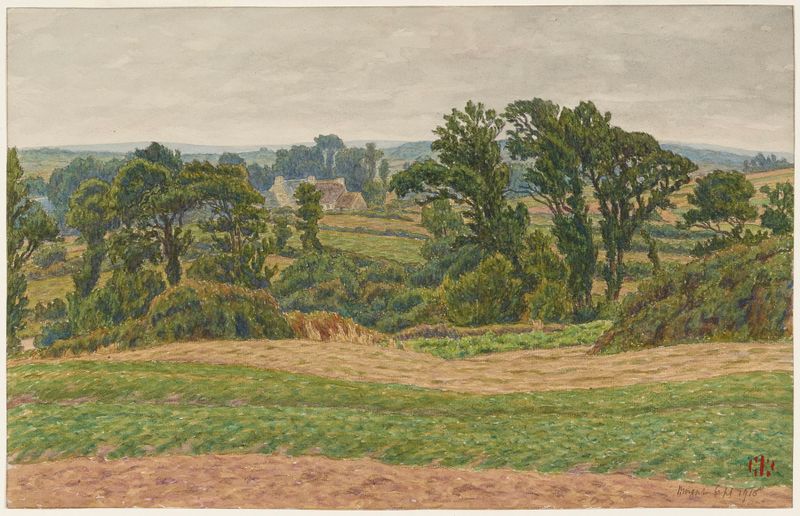
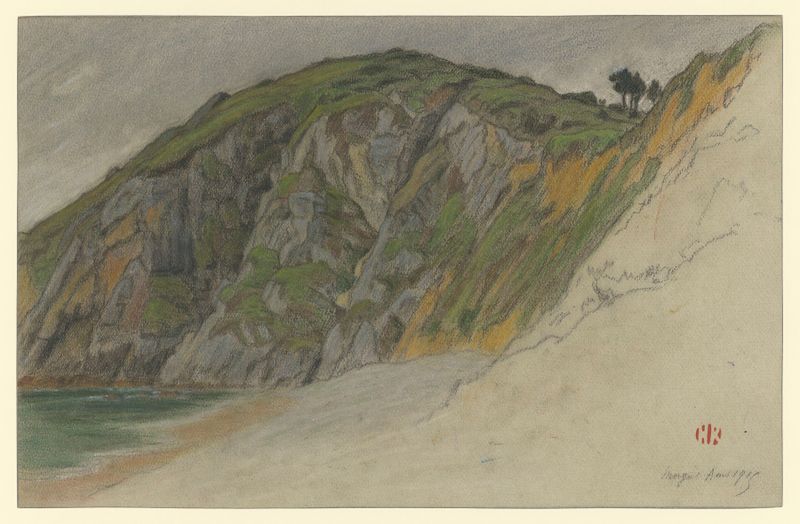
In times of conflict, creativity becomes a refuge, a lens through which the tumult of existence is both captured and understood. Look at the center of Buis-les-Baronnies, where the craggy mountains rise against a tumultuous sky. The artist employs a palette of muted greens and grays, evoking the brooding atmosphere of a landscape marked by both beauty and desolation. Notice how the jagged lines of the hills suggest a rugged tenacity, while the soft strokes of clouds above hint at an impending storm, reflecting nature's violent interplay.
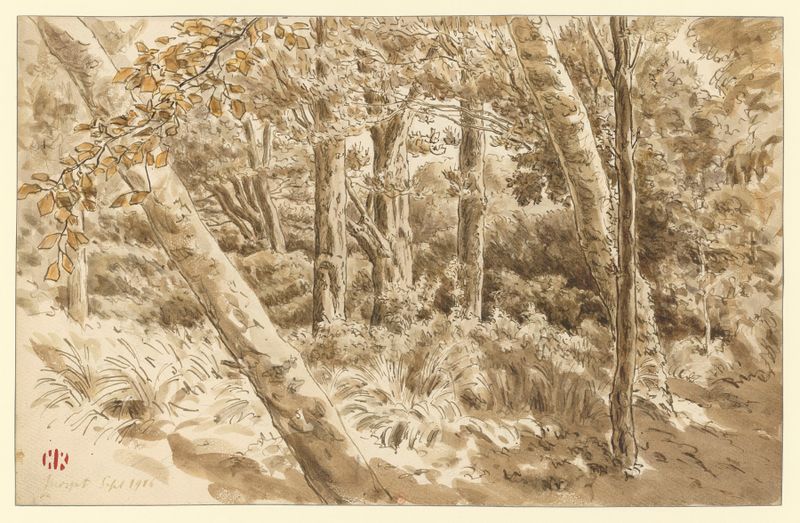
Each brushstroke conveys a sense of urgency, urging the viewer to feel rather than merely see. As you explore the edges, observe the interplay of light and shadow that hints at the hidden pains of the land. The contrasting elements—a vibrant foreground overshadowed by somber skies—speak to a deeper narrative of survival amidst chaos. The choice of colors feels like a silent protest, a whisper against the backdrop of violence and disruption that surrounded Rivière in his time.
It is an invitation to reflect on the fragility of peace and the resilience that exists within turmoil. In 1944, Rivière created this piece while France was under occupation during World War II. Living in a time of severe strife, his works reflected the turmoil of the world, bridging the realms of personal and collective experience. The artist sought solace in the landscapes of his birthplace, using them as a canvas to express both the beauty and the turmoil of existence, contributing to the rich tapestry of post-war art that emerged in response to the devastation surrounding him.