Buis-les-Baronnies, la Petite aiguille — History & Facts
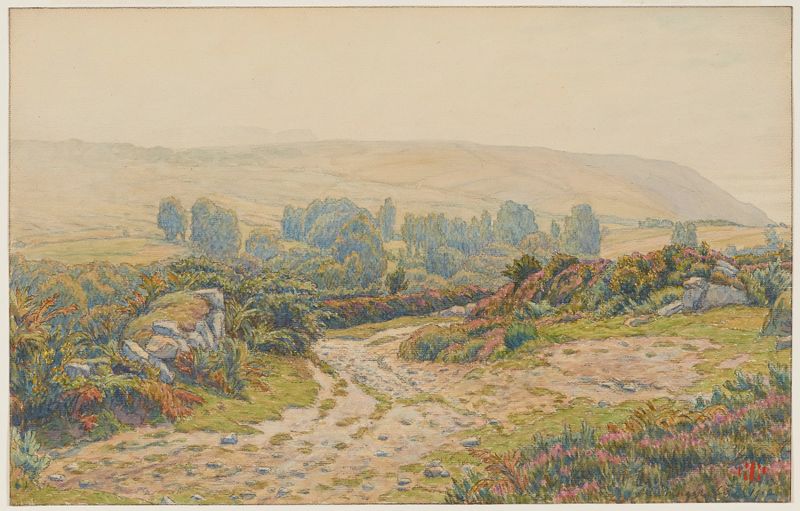
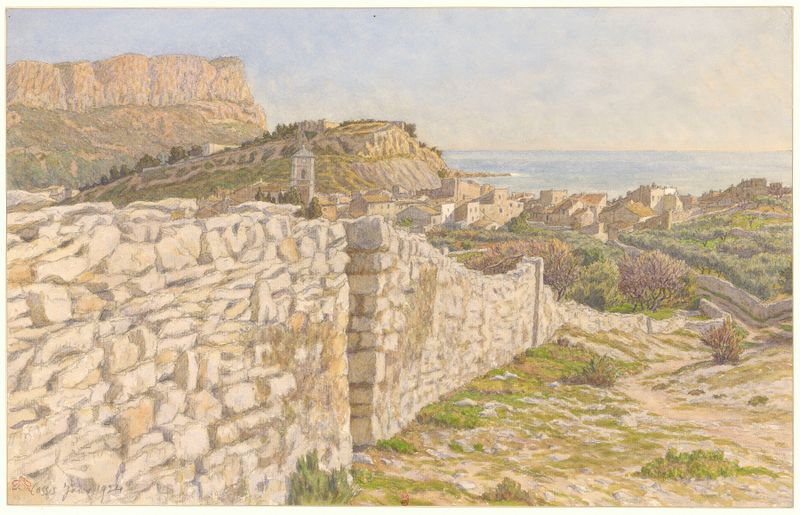
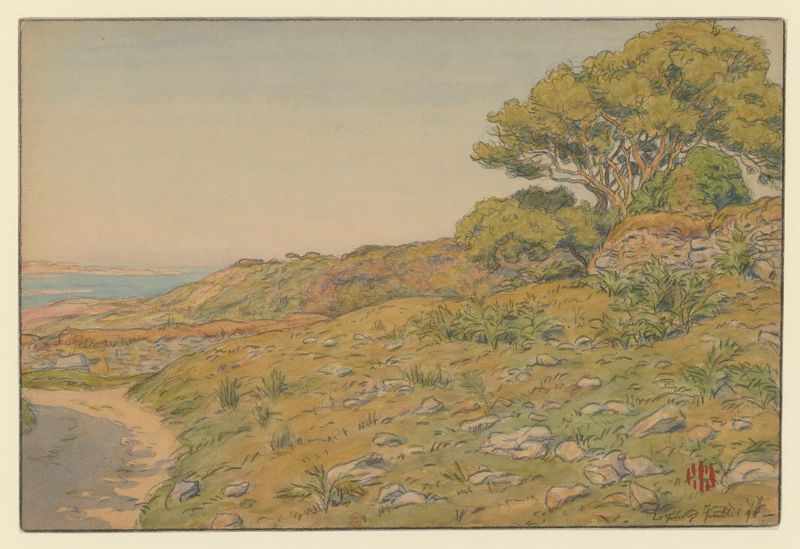
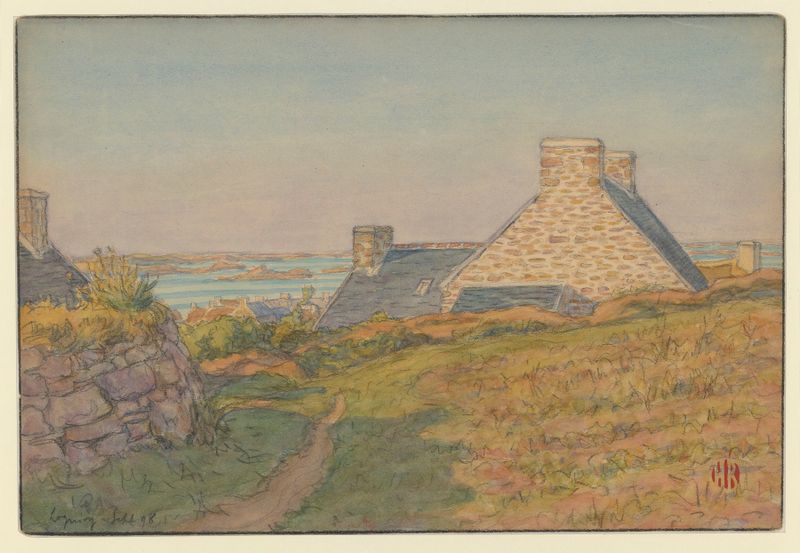
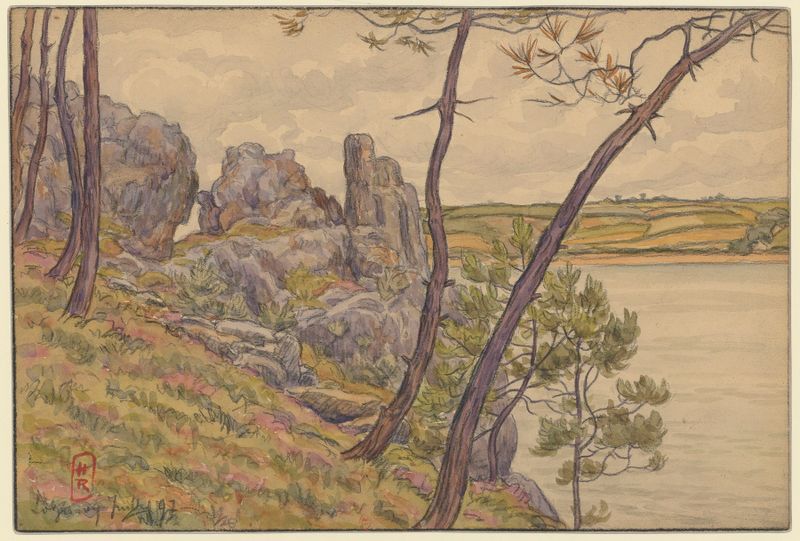
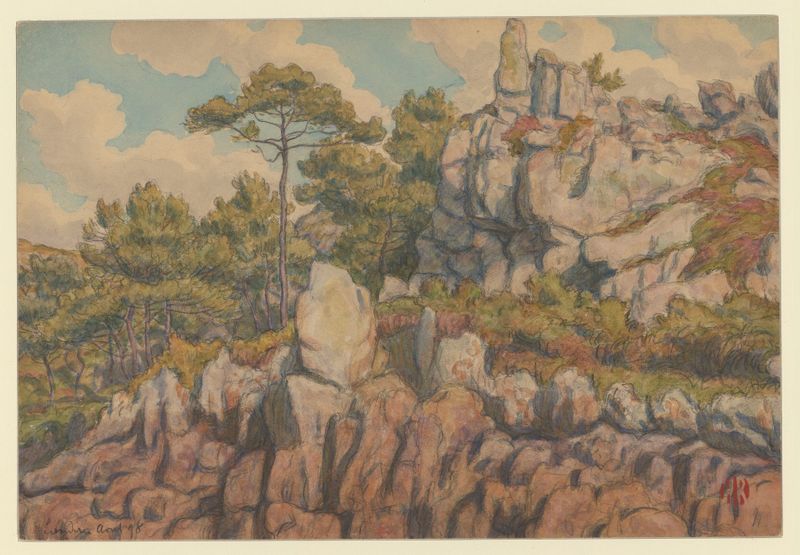
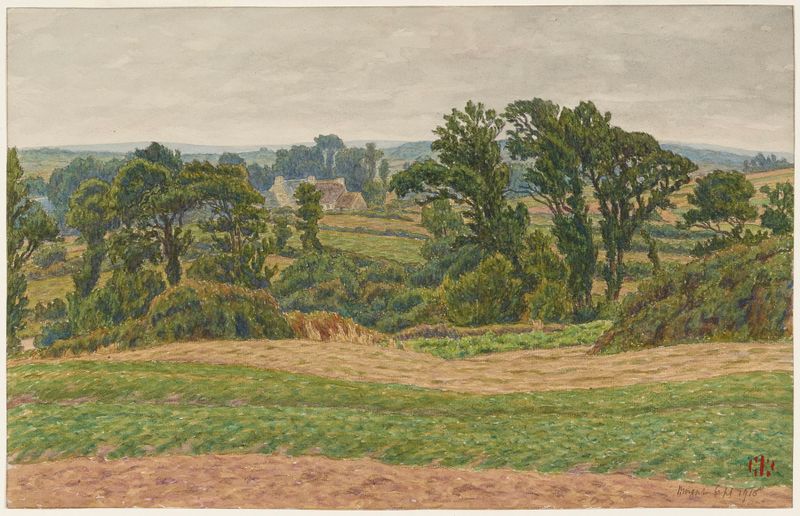
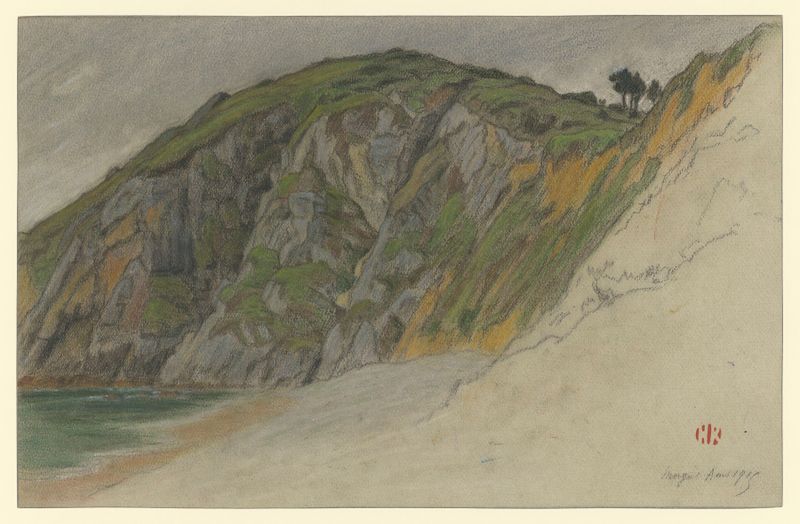
Where does light end, and longing begin? In the quiet embrace of an untouched landscape, the boundaries seem to blur, inviting the viewer into a serene realm of reflection. Look to the horizon, where soft hues of blue and lavender blend seamlessly, creating a tranquil sky that gently envelops the petite aiguille. The delicate strokes of the artist breathe life into the rugged terrain, where muted greens and browns dance harmoniously, guiding the eye across the canvas. The composition feels both expansive and intimate, as if it captures a fleeting moment suspended in time—each brushstroke meticulously placed to evoke a sense of stillness. Beneath this calm exterior lies an undercurrent of tension.
The jagged peak, a symbol of resilience, stands stoically against the soft, ephemeral sky, suggesting a dialogue between permanence and transience. This contrast speaks of nature's enduring beauty juxtaposed with the fragility of human emotion. The gentle gradation of light casts an ethereal glow, inviting contemplation and sparking an intimate connection with the viewer's own sense of longing. Created in 1941, this work emerged during a turbulent period in Europe, as war loomed over the landscape of art and life.
Henri Rivière, finding solace in his surroundings, painted Buis-les-Baronnies, la Petite aiguille amidst the growing chaos, channeling his yearning for peace into every stroke. In the quiet of this rural scene, he captured not just a place, but a moment of profound serenity, a refuge from the world outside.