Buis-les-Baronnies, vallée de l’Ouzève — History & Facts
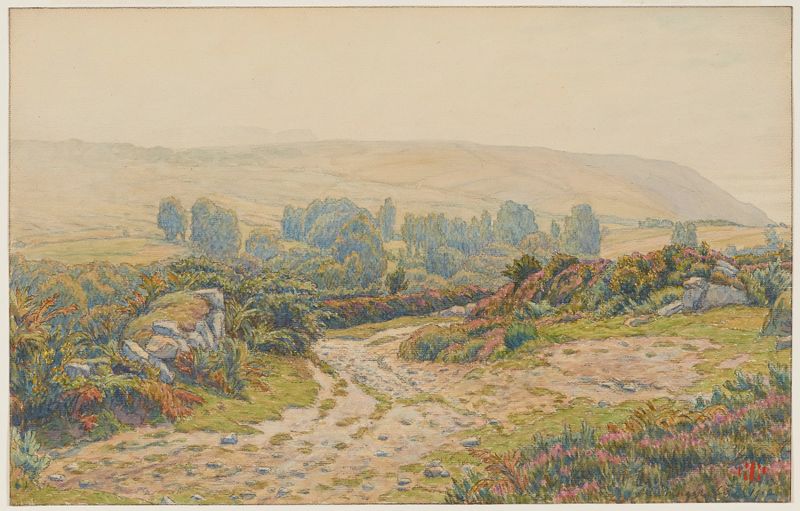
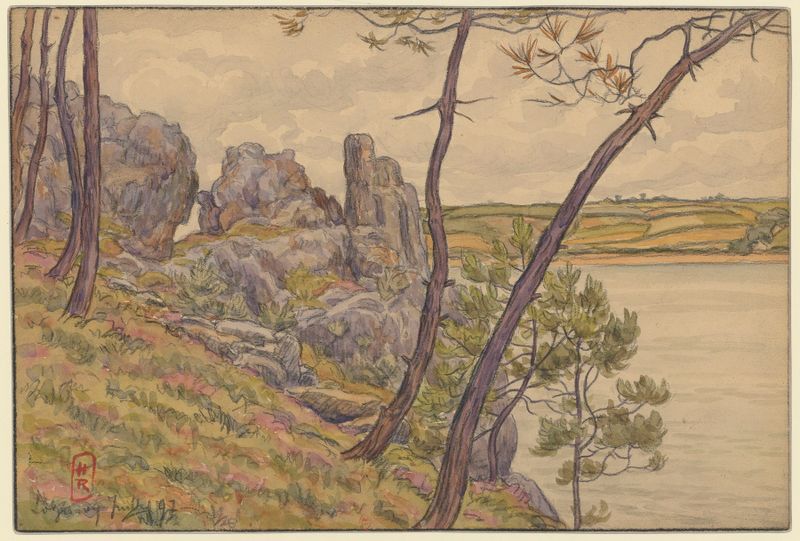
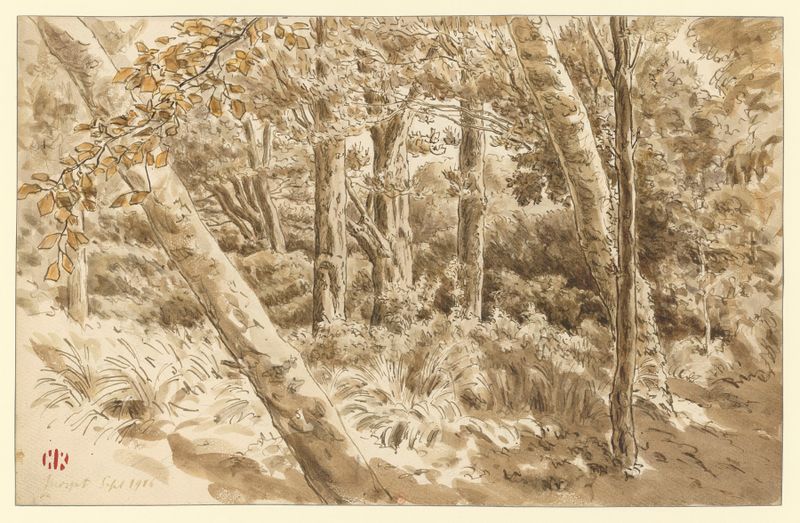
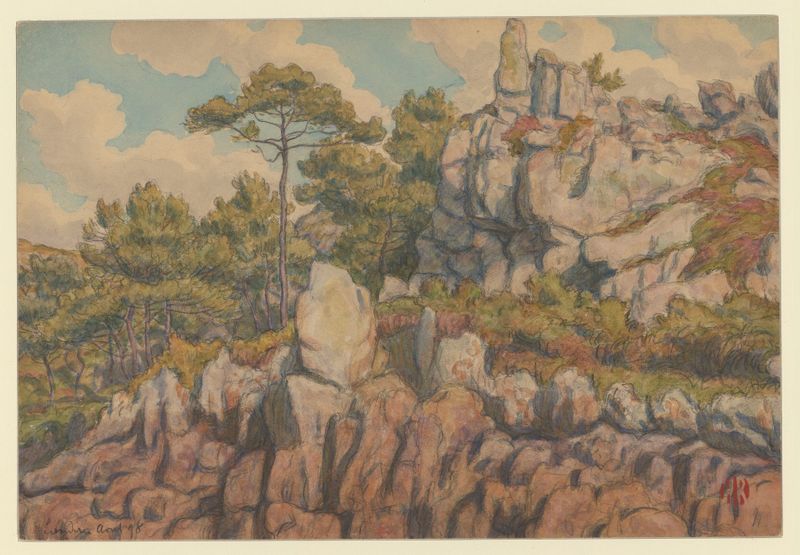
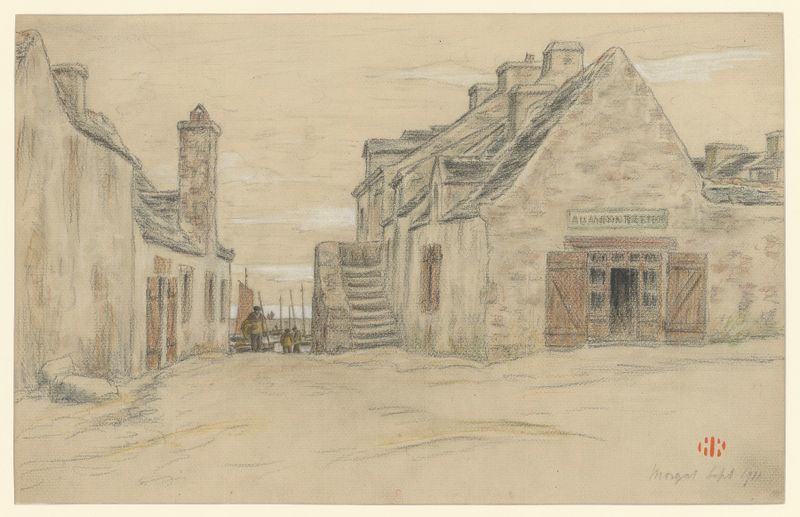
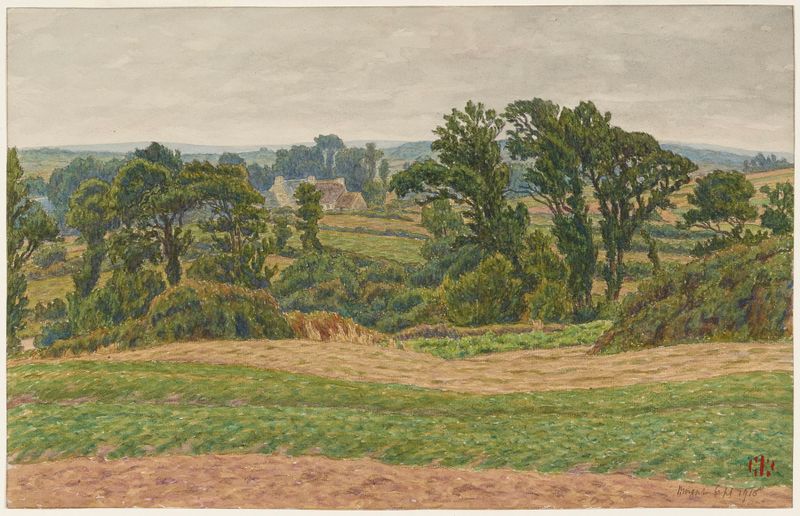
What if silence could speak through light? In Buis-les-Baronnies, vallée de l’Ouzève, a hushed tranquility envelops the landscape, inviting reflection amidst turmoil and change. Look to the left where the gentle undulations of the hills rise and fall, kissed by soft, dappled sunlight. The palette of subdued greens and earthy browns creates a serene backdrop, while the delicate strokes contrast with the vibrant bursts of color on the horizon. Notice how the artist employs light to define the contours of the land, breathing life into every crevice and shadow, as if the essence of the valley is captured in the very brushstrokes. Delve deeper, and you may uncover the emotional tension underlying the scene.
The juxtaposition of the tranquil landscape against the chaotic backdrop of 1940s France evokes a sense of longing and displacement. Each brushstroke carries the weight of the artist's awareness of the world outside this peaceful setting, hinting at silent revolutions both personal and societal. The quietude becomes a refuge, suggesting a desire for escape amidst the clamor of change. In 1942, Henri Rivière painted this work while living in France during the upheaval of World War II.
The once-vibrant art scene was stifled by occupation, forcing artists to seek solace in nature, and to find meaning away from the noise of conflict. This painting, created in the heart of turmoil, reflects not only a personal serenity but also a collective yearning for peace in a world turned upside down.