Buis-lès-Baronnies — History & Facts
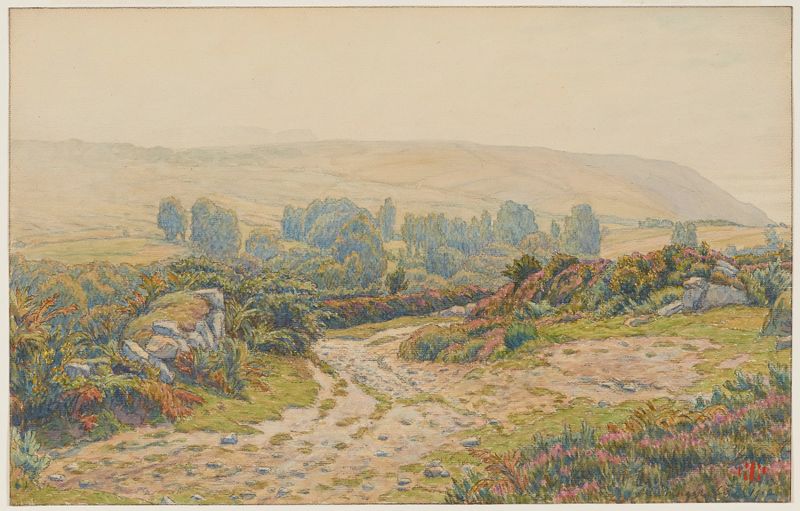
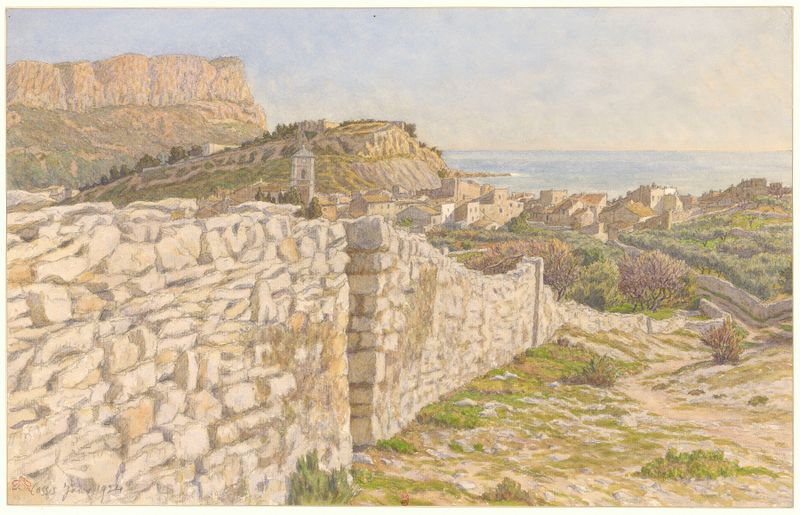
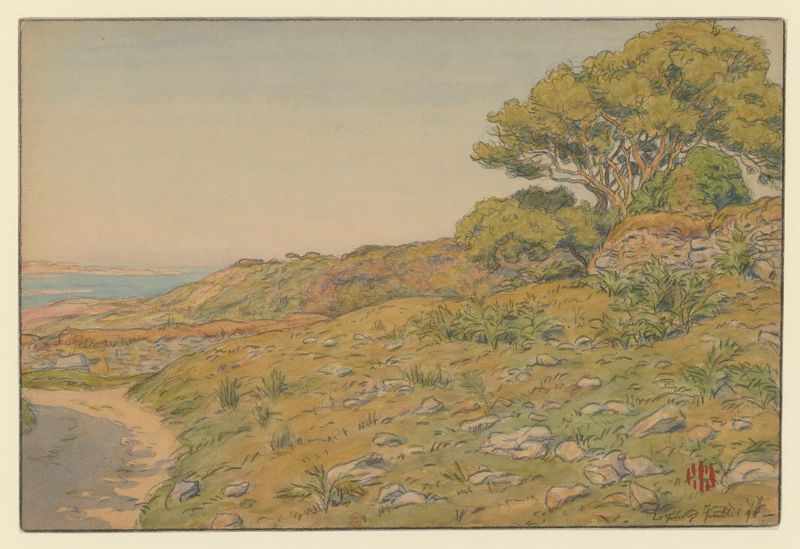
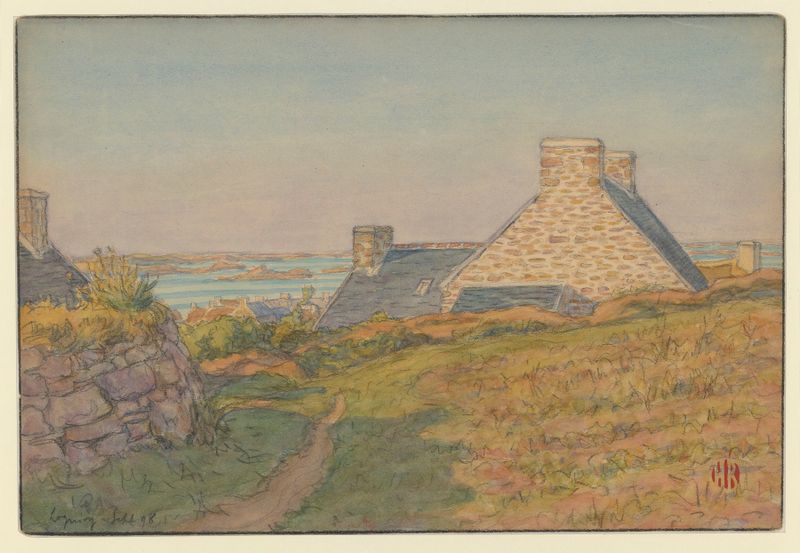
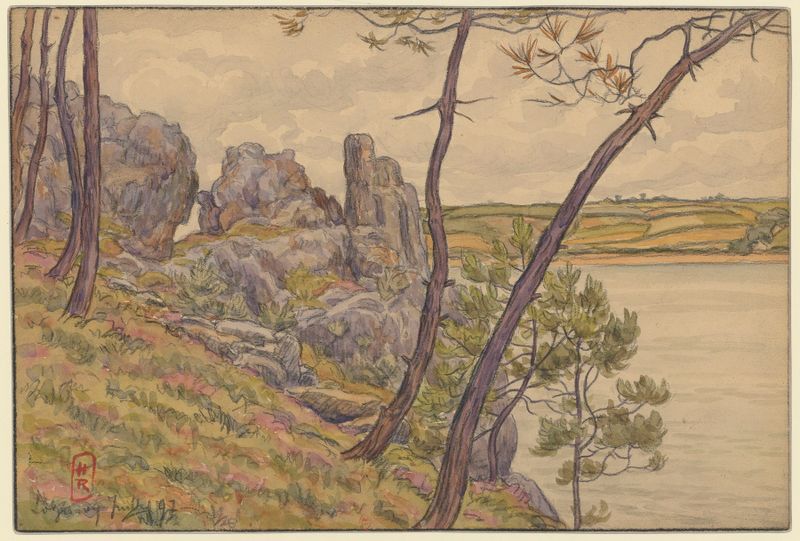
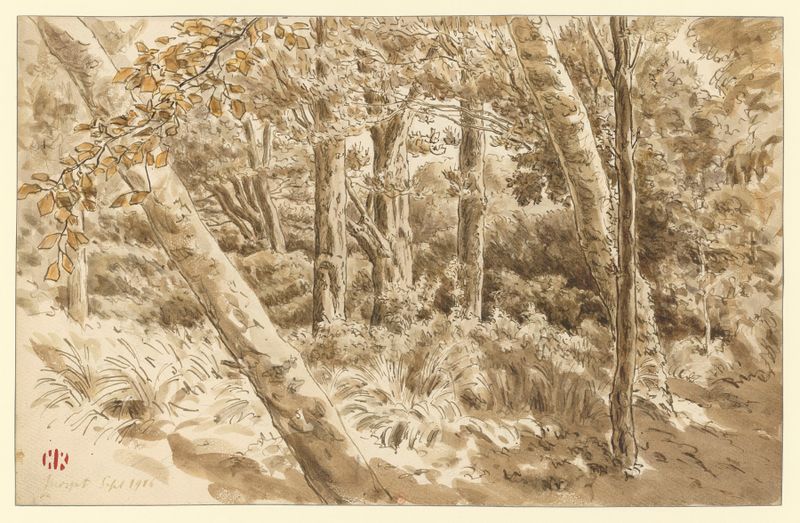
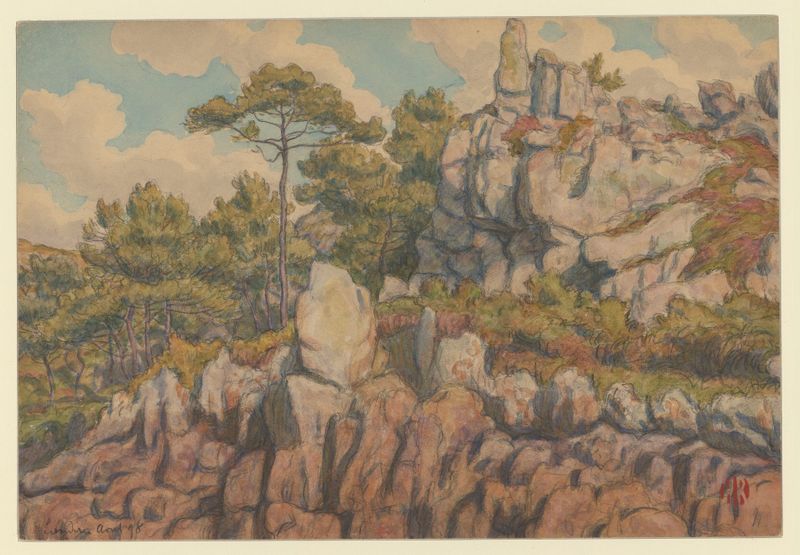
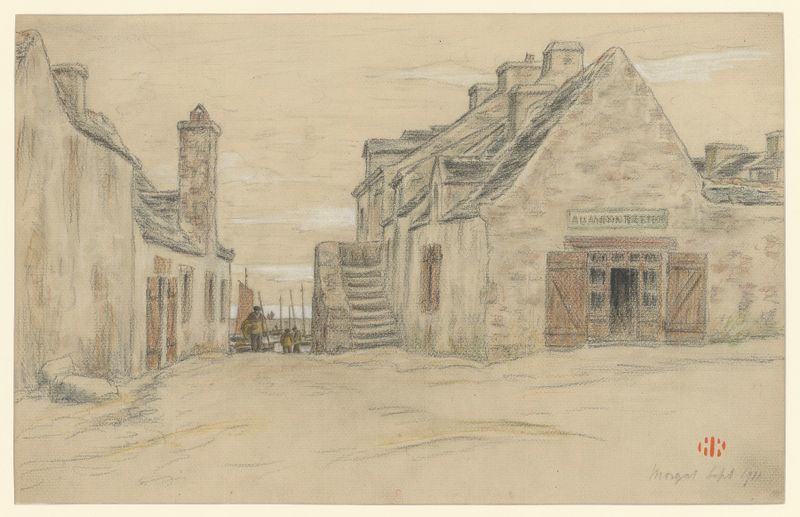
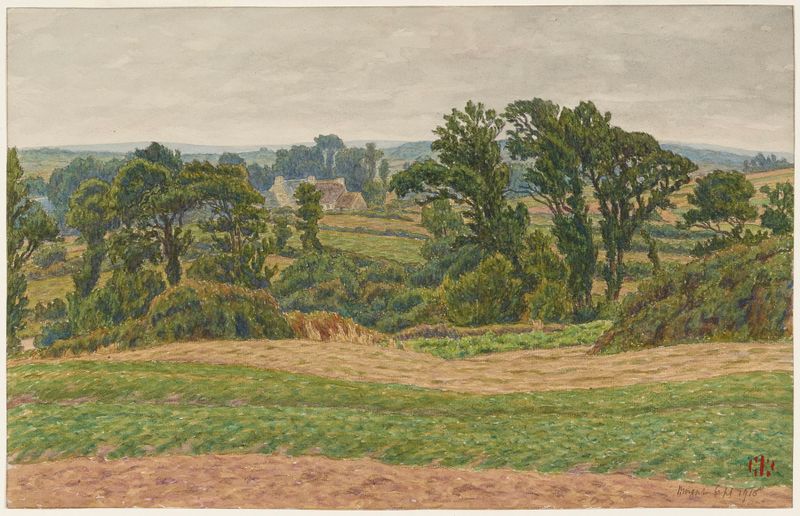
Can paint confess what words never could? In Buis-lès-Baronnies, longing echoes across the canvas, capturing a world both familiar and elusive. Look to the center of the composition where the tranquil village nestles among rolling hills, its rooftops bathed in a warm, golden hue that suggests the fading light of day. The soft brushstrokes create a sense of harmony, while vibrant greens juxtapose against the soft terracotta of the structures, inviting the viewer to explore the interplay of nature and humanity. The horizon, a delicate line where earth meets sky, draws the eye outward, hinting at the infinite possibilities beyond the village. Delve deeper into the subtle interplay of shadows and light, revealing a sense of nostalgia and yearning.
The distant hills, shrouded in mist, suggest an unfulfilled journey, while the serene atmosphere belies an underlying tension — an ache for connection to a place that feels both intimate and distant. Every detail, from the carefully arranged houses to the wistful sky, encapsulates a longing for belonging, underscoring the emotional weight carried within the scene. In 1938, Henri Rivière painted this piece during a time of personal reflection and broader societal change in France. The interwar period was marked by economic strife and a search for identity, both in life and art.
Working primarily in the south of France, Rivière captured the essence of his surroundings, translating his experiences and emotions into a visual language, thus inviting viewers to contemplate their own sense of place and belonging.