
Burkard von Speyer — History & Facts
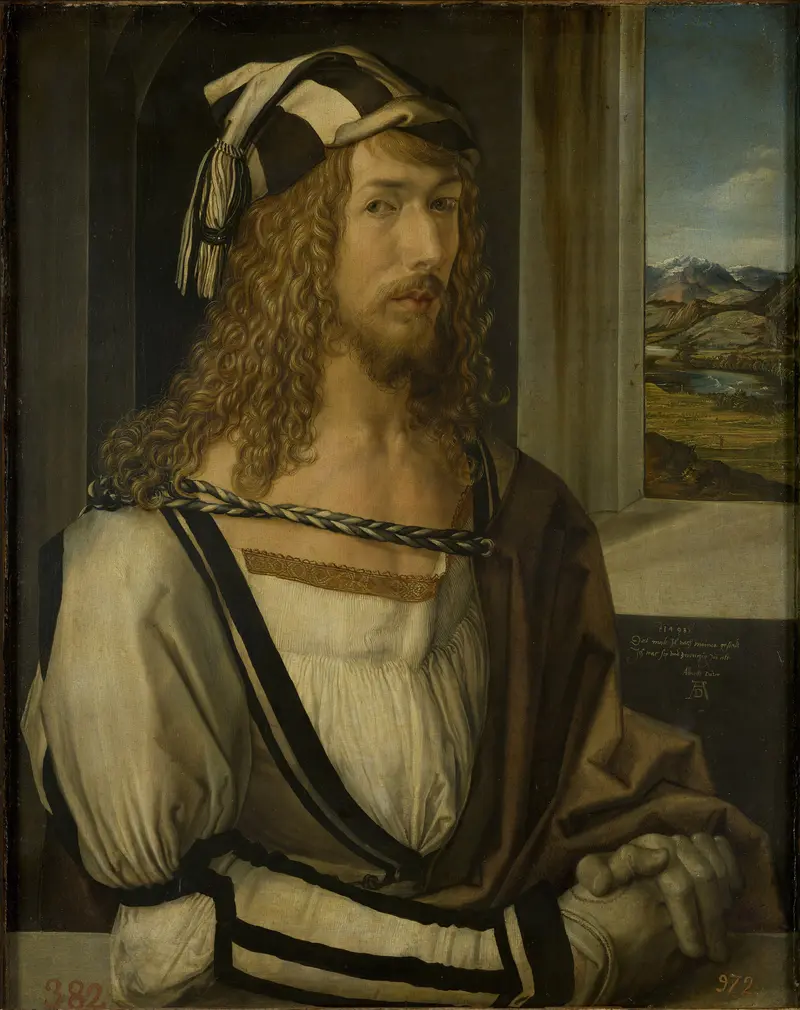
It is the gaze that first draws you in—steady, almost distant, as if the sitter is caught between worlds. The subject’s pale, angular face emerges from the darkness, framed by a mane of reddish hair and capped with a simple black beret. Every detail, from the fur lining of his coat to the crisp white of his collar, is rendered with a clarity that feels both intimate and reserved.
The light falls softly across his features, highlighting the curve of his cheek and the set of his mouth, while the deep black background isolates him in a moment of quiet introspection. There is no distraction here: only the encounter between viewer and sitter, orchestrated by the artist’s hand. Painted in 1506, this portrait belongs to the world of the Northern Renaissance, a time when artists like Albrecht Dürer sought to capture not just likeness, but the inner life of their subjects. Portraits of this kind were often commissioned by prosperous citizens or fellow artists, eager to assert their presence and individuality at a time when such images were still rare.
The careful attention to texture—the sheen of fur, the softness of hair, the subtle play of light on skin—reflects the era’s fascination with observation and technical prowess. Though history has kept few traces of this particular sitter or the painting’s early journey, its survival lets us stand face to face with a person from five centuries ago, and invites us to wonder what thoughts passed behind those watchful eyes.
More Artworks by Albrecht Dürer

Melancholia
Albrecht Dürer

St. George and the dragon.
Albrecht Dürer
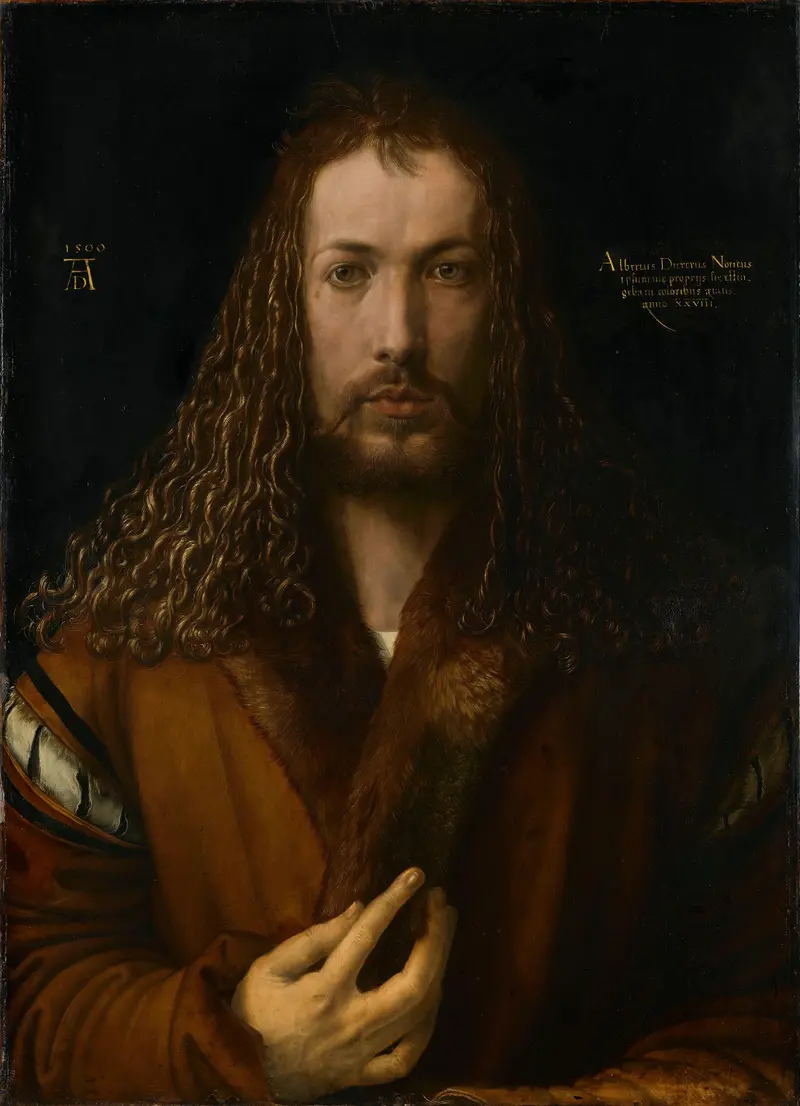
Self-Portrait with Fur-Trimmed Robe
Albrecht Dürer

Wing of a European Roller
Albrecht Dürer

Iris
Albrecht Dürer

The Great Piece of Turf
Albrecht Dürer
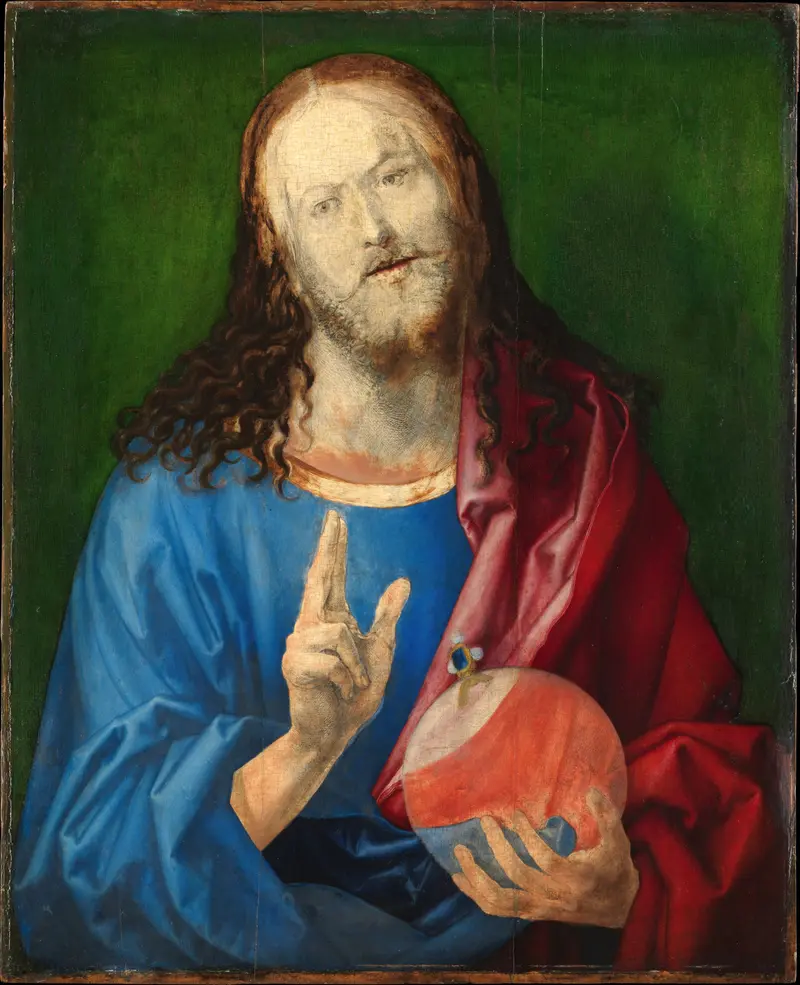
Salvator Mundi
Albrecht Dürer
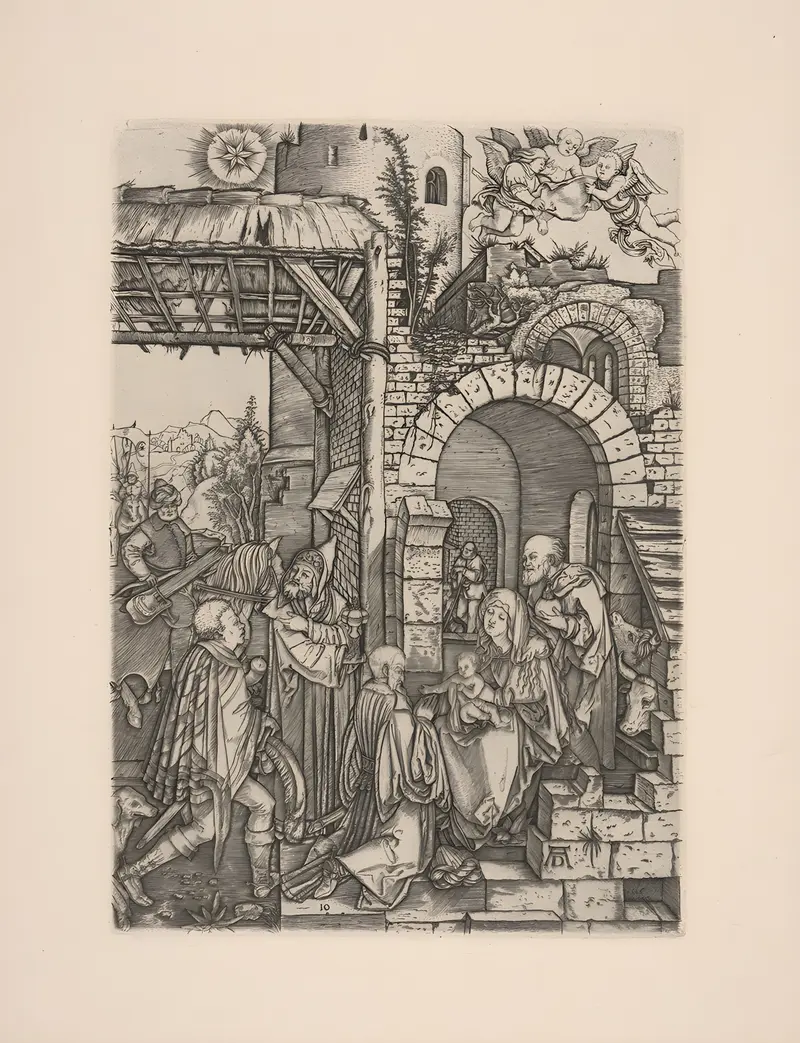
The Adoration of the Magi
Albrecht Dürer
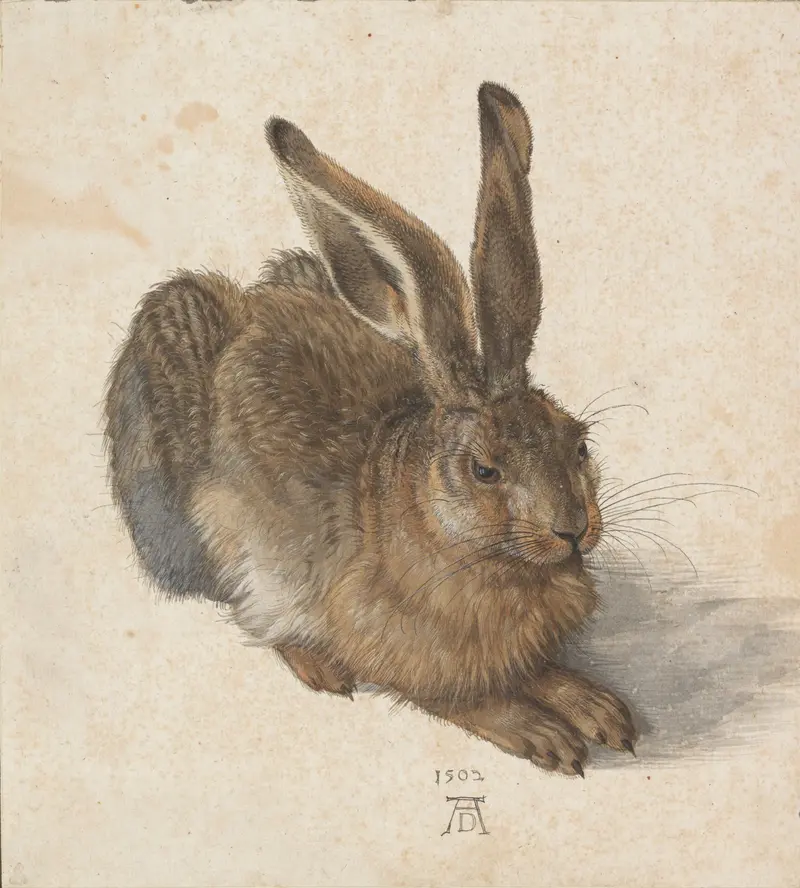
Young Hare
Albrecht Dürer
Self-portrait
Albrecht Dürer





