
Bursa (Rose Soap Market) — History & Facts
The ephemeral nature of memory weaves through the vibrant tapestry of life, capturing transient moments that linger like the scent of rose soap in the air. Look to the lower right, where the market’s bustling energy is distilled into the delicate forms of vendors and patrons. The warm hues of ochre and pink create a sensory experience, evoking the rich aroma of the wares on display. Notice how the light dances across the uneven surfaces, illuminating the intricacies of the handmade soaps and the curious gazes of spectators, breathing life into the scene and inviting the viewer into this vivid marketplace. Amidst the cheerful chaos, an undercurrent of nostalgia flows, as if each block of soap carries within it a story waiting to be uncovered.
The juxtaposition of radiant colors against the shadows of memory suggests not just commerce, but the bittersweetness of times gone by. Each figure seems lost in their own moment—some in joy, others in contemplation—creating a tapestry of human experiences and emotions that pull the viewer deeper into the heart of the market. In 1910, while residing in London, Jan Ciągliński painted Bursa (Rose Soap Market), inspired by his journeys through Turkey where he was captivated by local customs and colors. This period was marked by a burgeoning interest in Orientalism within Western art, and Ciągliński’s piece reflects the fascination with exotic cultures amidst the backdrop of a rapidly modernizing world.
His work captures not just a scene, but an intersection of cultures, memories, and fleeting beauty.
More Artworks by Jan Ciągliński
Browse all →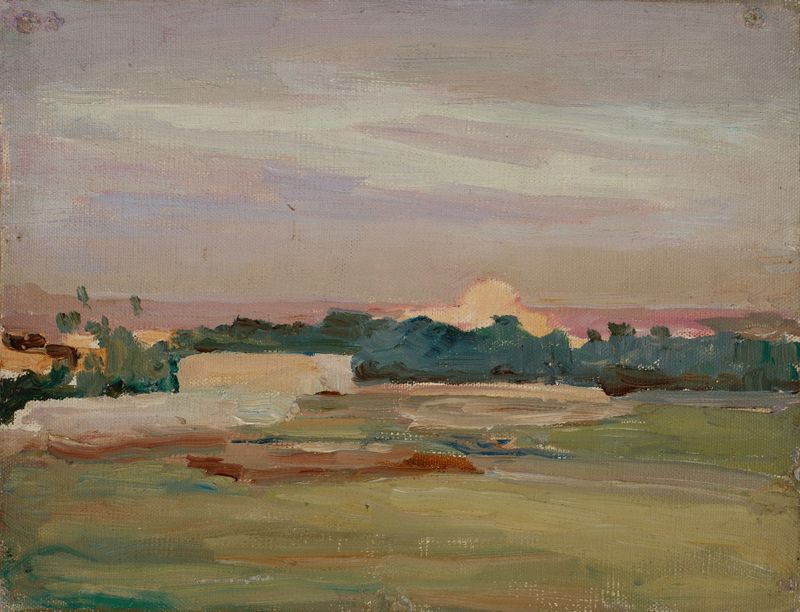
The Sirocco
Jan Ciągliński
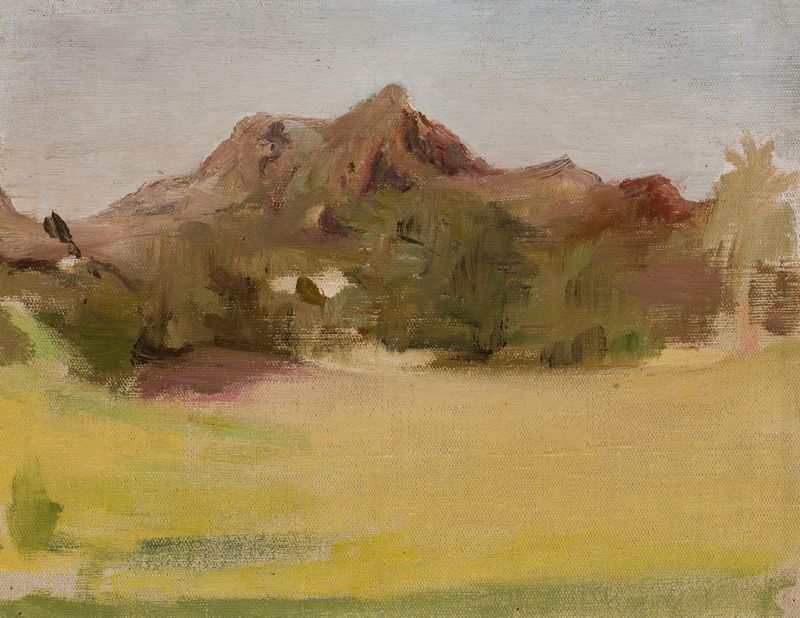
Mountain landscape. From the journey to India
Jan Ciągliński
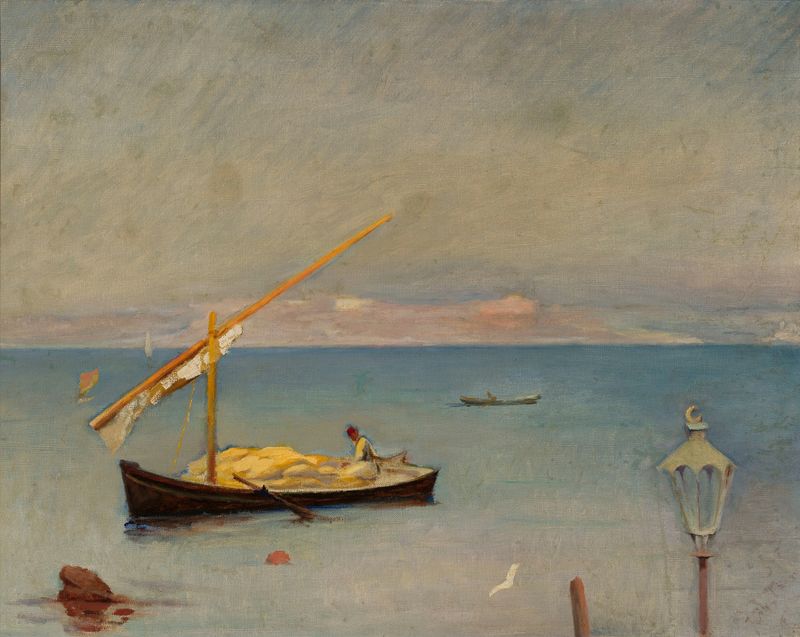
At Bosporus
Jan Ciągliński
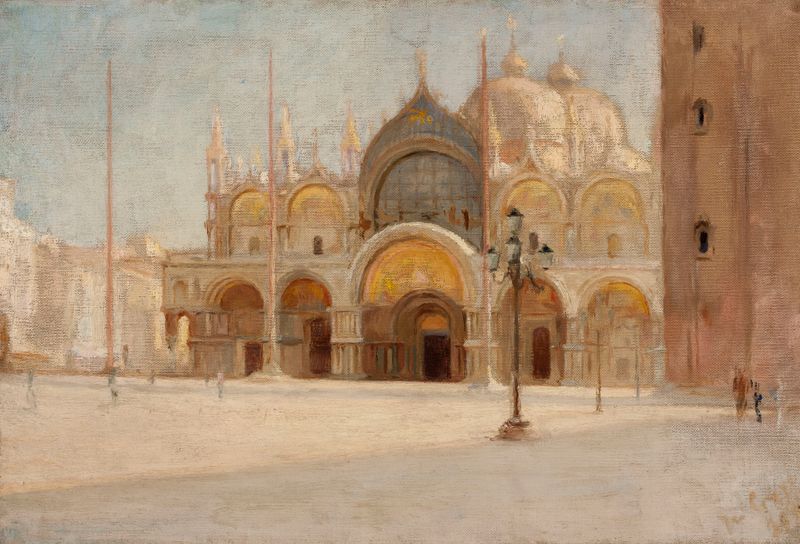
St Mark’s Square in Venice
Jan Ciągliński
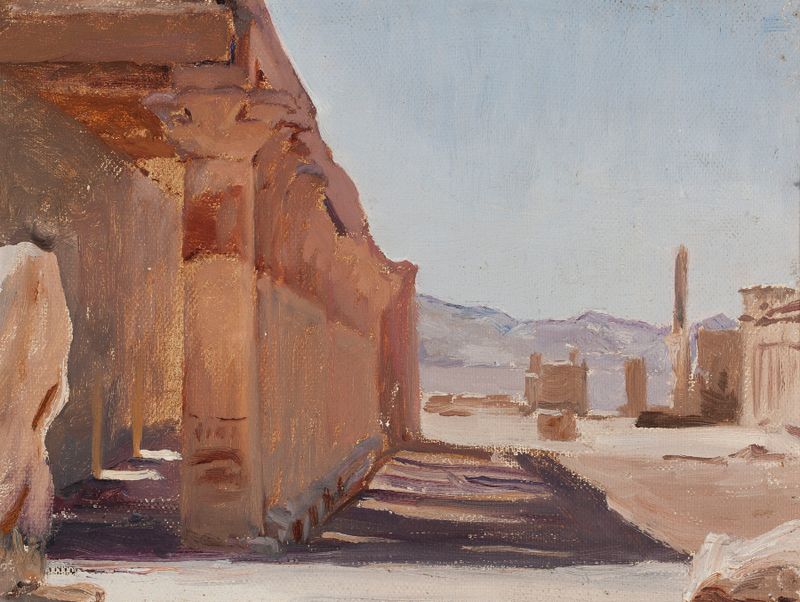
Temple. From the journey to Egypt
Jan Ciągliński
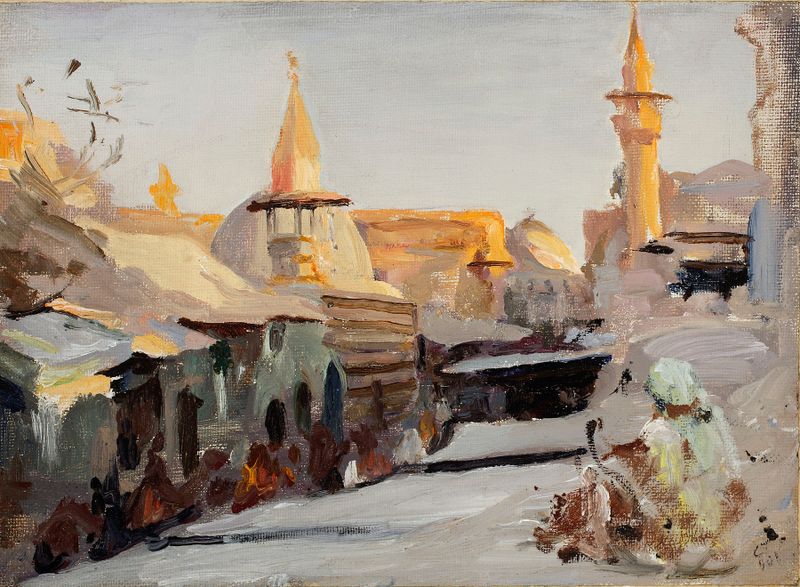
Street in Damascus. From the journey to Palestine
Jan Ciągliński
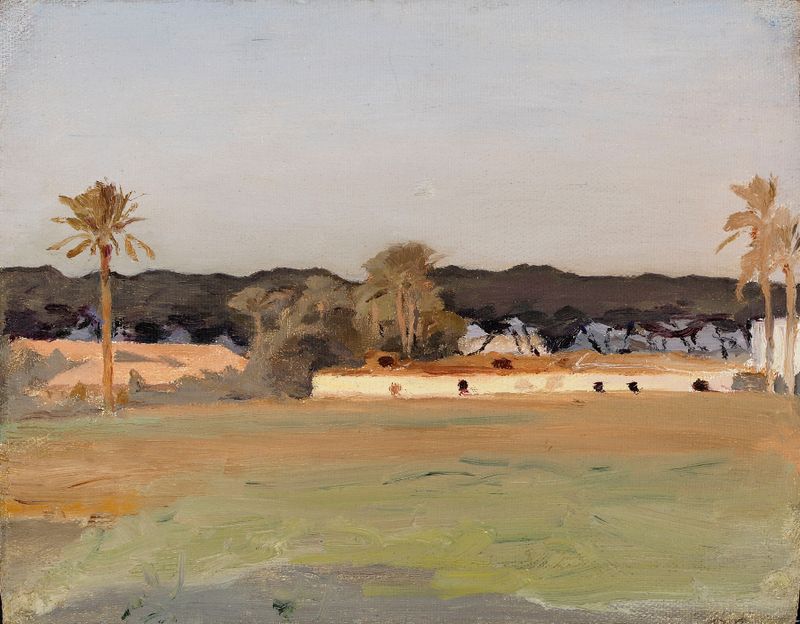
Evening. From the journey to Egypt
Jan Ciągliński
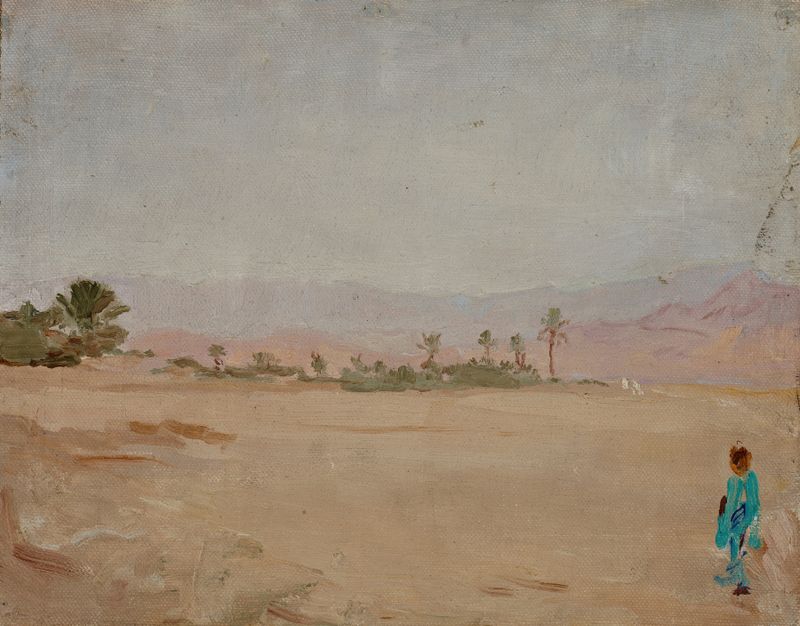
Sahara (Desert)
Jan Ciągliński
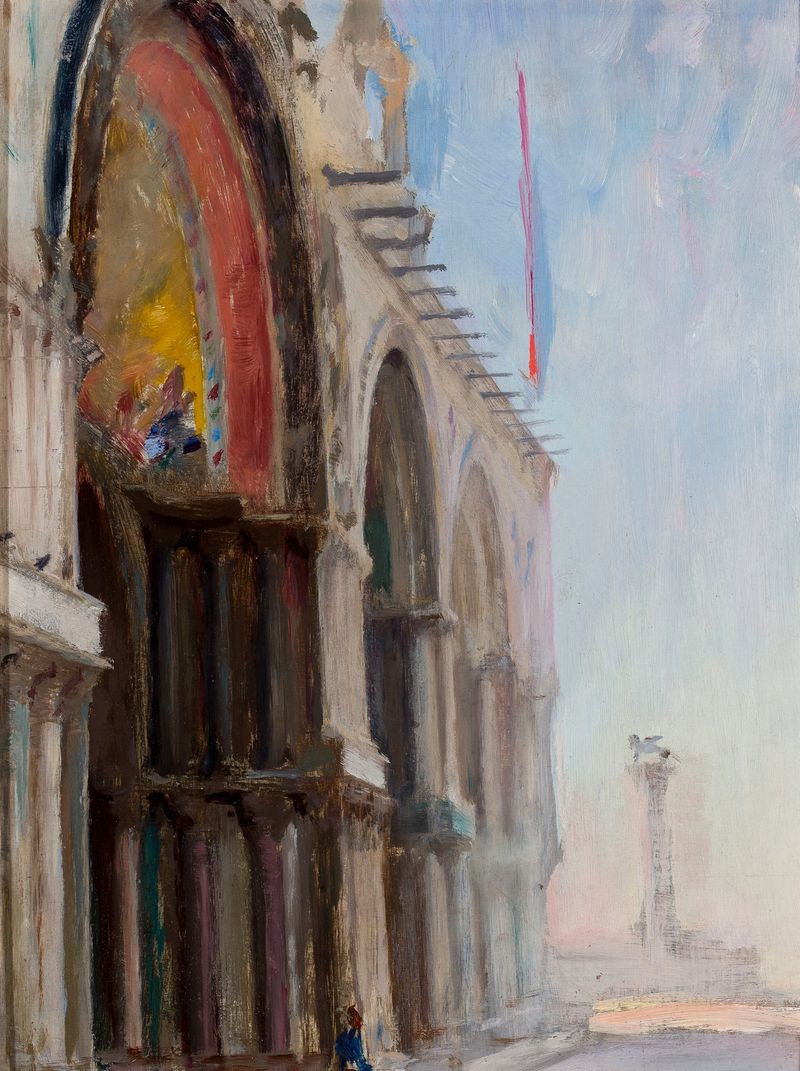
Venice – San Marco. From the journey to Italy
Jan Ciągliński
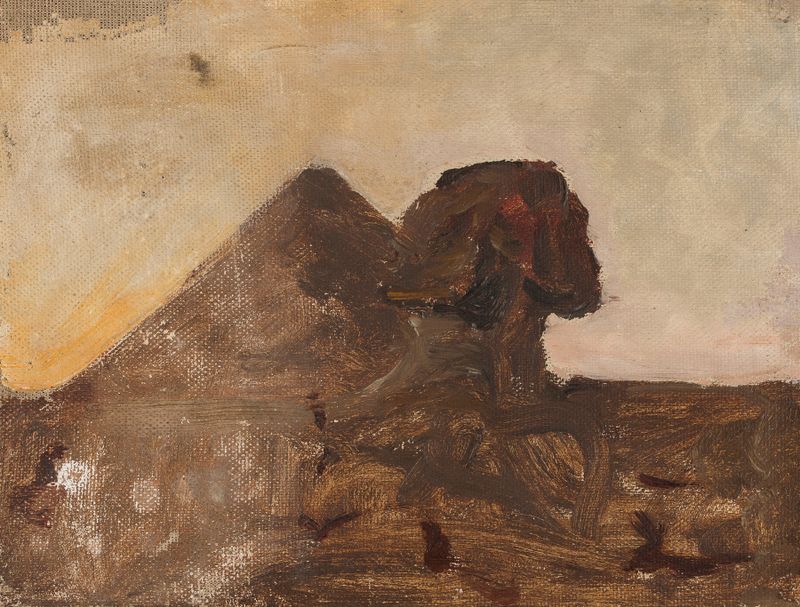
Evening in the desert – Sphinx and pyramid. From the journey to Egypt
Jan Ciągliński





