
Bush and trees by the Szczawnik — History & Facts
Who listens when art speaks of silence? In Bush and Trees by the Szczawnik, Adolf Dressler beckons us to ponder the nuances of nature's quietude, revealing the beauty of stillness interwoven with the illusion of motion. Look to the foreground where a dense thicket of foliage invites your eye with its rich greens and browns. The layered textures of the bushes create a sense of depth, as light filters through the leaves, casting shadows that dance upon the ground. Notice how the artist's delicate brushwork captures the interplay of sunlight and shade, evoking a serene atmosphere that feels alive yet placid, urging viewers to take a deep breath and embrace the calm. Yet, beneath the tranquil surface lies a complexity of emotion.
The juxtaposition of the lush foliage against the starkness of the surrounding landscape speaks to a tension between growth and decay. This delicate balance invites reflection on the passage of time — the bush, vibrant and full of life, hints at a fleeting beauty, while the distant trees, slightly blurred, suggest a gradual fading into the background of existence. Here, silence becomes a poignant dialogue about what remains unseen. In the mid-19th century, Dressler painted Bush and Trees by the Szczawnik during a period marked by romanticism in art, where nature was revered as a profound source of inspiration.
Living in Germany, he was influenced by the turbulent socio-political climate of the time, which fostered a longing for harmony and escape into the natural world. This painting serves as a bridge between the artist's personal reflections and the broader artistic movements, capturing a moment where stillness resonates loudly.
More Artworks by Adolf Dressler
Browse all →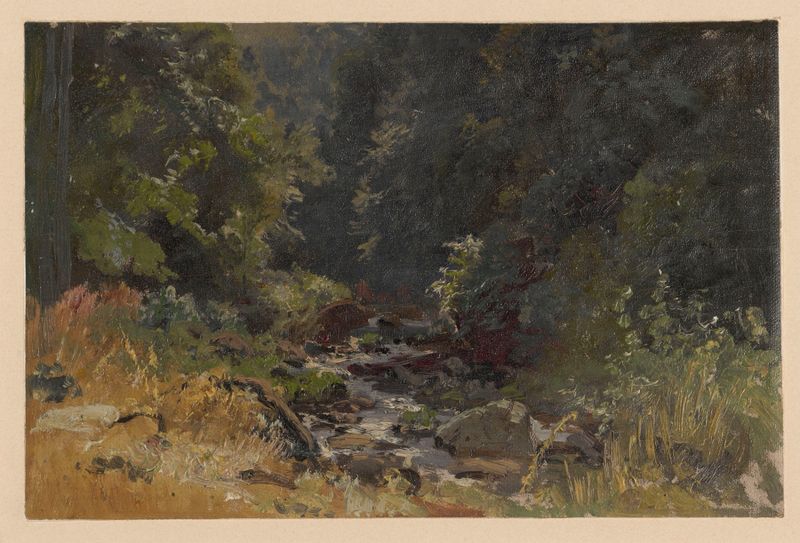
The Pełcznica Stream
Adolf Dressler
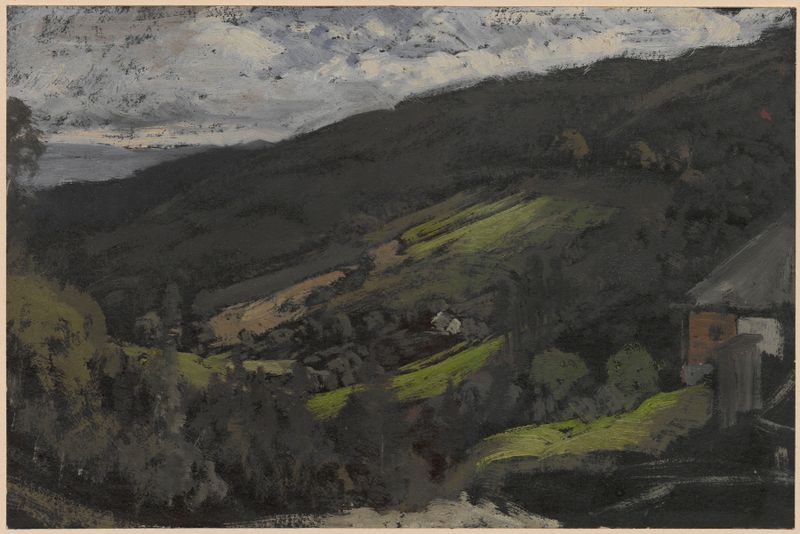
View of Przesieka
Adolf Dressler

By the River Barycz
Adolf Dressler
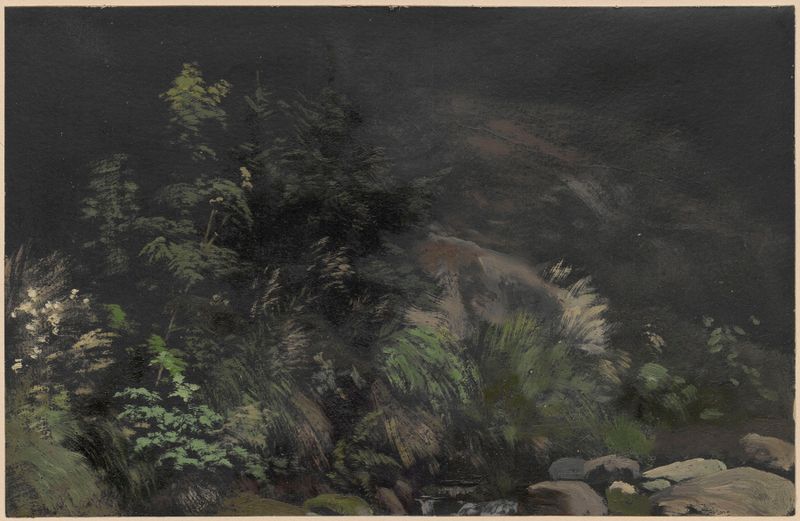
Plants on rocks
Adolf Dressler

Trees in a meadow near Jelcz
Adolf Dressler
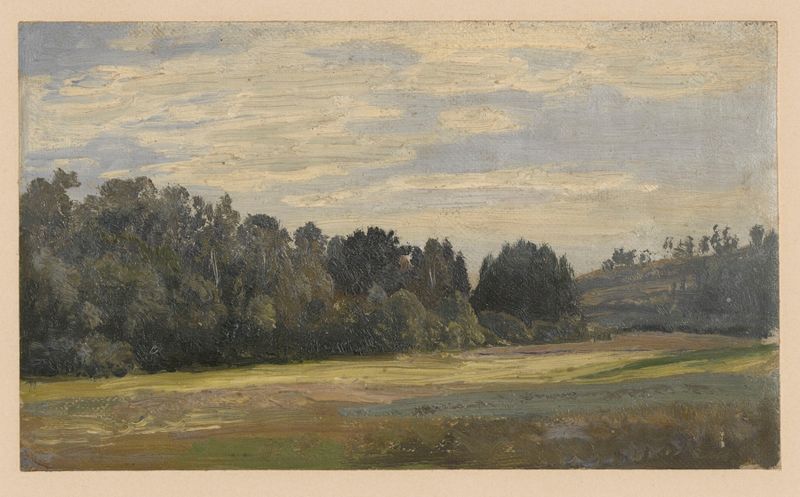
Landscape near Trzebnica
Adolf Dressler

The River Czyżynka valley near the Cisy Castle
Adolf Dressler
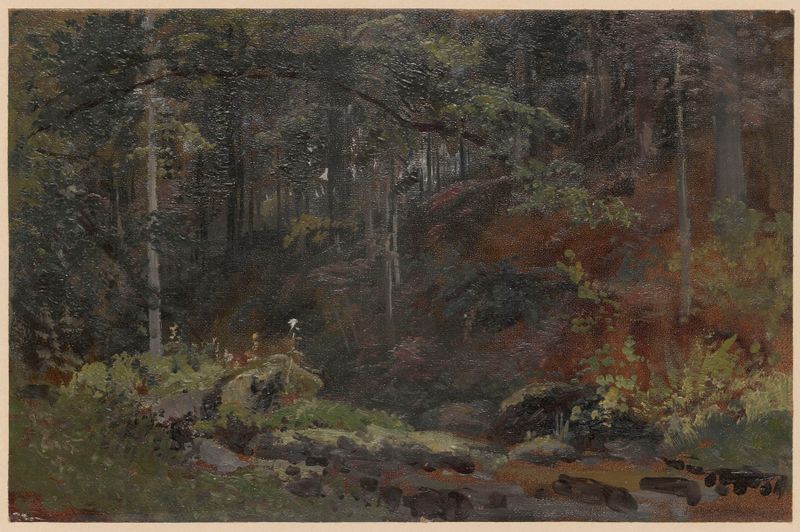
Forest stream II
Adolf Dressler
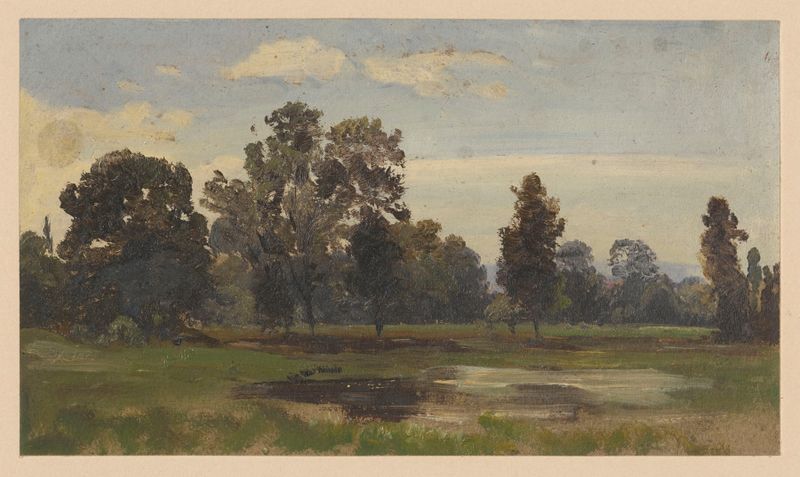
Landscape by the River Barycz.
Adolf Dressler

Rocky slope with a stream
Adolf Dressler





