
Bust of a Gypsy Girl — History & Facts
In Bust of a Gypsy Girl, Jean Auguste Dominique Ingres presents a young girl adorned in traditional gypsy attire. The colors are rich, with deep reds and vibrant blues that highlight her features. Her expression is both serene and enigmatic, inviting viewers to ponder her story.
The background is softly blurred, drawing attention to her face and clothing. The painting showcases Ingres' skillful use of oil on canvas, a medium that allows for fine detail and smooth textures. The brushwork is meticulous, particularly in the rendering of the girl's hair and fabric. Ingres employs a warm color palette, enhancing the emotional depth of the portrait.
The dimensions are approximately 60 x 80 cm, making it an intimate yet impactful piece. Bust of a Gypsy Girl reflects Ingres' fascination with exotic subjects and his ability to capture their essence. Created in the 1850s, this work exemplifies the Romantic style, emphasizing emotion and individualism. Interestingly, Ingres often drew inspiration from his travels, and this portrait may reflect his encounters with gypsy culture.
The painting is now housed in the Musee d'Orsay, a fitting location for such a significant work.
More Artworks by Jean Auguste Dominique Ingres
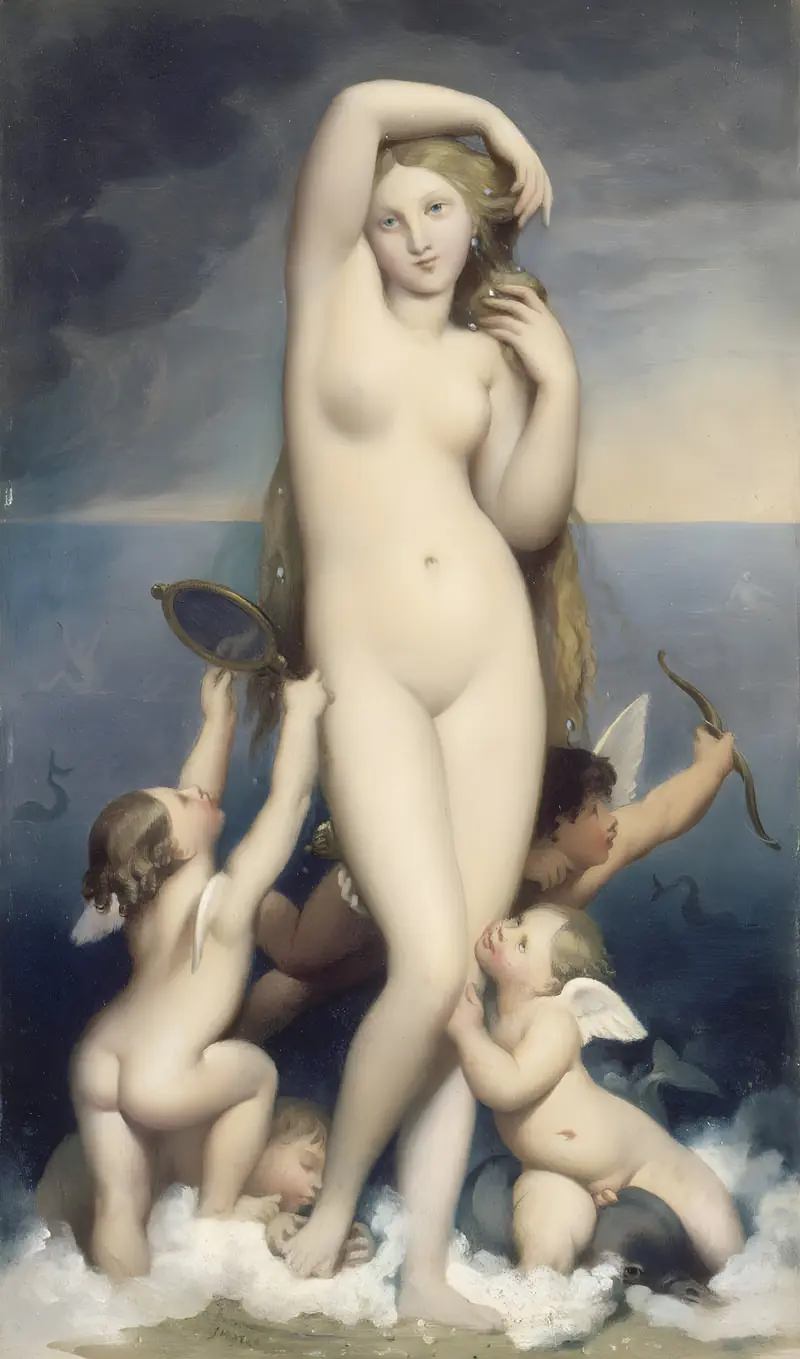
Vénus anadyomène
Jean Auguste Dominique Ingres
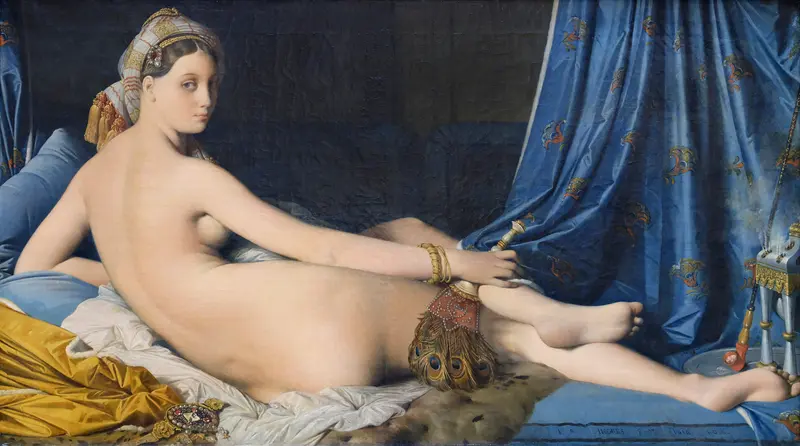
Grande Odalisque
Jean Auguste Dominique Ingres
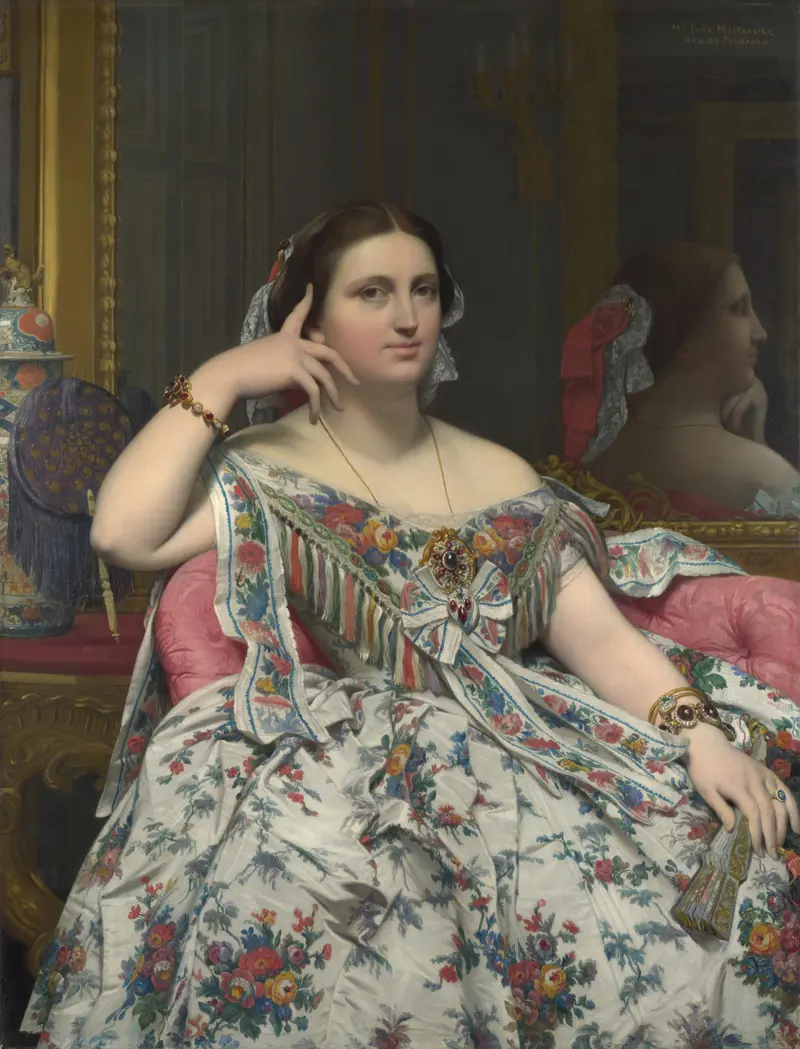
Madame Moitessier (seated)
Jean Auguste Dominique Ingres
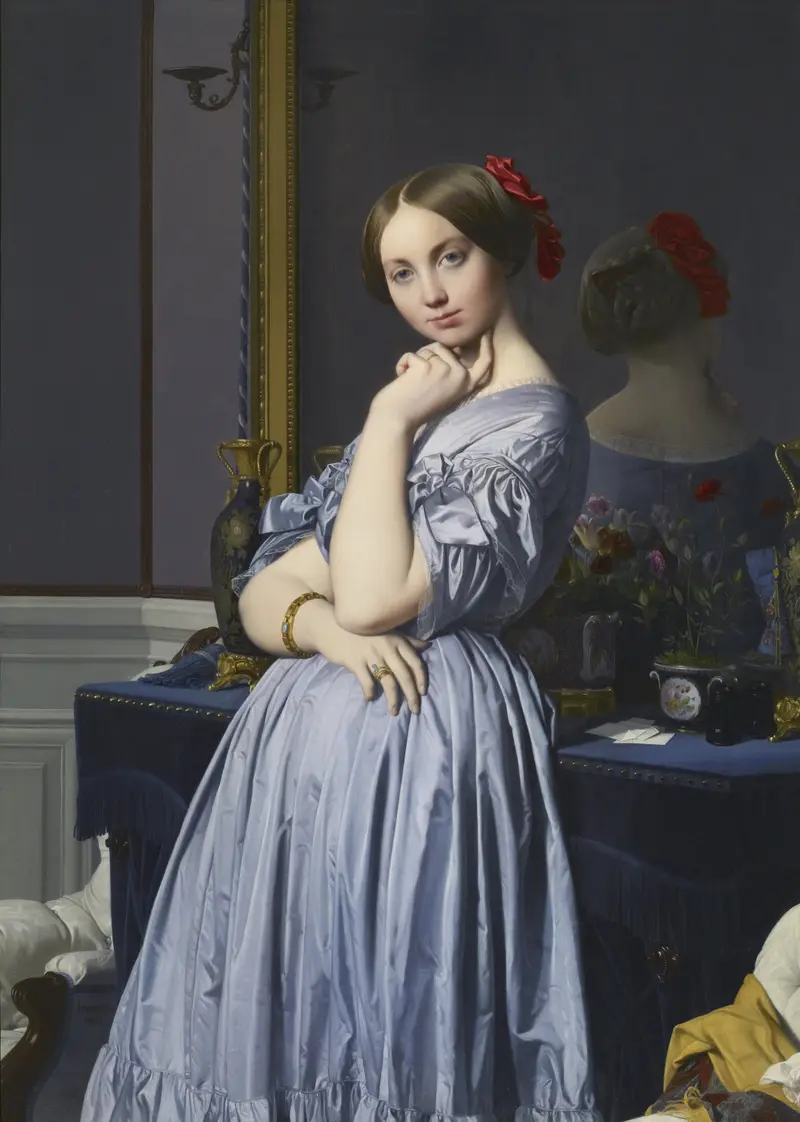
Portrait of Comtesse d’Haussonville
Jean Auguste Dominique Ingres
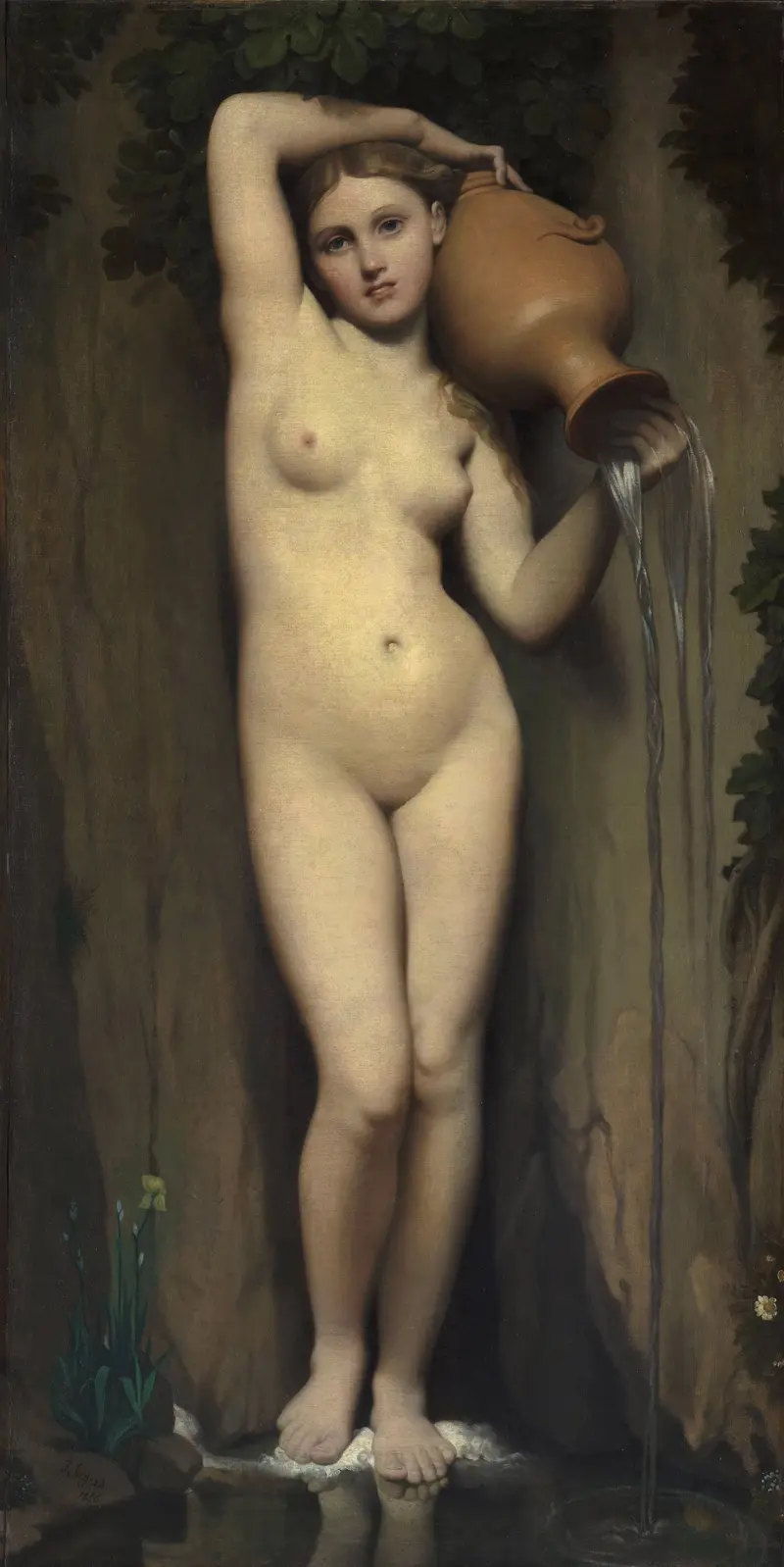
The Source
Jean Auguste Dominique Ingres
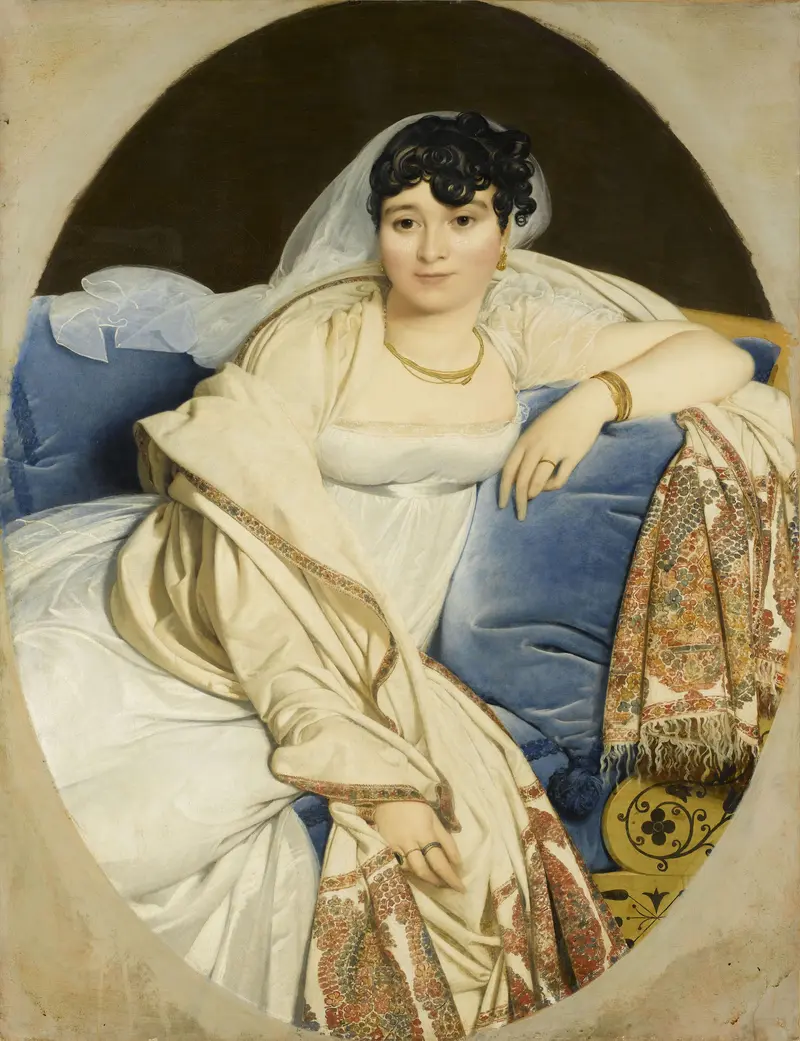
Madame Rivière
Jean Auguste Dominique Ingres

Madame Jean-Auguste-Dominique Ingres, née Madeleine Chapelle
Jean Auguste Dominique Ingres

Portrait of a Lady
Jean Auguste Dominique Ingres
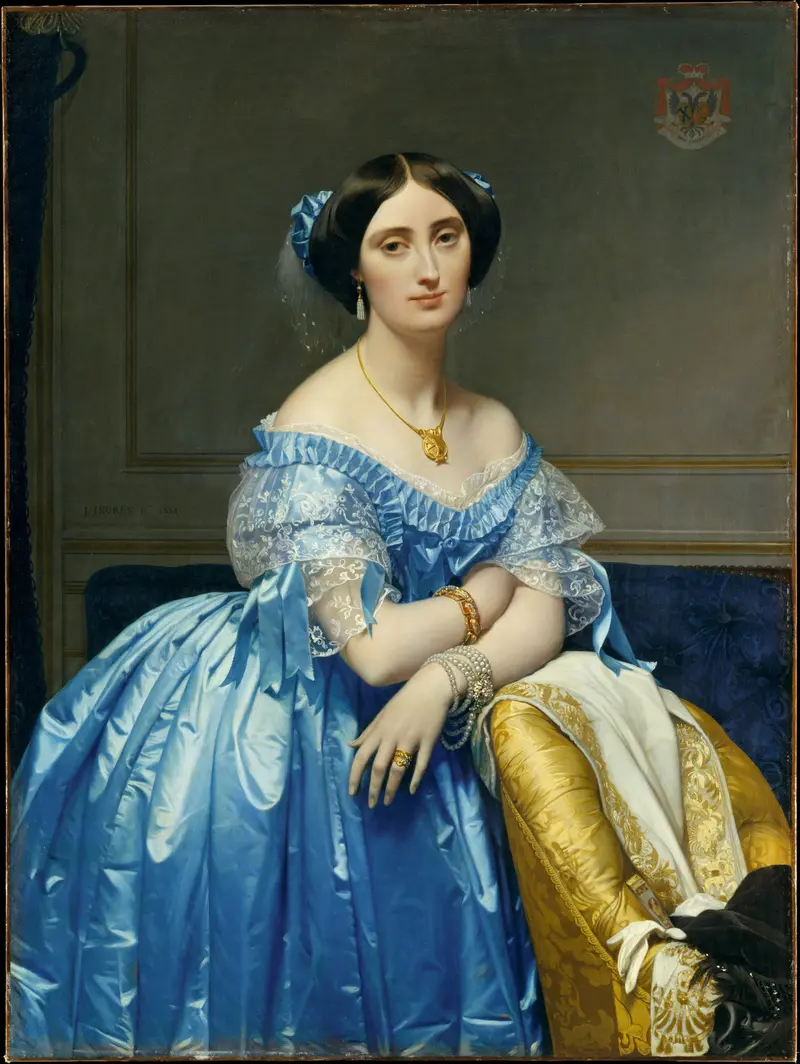
Joséphine-Éléonore-Marie-Pauline de Galard de Brassac de Béarn (1825–1860), Princesse de Broglie
Jean Auguste Dominique Ingres
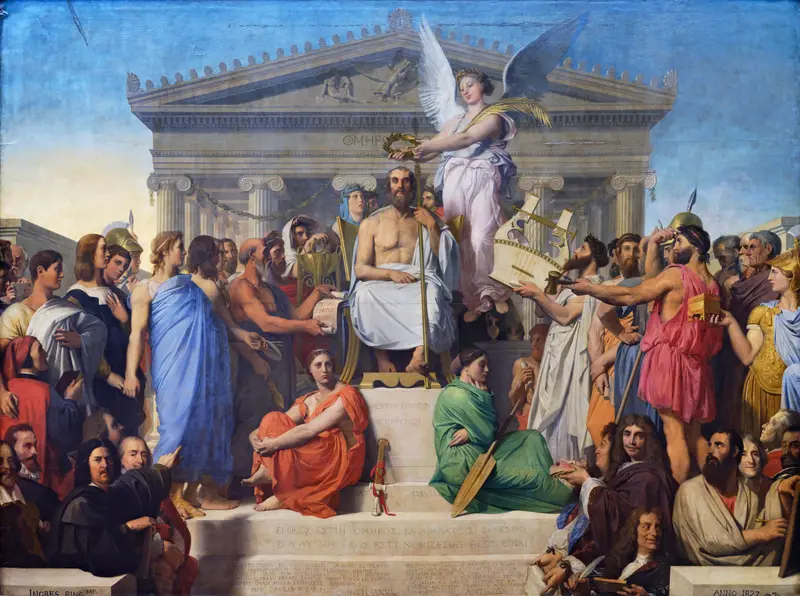
The Apotheosis of Homer
Jean Auguste Dominique Ingres





