
Buste de femme — History & Facts
In Buste de femme, the viewer is greeted by a striking portrait of a woman. The artist employs a rich palette of warm colors, predominantly deep reds and soft browns, to create a sense of intimacy. The woman's expression is serene, with her gaze directed slightly off to the side, inviting contemplation.
Her attire is elegant, hinting at a refined social status, while the background remains soft and indistinct, focusing attention on her figure. The painting is executed in oil on canvas, a common medium for portraits during the Romantic period. The brushwork is fluid, with soft transitions between colors that enhance the lifelike quality of the subject. The dimensions are approximately 60 x 80 cm, making it a moderately sized portrait that can easily command attention in a gallery setting.
The artist's technique showcases his ability to capture the nuances of light and shadow on the woman's face. Narcisse-Virgile Diaz de La Peña was a prominent figure in the French Romantic movement, known for his landscapes and portraits. Buste de femme reflects his interest in the female form and beauty, a recurring theme in his work. An interesting fact about this painting is that it exemplifies the Romantic ideal of portraying emotion and individuality, moving away from the rigid forms of Neoclassicism.
This piece remains a testament to Diaz's skill in blending realism with romantic sensibilities.
More Artworks by Narcisse-Virgile Diaz de La Peña
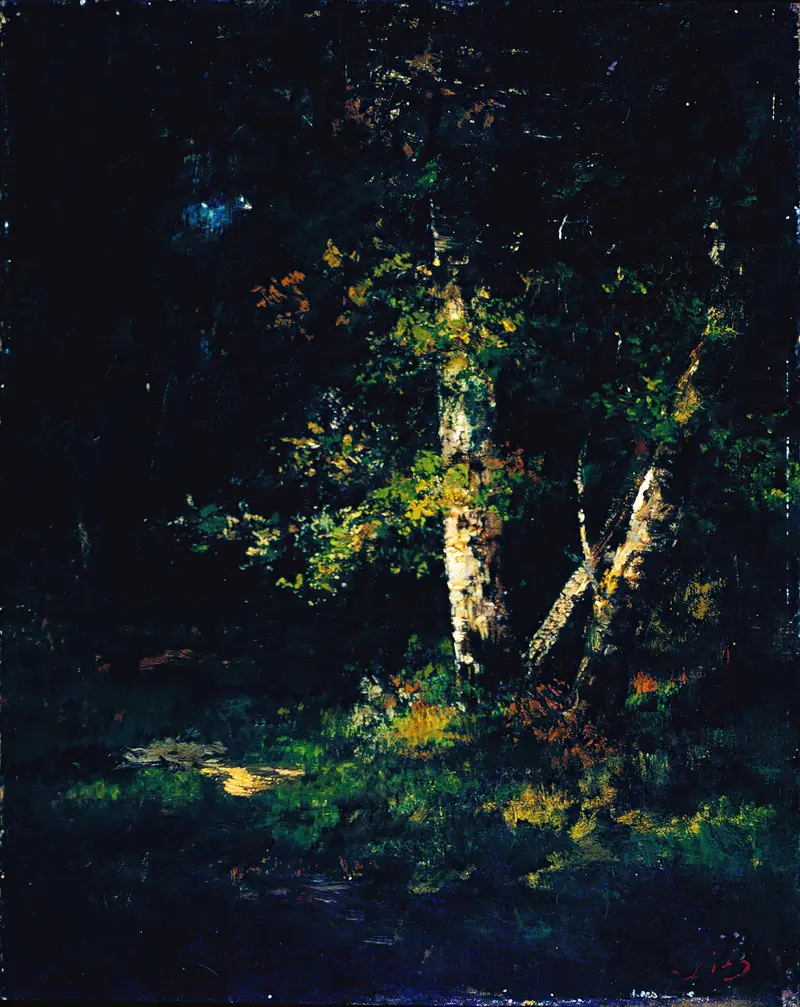
Forest Scene
Narcisse-Virgile Diaz de La Peña
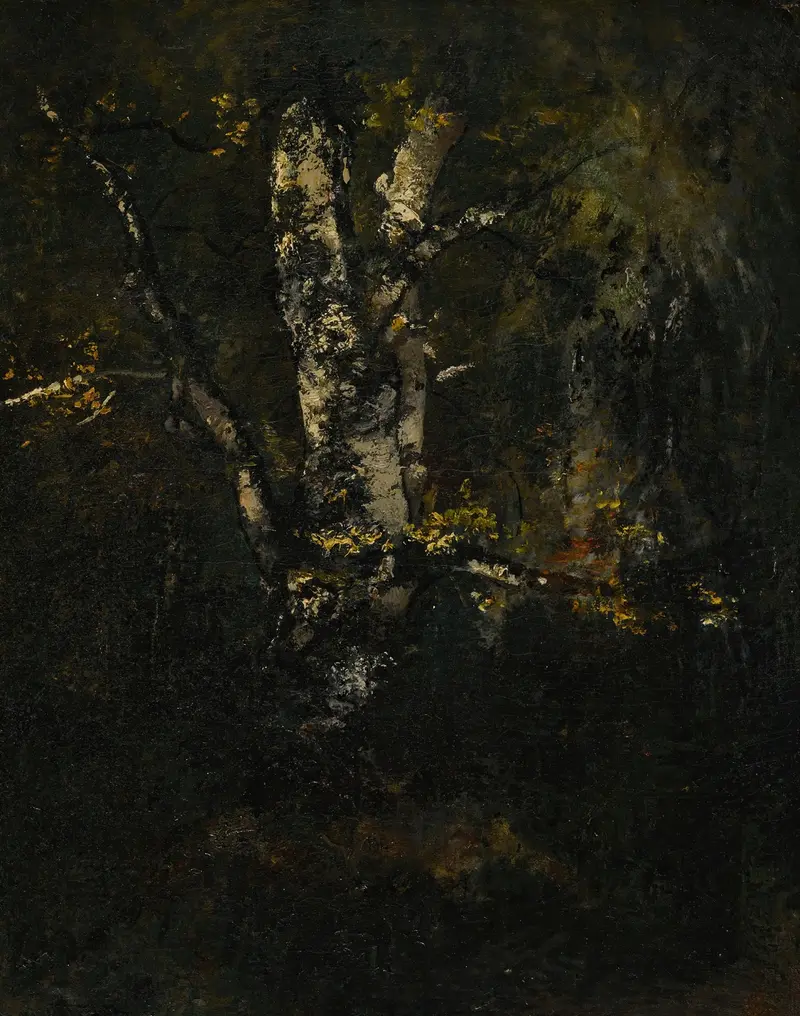
Vieux Troncs De Hêtres
Narcisse-Virgile Diaz de La Peña
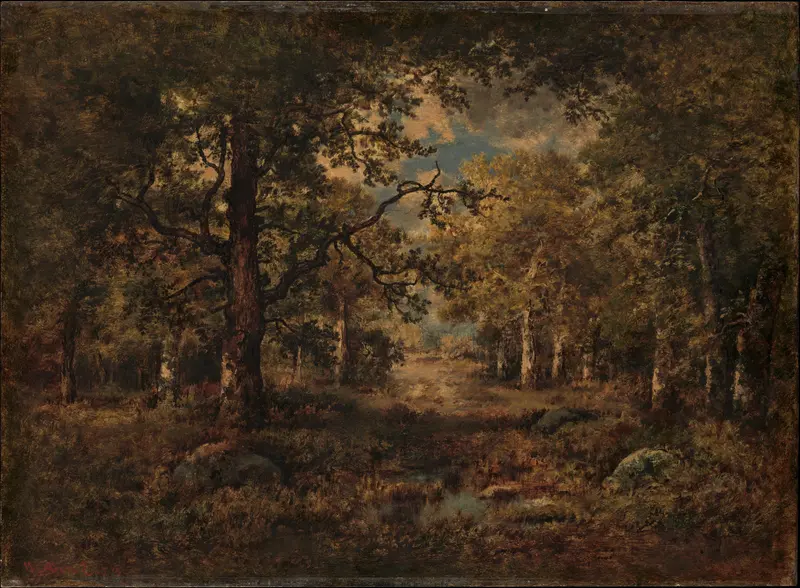
A Vista through Trees; Fontainebleau
Narcisse-Virgile Diaz de La Peña
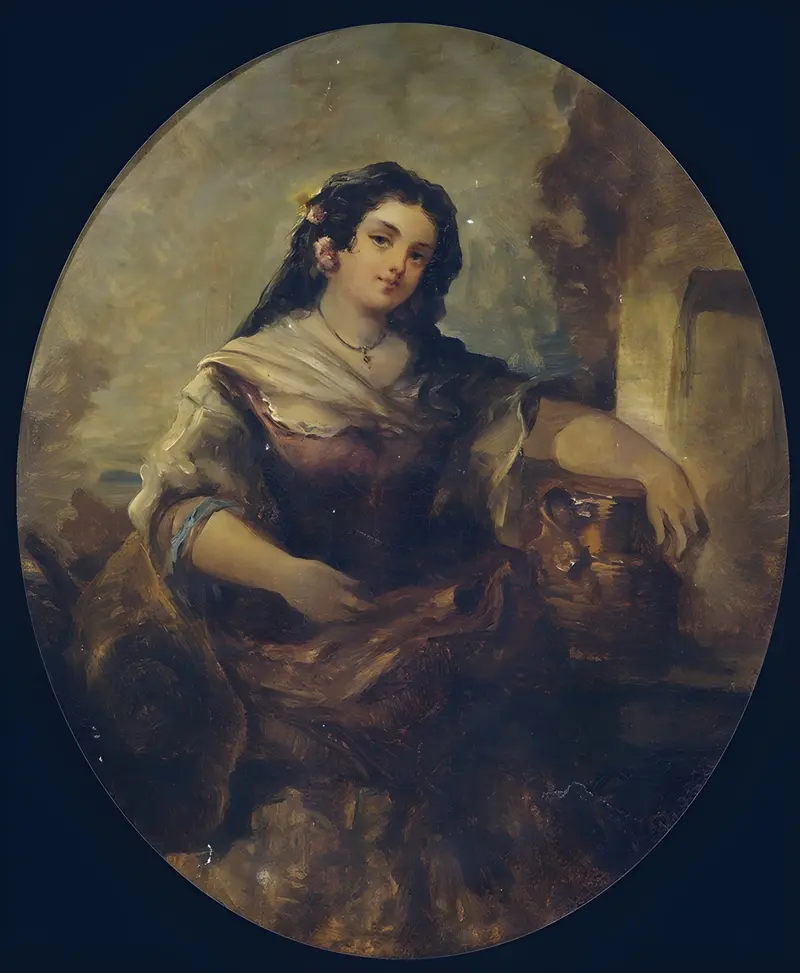
Portrait of a young girl at the well
Narcisse-Virgile Diaz de La Peña
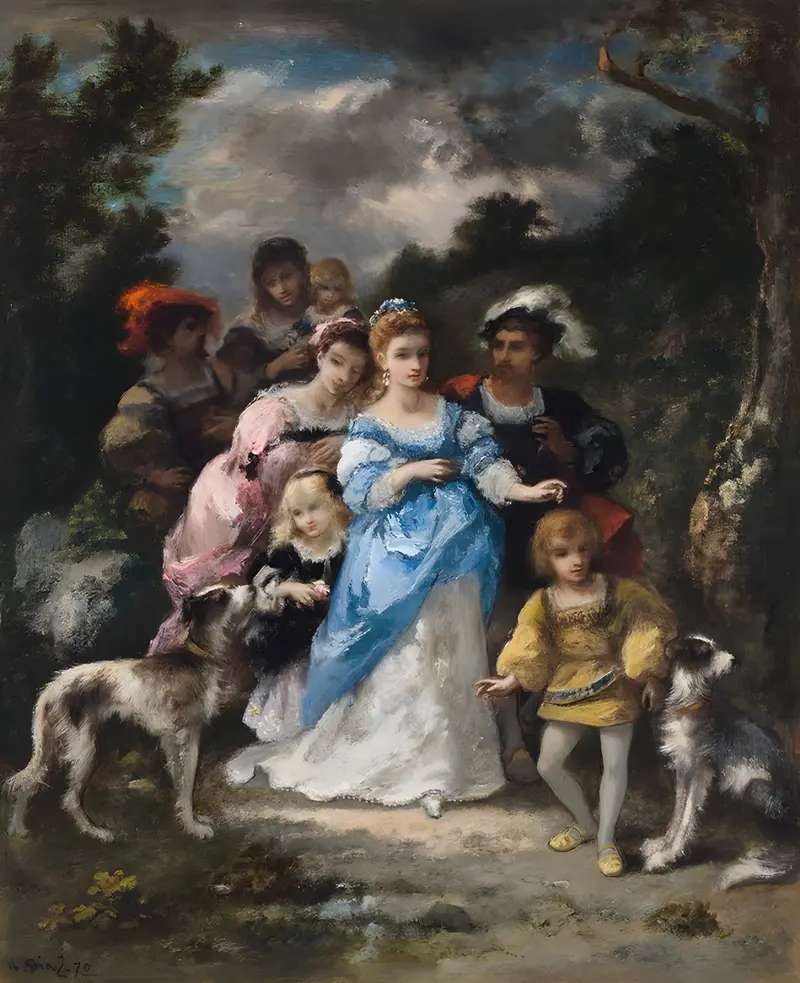
Promenade à la robe bleue
Narcisse-Virgile Diaz de La Peña
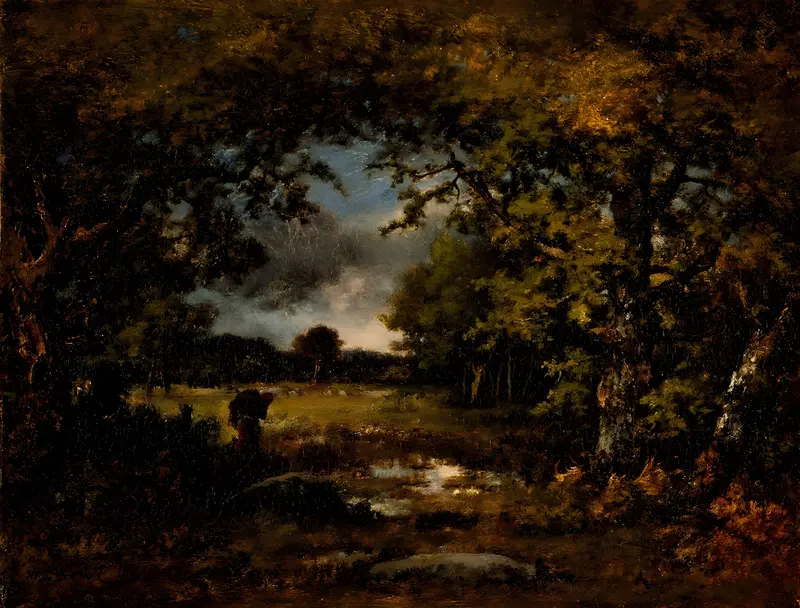
Landscape
Narcisse-Virgile Diaz de La Peña
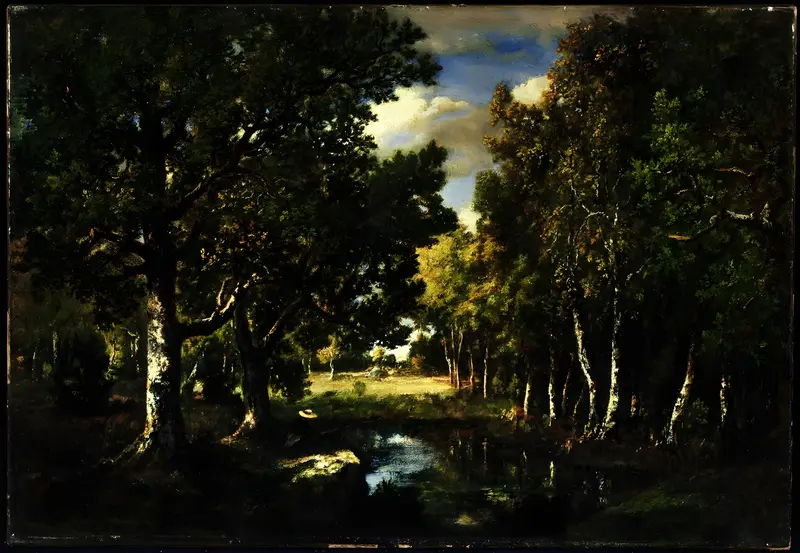
Landscape
Narcisse-Virgile Diaz de La Peña
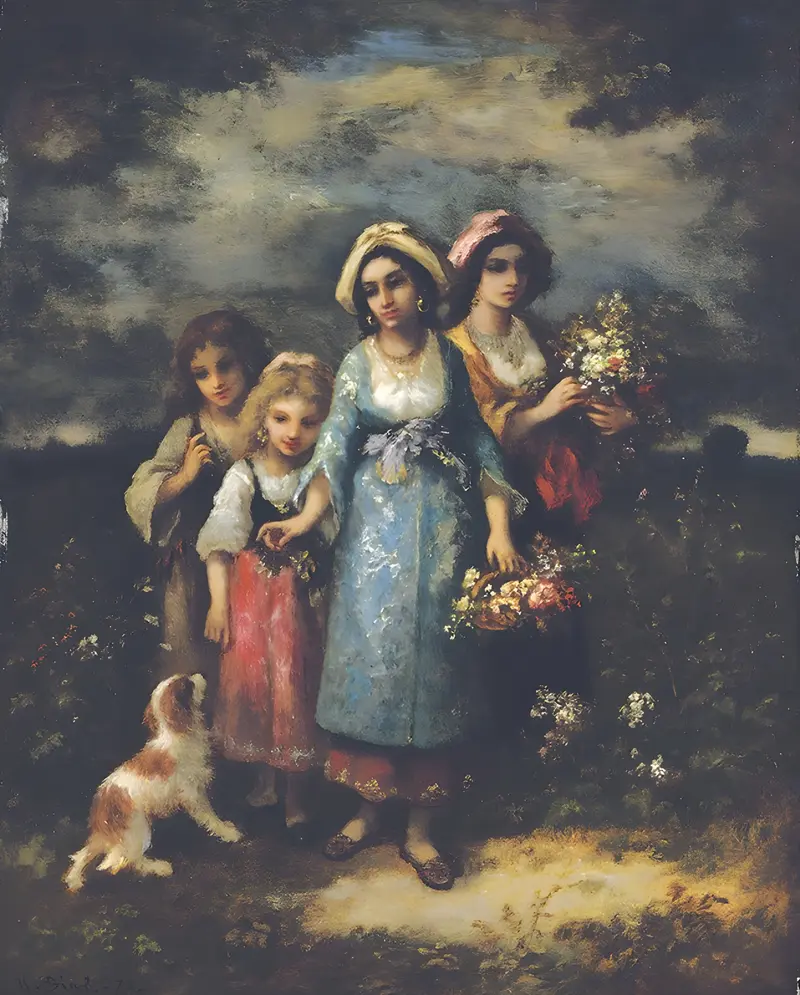
Picking Flowers
Narcisse-Virgile Diaz de La Peña
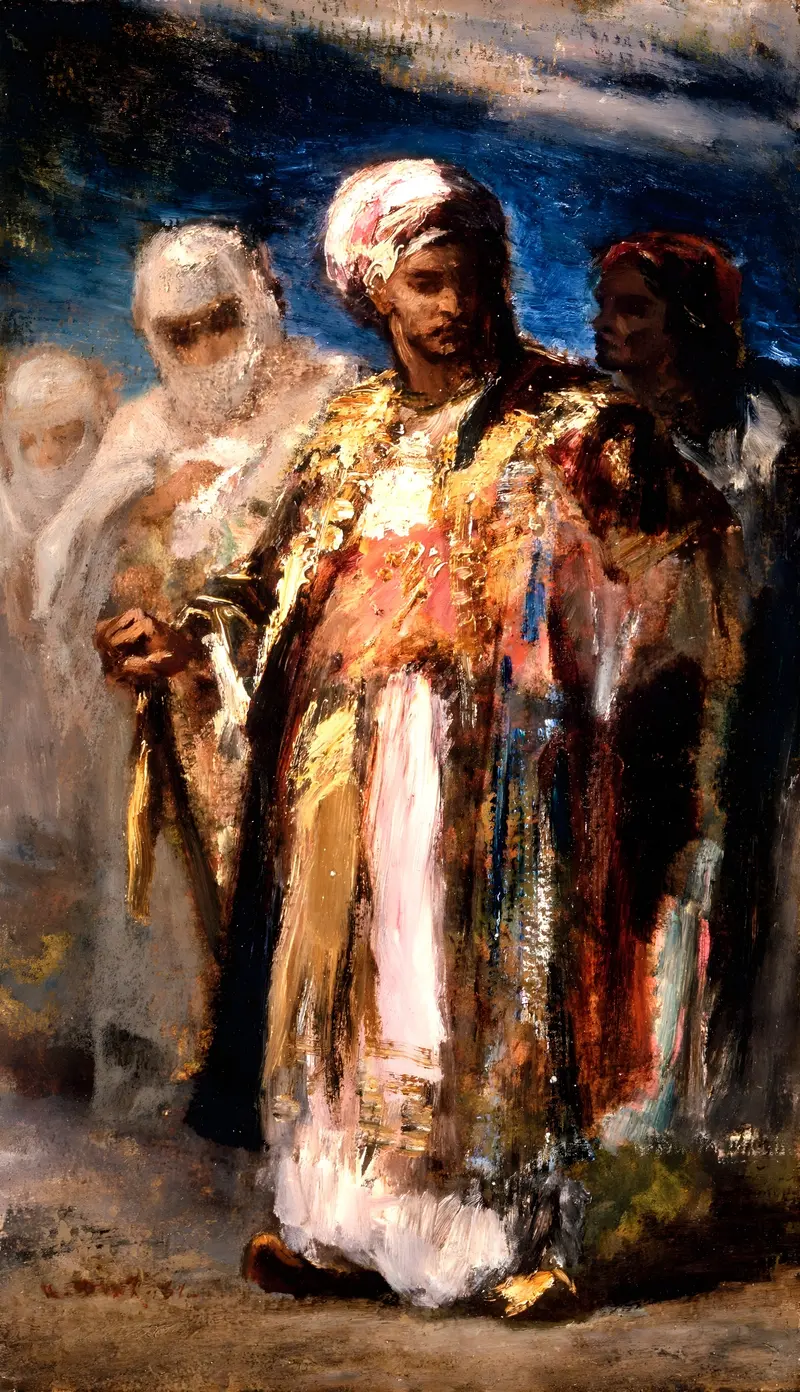
Men in Oriental Costumes
Narcisse-Virgile Diaz de La Peña
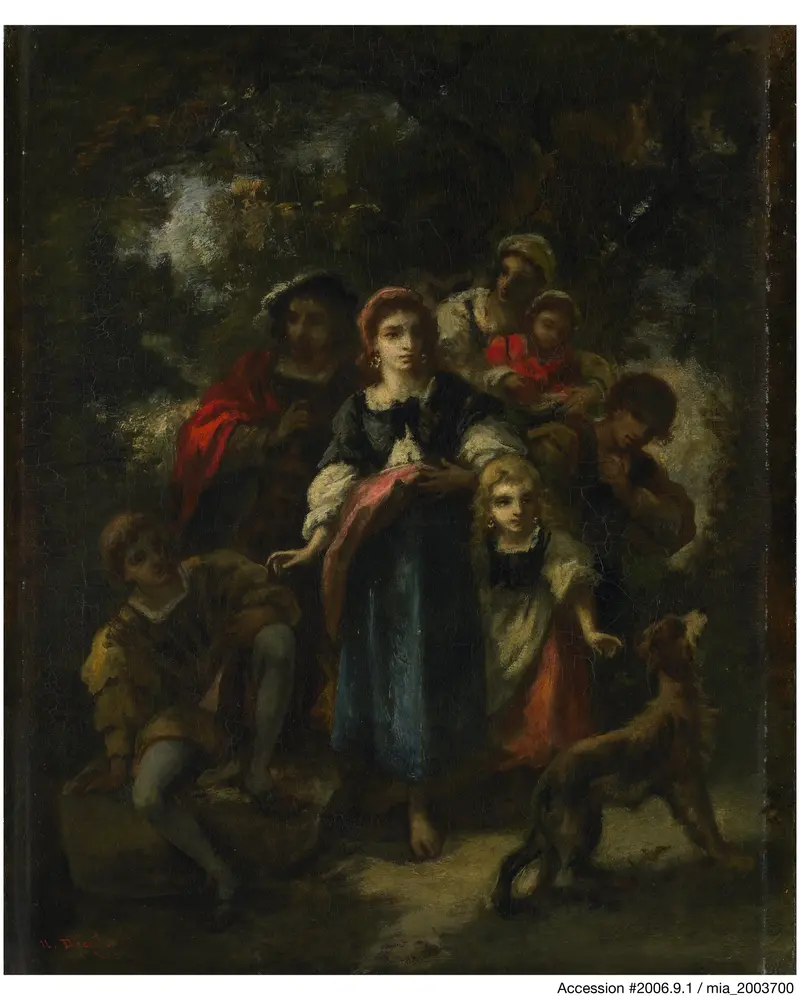
Descent of the Bohemians
Narcisse-Virgile Diaz de La Peña





