
A Vista through Trees; Fontainebleau — History & Facts
In the quiet embrace of nature, serenity weaves itself into every brushstroke, inviting us to linger in the stillness where time feels suspended. Look to the left at the gentle interplay of light filtering through the dense foliage, where vibrant greens suggest the abundance of life. The painter's deft technique is evident in the soft blending of colors, creating a harmonious atmosphere that both soothes and captivates. Notice how the trees frame the distant vista, drawing the eye into the deep recesses of the landscape, while the dappled sunlight dances on the forest floor, creating pockets of warmth amidst the cool shadows. Beneath this tranquil surface lies an emotional tension: the contrast between the bustling world beyond and the peaceful refuge found within the trees.
Each detail, from the sweeping curves of branches to the delicate whispers of leaves, enhances the sense of solitude. The artwork invites contemplation, a space for personal reflection amid the chaos of life. It beckons viewers to consider what lies beyond the trees and the narratives these hidden landscapes might hold. In 1873, the artist found himself engrossed in the artistic revival of plein air painting, creating this piece near Fontainebleau, a region celebrated for its captivating natural beauty.
This period marked a shift towards impressionism in France, an evolution influenced by shifting societal norms and artistic exploration. Diaz de La Peña, a key player in this movement, sought to capture the essence of nature, reflecting both a personal journey and a broader artistic shift of the time.
More Artworks by Narcisse-Virgile Diaz de La Peña
Browse all →
Forest Scene
Narcisse-Virgile Diaz de La Peña
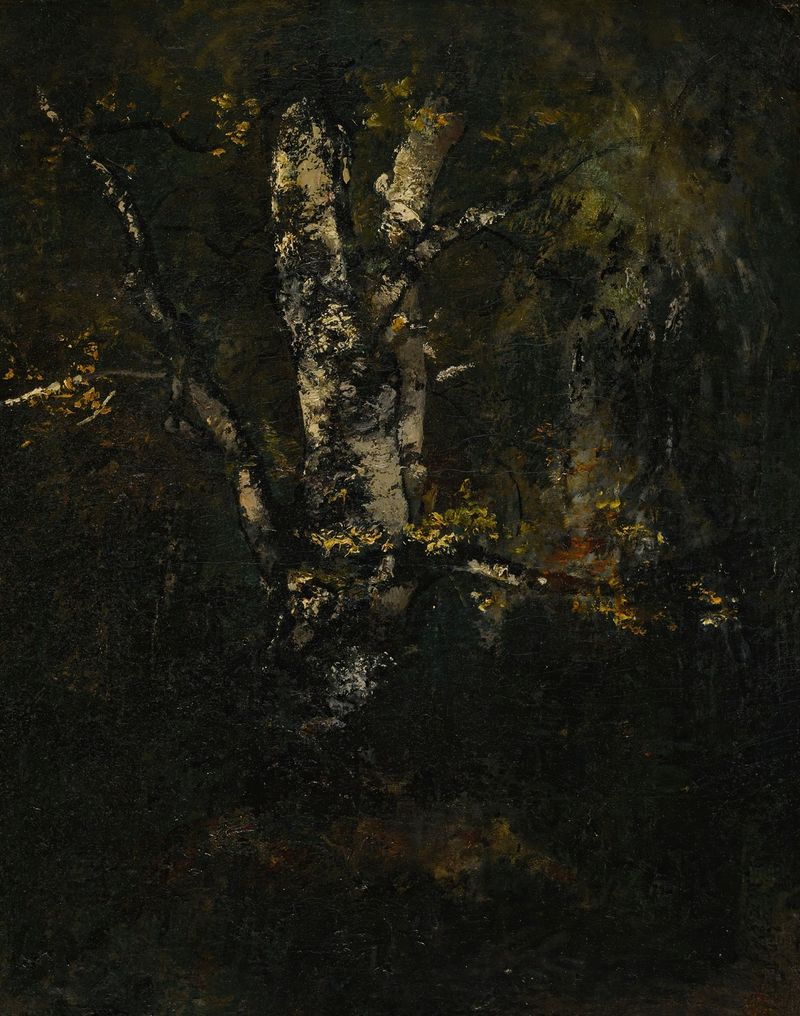
Vieux Troncs De Hêtres
Narcisse-Virgile Diaz de La Peña
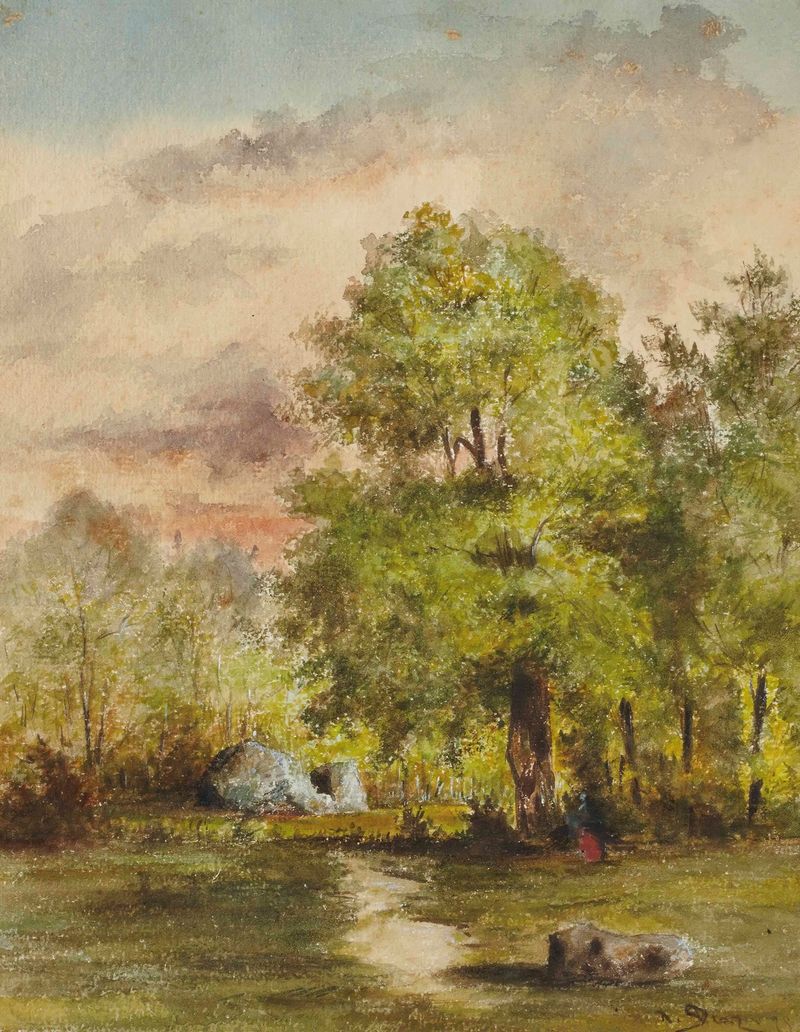
Vue d’une clairière
Narcisse-Virgile Diaz de La Peña

Pond in the Woods
Narcisse-Virgile Diaz de La Peña
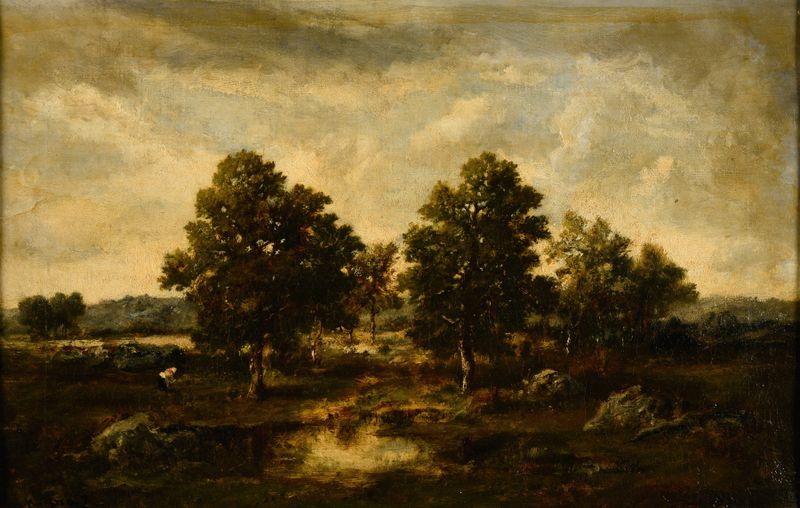
Mare dans une lande
Narcisse-Virgile Diaz de La Peña
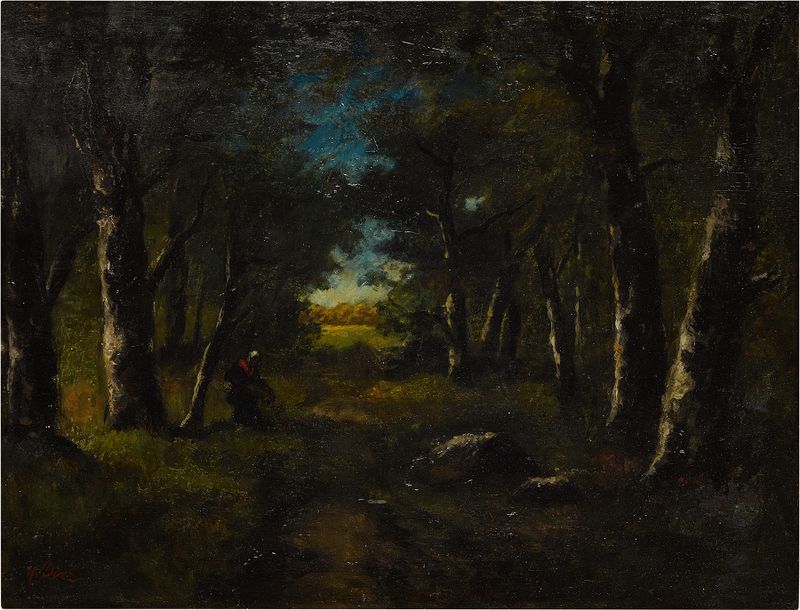
Foraging in the Forest
Narcisse-Virgile Diaz de La Peña
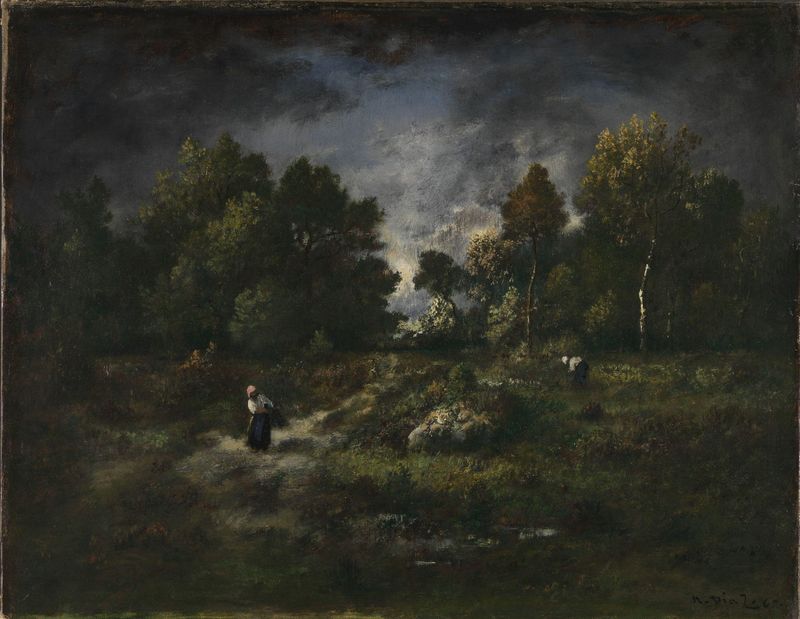
Faggot Gatherers in a Wooden Landscape
Narcisse-Virgile Diaz de La Peña
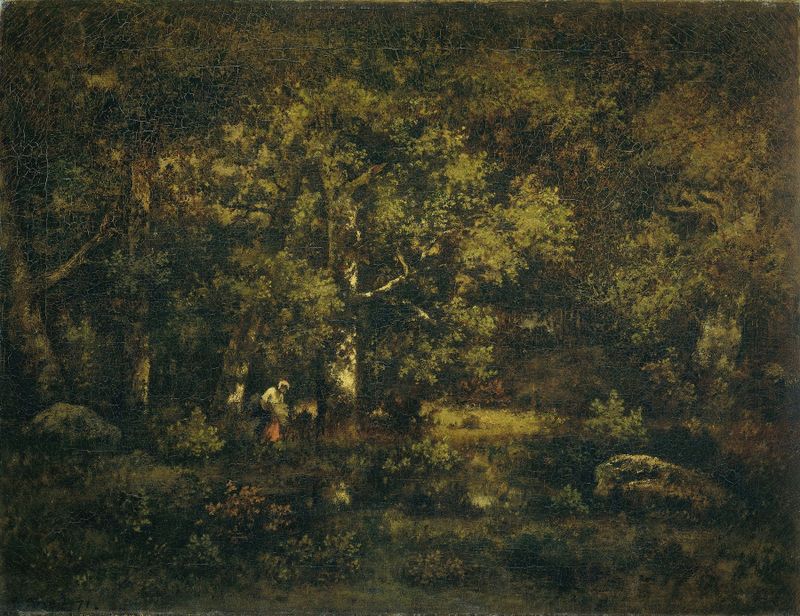
The Forest of Fontainebleau
Narcisse-Virgile Diaz de La Peña

Sous-bois
Narcisse-Virgile Diaz de La Peña

Stormy Landscape
Narcisse-Virgile Diaz de La Peña





