
Vieux Troncs De Hêtres — History & Facts
Can beauty exist without sorrow? In the delicate twilight of Vieux Troncs De Hêtres, the dreamlike essence of nature reveals itself, urging contemplation and reflection. The ancient beech trunks stand sentinel, their weathered surfaces whispering stories of time, loss, and resilience in a world that often forgets. Look to the center, where the gnarled roots intertwine, their complex shapes a testament to both struggle and endurance. The soft greens and earthy browns blend seamlessly, enhanced by dappled sunlight that filters through the foliage, creating a gentle interplay of light and shadow.
The composition invites the viewer's gaze to wander, with each trunk leading the eye deeper into the serene wilderness, a sanctuary of stillness amidst life's chaos. Amidst the natural beauty, there lies an undercurrent of melancholy. The trees, though majestic, bear scars from seasons past, symbolizing the inevitable passage of time. This juxtaposition of strength and fragility speaks to the duality of existence—a reminder that within beauty lies the weight of history and unfulfilled dreams.
The painting’s muted palette reinforces the introspective mood, evoking a sense of longing and nostalgia. Created during the mid-19th century, Vieux Troncs De Hêtres emerged from a period when Diaz de La Peña was deeply engaged with the Barbizon School, where artists sought to capture the essence of the French countryside. In this serene landscape, he expressed not only his love for nature but also his desire to convey the profound emotional connections we share with the world around us, reflecting a time when art began to embrace the romantic ideals of emotion and individuality.
More Artworks by Narcisse-Virgile Diaz de La Peña
Browse all →
Forest Scene
Narcisse-Virgile Diaz de La Peña
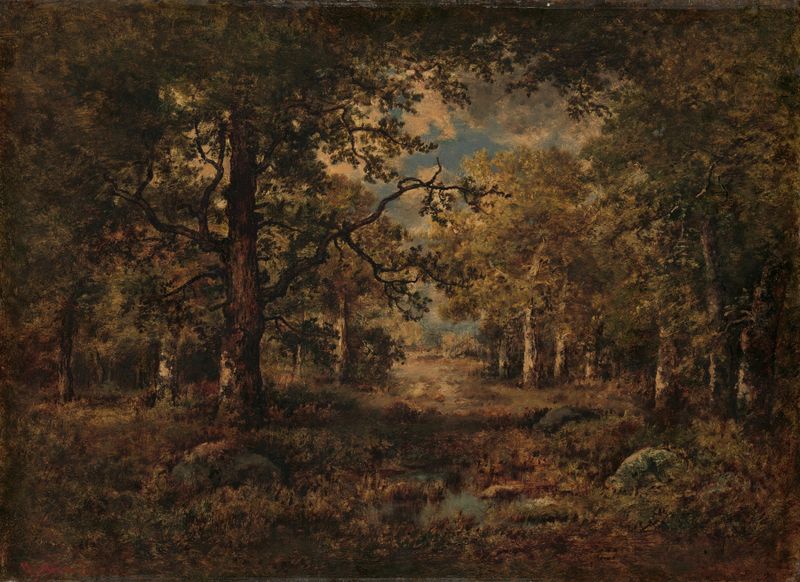
A Vista through Trees; Fontainebleau
Narcisse-Virgile Diaz de La Peña
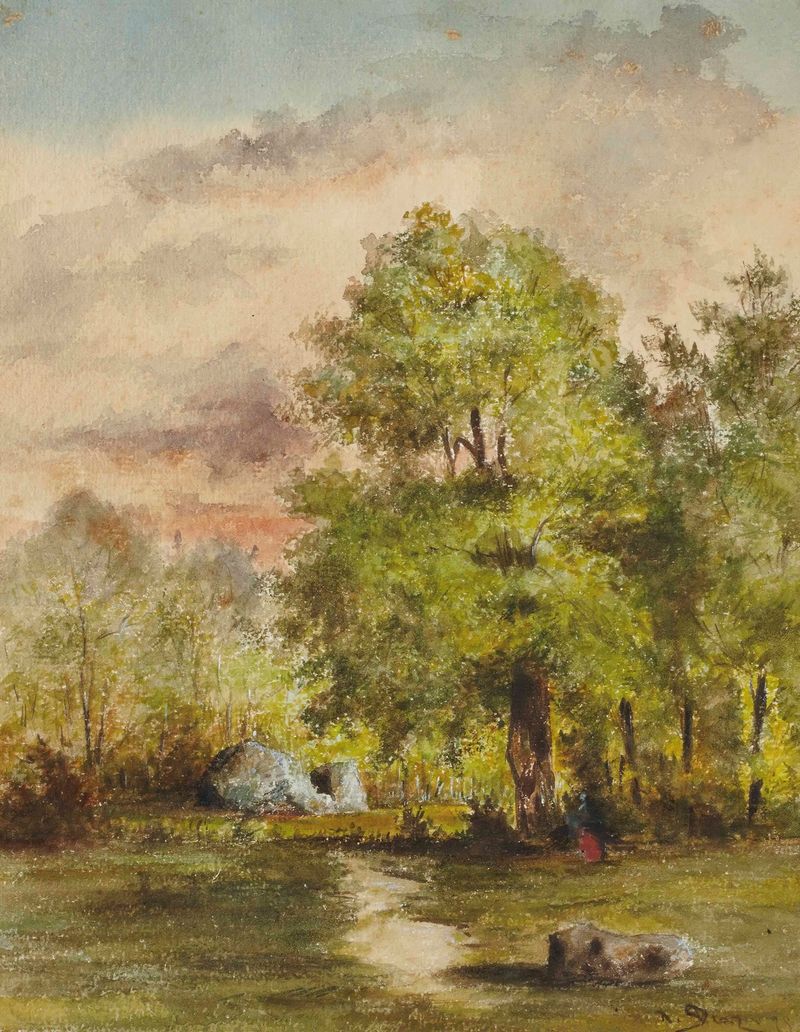
Vue d’une clairière
Narcisse-Virgile Diaz de La Peña

Pond in the Woods
Narcisse-Virgile Diaz de La Peña
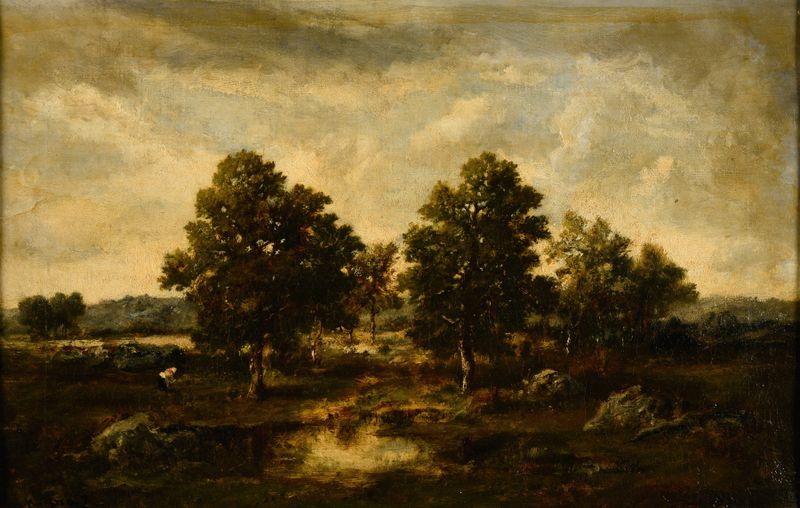
Mare dans une lande
Narcisse-Virgile Diaz de La Peña
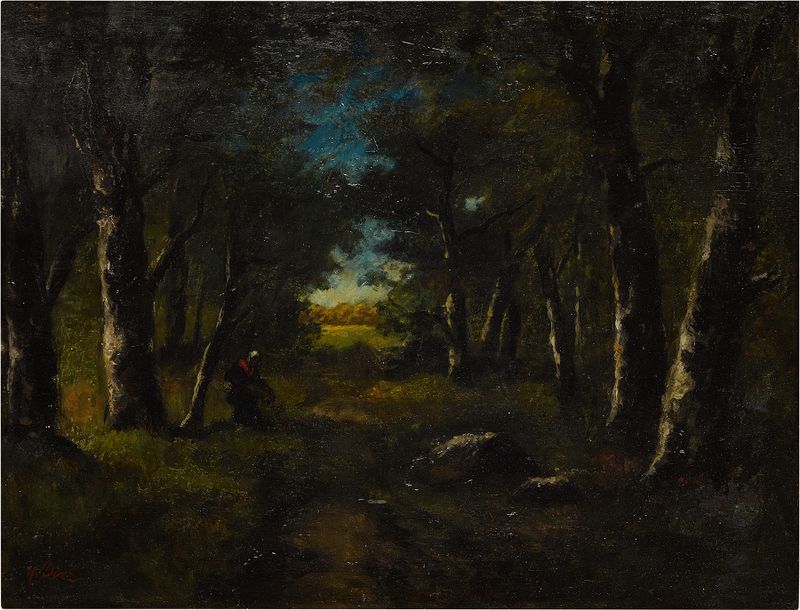
Foraging in the Forest
Narcisse-Virgile Diaz de La Peña
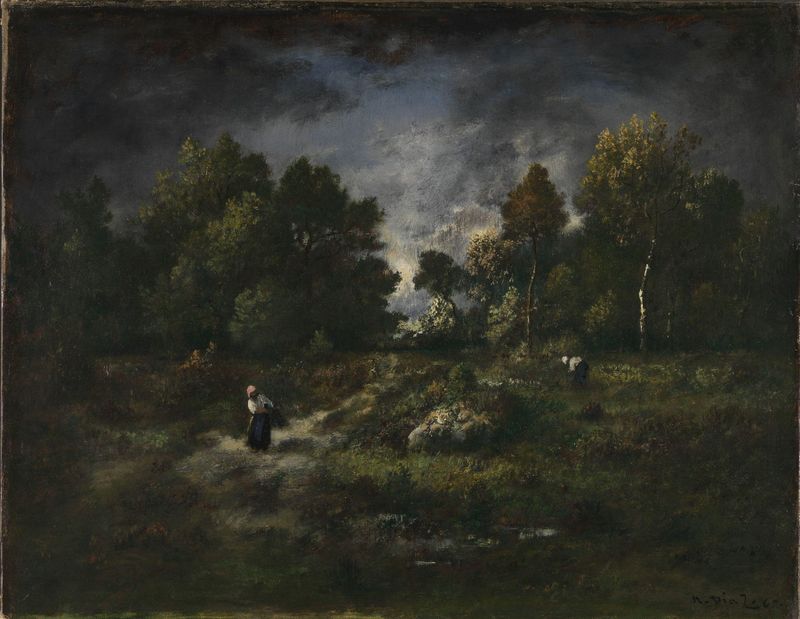
Faggot Gatherers in a Wooden Landscape
Narcisse-Virgile Diaz de La Peña
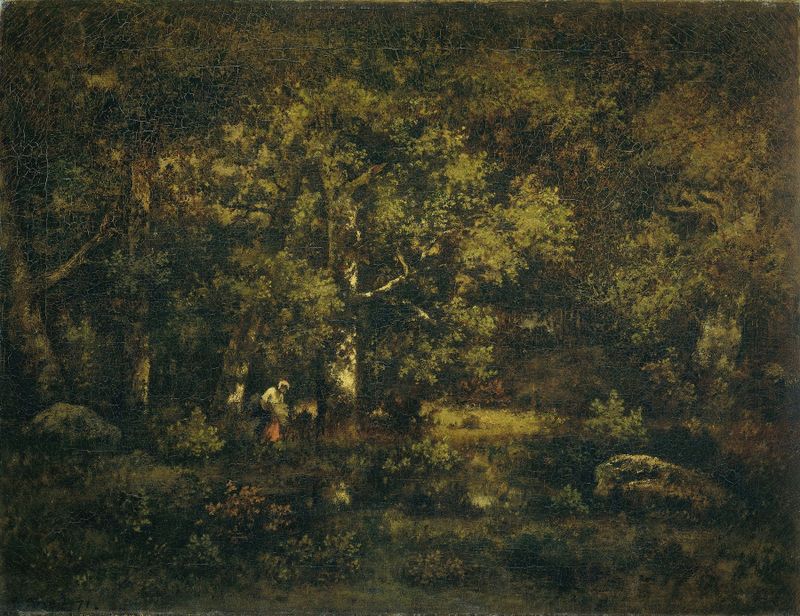
The Forest of Fontainebleau
Narcisse-Virgile Diaz de La Peña

Sous-bois
Narcisse-Virgile Diaz de La Peña

Stormy Landscape
Narcisse-Virgile Diaz de La Peña





