
Forest Scene — History & Facts
In the heart of the forest, innocence whispers through the leaves, a gentle reminder of the purity that thrives away from the chaos of the world. Look to the right at the sun-dappled ground, where flecks of light dance across the foliage, each brushstroke capturing the soft embrace of nature. Notice how the verdant greens mingle with hints of gold, creating a serene palette that invites contemplation. The winding path leads your eye deeper into the canvas, guiding you through the lush tranquility that envelops the scene, where trees stand like silent sentinels cradling secrets. Beneath the idyllic surface, tension brews in the contrast between light and shadow.
The interplay of brightness and darkness suggests fleeting moments of clarity amid the weight of the unknown. Small animals, barely noticeable, symbolize the fragility of life and the innocence lost in the relentless passage of time. Each detail, meticulously rendered, evokes a nostalgia that speaks to the transient beauty of untouched nature. In the 19th century, as the Impressionist movement gained momentum, the artist captured this essence during a time of personal struggle and artistic exploration.
Painting in the outskirts of Paris, he was influenced by the push toward naturalism while seeking solace in the serene landscapes that reflected his emotional turmoil. This work emerges as a testament to his quest for innocence, resonating amidst a rapidly changing world.
More Artworks by Narcisse-Virgile Diaz de La Peña
Browse all →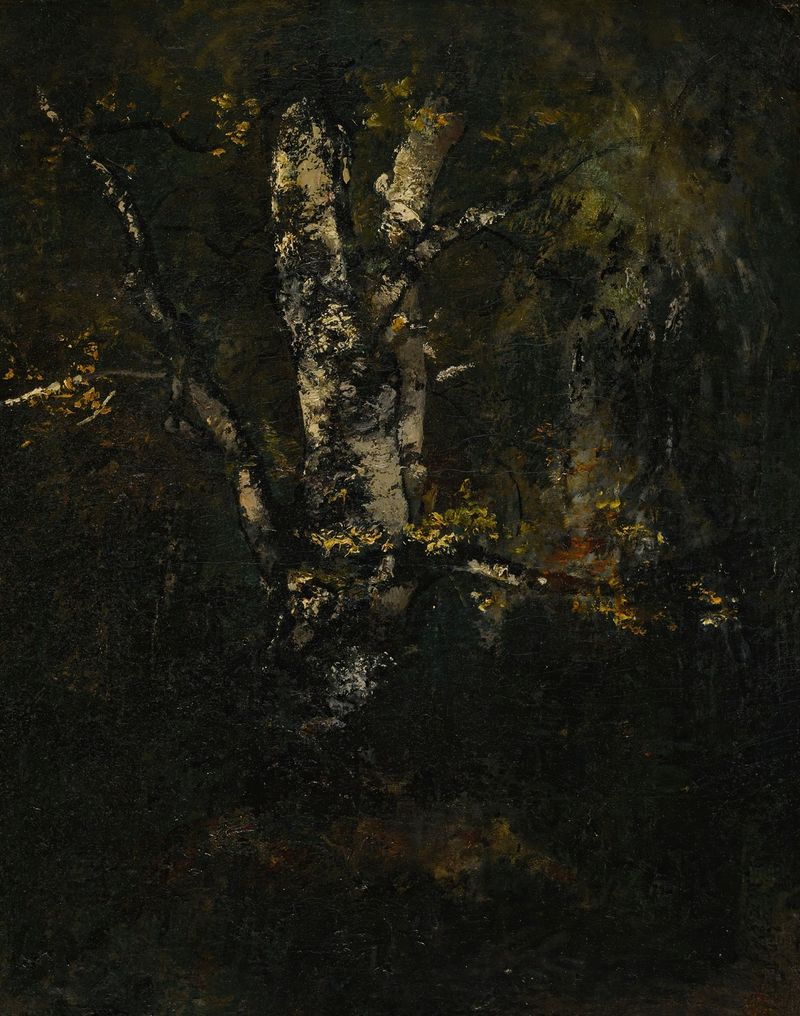
Vieux Troncs De Hêtres
Narcisse-Virgile Diaz de La Peña
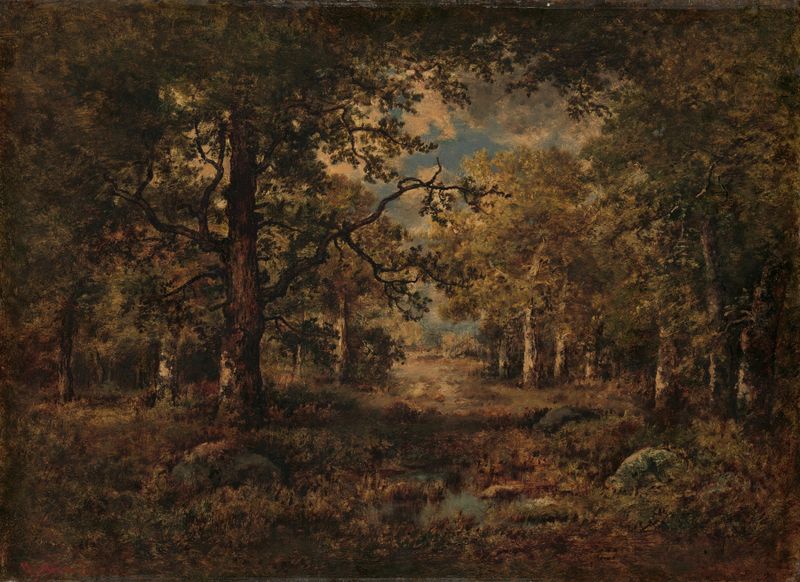
A Vista through Trees; Fontainebleau
Narcisse-Virgile Diaz de La Peña
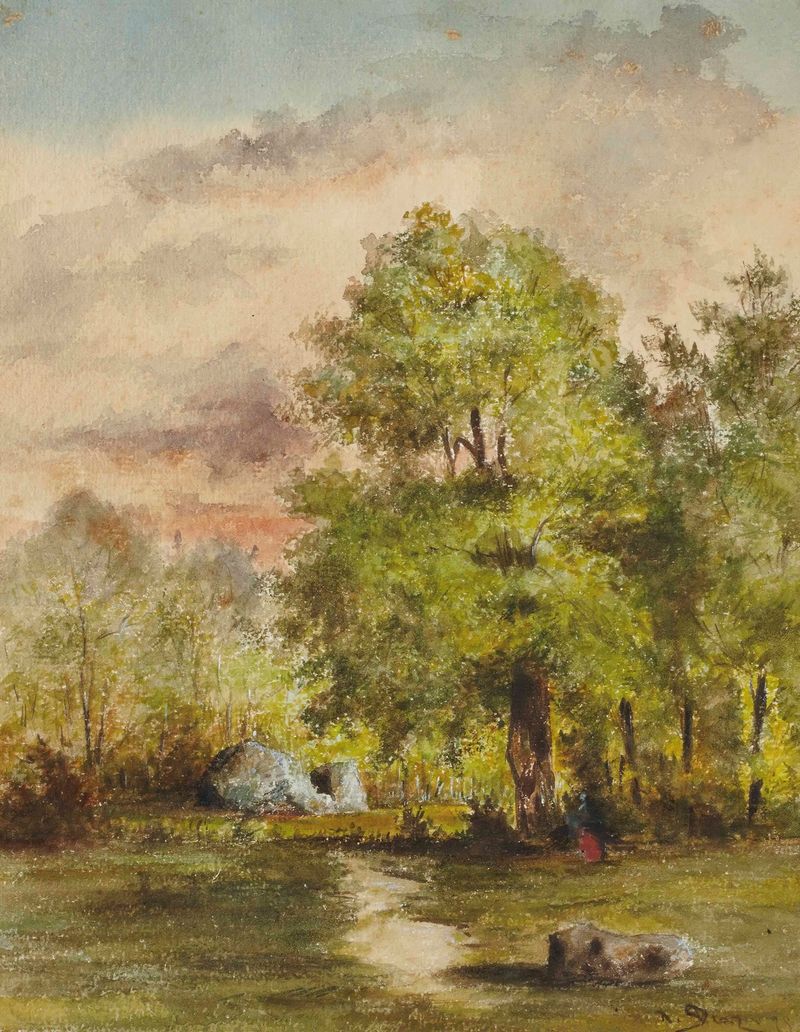
Vue d’une clairière
Narcisse-Virgile Diaz de La Peña

Pond in the Woods
Narcisse-Virgile Diaz de La Peña
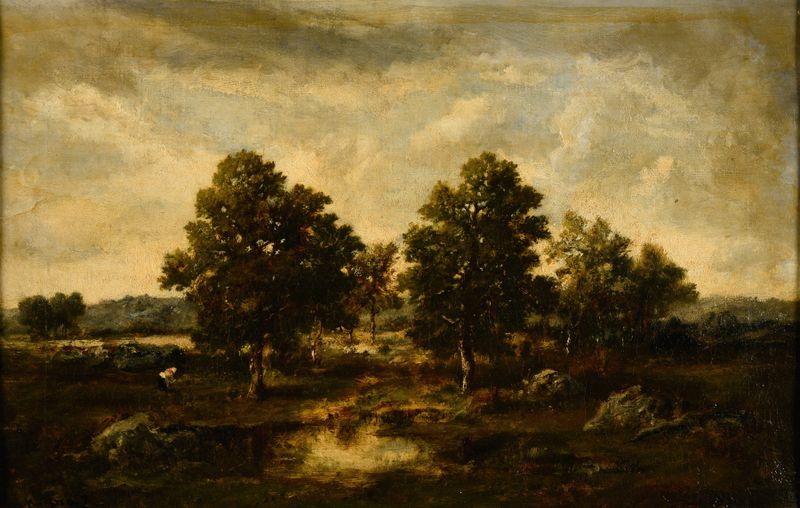
Mare dans une lande
Narcisse-Virgile Diaz de La Peña
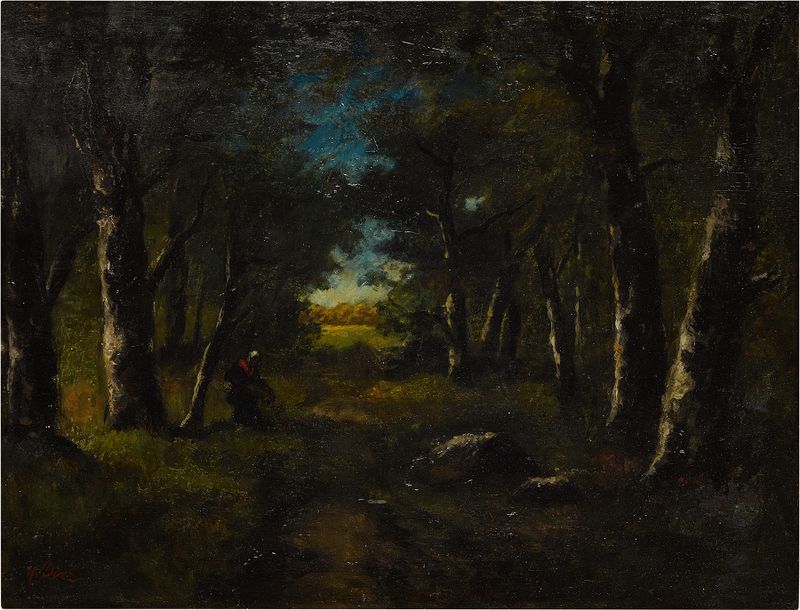
Foraging in the Forest
Narcisse-Virgile Diaz de La Peña
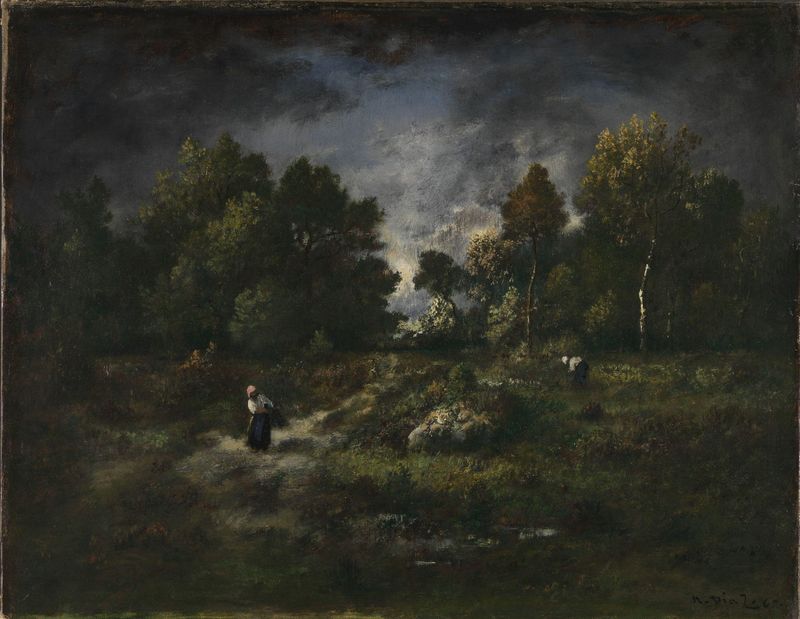
Faggot Gatherers in a Wooden Landscape
Narcisse-Virgile Diaz de La Peña
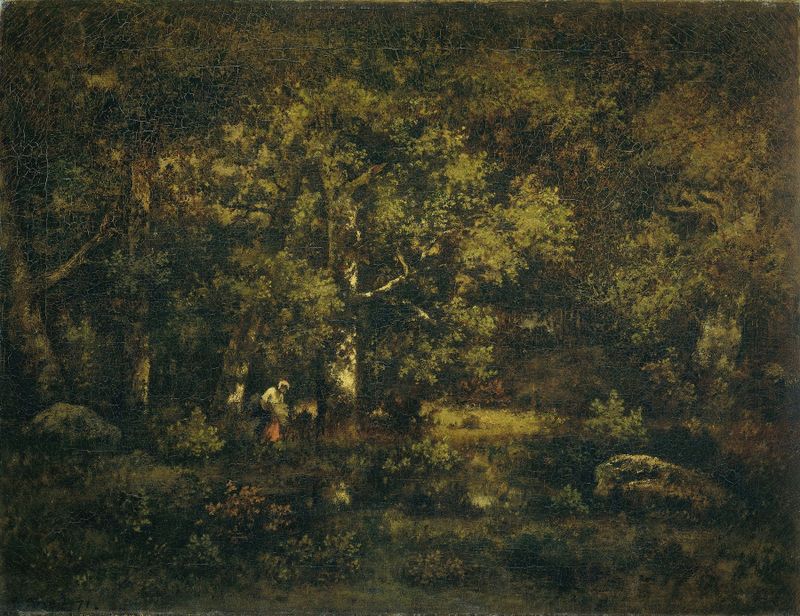
The Forest of Fontainebleau
Narcisse-Virgile Diaz de La Peña

Sous-bois
Narcisse-Virgile Diaz de La Peña

Stormy Landscape
Narcisse-Virgile Diaz de La Peña





