
Buste van een jonge vrouw — History & Facts
In the delicate interplay of shadow and light, a young woman’s gaze invites us into her world, where unspoken narratives linger just beneath the surface. Look closely at the subject’s face, where the soft curves of her cheeks catch the light, illuminating her serene expression. Notice how the shadows play upon her collarbone, framing her neck like a delicate frame, enhancing the painting's subtle elegance. The muted palette—creamy whites and gentle earth tones—creates a calming atmosphere, allowing the viewer to be drawn into the quiet intimacy of her presence. Yet, this beauty conceals a deeper tension.
The shadows enveloping her figure suggest a complexity lurking beneath her tranquil exterior. They hint at vulnerability and perhaps an unfulfilled longing, evoking the weight of personal history. The contrast between light and dark not only highlights her external beauty but also speaks to the duality of her existence—one of grace overshadowed by the unvoiced struggles that define her. Painted between 1642 and 1664, this work emerged during a period of artistic exploration in the Dutch Golden Age.
Cornelis Pietersz. Bega, based in Amsterdam, was influenced by his contemporaries who emphasized realism and emotional depth. As the art world experienced a shift towards more intimate portrayals, Bega’s focus on individual character reflected the broader societal interest in the human experience, offering a glimpse into the lives of those often left unheard.
More Artworks by Cornelis Pietersz. Bega
Browse all →
Mannen en jonge vrouw in herberg
Cornelis Pietersz. Bega

Twee mannen en vrouw met kind zittend in herberg
Cornelis Pietersz. Bega
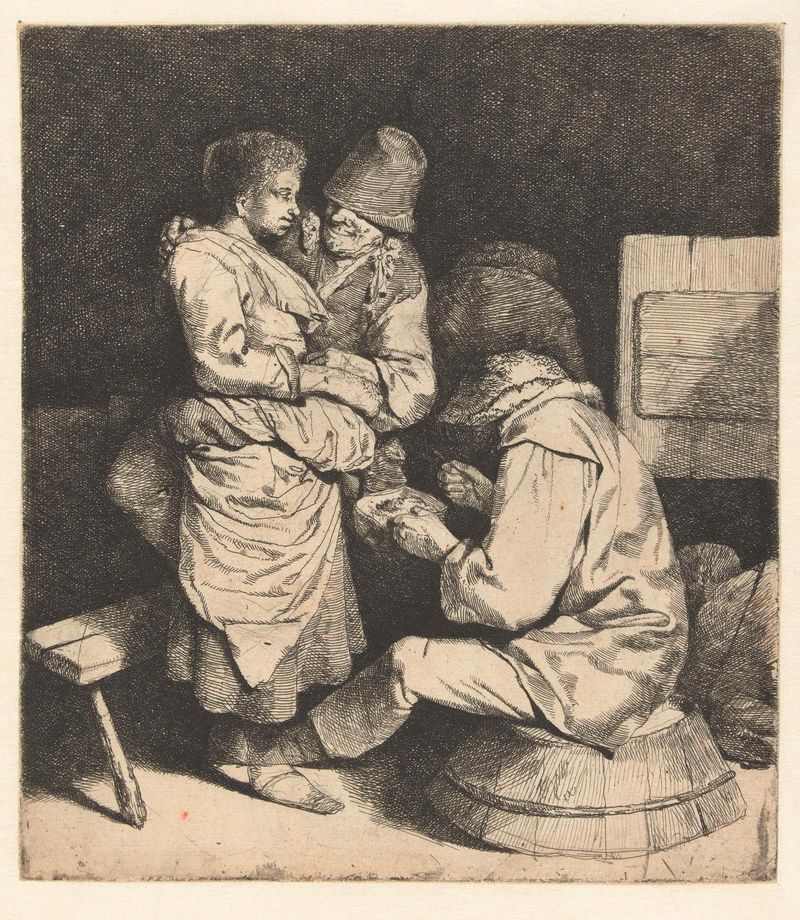
Vrouw vastgepakt door man, andere man zit te eten in herberg
Cornelis Pietersz. Bega

Jonge vrouw zittend met een pijp
Cornelis Pietersz. Bega

Staande vrouw vastgepakt door man, andere man kijkt toe in herberg
Cornelis Pietersz. Bega
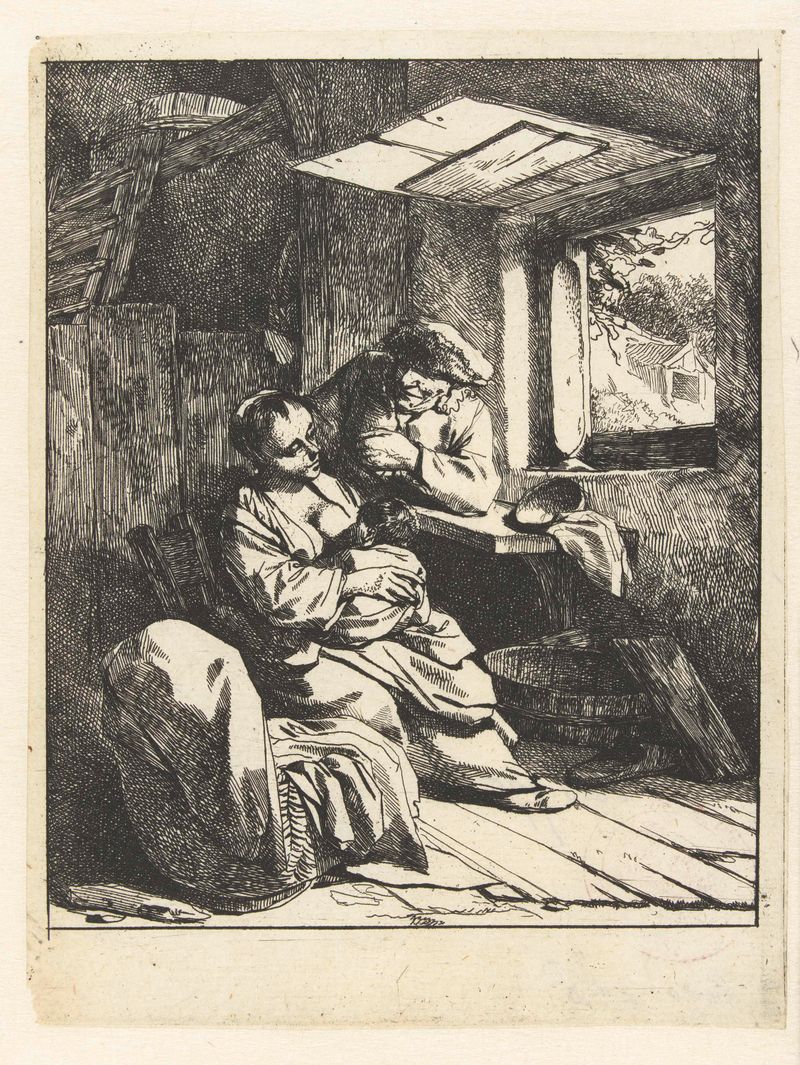
Vrouw met kind en man bij wieg in interieur met open raam
Cornelis Pietersz. Bega
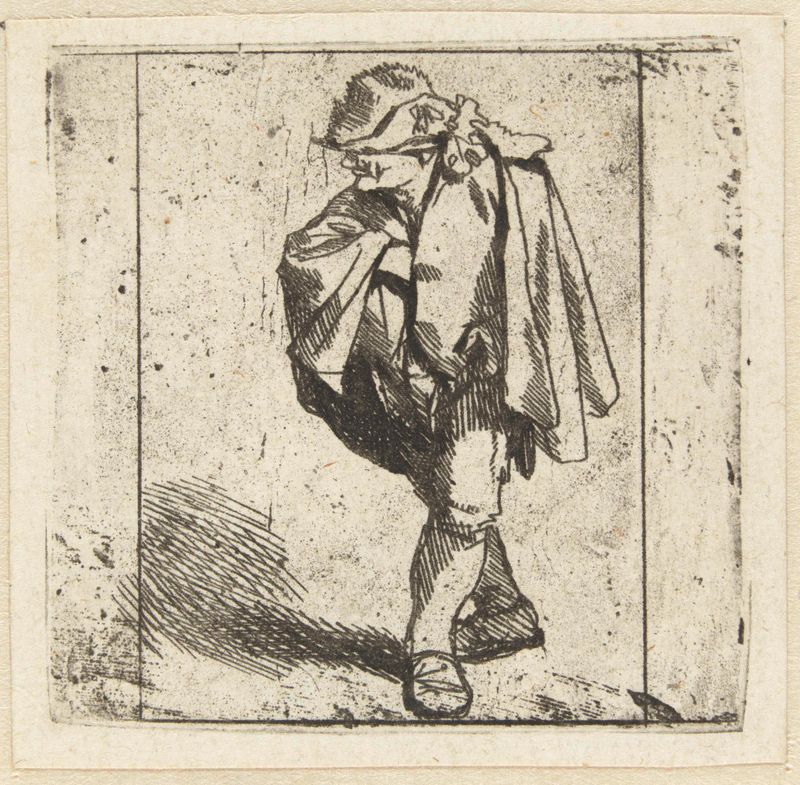
Staande man met de rechterhand op de borst in zijn mantel gestoken
Cornelis Pietersz. Bega
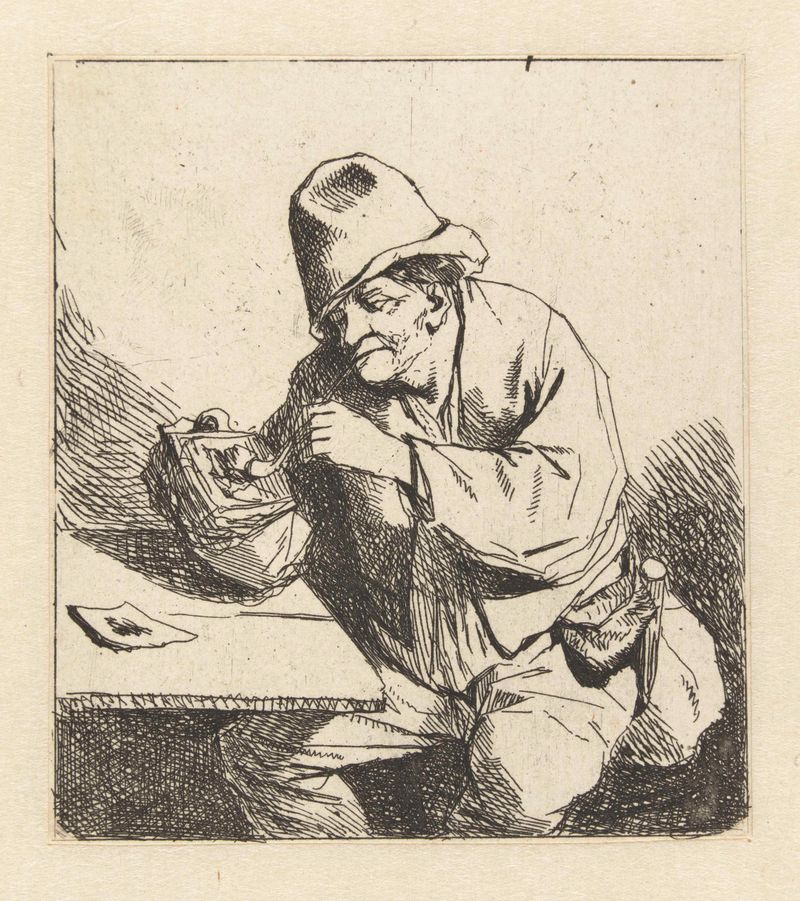
Zittende man steekt pijp aan
Cornelis Pietersz. Bega

Man zittend op ton met kruik in handen
Cornelis Pietersz. Bega

Liefdespaar
Cornelis Pietersz. Bega
More Portrait Art
Browse all →
Las meninas
Diego Velázquez

Self-portrait with a Bandaged Ear and Pipe
Unidentified artist

Girl with a Pearl Earring
Johannes Vermeer

The Sampling Officials of the Amsterdam Drapers’ Guild, Known as ‘The Syndics’
Rembrandt van Rijn

The Hundred Guilder Print: the man seen on the back in the lower left corner
Rembrandt van Rijn

Portrait of Dr Gachet
Vincent van Gogh