
Buttes Chaumont, Paris, 1849 — History & Facts
What if beauty was never meant to be finished? In the soft embrace of nature's splendor, there lies a sense of longing that transcends time, evoking memories of moments lost yet cherished. Focus on the tranquil horizon in Buttes Chaumont, Paris, where rolling hills meet the expansive sky, awash in gentle strokes of blue and gold. Notice how the verdant foliage frames the scene, guiding your eyes toward the winding paths below, inviting exploration. The soft brushwork renders the trees almost ethereal, while bursts of sunlight create a dance of shadows and light, drawing attention to the serene lake at the foreground.
Each element is carefully placed, weaving together a tapestry of nostalgia that captures the essence of a Parisian haven. Delve deeper, and you'll find the unspoken tensions between nature and civilization. The lush greenery represents the persistence of beauty amidst urbanization, hinting at a fleeting paradise. The subtle interplay of light and shadow alludes to the passage of time, while the unrefined edges of the landscape evoke an unfinished quality, suggesting that memories are always evolving, reshaped by our experiences.
Here lies a testament to the emotional weight carried by spaces that remind us of home, of belonging, and the inevitable changes that come with time. In 1849, Péquégnot painted this work during a period of significant transformation in Paris, a city on the brink of modernity, yet still intimately connected to its natural landscapes. As he navigated his own artistic journey amid the rise of Romanticism, he sought to capture not just a scene, but the melancholic beauty of a world caught between the past and the future.
More Artworks by Auguste Péquégnot
Browse all →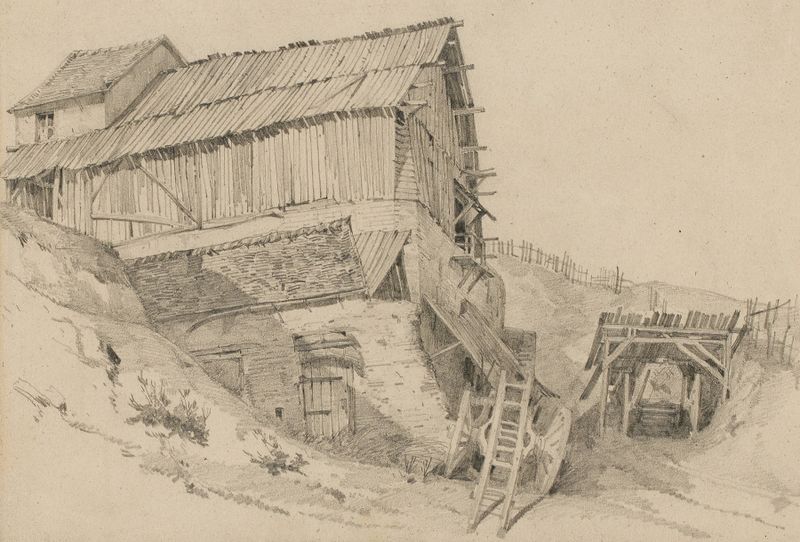
Les Buttes-Chaumont
Auguste Péquégnot
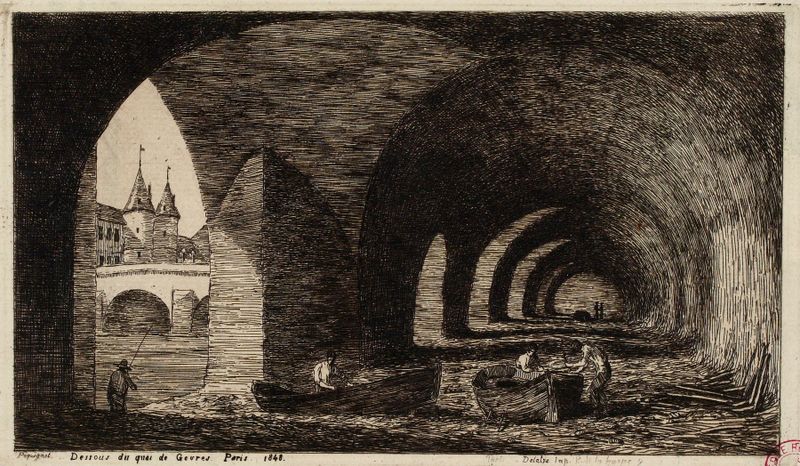
Dessous du pont de Grèves, Paris
Auguste Péquégnot

Moulin des corbeaux à Charenton-le-Pont
Auguste Péquégnot

Bords de la Bièvre ou Poterne des peupliers à la Glacière
Auguste Péquégnot

Vue des Buttes-Chaumont
Auguste Péquégnot
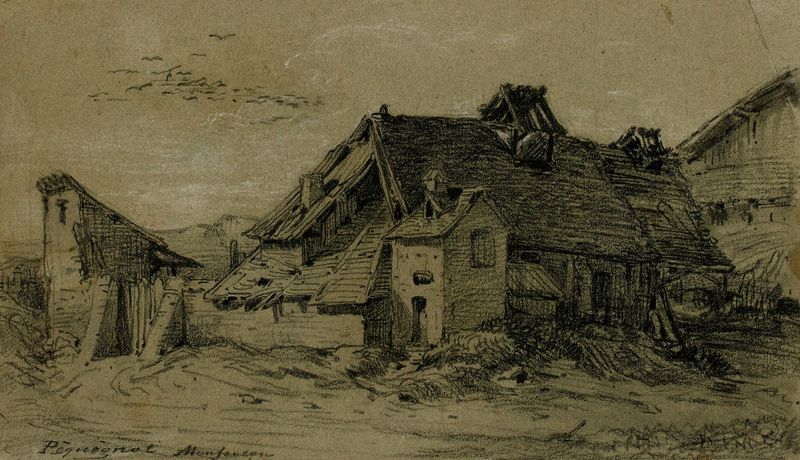
Les Buttes-Chaumont
Auguste Péquégnot
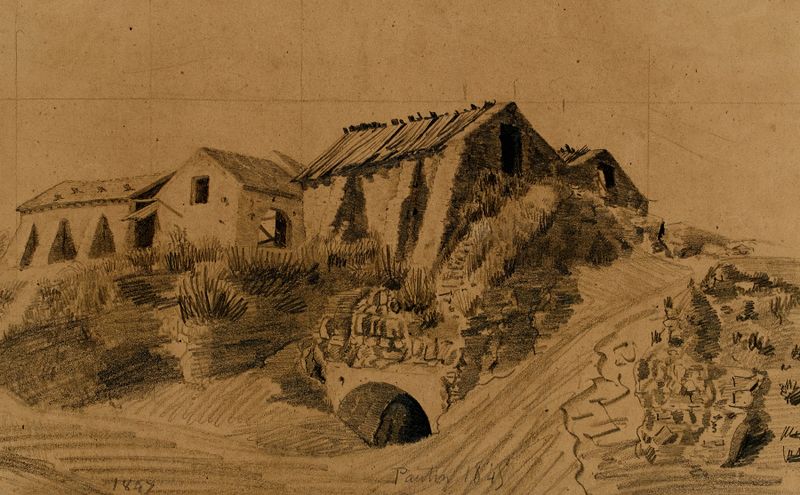
Vue de Pantin
Auguste Péquégnot

Cour de ferme, rue Vaugirard
Auguste Péquégnot

La Bièvre près de Saint-Médard, entre les rues Mouffetard et Pascal
Auguste Péquégnot

Vue d’une carrière aux Buttes-Chaumont
Auguste Péquégnot





