
Moulin des corbeaux à Charenton-le-Pont — History & Facts
In the quietude of his creation, the artist captures not just an image but a truth that resonates through time. Focus first on the foreground, where the verdant foliage bursts into life, its greens layered with vibrant strokes that breathe energy into the canvas. Notice how the light filters through the trees, illuminating the rustic windmill nestled among the branches, casting long shadows that dance on the earth. The palette’s warm hues evoke a sense of nostalgia, inviting you to linger in this pastoral paradise. Yet, beneath the idyllic surface lies a poignant tension—the contrast between the calm scene and the inescapable passage of time.
The windmill, a symbol of both industry and nature, stands as a monument to what has been, while the ever-changing season whispers of inevitable change. In the swaying branches overhead, you can sense the fleeting nature of beauty, echoing a deeper, universal truth about life itself. Created in 1847, this piece emerged during a time when Auguste Péquégnot was exploring realism and its ability to reflect the world around him. Working in Charenton-le-Pont, he sought to capture rural scenes that depicted not only the landscape but also the essence of daily life.
The period was marked by a shift in artistic focus, as artists began to embrace the authenticity of their surroundings, shaping a path that would influence future generations.
More Artworks by Auguste Péquégnot
Browse all →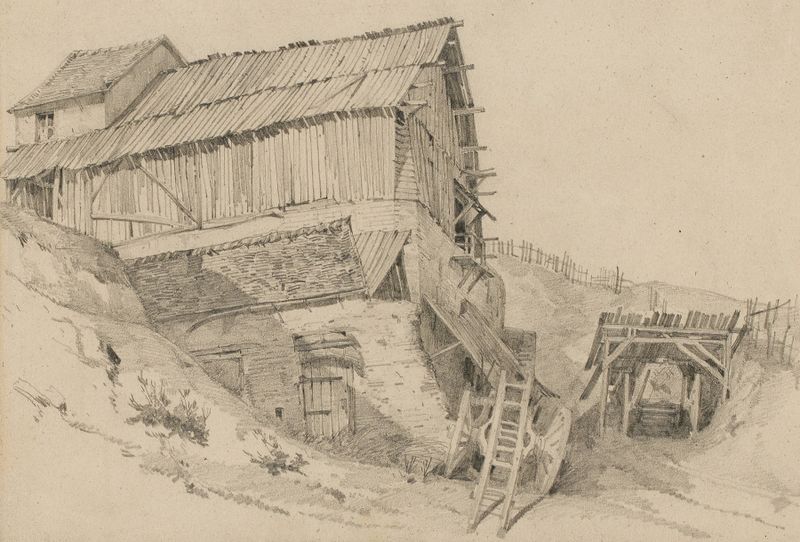
Les Buttes-Chaumont
Auguste Péquégnot
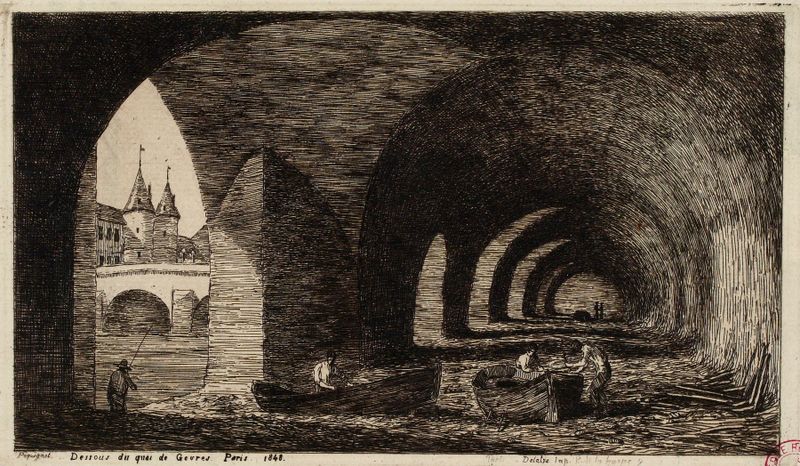
Dessous du pont de Grèves, Paris
Auguste Péquégnot

Bords de la Bièvre ou Poterne des peupliers à la Glacière
Auguste Péquégnot

Vue des Buttes-Chaumont
Auguste Péquégnot

Buttes Chaumont, Paris, 1849
Auguste Péquégnot
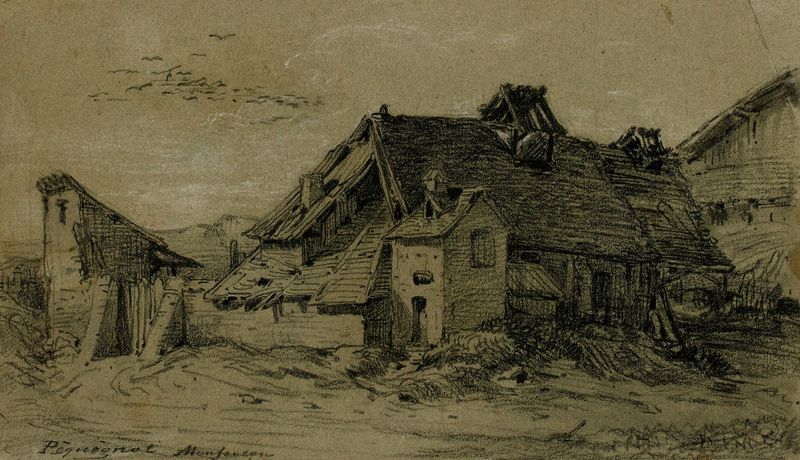
Les Buttes-Chaumont
Auguste Péquégnot
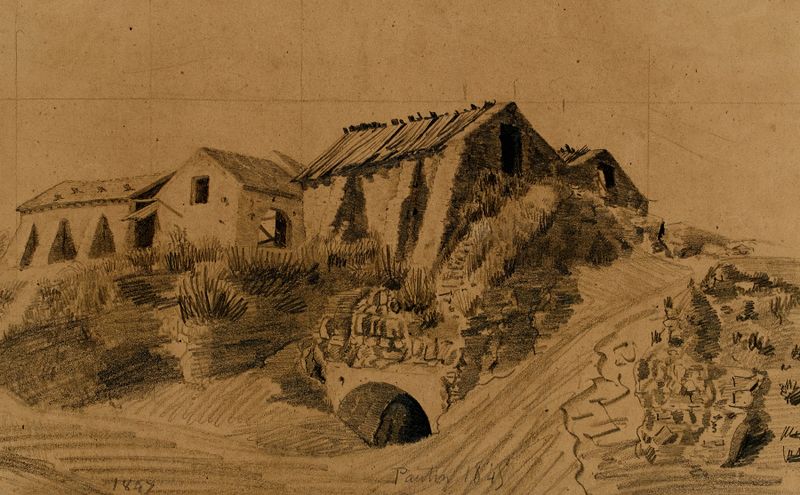
Vue de Pantin
Auguste Péquégnot

Cour de ferme, rue Vaugirard
Auguste Péquégnot

La Bièvre près de Saint-Médard, entre les rues Mouffetard et Pascal
Auguste Péquégnot

Vue d’une carrière aux Buttes-Chaumont
Auguste Péquégnot





