
Vue de Pantin — History & Facts
In the stillness of art, where truth subtly reveals itself, one finds a profound faith in the unspoken. Look closely at the horizon, where the gentle curve of the river meets the muted outlines of Pantin. The soft hues of blue and gray blend seamlessly, crafting an atmosphere of calm contemplation. Notice how the brushstrokes create texture in the clouds, suggesting an impending change, while the sparse details of the buildings lend a sense of intimacy to the scene.
This composition draws the viewer into a world both familiar and distant, as if inviting reflection on the passage of time. Within this serene landscape lies a tension between the natural and the manmade. The quiet river acts as a lifeline, symbolizing continuity amid the transformations of the 19th century, while the industrial presence hints at a burgeoning modernity that threatens to overshadow simpler, pastoral existence. The delicate balance of light and shadow reflects an emotional undercurrent—perhaps a yearning for the past as much as an acceptance of inevitable change. Auguste Péquégnot painted Vue de Pantin between 1847 and 1848 during a period marked by social upheaval and the rise of industrialization in France.
Living in a swiftly transforming society, he sought to capture the beauty of landscapes that stood in quiet defiance to encroaching progress. This work emerged at a time when many artists were exploring the interplay between nature and human endeavor, capturing intimate moments of beauty tinged with nostalgia.
More Artworks by Auguste Péquégnot
Browse all →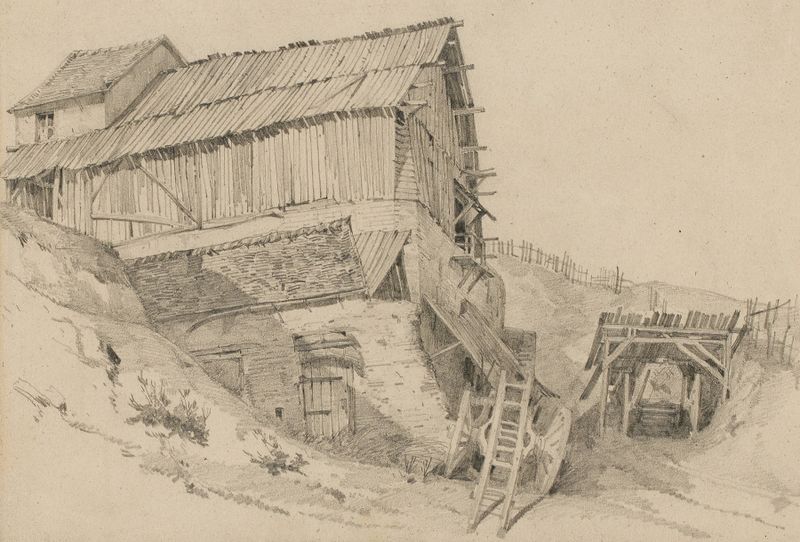
Les Buttes-Chaumont
Auguste Péquégnot
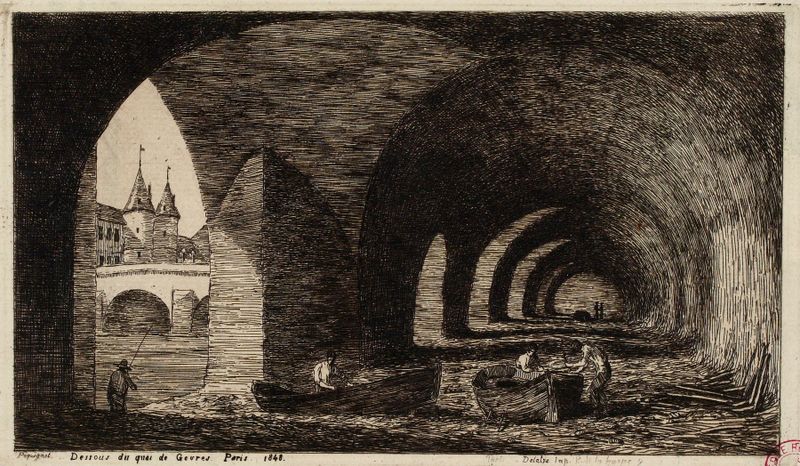
Dessous du pont de Grèves, Paris
Auguste Péquégnot

Moulin des corbeaux à Charenton-le-Pont
Auguste Péquégnot

Bords de la Bièvre ou Poterne des peupliers à la Glacière
Auguste Péquégnot

Vue des Buttes-Chaumont
Auguste Péquégnot

Buttes Chaumont, Paris, 1849
Auguste Péquégnot
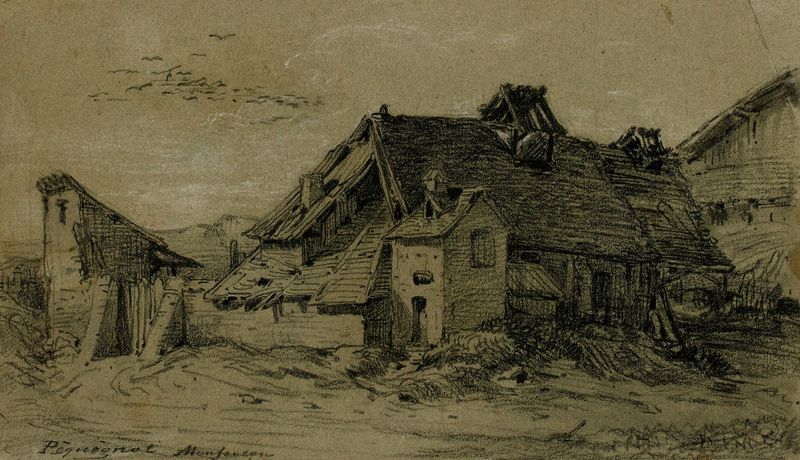
Les Buttes-Chaumont
Auguste Péquégnot

Cour de ferme, rue Vaugirard
Auguste Péquégnot

La Bièvre près de Saint-Médard, entre les rues Mouffetard et Pascal
Auguste Péquégnot

Vue d’une carrière aux Buttes-Chaumont
Auguste Péquégnot





