
Vue des Buttes-Chaumont — History & Facts
Can beauty exist without sorrow? In Vue des Buttes-Chaumont, a serene park scene reveals the paradox of nature's splendor intertwined with the quiet decay that time brings. Look to the left at the lush greenery that dances in soft brush strokes, drawing your gaze to the gentle curves of the hills. Notice how the sunlight filters through the foliage, casting intricate shadows that suggest movement and life. The vibrant blues of the sky are a striking contrast to the muted earth tones below, while the subtle detailing of the crumbling structures in the distance speaks of a history layered beneath the surface beauty. Delve deeper into the painting's emotional undercurrents; the vibrant life surrounding the park hints at fleeting moments, whispering of nostalgia.
The juxtaposition of the lively figures enjoying the scene against the decaying architecture in the background creates a poignant dialogue about the passage of time and the inevitable decline that shadows even the most beautiful settings. Each element invites reflection on how life thrives amidst decay, urging viewers to contemplate their own experiences with transience. Created in 1855, this work captures a pivotal moment for Auguste Péquégnot, who was deeply influenced by the artistic movements of his era. Working amidst the transition from Romanticism to Realism, he sought to portray the everyday beauty of urban spaces, reflecting a time when Paris was experiencing significant changes.
The Buttes-Chaumont park, an emblem of this transformation, became a symbol of both nature's resilience and the complexities of urban existence.
More Artworks by Auguste Péquégnot
Browse all →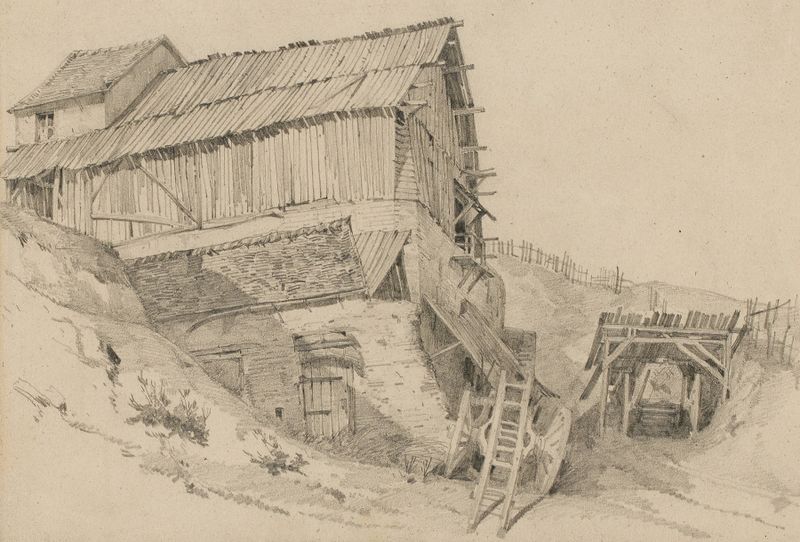
Les Buttes-Chaumont
Auguste Péquégnot
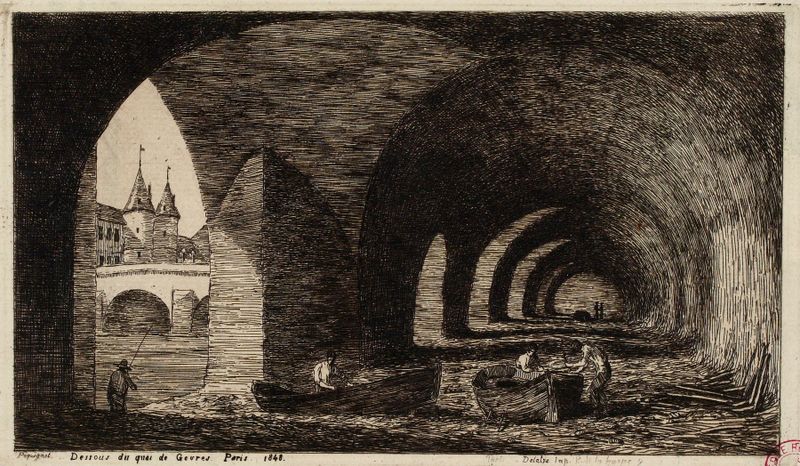
Dessous du pont de Grèves, Paris
Auguste Péquégnot

Moulin des corbeaux à Charenton-le-Pont
Auguste Péquégnot

Bords de la Bièvre ou Poterne des peupliers à la Glacière
Auguste Péquégnot

Buttes Chaumont, Paris, 1849
Auguste Péquégnot
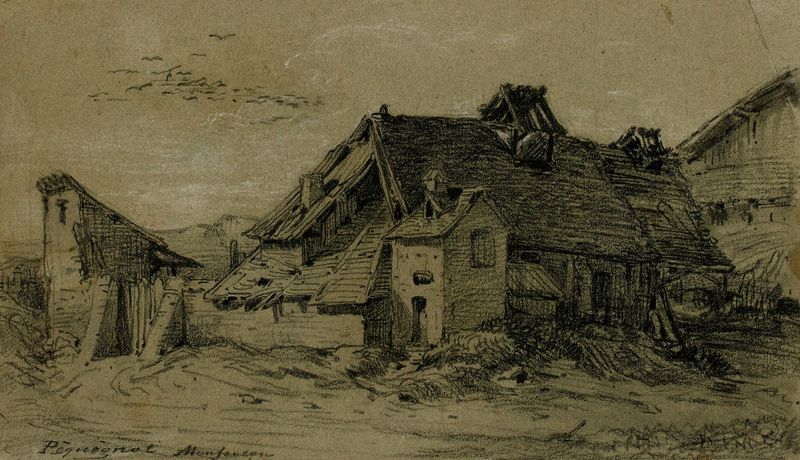
Les Buttes-Chaumont
Auguste Péquégnot
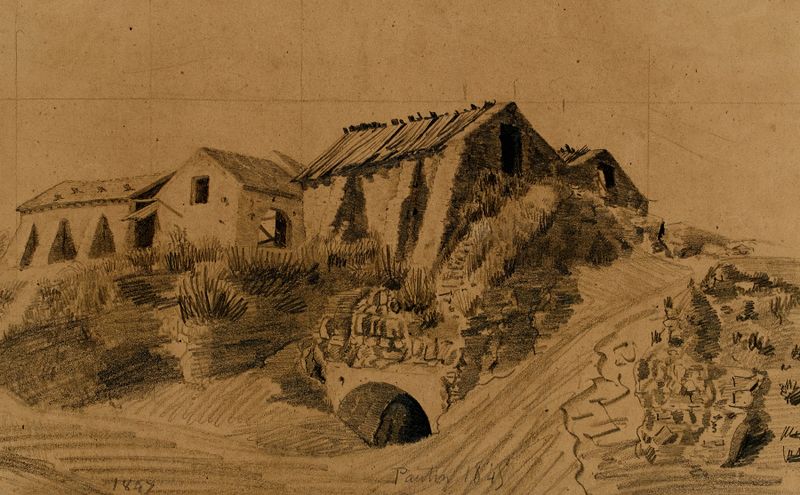
Vue de Pantin
Auguste Péquégnot

Cour de ferme, rue Vaugirard
Auguste Péquégnot

La Bièvre près de Saint-Médard, entre les rues Mouffetard et Pascal
Auguste Péquégnot

Vue d’une carrière aux Buttes-Chaumont
Auguste Péquégnot





