
Cache la Poudre Creek — History & Facts
In Cache la Poudre Creek, the interplay of vibrant hues and muted tones reveals a world on the cusp of decay, inviting contemplation on the transience of beauty. Focus first on the luminous blue sky that stretches over the winding creek, its reflection shimmering like whispers of forgotten memories on the water's surface. Look to the left, where verdant trees frame the painting, their leaves fluttering gently, captured in a moment that feels both alive and ephemeral. Notice how the brushstrokes vary in intensity, the lively greens contrasting with the subtle browns and grays that hint at the passage of time and the inevitable decline of nature. Beneath the surface, the piece resonates with deeper emotions.
The flow of the creek suggests movement, yet the stillness of the surrounding landscape speaks of stagnation and decay. The contrasting elements of life and decline evoke a sense of nostalgia, prompting the viewer to reflect on what once was and what may soon fade into obscurity. Every detail, from the sun-dappled banks to the distant hills, contributes to a rich narrative that balances vibrancy with the weight of history. Daniel A.
Jenks painted Cache la Poudre Creek in 1859 during a period of exploration and expansion in America. As settlers pushed westward, seeking new opportunities, his work captured the untouched beauty of the landscape amidst the ongoing transformation. At this time, Jenks was influenced by the Romantic movement, which celebrated the sublime nature and the emotional responses it evoked, setting the stage for a deeper appreciation of both the serene and the decaying elements of the natural world.
More Artworks by Daniel A. Jenks
Browse all →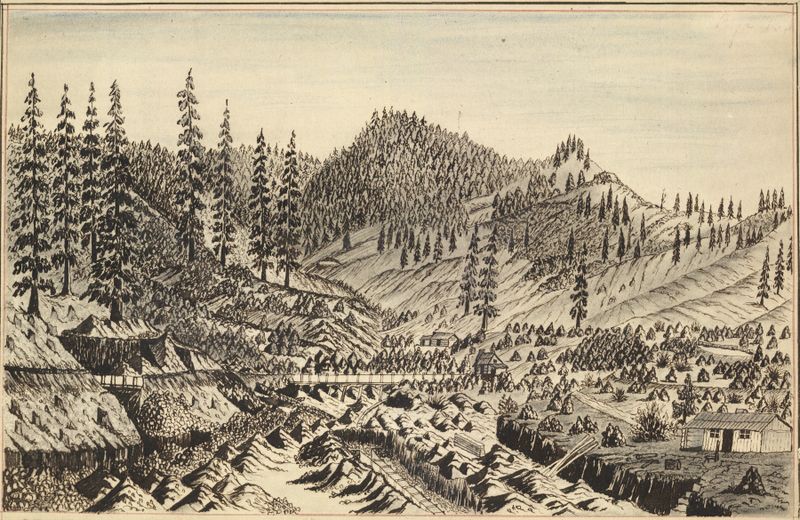
View of the mine at Long Gulch
Daniel A. Jenks
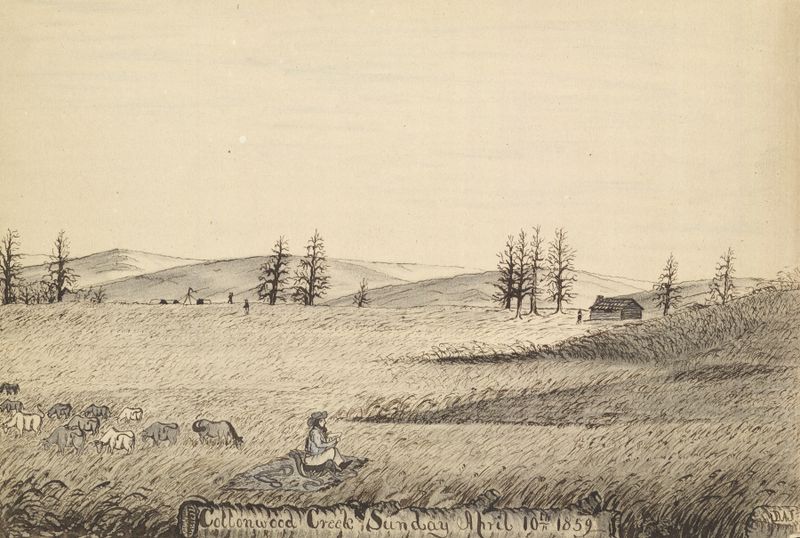
Cottonwood Creek, Sunday April 10th 1859
Daniel A. Jenks
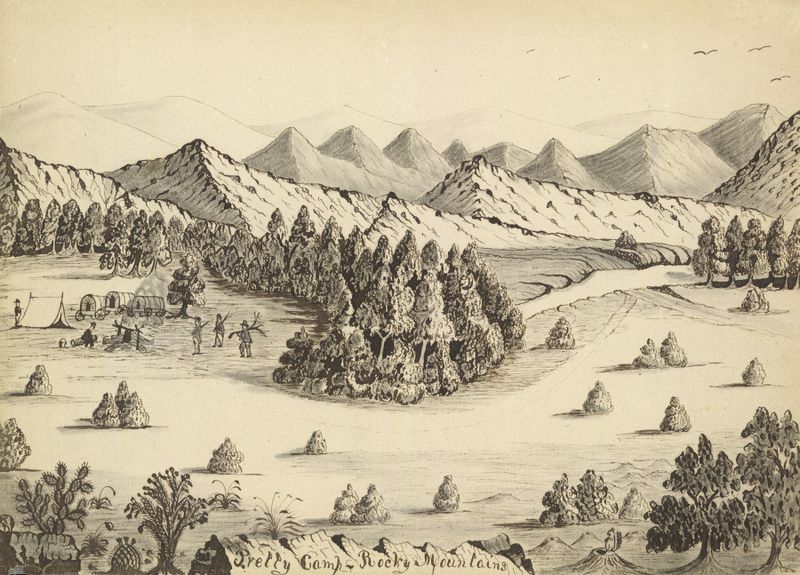
Pretty camp – Rocky Mountains
Daniel A. Jenks
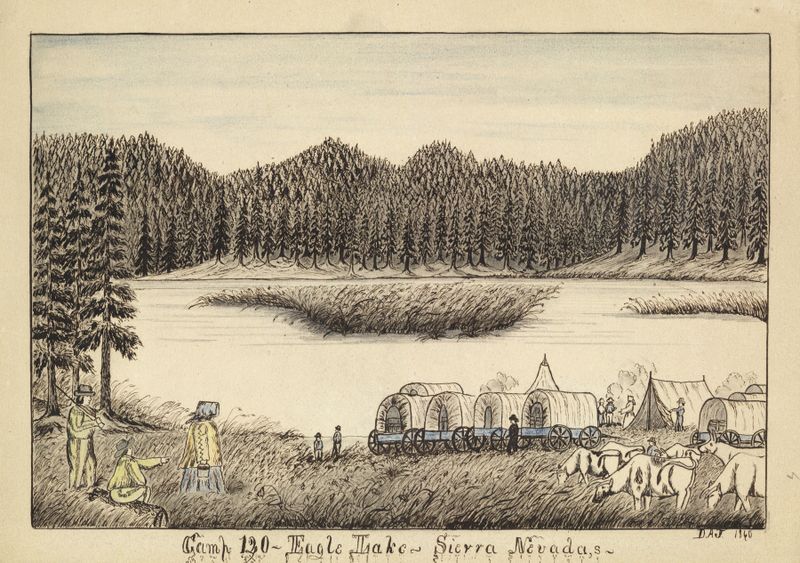
Camp 120, Eagle Lake, Sierra Nevadas
Daniel A. Jenks

Chavis Creek, camp 14th
Daniel A. Jenks
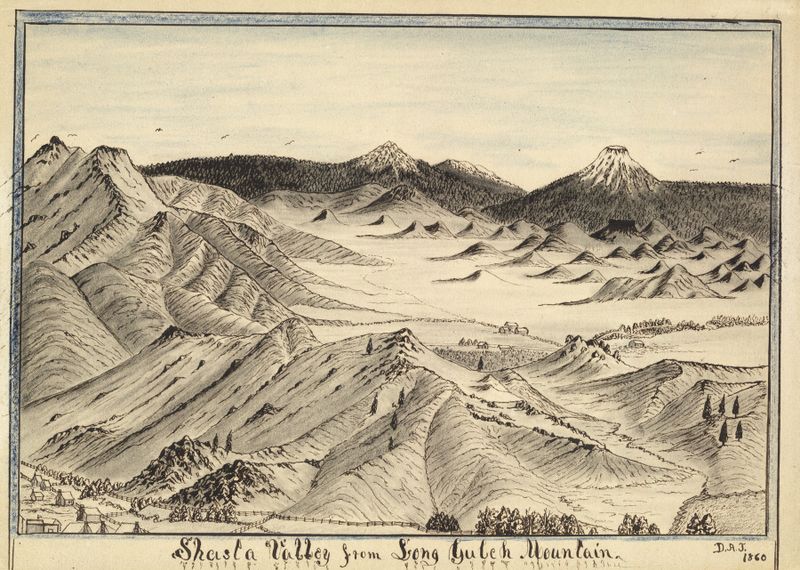
Shasta Valley from Long Gulch Mountain
Daniel A. Jenks
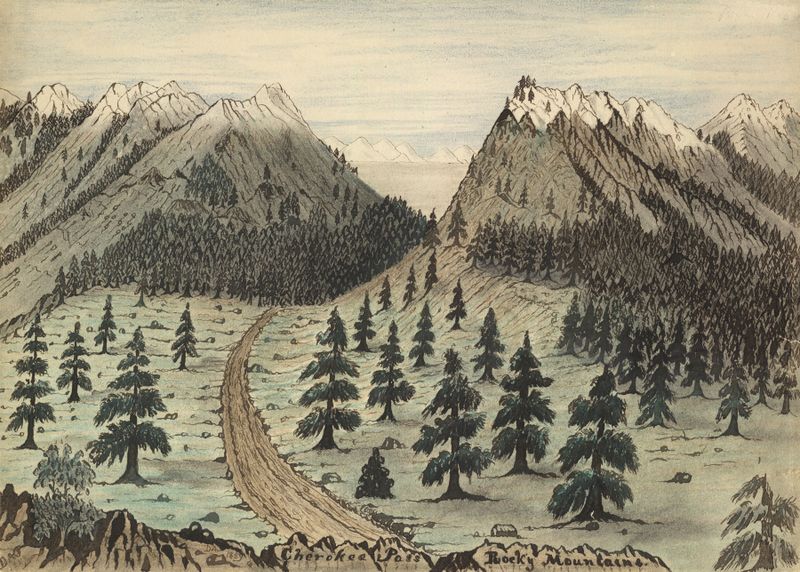
Cherokee Pass, Rocky Mountains
Daniel A. Jenks

Camp 100 – Humbolt River
Daniel A. Jenks
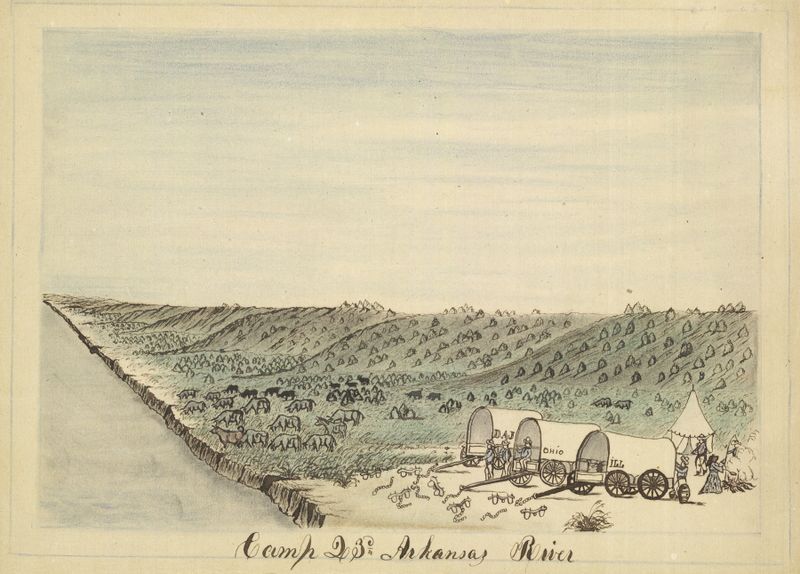
Camp 23rd Arkansas River
Daniel A. Jenks
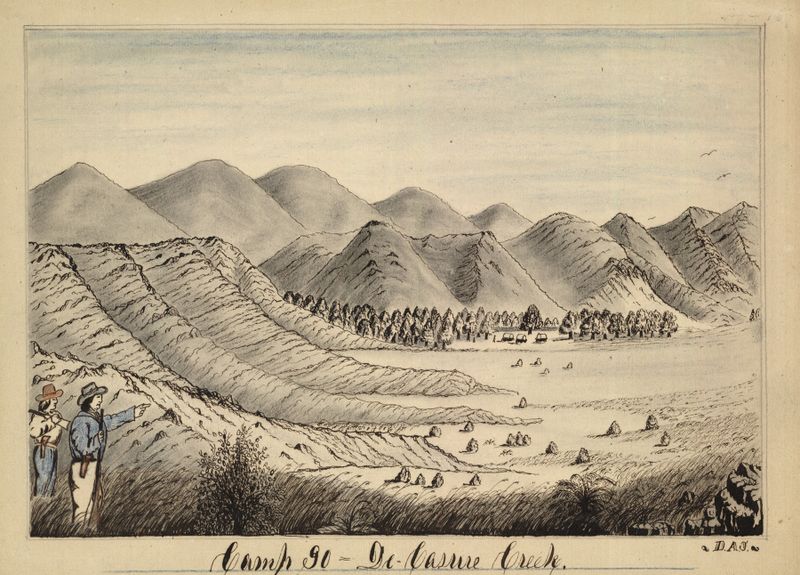
Camp 90, De Casure Creek
Daniel A. Jenks





