
Cadmus and Harmonia — History & Facts
In Cadmus and Harmonia, Evelyn De Morgan presents a lush, mythical setting filled with vibrant colors. The figures of Cadmus and Harmonia are depicted in a harmonious embrace, surrounded by nature. Rich greens and soft pastels dominate the palette, creating a sense of tranquility.
The background features a dreamy landscape that enhances the romantic atmosphere of the scene. The painting is executed in oil on canvas, a medium that allows for rich texture and depth. De Morgan's technique showcases her skill in blending colors seamlessly, particularly in the flowing garments of the figures. The composition is balanced, with the figures centrally placed against the expansive landscape.
Viewers can appreciate the intricate details in the foliage and the delicate expressions on the characters' faces. Evelyn De Morgan was a prominent figure in the Pre-Raphaelite movement, known for her focus on mythological and allegorical subjects. Cadmus and Harmonia reflects her interest in classical themes and the emotional depth of her characters. An interesting fact about this work is that it was likely inspired by the ancient Greek myth of Cadmus, the founder of Thebes, and his union with Harmonia, symbolizing love and harmony.
De Morgan's paintings often explore the intersection of love and spirituality, making her work significant in the context of Victorian art.
More Artworks by Evelyn De Morgan

Portrait head of a woman
Evelyn De Morgan
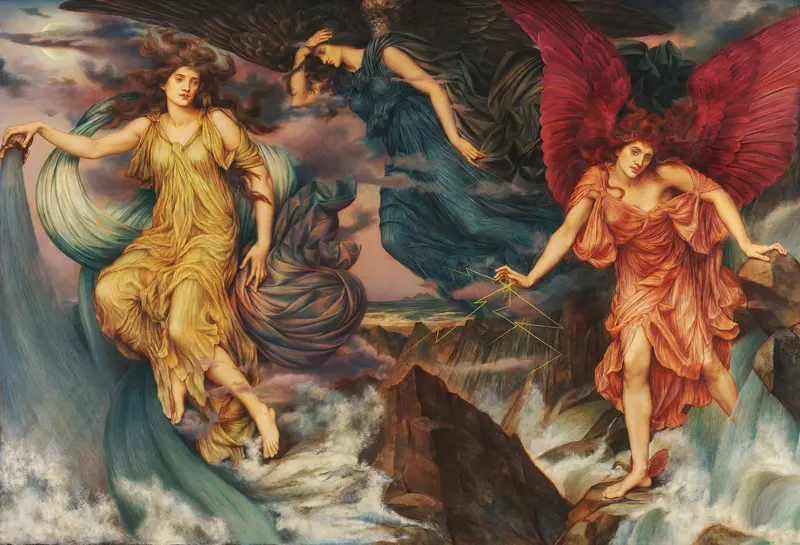
The Storm Spirits
Evelyn De Morgan
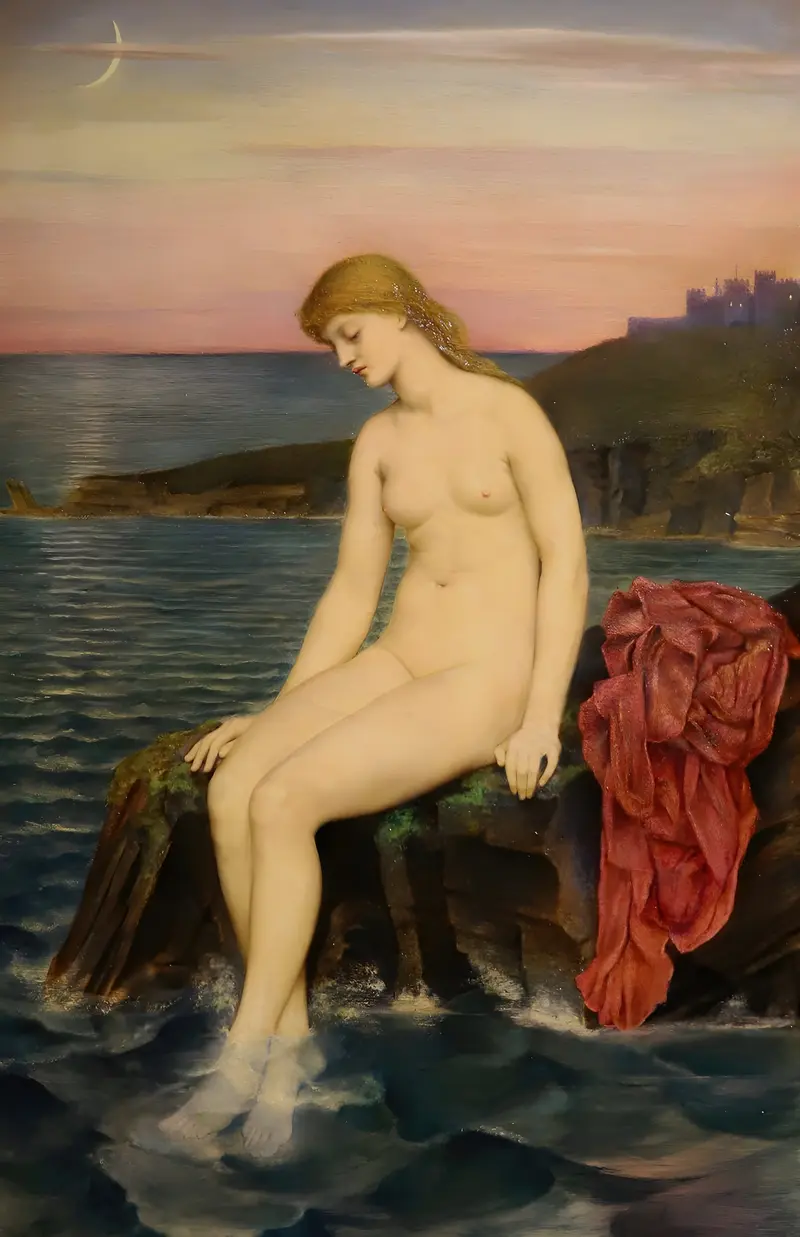
la sirenetta
Evelyn De Morgan
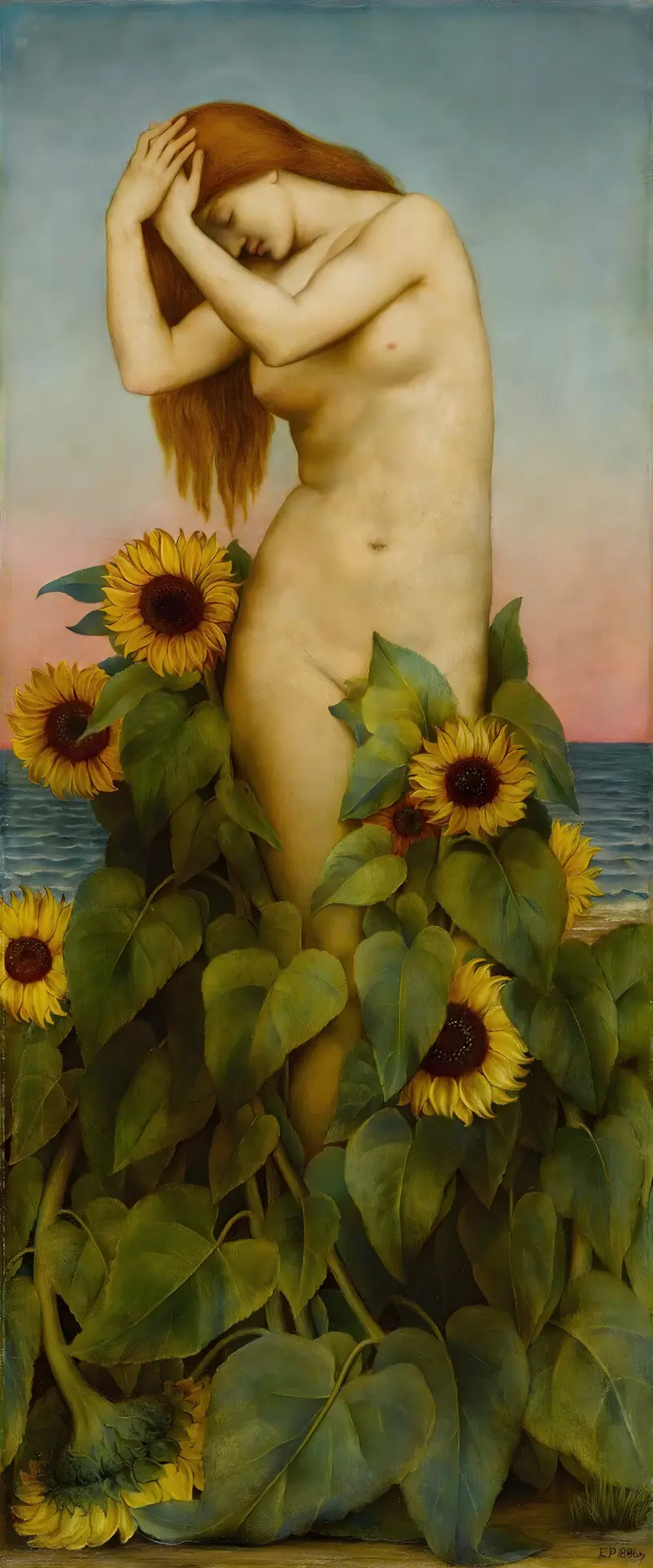
Clytie
Evelyn De Morgan
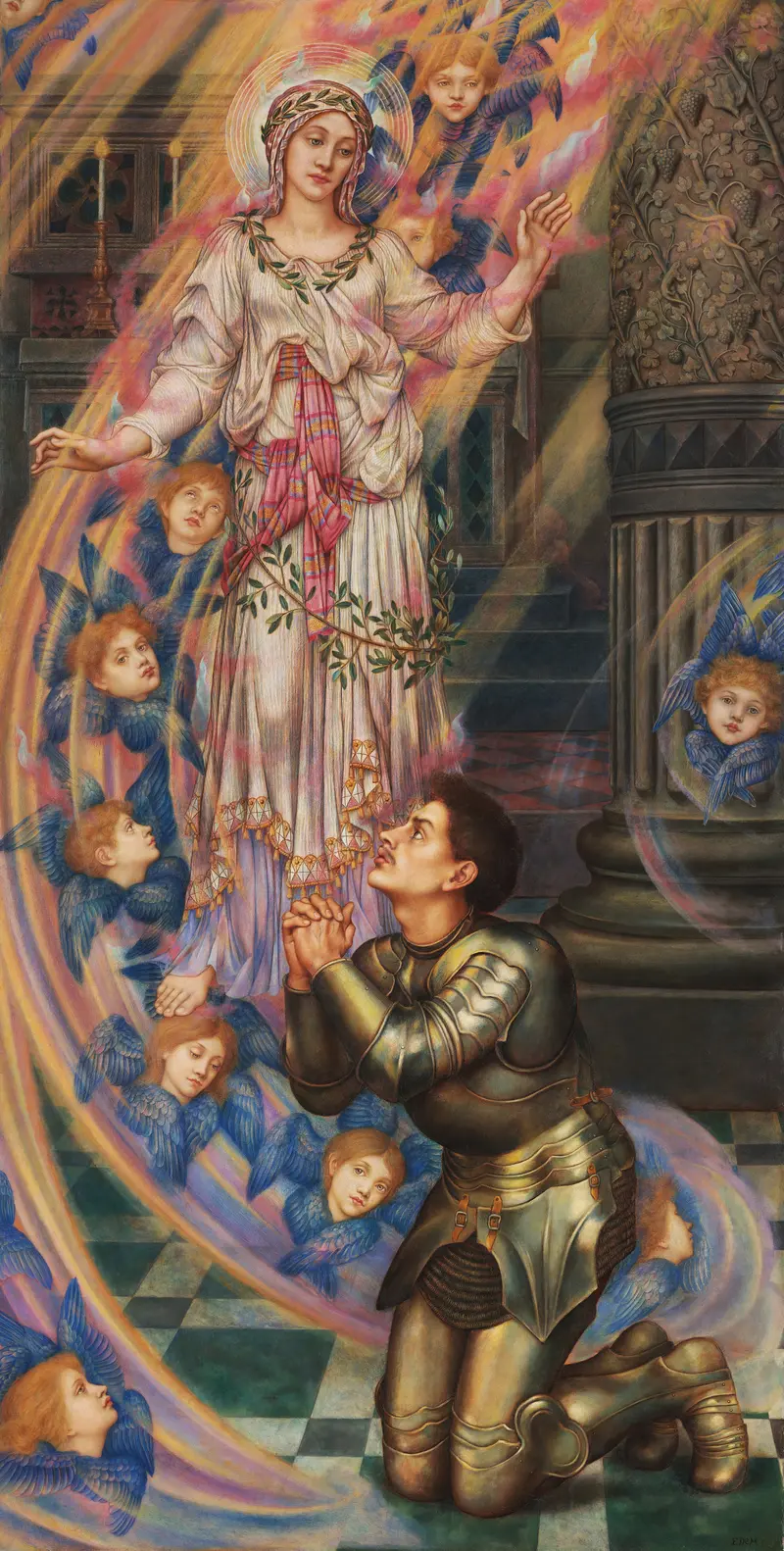
Our Lady of Peace
Evelyn De Morgan
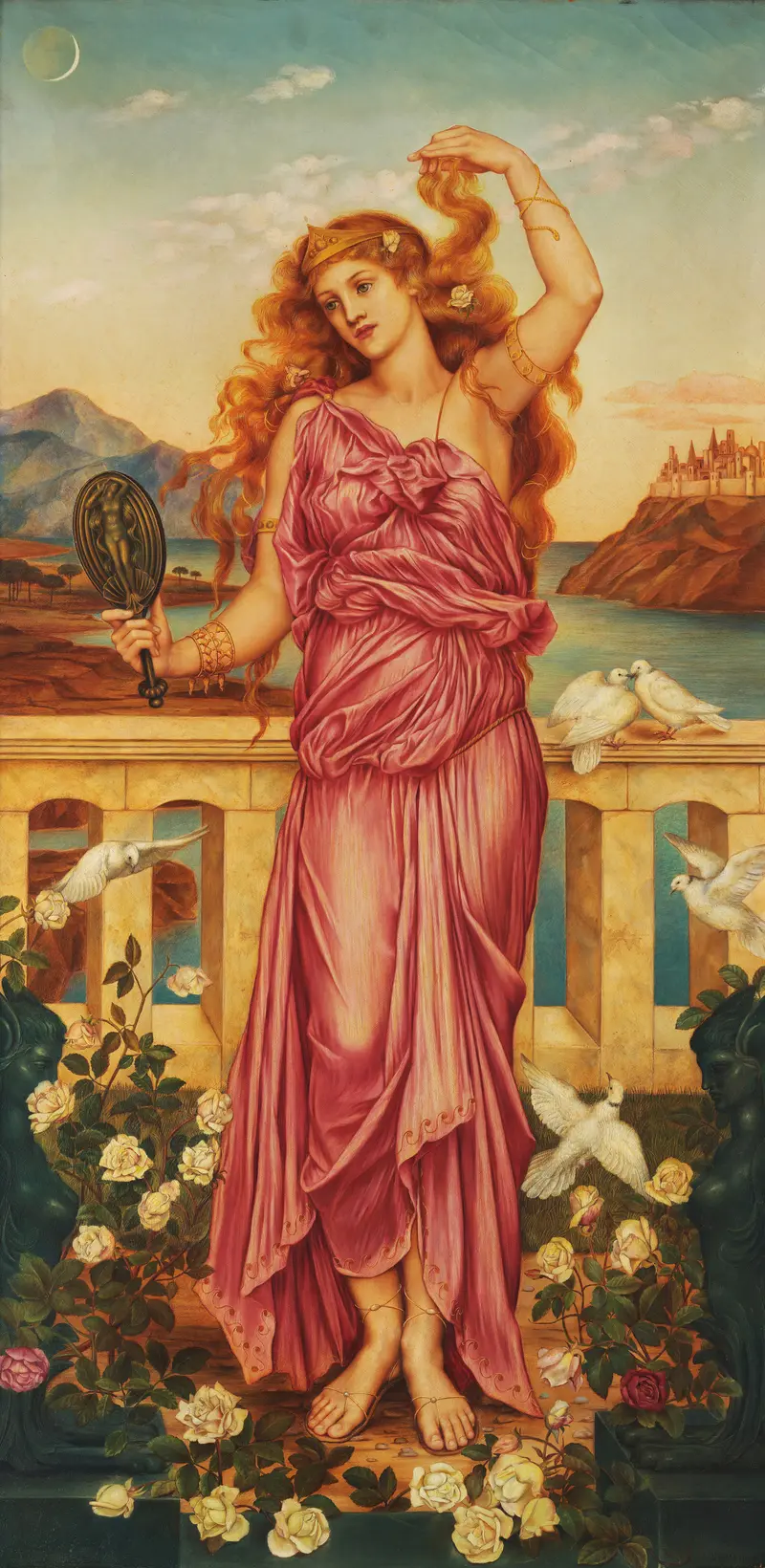
Helen of Troy
Evelyn De Morgan
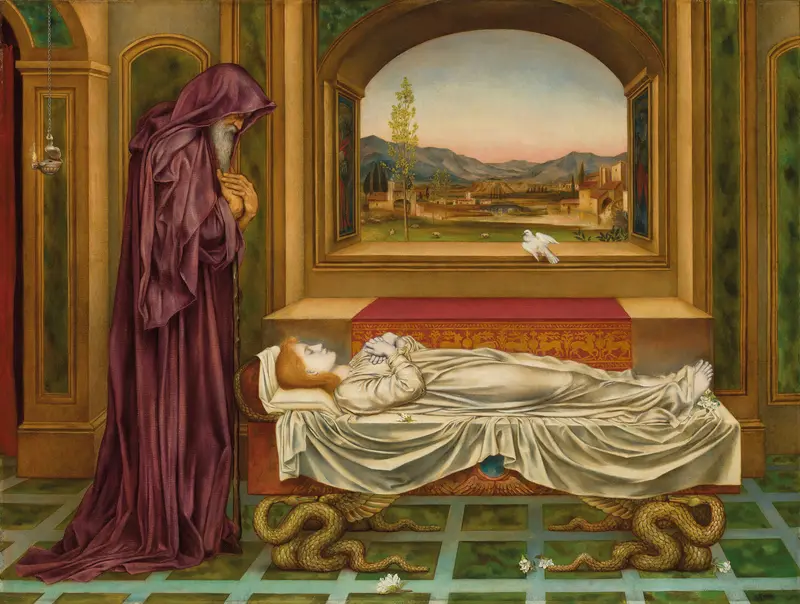
The Wandering Jew; ‘Whom the gods love die young’
Evelyn De Morgan
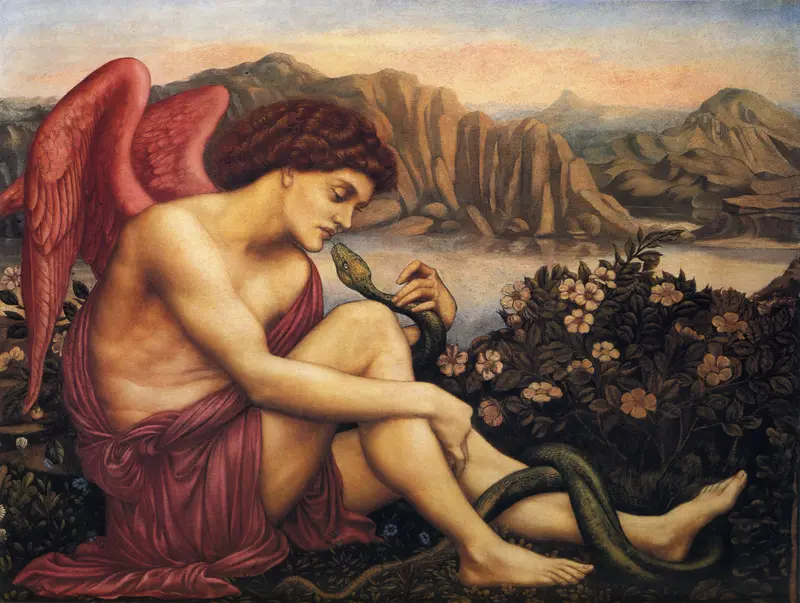
The Angel With The Serpent
Evelyn De Morgan
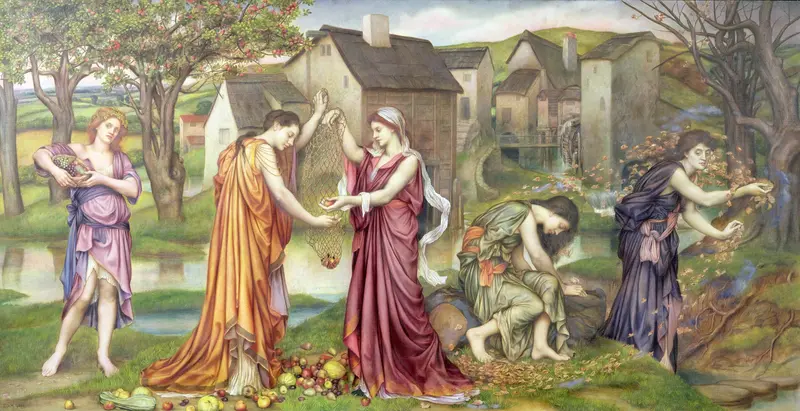
The Cadence of Autumn
Evelyn De Morgan
Daughters of the Mist
Evelyn De Morgan





