
Canal at Martiques — History & Facts
What secret hides in the quiet of the canvas? Beneath the tranquil surface of the water lies the whisper of decay, a poignant reminder of time’s relentless passage. Look to the left at the soft, dappled reflections shimmering on the water’s surface, where the hues of blue and green intertwine like an embrace. The gentle brushstrokes create a sense of fluidity, inviting the eye to explore the serene landscape. Notice how the delicate strokes of light cast across the crumbling structures on the banks reveal their weathered textures, embodying both beauty and impermanence in Appian's composition. As you delve deeper, the contrast between the vibrant life above the water and the remnants of decay beneath it becomes palpable.
The vibrant foliage thrives, yet the dilapidated buildings speak of a forgotten past. This juxtaposition captures the tension between nature's resilience and the inevitable deterioration of human creation, encouraging reflection on transience and the cycle of life. Adolphe Appian painted Canal at Martiques in 1872, during a time when the Impressionist movement was gaining momentum in France. Having established himself as a prominent landscape painter, he was influenced by the changing light and color of the natural world around him.
This piece reflects his desire to capture fleeting moments, embracing both nostalgia and the beauty inherent in decay.
More Artworks by Adolphe Appian
Browse all →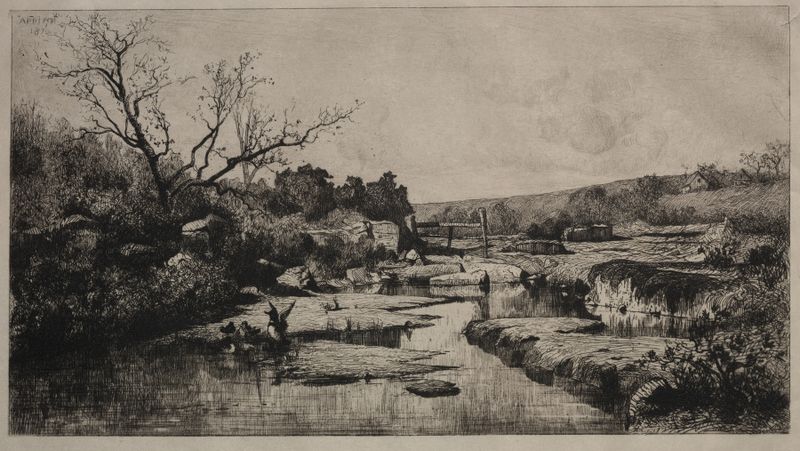
Source of the Albarine
Adolphe Appian
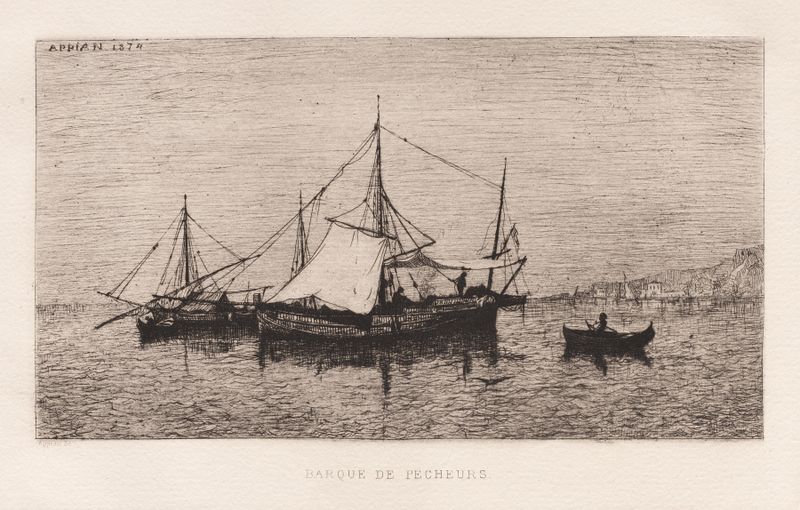
Barque de Pecheurs
Adolphe Appian
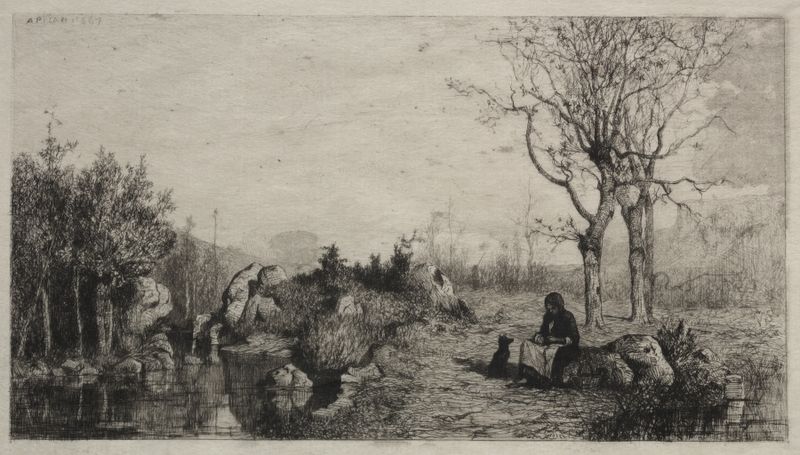
Shore of a Stream at Rossillon
Adolphe Appian

A Pond
Adolphe Appian

At Valromay (Ain)
Adolphe Appian

Woman Seated at the Edge of a Pond
Adolphe Appian
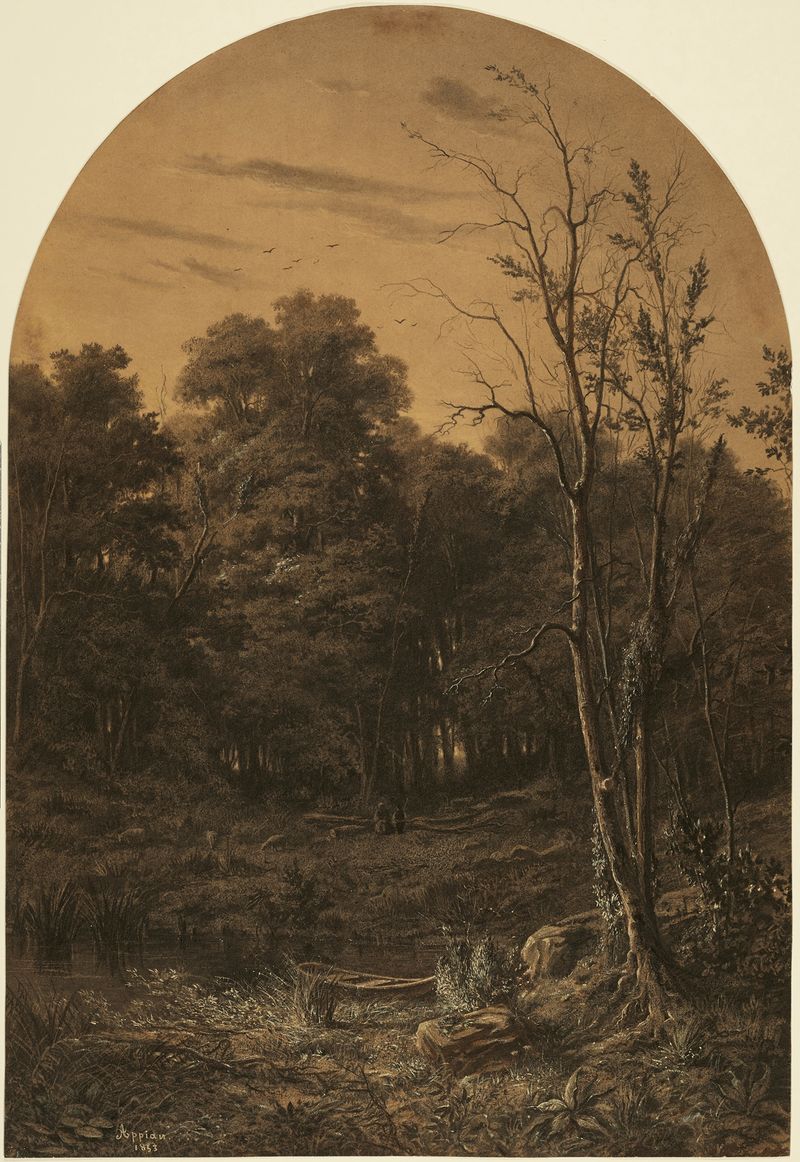
Forest Landscape near a Pond
Adolphe Appian
In the Valromey Valley, near the Rhône River
Adolphe Appian
Bord de mer
Adolphe Appian

Pond at the Edge of the Wood
Adolphe Appian





