
Pond at the Edge of the Wood — History & Facts
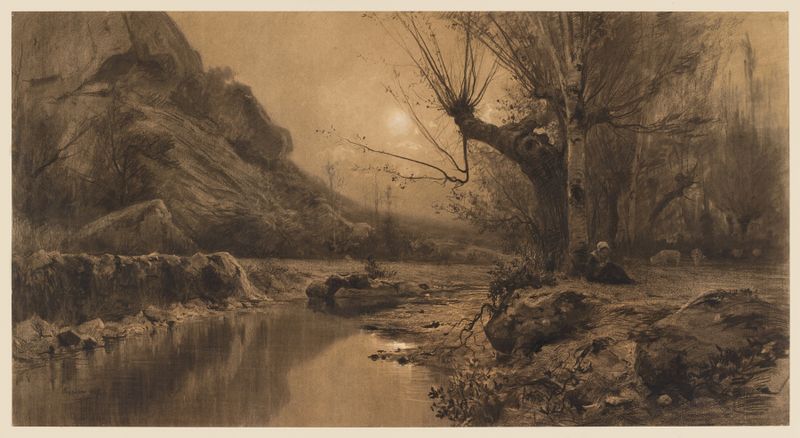
In the quiet embrace of nature, a hidden violence brews beneath the tranquil surface, waiting to be unveiled. Look to the left at the delicate interplay of greens and blues; the pond glimmers with the reflection of the surrounding trees, creating a sense of serenity that belies the underlying tension. Notice how the brushstrokes dance across the canvas, capturing whispers of movement in the water while shadows elongate in the fading light. The composition leads your eye into the depths of this secluded space, inviting exploration yet hinting at secrets lurking just out of view. As you delve deeper, pay attention to the contrast between the vibrant foliage and the dark, murky waters below.
The juxtaposition evokes a feeling of unease; the beauty of the scene is imbued with a sense of foreboding. The viewer is compelled to question what lies beneath the calm surface—perhaps a reflection on the tumultuous forces of nature itself, or the violent struggles that often accompany tranquility. Adolphe Appian painted Pond at the Edge of the Wood in 1862 during a period of personal upheaval. Living in France, he was navigating the shifting tides of the art world, where realism began to take center stage, challenging traditional romantic ideals.
This work reflects both his mastery of landscape painting and the philosophical inquiries that permeated the artistic discourse of his time, as he sought to encapsulate the complexities of nature and human emotion.
More Artworks by Adolphe Appian
Browse all →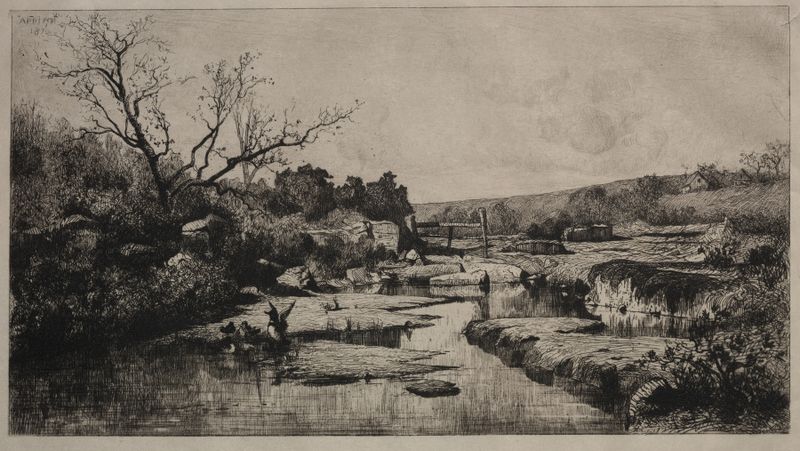
Source of the Albarine
Adolphe Appian
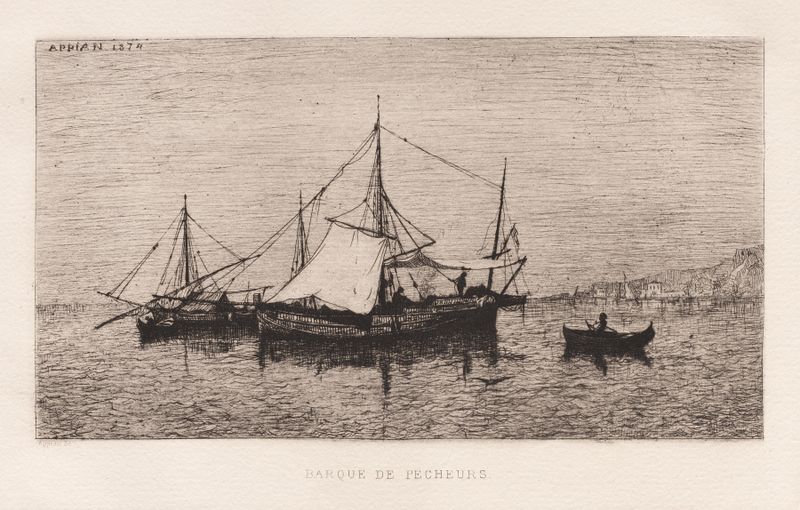
Barque de Pecheurs
Adolphe Appian
Shore of a Stream at Rossillon
Adolphe Appian

A Pond
Adolphe Appian

At Valromay (Ain)
Adolphe Appian

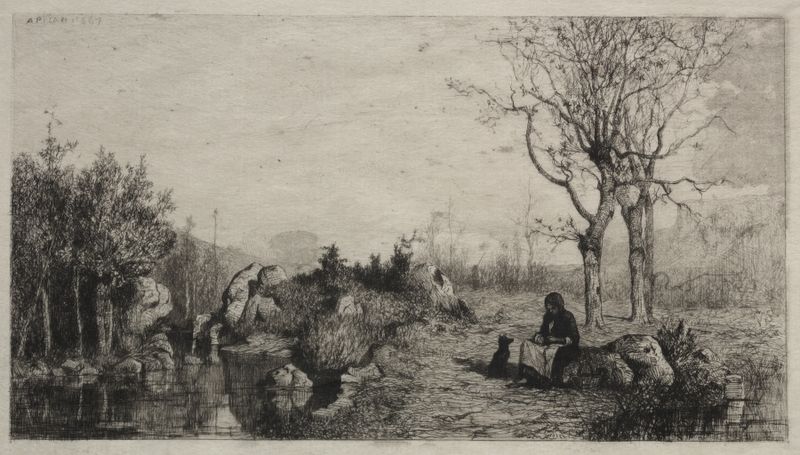
Woman Seated at the Edge of a Pond
Adolphe Appian
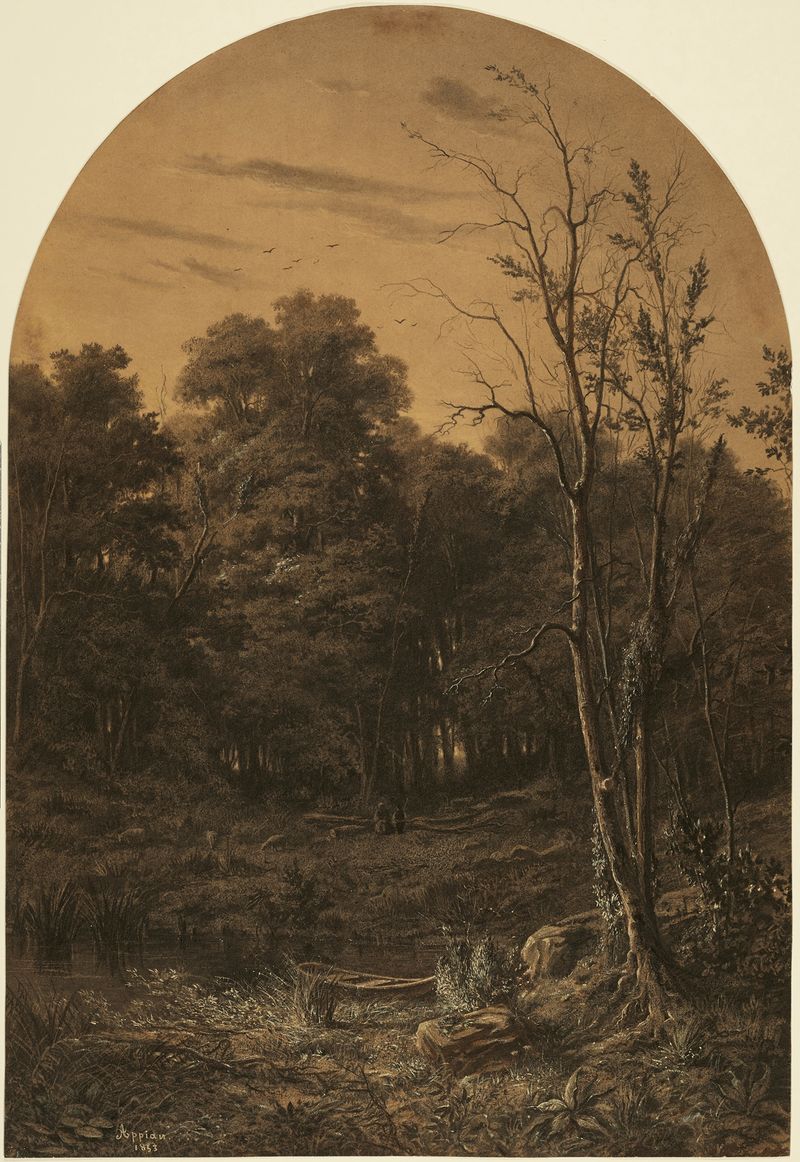
Forest Landscape near a Pond
Adolphe Appian
In the Valromey Valley, near the Rhône River
Adolphe Appian
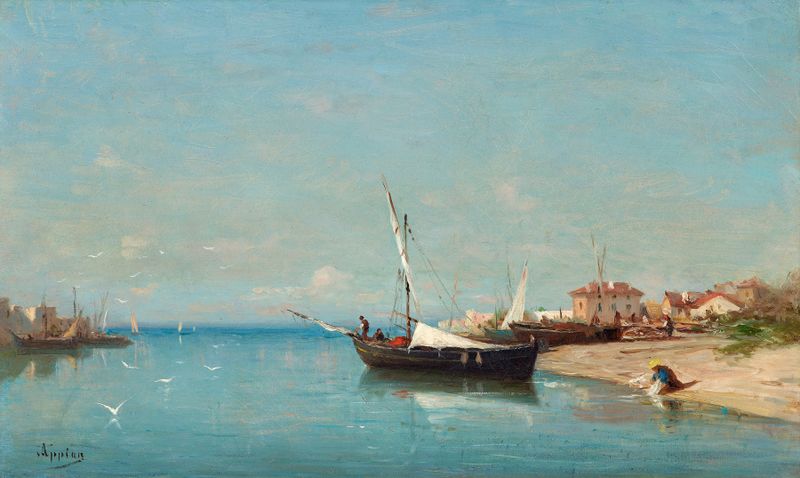
Bord de mer
Adolphe Appian
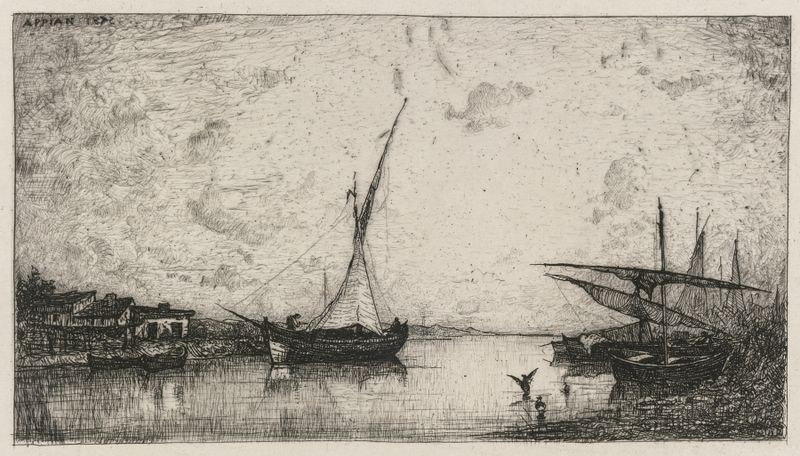
Canal aux Martigues
Adolphe Appian





