
Source of the Albarine — History & Facts
In Source of the Albarine, the interplay of nature and interpretation reveals the profound truths nestled within the untamed beauty of the countryside. This artwork serves as a portal into a world where reality is transcended, and motion is captured in a breath. Focus on the vibrant blues and greens swirling together in a harmonious dance, drawing your eye into the lush landscape. Notice how the light plays upon the water's surface, creating a shimmering reflection that invites you to pause and contemplate.
The artist employs a combination of bold brush strokes and soft blending to conjure both texture and depth, establishing a vivid sense of place that feels alive and inviting. Within the composition, the tension between stillness and movement suggests a deeper narrative. The gentle flow of the water contrasts with the rugged cliffs that frame the scene, echoing the balance between serenity and chaos inherent in nature. The viewer can sense an underlying yearning for connection, both to the landscape and to the truths that lie within it—an exploration of the duality of existence, where chaos is not only present but also necessary for grace. In 1870, Adolphe Appian was immersed in the vibrant art community of France, where his landscapes were beginning to gain recognition.
This period marked a shift toward more emotive representations of nature, coinciding with the broader Impressionist movement. Appian's focus on light and atmosphere mirrored the changing perspectives of his contemporaries, as he sought to encapsulate a moment in time that would resonate with the experiences of a rapidly evolving world.
More Artworks by Adolphe Appian
Browse all →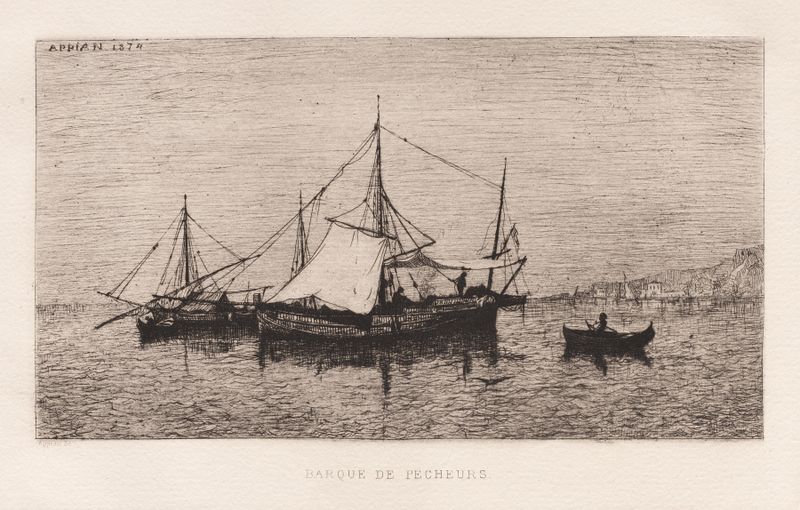
Barque de Pecheurs
Adolphe Appian
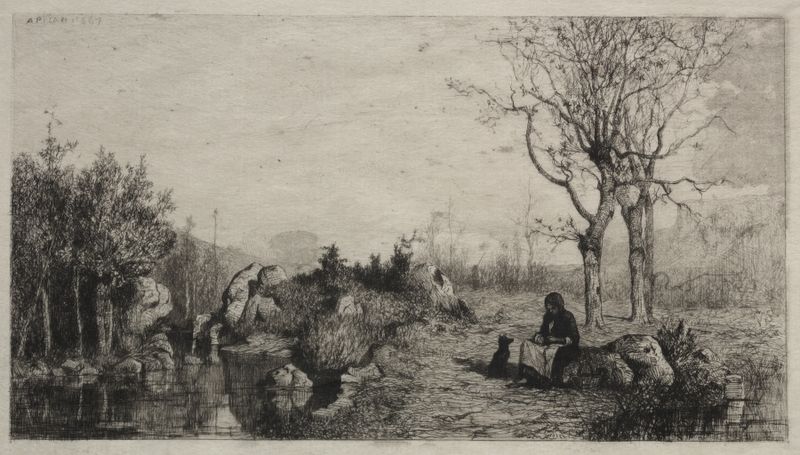
Shore of a Stream at Rossillon
Adolphe Appian

A Pond
Adolphe Appian

At Valromay (Ain)
Adolphe Appian

Woman Seated at the Edge of a Pond
Adolphe Appian
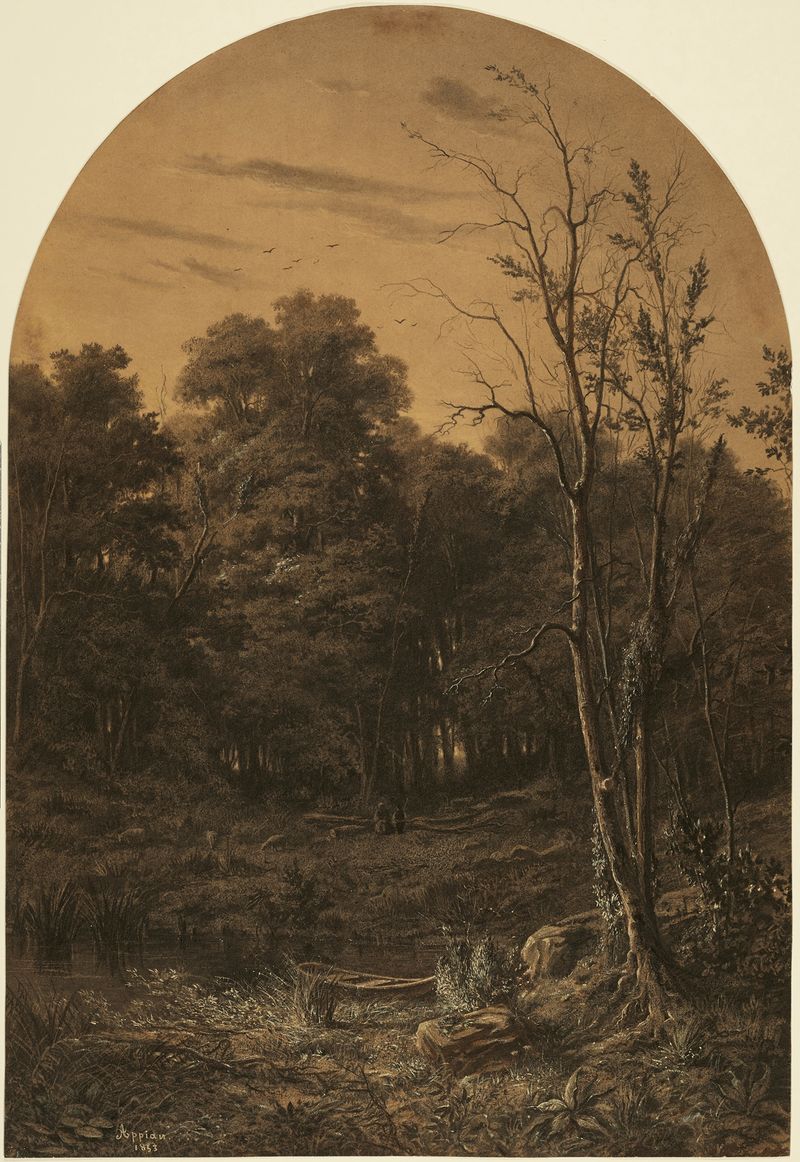
Forest Landscape near a Pond
Adolphe Appian
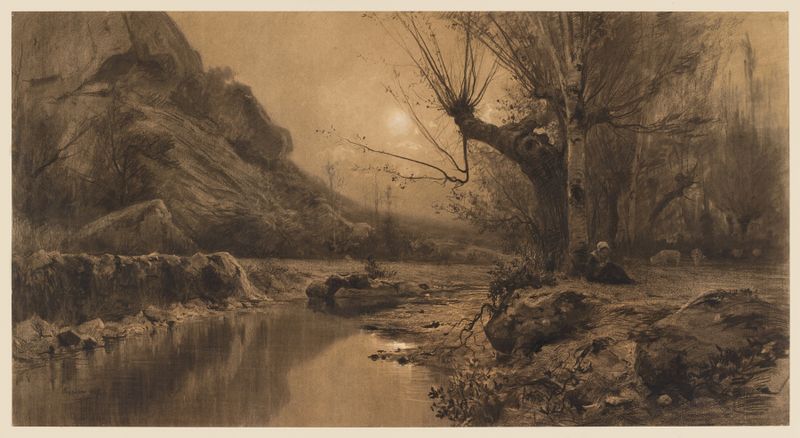
In the Valromey Valley, near the Rhône River
Adolphe Appian
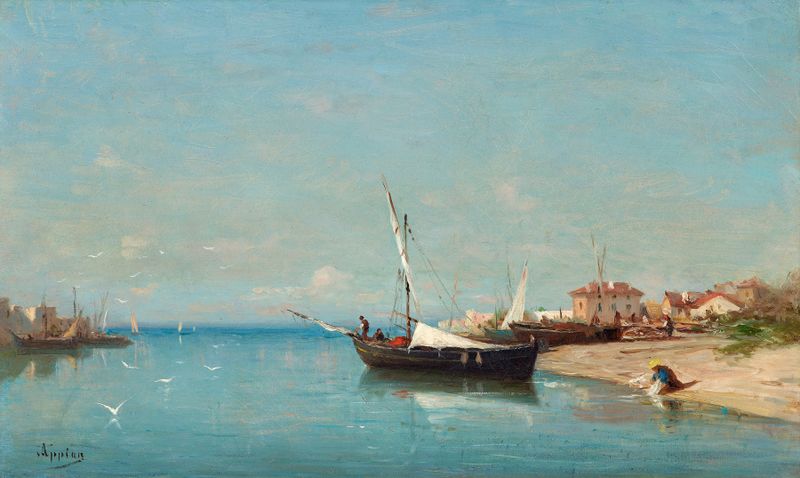
Bord de mer
Adolphe Appian

Pond at the Edge of the Wood
Adolphe Appian
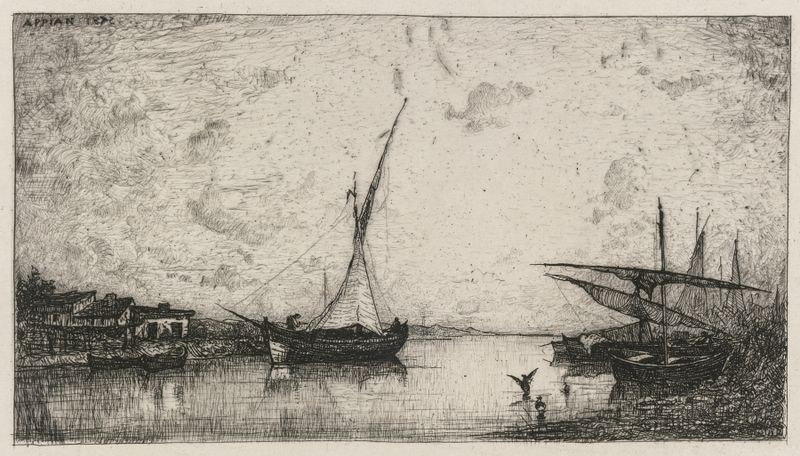
Canal aux Martigues
Adolphe Appian





