
Capri — History & Facts
In Capri, the essence of an awakening lingers, a fleeting moment captured amidst the vibrant, sun-drenched landscape of Italy. The canvas invites us to pause, breathe, and reconnect with the beauty that often eludes our hurried lives. Look to the left at the deep azure of the sea, where gentle waves lap against the rugged cliffs, painted with an expert hand that evokes both movement and tranquility. Notice how the sunlight dances across the water's surface, creating shimmering reflections that guide your gaze towards the foreground, where warm hues of ochre and gold reveal a sunlit terrace brimming with life.
The lush greenery, painted in rich verdant tones, punctuates the scene, leading your eyes to discover the harmonious blend of nature and architecture. The contrasts within the piece resonate deeply. The serenity of the landscape stands in stark opposition to the ever-changing world beyond the canvas, hinting at the timelessness of nature as a sanctuary from societal chaos. The vibrant colors not only celebrate the beauty of Capri but also evoke an emotional response, stirring memories of personal awakenings and moments of introspection experienced by all who gaze upon it.
This delicate interplay between the tangible and the ethereal encapsulates the transient nature of joy. In 1869, Haseltine painted this piece while living in Florence, immersed in the vibrant artistic community of the time. The mid-19th century was a period marked by a growing interest in plein air painting, a movement that sought to capture the true essence of a landscape directly from nature. This moment in Haseltine’s life reflects his dedication to both innovation in technique and a profound reverence for the beauty surrounding him, as he sought to immortalize the tranquility of Capri beneath the sun.
More Artworks by William Stanley Haseltine
Browse all →
Mill Dam in Traunstein
William Stanley Haseltine
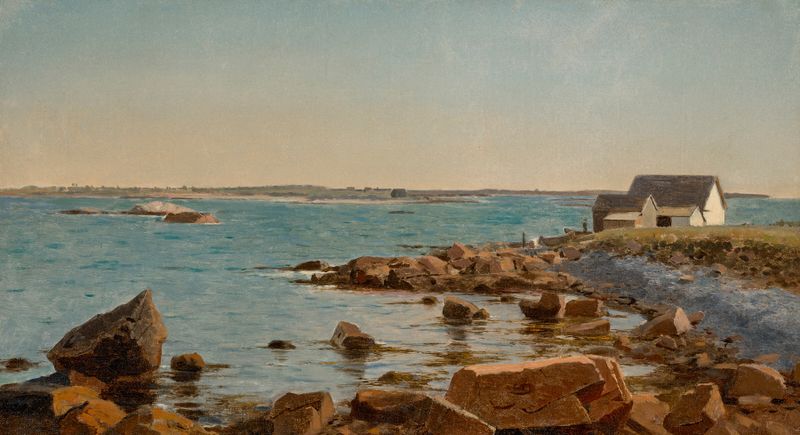
Nahant Coast
William Stanley Haseltine
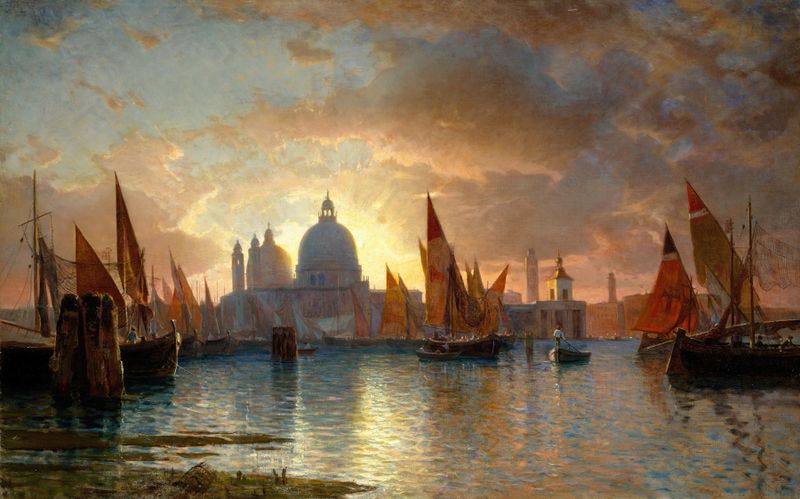
Santa Maria della Salute, Sunset
William Stanley Haseltine
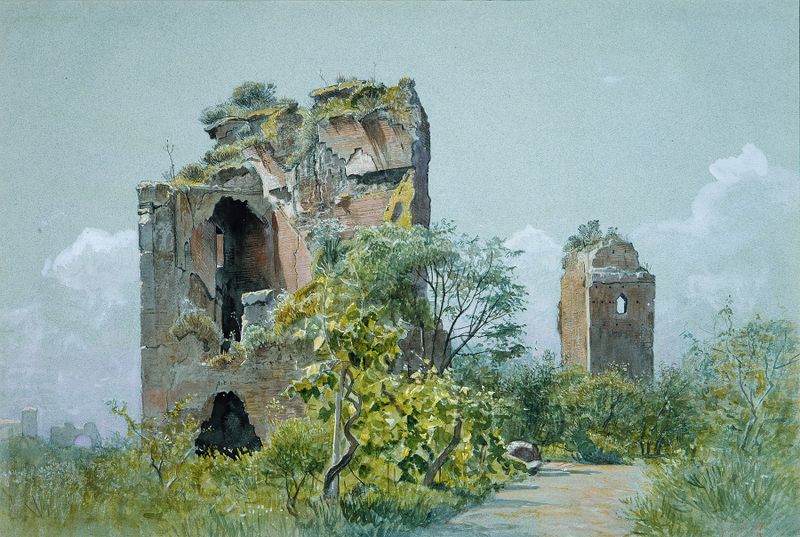
Baths of Trajan (Sette Sale, Villa Brancaccio, Rome)
William Stanley Haseltine
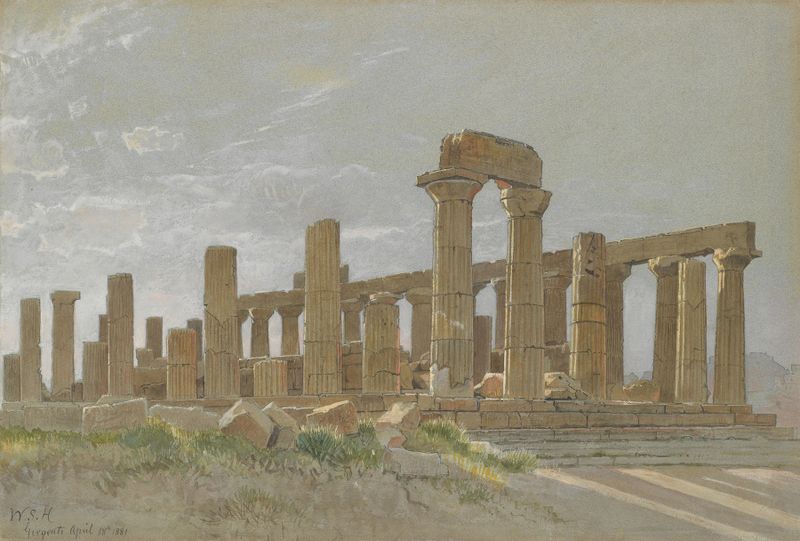
Girgenti (The Temple of Juno Lacinia at Agrigentum)
William Stanley Haseltine

Italian Hills
William Stanley Haseltine
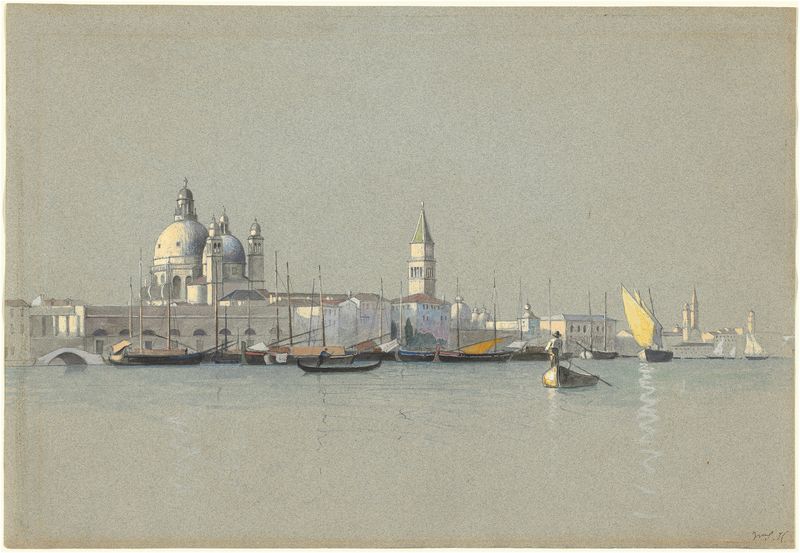
View across the Giudecca Canal toward the Salute and the Campanile of San Marco
William Stanley Haseltine
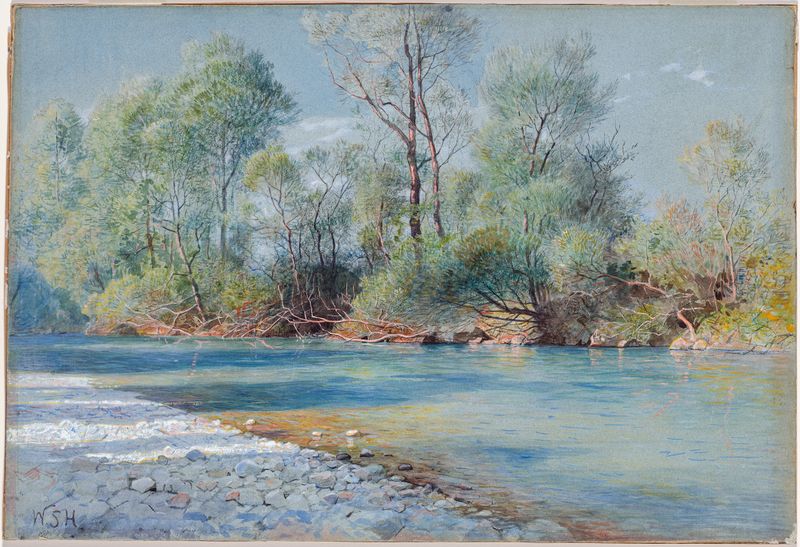
Traunstein River on the Road to Empfig, Bavaria
William Stanley Haseltine

Coast of Capri
William Stanley Haseltine
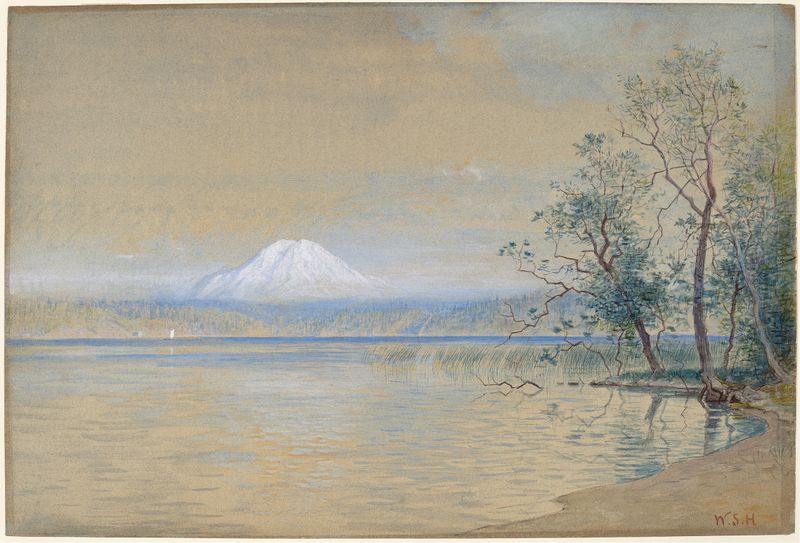
Mount Tacoma
William Stanley Haseltine





