
Capri Landscape — History & Facts
Each brushstroke resonates with a yearning for transcendence, inviting us to step into a realm beyond the ordinary. Look to the gentle slopes on the left, where lush greenery meets the azure expanse of the sea. Notice how the artist skillfully blends soft pastels and vibrant hues to create a sense of harmony between land and water. The interplay of light and shadow brings depth to the scene, while wispy clouds float effortlessly across the sky, suggesting a world that breathes and evolves. Beneath the serene surface lies a tension between nature’s beauty and its impermanence.
The vibrant foliage hints at a flourishing life, yet the tranquil water reflects a stillness that borders on melancholy. This contrast invites contemplation of our connection to the natural world, encouraging viewers to confront their own fleeting existence within it. William Stanley Haseltine created this landscape during a time when he was deeply influenced by the Romantic ideals of the 19th century. While the exact date remains unknown, it is likely produced in the 1860s, a period marked by his travels through Italy.
Haseltine’s work reflects a shift in American art towards a more expressive and emotive portrayal of nature, aligning with the broader movement that sought to capture the sublime and the ephemeral beauty of life.
More Artworks by William Stanley Haseltine
Browse all →
Mill Dam in Traunstein
William Stanley Haseltine
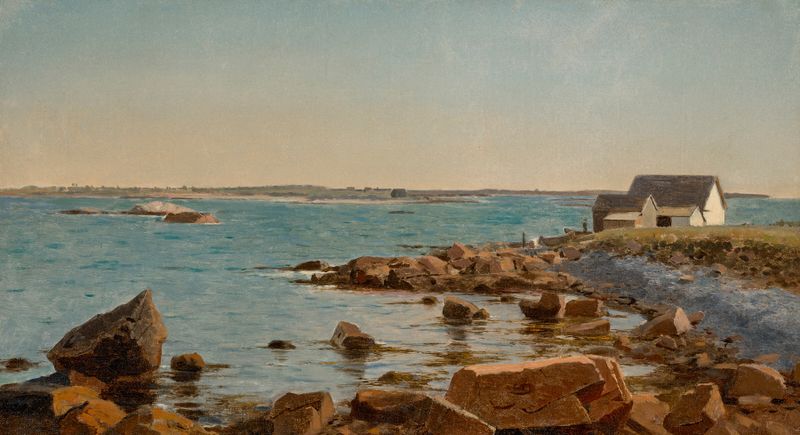
Nahant Coast
William Stanley Haseltine
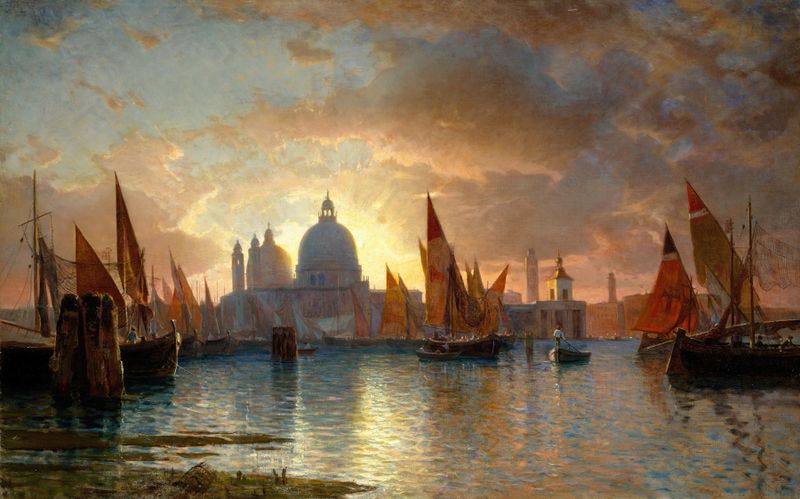
Santa Maria della Salute, Sunset
William Stanley Haseltine
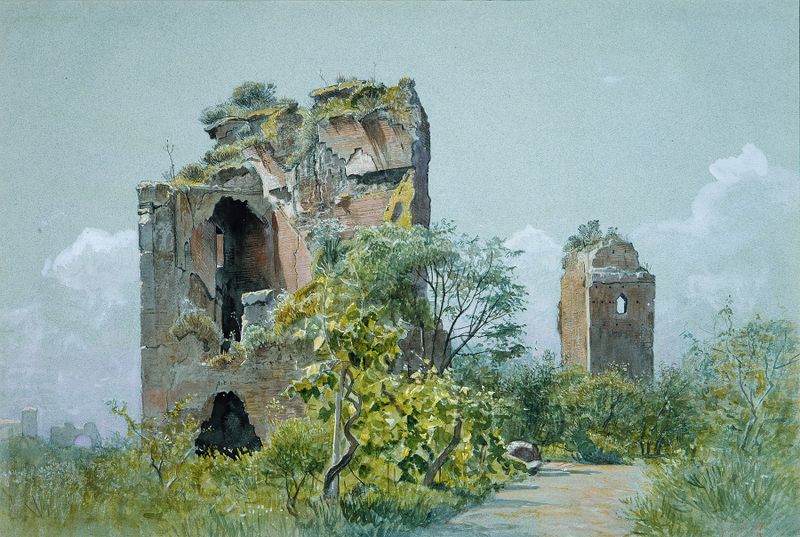
Baths of Trajan (Sette Sale, Villa Brancaccio, Rome)
William Stanley Haseltine
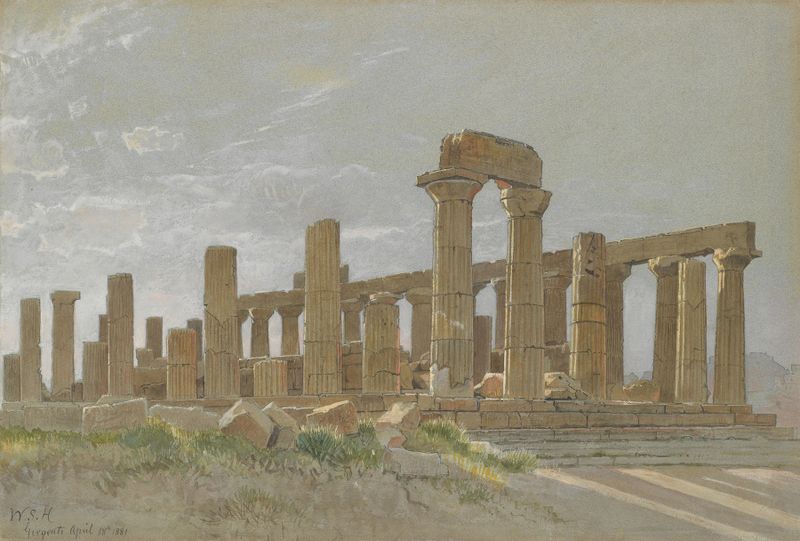
Girgenti (The Temple of Juno Lacinia at Agrigentum)
William Stanley Haseltine

Italian Hills
William Stanley Haseltine
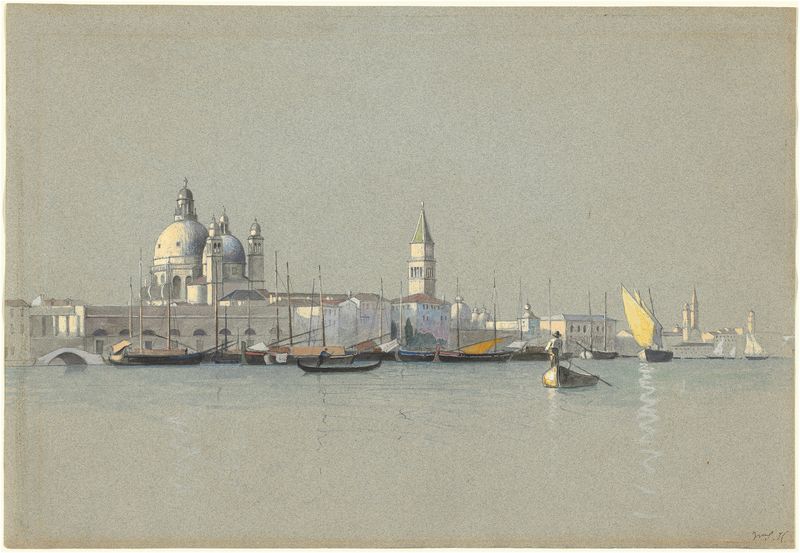
View across the Giudecca Canal toward the Salute and the Campanile of San Marco
William Stanley Haseltine
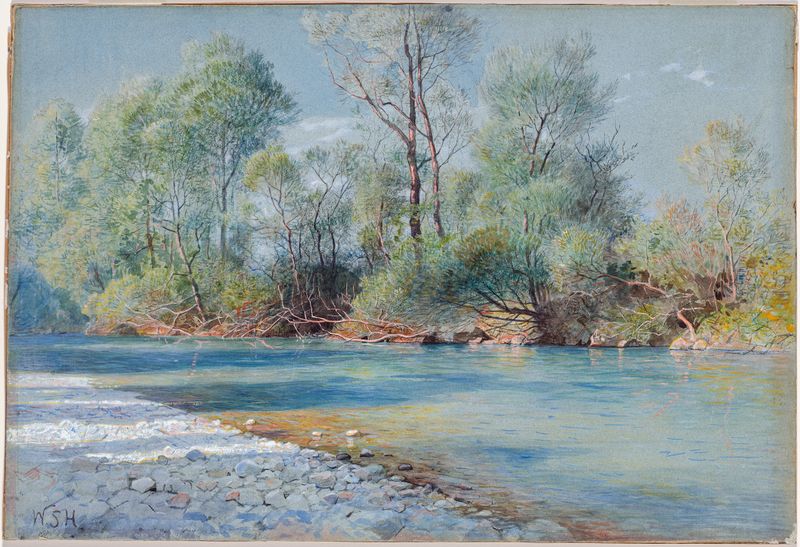
Traunstein River on the Road to Empfig, Bavaria
William Stanley Haseltine

Coast of Capri
William Stanley Haseltine
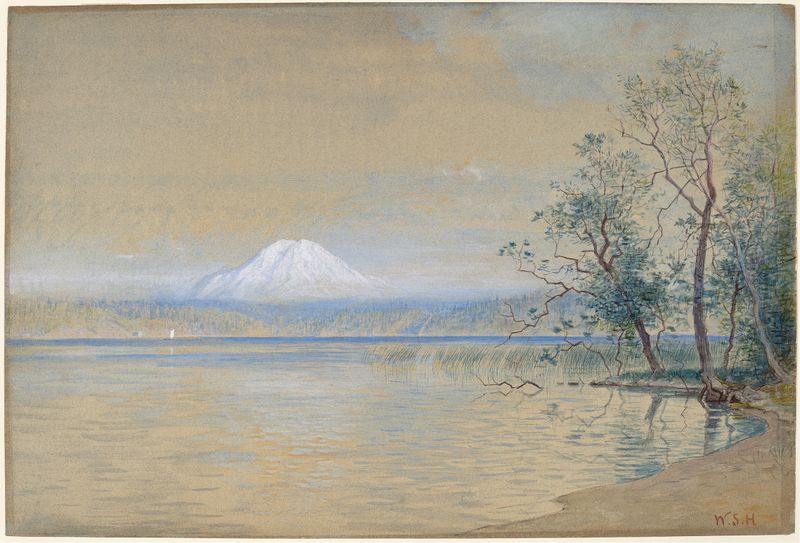
Mount Tacoma
William Stanley Haseltine





