
Capriccio; A Palace Courtyard — History & Facts
Can paint confess what words never could? In Capriccio; A Palace Courtyard, an intricate tapestry of architectural elegance unfurls, revealing secrets hidden within the shadows of grand pillars and tranquil water. Look to the right at the softly illuminated archway, where sunlight dances through, casting delicate patterns onto the cool stone floor. The artist skillfully employs a soft palette of muted hues—pinks, greens, and creams—to evoke a dreamlike atmosphere, inviting the viewer into this serene yet bustling courtyard. Notice how the meticulous brushwork captures the gentle sway of the trees and the reflections in the water, creating a harmony between nature and architecture that breathes life into the scene. The juxtaposition of the quiet courtyard against the distant figures, caught in their own world, suggests a deeper narrative of solitude amid societal bustle.
The ripple of water hints at the passing of time and impermanence, while the grandeur of the palace portrays opulence that can feel isolating. Each element serves as a reflection of revelation—an invitation to explore both the beauty and loneliness of existence within such spaces. During 1790-93, Francesco Guardi was immersed in the vibrant artistic culture of Venice, where he painted this work. It was a time of transitions in art, as the neoclassical style was rising, yet Guardi remained committed to the romantic interpretation of his surroundings.
His depiction of architectural fantasy reveals the complex interplay of dreams and reality, characteristic of his later works during this pivotal period in his career.
More Artworks by Francesco Guardi
Browse all →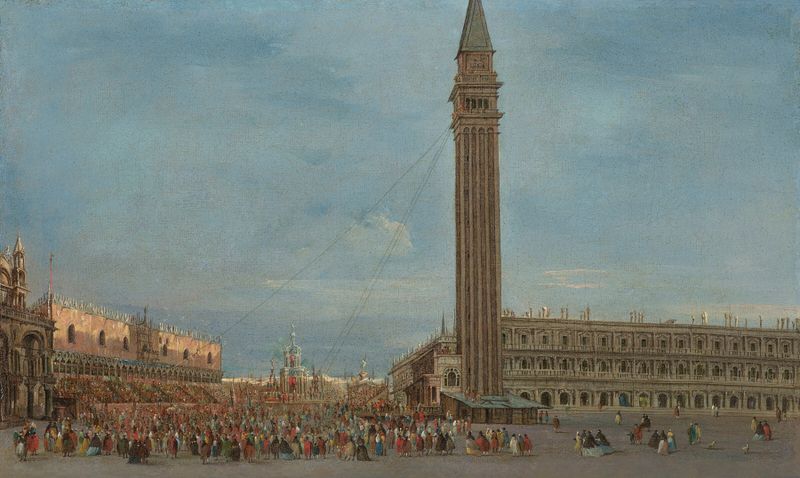
Venice, the Piazzetta San Marco with the Festival of Giovedì Grasso
Francesco Guardi
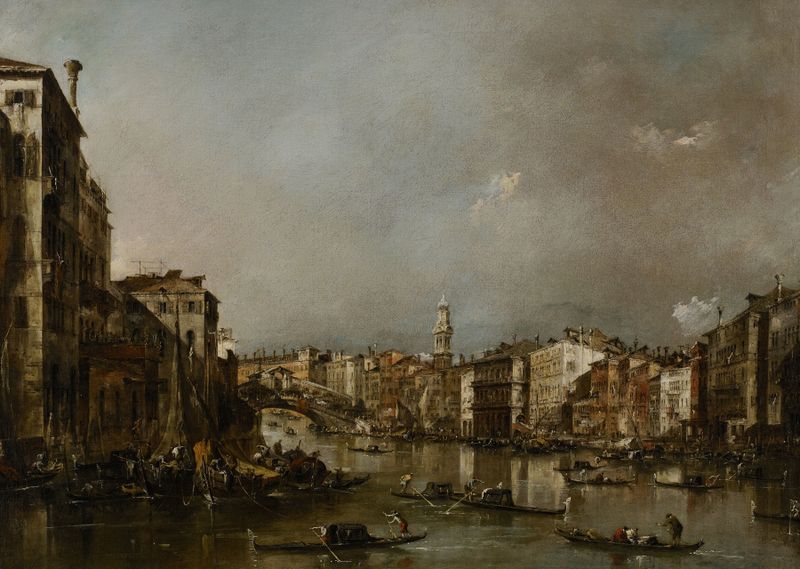
View up the Grand Canal toward the Rialto
Francesco Guardi
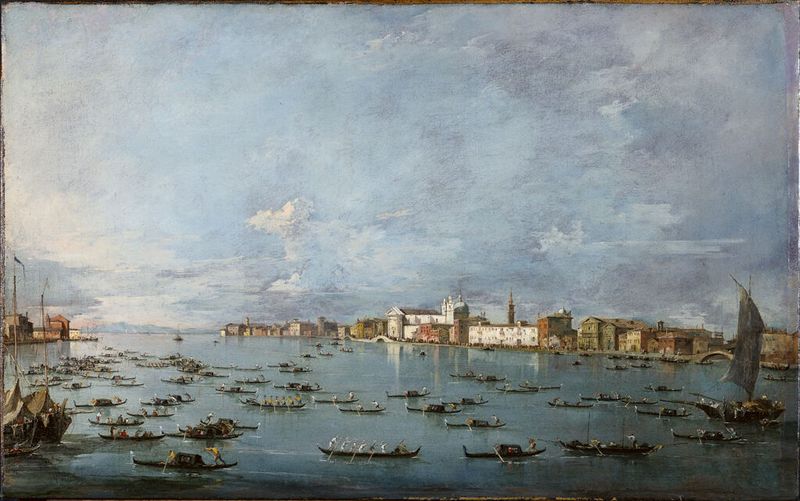
The Fondamenta della Zattere, Venice
Francesco Guardi
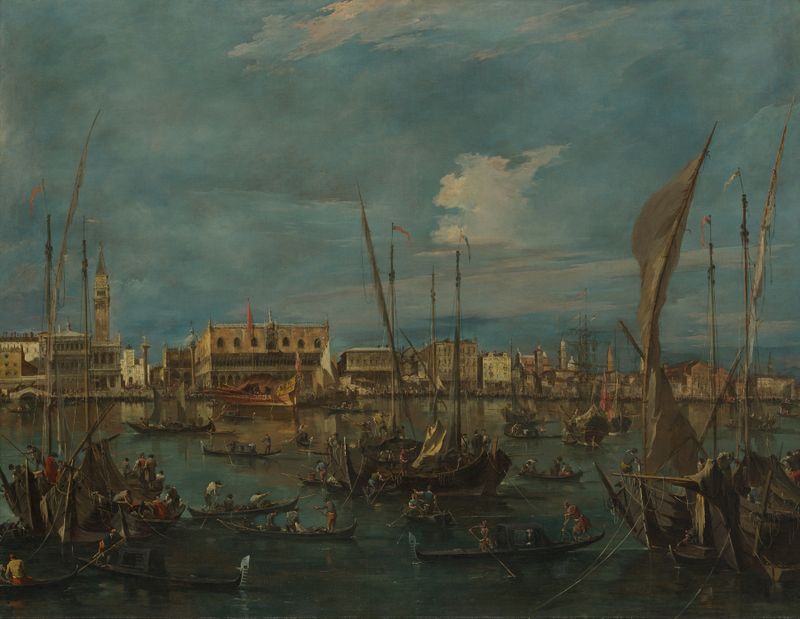
Venice from the Bacino di San Marco
Francesco Guardi

Venice, the Piazzetta looking south, with a view of the Doge’s Palace and the Biblioteca Marciana, the island of San Giorgio Maggiore beyond
Francesco Guardi

Venice, The Rialto
Francesco Guardi
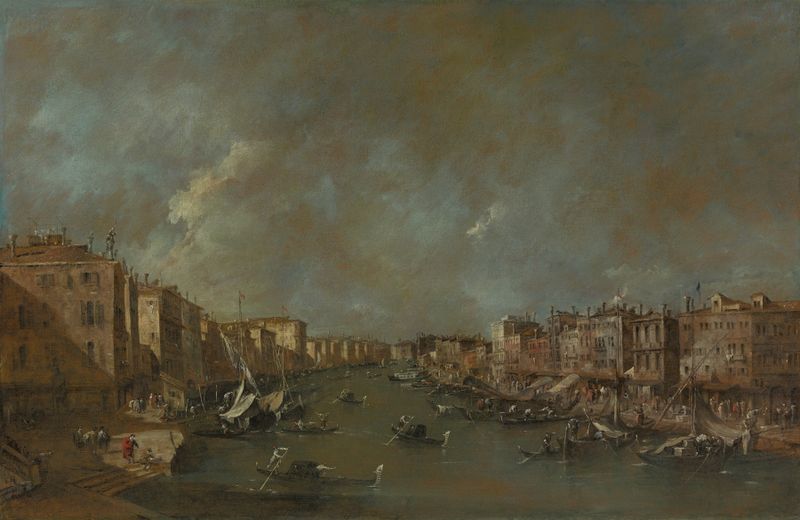
View of the Grand Canal from the Ponte di Rialto
Francesco Guardi
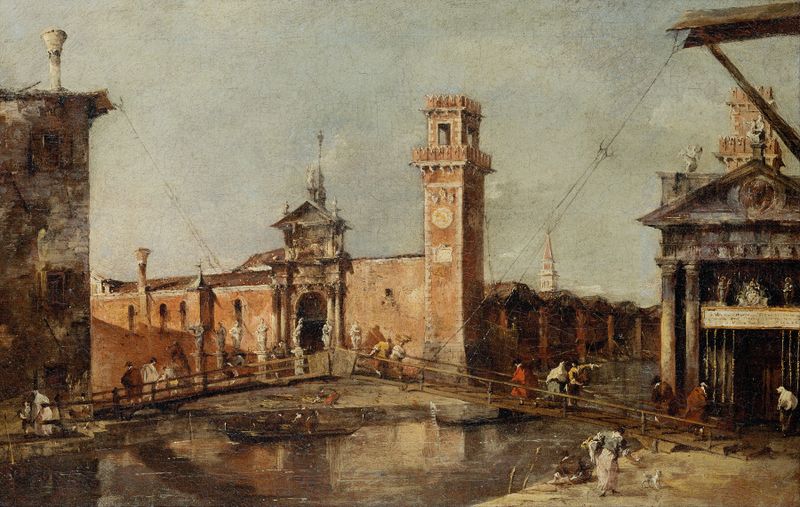
The Entrance to the Arsenal in Venice
Francesco Guardi
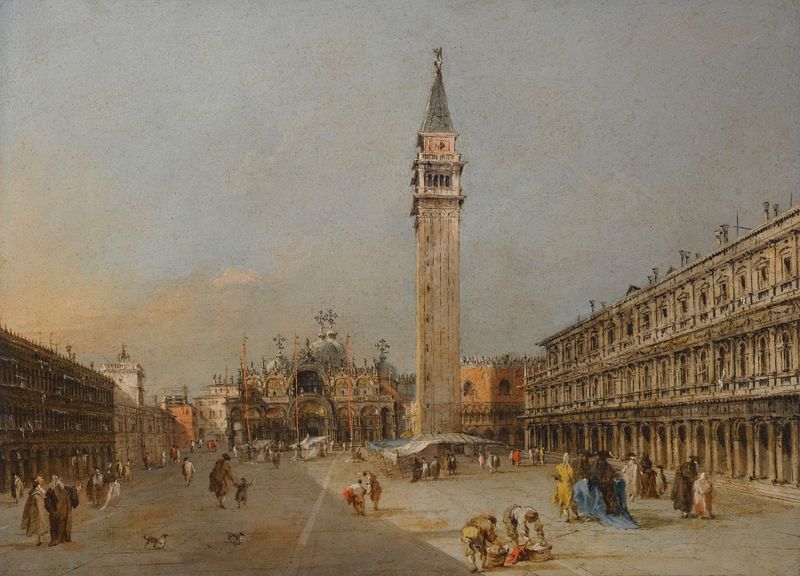
The Piazza San Marco With The Basilica And Campanile
Francesco Guardi
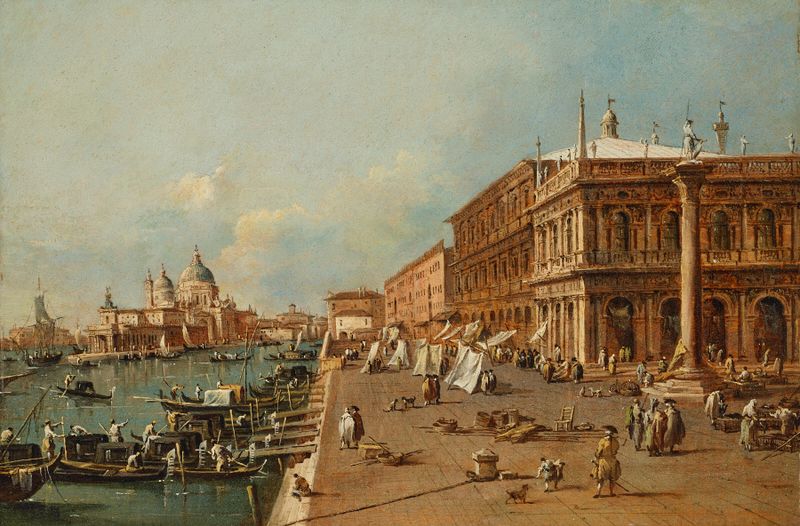
Venice; The Molo with the Libreria, the Punta della Dogana and Santa Maria della Salute
Francesco Guardi
More Architecture Art
Browse all →
The statue of Liberty
Frédéric Auguste Bartholdi

View of Houses in Delft, Known as ‘The Little Street’
Johannes Vermeer

View of Houses in Delft, Known as ‘The Little Street’
Johannes Vermeer

The Cathedral in Rouen. The portal, Grey Weather
Claude Monet

The yellow house
Vincent van Gogh

The Church in Auvers-sur-Oise, View from the Chevet
Vincent van Gogh