
Capriccio Of Architectural Ruins And Figures — History & Facts
Can paint confess what words never could? In Capriccio of Architectural Ruins and Figures, the echoes of revolution resonate through crumbling facades and fleeting figures, inviting us to explore the very essence of impermanence. Look to the center, where a magnificent archway stands proud, yet fragile, revealing the delicate interplay of light and shadow. The viewer’s gaze is drawn along the path that winds through the ruins, where figures are scattered like memories; their movement is subtle yet charged with a sense of urgency. The artist’s brushwork dances between realism and fantasy, with soft, muted colors blending seamlessly into a dreamlike landscape, evoking both nostalgia and longing. Beneath the surface, the architectural ruins symbolize a fragile history, hinting at the passing of time and the inevitable cycles of rise and decay.
The figures, caught in their own narratives, mirror the struggles of a society in flux — they seem to wander aimlessly, reflecting a profound sense of loss amid the remnants of grandeur. This tension between beauty and ruin speaks to the heart of revolution, where every step forward is inevitably tinged with the shadows of what has been left behind. Francesco Guardi created this evocative work during the 18th century in Venice, a time marked by political turbulence and artistic innovation. The city itself was caught in a delicate balance between flourishing creativity and the looming shadows of upheaval.
In the midst of this dynamic environment, Guardi captured not only the aesthetic beauty of Venice but also the undercurrents of change that defined his era, making his landscapes resonate deeply with the pulse of life around him.
More Artworks by Francesco Guardi
Browse all →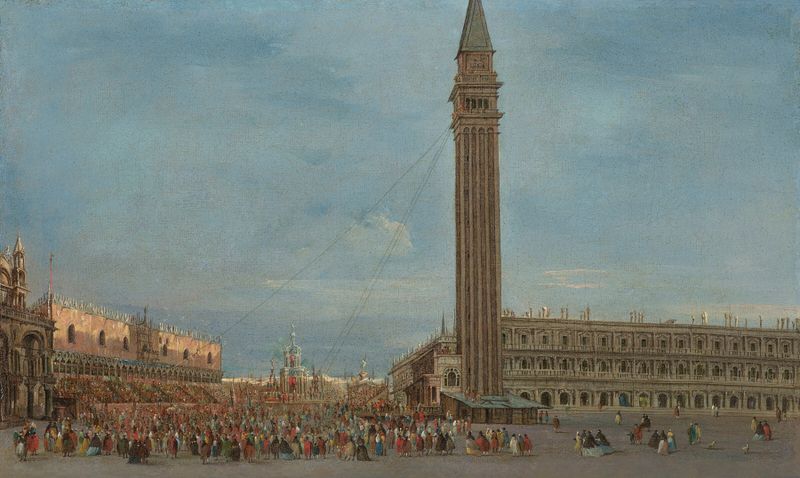
Venice, the Piazzetta San Marco with the Festival of Giovedì Grasso
Francesco Guardi
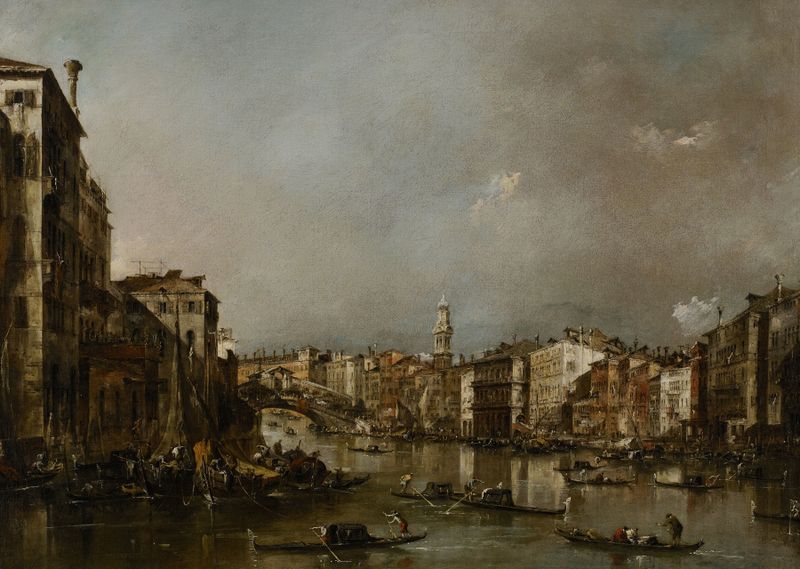
View up the Grand Canal toward the Rialto
Francesco Guardi
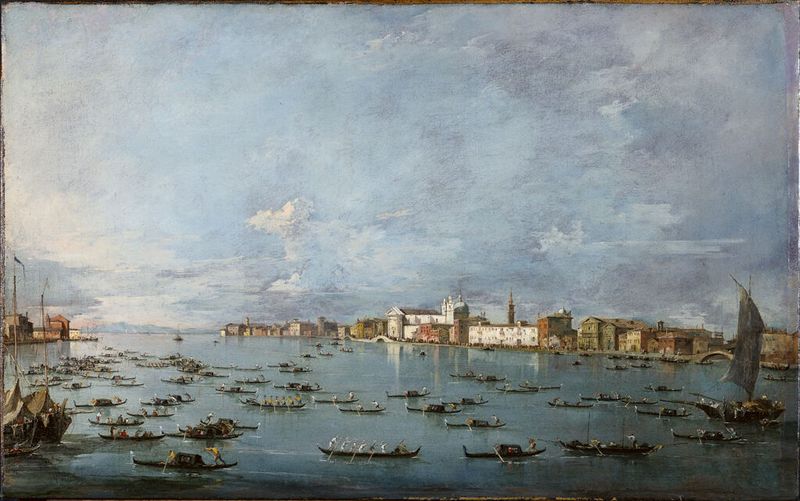
The Fondamenta della Zattere, Venice
Francesco Guardi
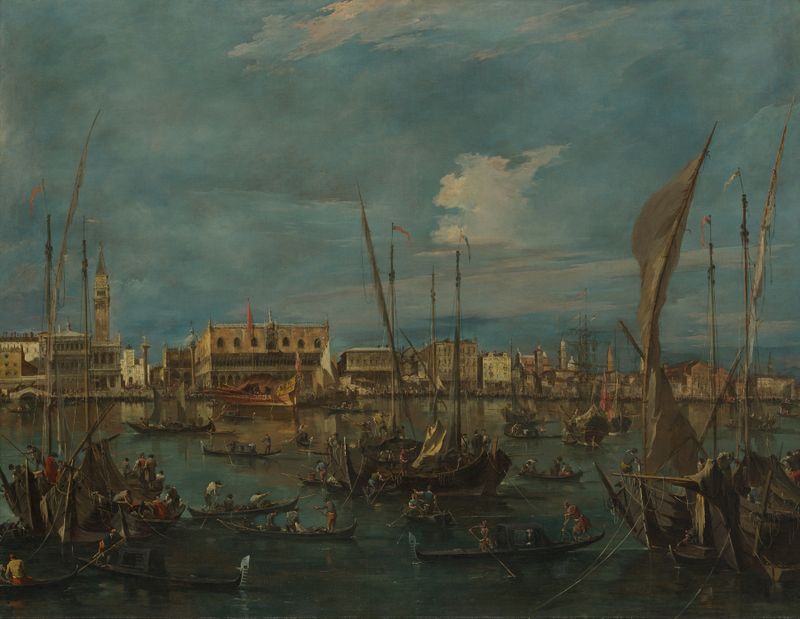
Venice from the Bacino di San Marco
Francesco Guardi

Venice, the Piazzetta looking south, with a view of the Doge’s Palace and the Biblioteca Marciana, the island of San Giorgio Maggiore beyond
Francesco Guardi

Venice, The Rialto
Francesco Guardi
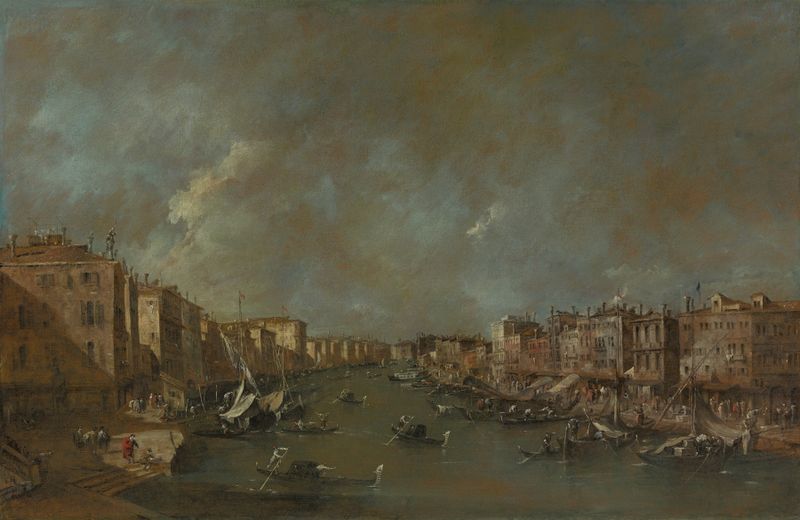
View of the Grand Canal from the Ponte di Rialto
Francesco Guardi
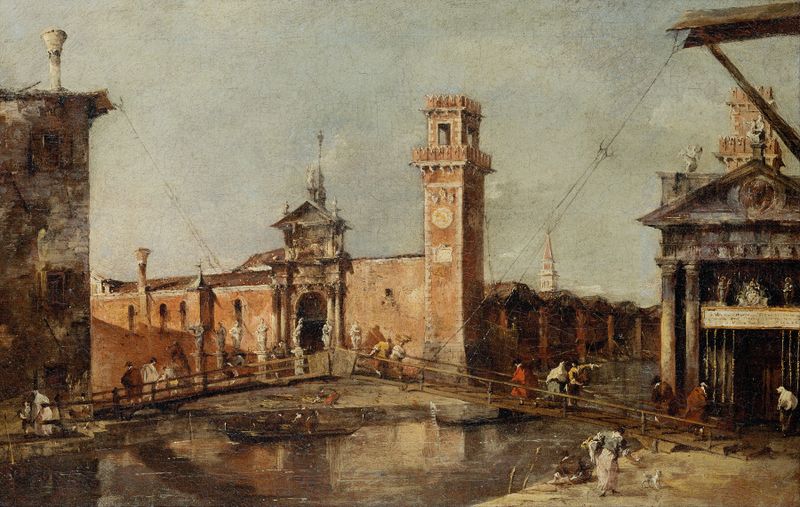
The Entrance to the Arsenal in Venice
Francesco Guardi
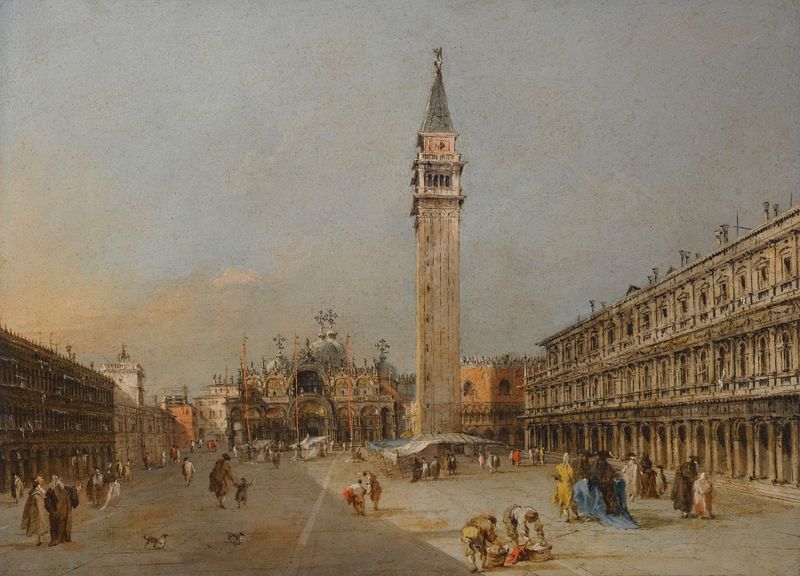
The Piazza San Marco With The Basilica And Campanile
Francesco Guardi
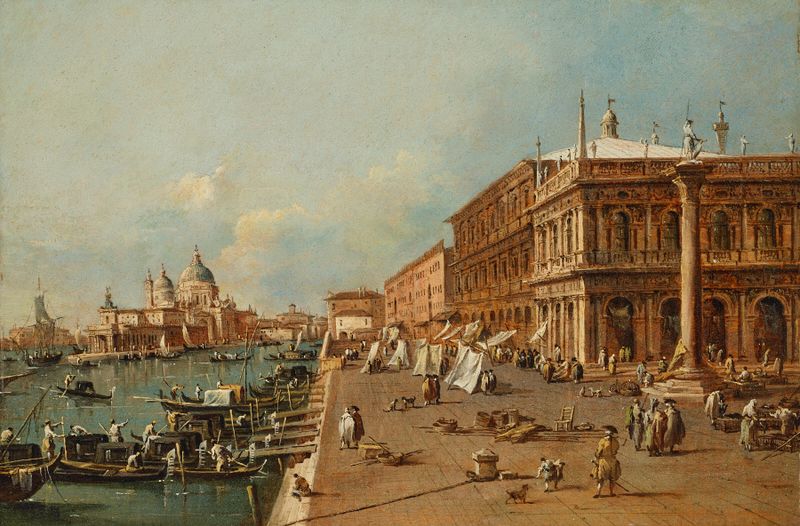
Venice; The Molo with the Libreria, the Punta della Dogana and Santa Maria della Salute
Francesco Guardi
More Architecture Art
Browse all →
The statue of Liberty
Frédéric Auguste Bartholdi

View of Houses in Delft, Known as ‘The Little Street’
Johannes Vermeer

View of Houses in Delft, Known as ‘The Little Street’
Johannes Vermeer

The Cathedral in Rouen. The portal, Grey Weather
Claude Monet

The yellow house
Vincent van Gogh

The Church in Auvers-sur-Oise, View from the Chevet
Vincent van Gogh